REVIEW · MADRID
10 Tapas Cooking Class Experience in Madrid with Sangria
Book on Viator →Operated by A Punto Cooking School · Bookable on Viator
Tapas in a kitchen beats wandering hungry. You’ll make up to ten tapas at hands-on stations, guided by chefs like Gustavo and Rosa, then eat a home-cooked dinner with sangria. The one catch: the menu isn’t fully adapted for dietary restrictions.
The class runs about 2.5 hours, starting at 4:00 pm in central Madrid (C. de la Farmacia, 6). With a maximum of 15 people and instruction in English, it’s designed for real participation, not passive watching.
In This Review
- Key points you’ll care about
- Why the 4:00 pm Start Feels Right for a Madrid Evening
- Meeting at C. de la Farmacia: Easy to Reach, Easy to Handle
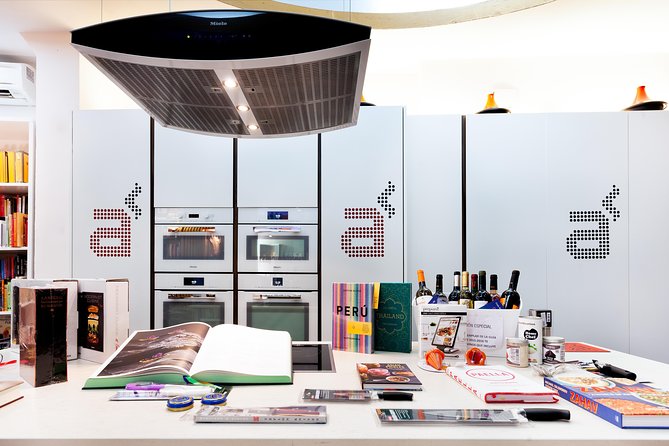
- A Punto Cooking School Kitchen: Small-Group Energy, Real Tasks
- Cooking Up to 10 Tapas: What You’ll Make (and Why It Matters)
- Salmorejo (Starter)
- Idiazabal lollipops (Starter)
- Coca with sobrasada or vegetables (Starter)
- Ajillo shrimps (Main)
- Horchata torrijas (Dessert)
- Spanish omelette (Main)
- Gilda skewers (Starter)
- Squid sandwich (Starter)
- Patatas bravas (Main)
- Sangria (Included drink)
- Salmorejo to Patatas Bravas: The Stations Model Works
- Dinner After Cooking: A Home-Cooked Finish (With Sangria and Pairing)
- Price and Value: What $82.24 Buys You in Madrid
- Small Print That Can Affect Your Enjoyment: Veg, Diet, and Party Rules
- Should You Book It? My Practical Take
- FAQ
- What time does the tapas cooking class start?
- How long is the experience?
- Where do I meet for the class?
- How many people are in the group?
- What’s included in the price?
- Is hotel pickup or drop-off included?
- Is there a vegetarian option?
- Can the menu be adapted for dietary restrictions?
- Is sangria included, and is there a non-alcohol option?
- What is the cancellation policy?
Key points you’ll care about
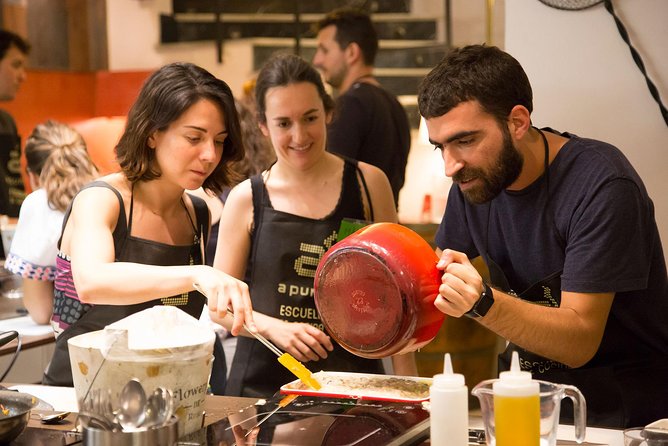
- Up to 10 tapas, split across active stations so you each get tasks instead of hovering
- English instruction in a small group (max 15), which makes questions easier
- A proper meal after cooking with included sangria, plus a dinner pairing that fits the theme
- Central meeting point and an afternoon start that works well between sightseeing and dinner plans
- Food you can take home is a common outcome, not just a light snack
Why the 4:00 pm Start Feels Right for a Madrid Evening
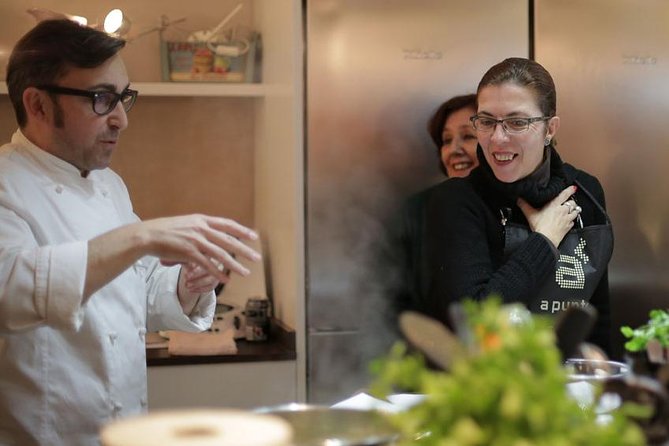
This tour is built for a Madrid night-out vibe without the late start. A 4:00 pm beginning means you can do a morning or early afternoon of sights, then shift gears into something hands-on when the city’s energy is warming up.
I like this timing because it avoids the classic Spain problem: dinner can be late, and you get stuck hungry in-between. Here, you cook and then eat in the same block of time, so you’re not scrambling for food or pivoting your evening plan at the last minute.
The other big win is pacing. Two and a half hours is long enough to learn and cook multiple dishes, but not so long that you feel cooked yourself.
You can also read our reviews of more tours and experiences in Madrid.

Meeting at C. de la Farmacia: Easy to Reach, Easy to Handle
You meet at C. de la Farmacia, 6, Centro, 28004 Madrid, and the activity ends back at the same meeting point. Hotel pickup and drop-off are not included, so you’ll need to get yourself there—luckily, the meeting spot is near public transportation.
If you’re staying in or near Centro, this is the kind of tour that doesn’t add stress. You show up, cook, eat, then head back out. If your lodging is farther out, plan your transit time so you don’t cut it close.
Also note the age and drinking rules: the minimum age is 14, and the minimum drinking age is 18. If you’re traveling with teens or a mixed-age group, that matters.
A Punto Cooking School Kitchen: Small-Group Energy, Real Tasks
This is a max 15-person class, and that changes everything. In a big group, you’d mostly watch. Here, you’re assigned tasks across stations, so you’re actually cooking, chopping, assembling, and getting feedback.
One detail I’m glad you have: the kitchen setup is roomy enough to handle multiple stations at once. Some classes run in tighter spaces where you wait your turn. In this one, cooking happens in a more “workflow” way—each group works on a dish while the chef supervises and an assistant keeps the space stocked and tidy.
English support is a real plus. Multiple instructors are referenced in the course experience (including Gustavo and Rosa), and people specifically praised clear English. That means you’re more likely to catch technique cues and not just “hear” instructions.
One practical downside to keep in mind: because you’re making lots of dishes, the start can feel a little fast. If you’re the type who needs slow, detailed explanations before touching food, arrive calm and ready to listen early.
Cooking Up to 10 Tapas: What You’ll Make (and Why It Matters)
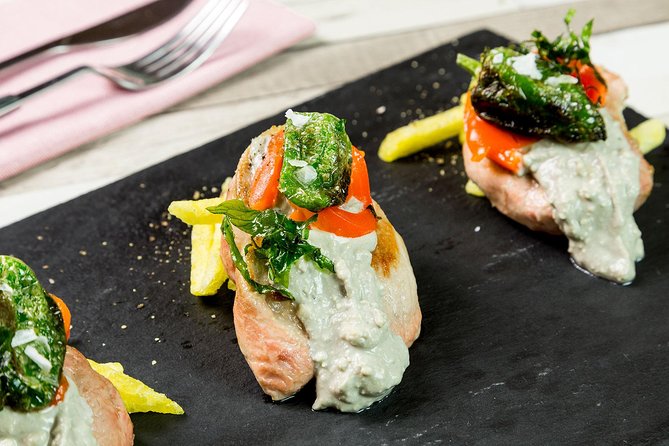
The promise here is not a single demo plus a plate at the end. You learn to make Spanish tapas by actually building a menu—up to ten tapas dishes—under chef guidance.
Here’s a sample lineup of what you may cook:
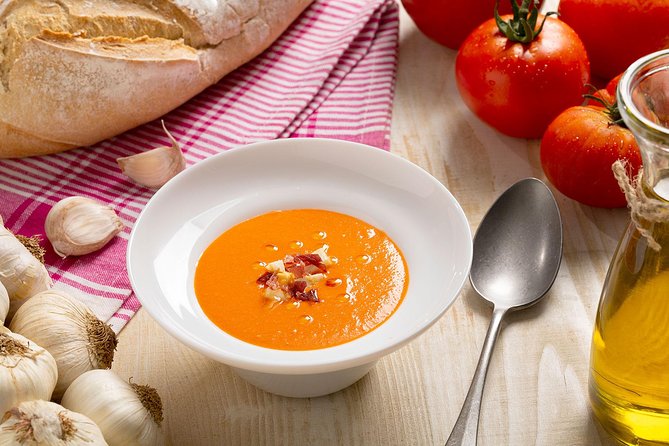
Salmorejo (Starter)
A cold tomato soup that’s thicker and richer than many people expect. It’s a great dish to learn early because it teaches the idea of “cool comfort food” that defines a lot of Spanish tapa culture.



Idiazabal lollipops (Starter)
These are made from Idiazabal sheep cheese—one of Spain’s well-regarded cheeses. The lollipop format is a fun way to learn about shaping and handling ingredients. Even if you don’t copy the exact shape at home, you’ll likely take the technique idea with you.
Coca with sobrasada or vegetables (Starter)
Think of this as a Spanish-style flatbread pizza associated with the Balearic Islands. It’s a useful lesson in balancing toppings and textures, and it helps you understand how “everyday” can still taste special in Spain.
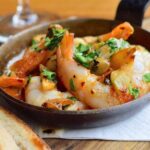
Ajillo shrimps (Main)
Shrimps with garlic and a lot of olive oil. This dish is basically a lesson in heat control: keep it lively, don’t scorch the garlic, and let the oil do its job.
Horchata torrijas (Dessert)
Torrijas are like French toast, but with Spanish personality. Here you get a twist using horchata, the Levante drink made for creamy, cinnamon-like vibes. It’s a fun ending because you get sweet food that still feels regional, not generic.
Spanish omelette (Main)
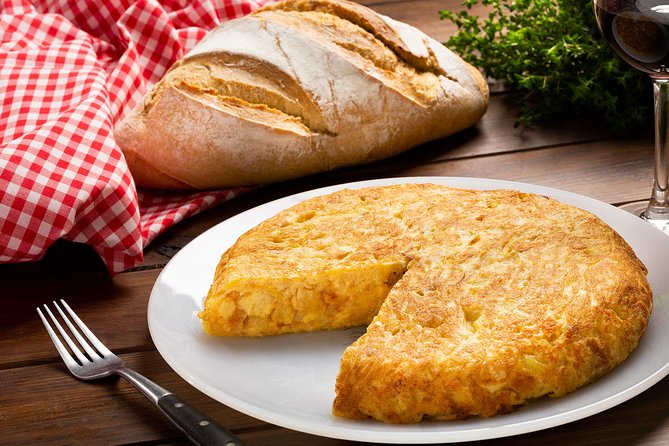
You’ll make a Spanish omelette with potatoes, and you choose whether to include onion. That choice is a small detail, but it’s a practical one: it shows you how tapas cooking can be personalized even inside tradition.
Gilda skewers (Starter)
Olives and anchovies (plus more) on a skewer. It’s classic, salty, and compact—perfect for learning how tapas work as snack-sized flavor punches.
Squid sandwich (Starter)
A very Madrid-style fried squid sandwich with alioli sauce. This teaches you how Spanish tapas can be “small meals,” not just tiny bites.
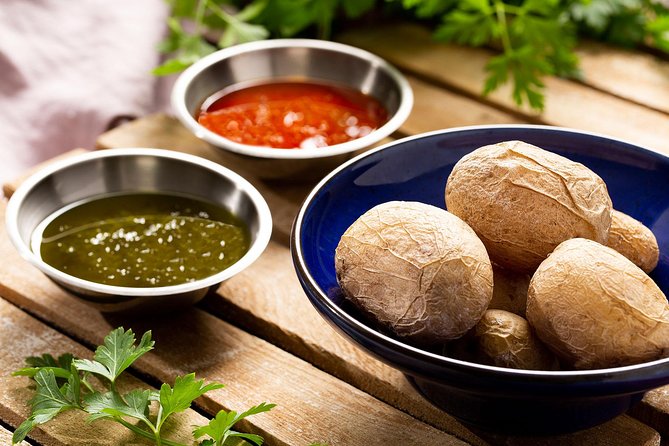
Patatas bravas (Main)
Potatoes with a special spicy tomato sauce. This is a must-know tapa for anyone who wants to stop thinking of bravas as one thing and start seeing it as a whole flavor system.
Sangria (Included drink)
You’ll also have sangria included, made with fresh fruit and spices. It’s part of the fun, and it keeps the evening feeling festive while you cook.
What you take away is the ability to connect recipes to technique. The menu isn’t just a checklist. Each dish trains a different skill: cold prep, shaping, quick-cook savory, and a dessert built on a regional drink.
Salmorejo to Patatas Bravas: The Stations Model Works
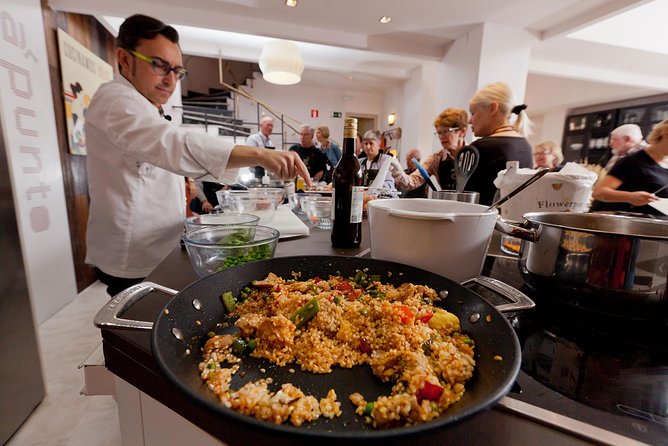
A lot of cooking classes fail because everyone waits. This one is built around station work, so you’re kept busy. In many sessions, each person ends up working on at least one tapa, and you’ll rotate through the production flow as your station needs you.
A useful tip from the experience style: choose the tapa station you want most, because you’ll likely spend time focused on particular dishes rather than doing everything end-to-end. If you care about one dish—say, patatas bravas or the cheese lollipops—plan your energy for that part.
Another plus: the chefs are described as attentive and willing to answer questions. People specifically praised Gustavo for being engaging and inclusive, and Carmencita for being helpful and attentive. With that kind of support, mistakes become learning moments instead of stress.
Dinner After Cooking: A Home-Cooked Finish (With Sangria and Pairing)
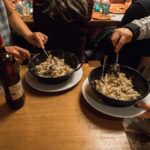
The best part of this format is the payoff. After you cook, you sit down to a home-cooked dinner rather than just tasting a bite and being done. That means the work translates into a full meal experience.
Sangria is included, and the dinner is also described as paired with a selection of regional wines. Even if you’re not a big wine person, it adds context for why Spanish food feels like it has a built-in story—food and drink move together.
A nice bonus from the experience: you might also leave with extra food or leftovers. Several accounts mention being sent home with food after the class, which makes the experience feel more generous than a typical “cook, taste, go” setup.
One thing to keep in mind: if you don’t drink alcohol, there’s been at least one complaint that the non-alcohol replacement (instead of sangria) was a soft drink and felt like poor value. That doesn’t mean it’ll happen to you, but it’s worth factoring in if you’re comparing this class to others.
Price and Value: What $82.24 Buys You in Madrid
At $82.24 per person, this isn’t the cheapest thing on your list. So let’s talk value like an adult.
You’re paying for:
- instruction from a professional chef (and helpers),
- ingredients for multiple dishes,
- a home-cooked dinner plus included sangria,
- and a souvenir apron.
If you try to copy a similar evening at home in Madrid—buying specialty ingredients like sheep cheese, shrimp, and building a full menu for multiple people—the math climbs fast. Here, the class does that work for you and gives you the technique and organization that make it go smoothly.
One more value angle: small-group cooking classes can be awkward for solo travelers. With up to 15 people and station work, you’re actively involved, and it tends to feel social without being chaotic.
If you’re traveling as a couple, this can be a memorable, different Madrid night. One account even called it a honeymoon-style activity. Not everyone books it for that reason, but the point holds: it’s fun, structured, and food-centered.
Small Print That Can Affect Your Enjoyment: Veg, Diet, and Party Rules
Here’s the practical part you should read carefully.
- There is no vegetarian option for the whole menu. That said, almost half of the tapas proposed are vegetarian, so you’ll likely eat some vegetarian-friendly dishes.
- Dietary requirements: you can advise specific dietary needs at booking, but the course notes that they do not adapt the whole menu to dietary restrictions.
- No parties allowed, and you shouldn’t book if you’re celebrating a more than 5-person party.
So who should book? If you have flexible eating or mild preferences, you’ll probably enjoy the experience. If you have strict dietary needs—medical, allergy-heavy, or multiple exclusions—this is the one area where you should be cautious and email or message with specifics before committing.
Should You Book It? My Practical Take
I’d book this if you want a hands-on Madrid food night with a real menu, clear English instruction, and a small group size that keeps you involved. The combination of cooking up to ten tapas and then eating a full dinner is the main reason it feels worth it.
You might skip it if:
- you need strict menu adaptation for dietary restrictions (because the menu isn’t fully customizable),
- you’re hoping for a slow, step-by-step pace with lots of waiting time to watch,
- or you’re very sensitive to alcohol value, since non-alcohol substitutions have been criticized.
If you decide to go, my best advice is simple: pick the tapa station you care about most before you start, pay attention early (the beginning can move quickly), and don’t be shy with questions. With chefs like Gustavo and Rosa, the feedback is part of the fun.
FAQ
What time does the tapas cooking class start?
It starts at 4:00 pm.
How long is the experience?
The duration is about 2 hours 30 minutes.
Where do I meet for the class?
You meet at C. de la Farmacia, 6, Centro, 28004 Madrid, Spain.
How many people are in the group?
The tour/activity has a maximum of 15 travelers.
What’s included in the price?
The price includes the cooking class and all ingredients, a home-cooked dinner, free sangria, and a souvenir apron.
Is hotel pickup or drop-off included?
No. Hotel pickup and drop-off are not included.
Is there a vegetarian option?
There is no vegetarian option for the whole menu, though almost half of the tapas proposed are vegetarian.
Can the menu be adapted for dietary restrictions?
You can advise dietary requirements at booking, but the note says they do not adapt the whole menu to dietary restrictions.
Is sangria included, and is there a non-alcohol option?
Sangria is included. If you cannot drink alcohol, the class provides a non-alcohol drink substitute (the exact substitute is not listed in detail, but there is mention of a soft drink replacement).
What is the cancellation policy?
You can cancel for a full refund up to 24 hours in advance. If you cancel less than 24 hours before the start time, you do not get a refund.