REVIEW · PORTIMAO
Algarve: Fado Night with 6- Course Algarvian Tapas Dishes
Book on GetYourGuide →Operated by ATLANTIS TOURS · Bookable on GetYourGuide
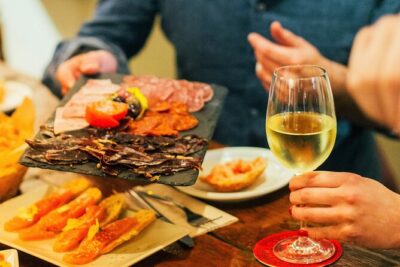
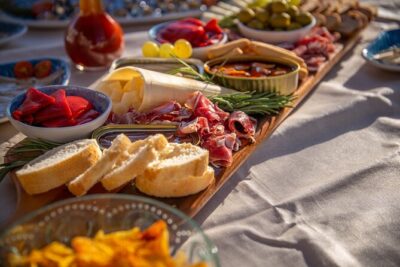
Fado nights are made for hungry romantics. This one pairs live fado with a 6-course Algarvian tapas-style dinner, leaning hard into the region’s sea-to-table flavors and local storytelling.
What I like most is the way the meal feels like part of Algarve itself, not just a show with food stapled on.
The second big win is the care during the service. I like that you get dish explanations along the way, and even a named host, Luis, described detailing the courses in French with a friendly, attentive style. One thing to consider: the menu can be very garlic-forward, so if that’s not your thing, plan accordingly.
In This Review
- Key highlights to expect
- Algarve fado night: the cultural setting beyond the music
- The 2-hour dinner flow: your six-course Algarvian tapas experience
- Opening: bread with olive oil (or garlic toast)
- Course 1: crab pate with mini toast
- Course 2: skinned horse mackerel
- Course 3: cockles in corn porridge
- Course 4: roasted pork tenderloin with garlic, parsley, olive oil, and lemon
- Course 5: prawn in bread porridge
- Course 6: Dom Rodrigo dessert (angel hair)
- Garlic is the big variable: how to judge if this menu fits you
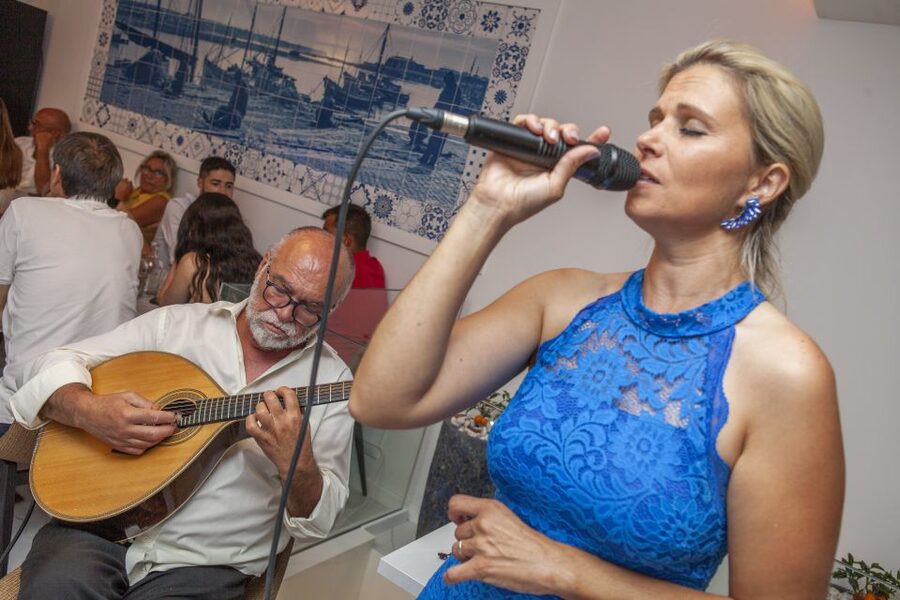
- Live fado during dinner: what makes the show work
- Wine with the meal: why it can change the value math
- Price and value at $99: what you’re really paying for
- Practical tips before you go (so the night stays fun)
- Who this Algarvian fado dinner is best for
- Should you book this Algarve fado night?
- FAQ
- How long is the Algarve fado dinner?
- What’s included in the ticket price?
- How many courses do you eat?
- What languages are used during the experience?
- Is it wheelchair accessible?
- Are there restrictions on bags or luggage?
- What is the cancellation policy?
Key highlights to expect
- 6 courses built around Algarve seafood rather than the usual tourist tapas mix
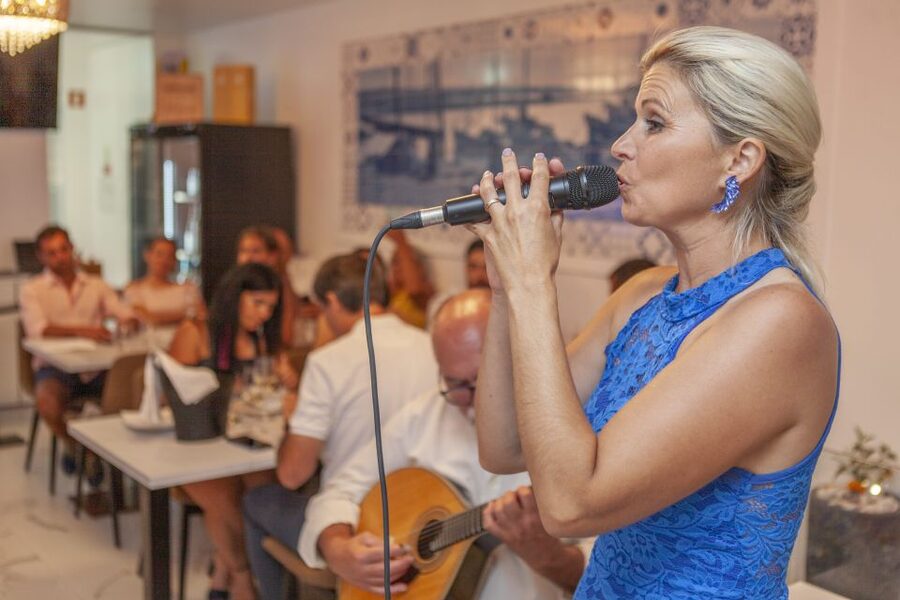
- Live fado performance during dinner, with a professional focus on the music
- Course-by-course dish explanations, including how simple local ingredients become classic plates
- Regional wine pairings by the glass reported with multiple different wines
- Dom Rodrigo dessert (angel hair) to close out the night with something delicate
Algarve fado night: the cultural setting beyond the music
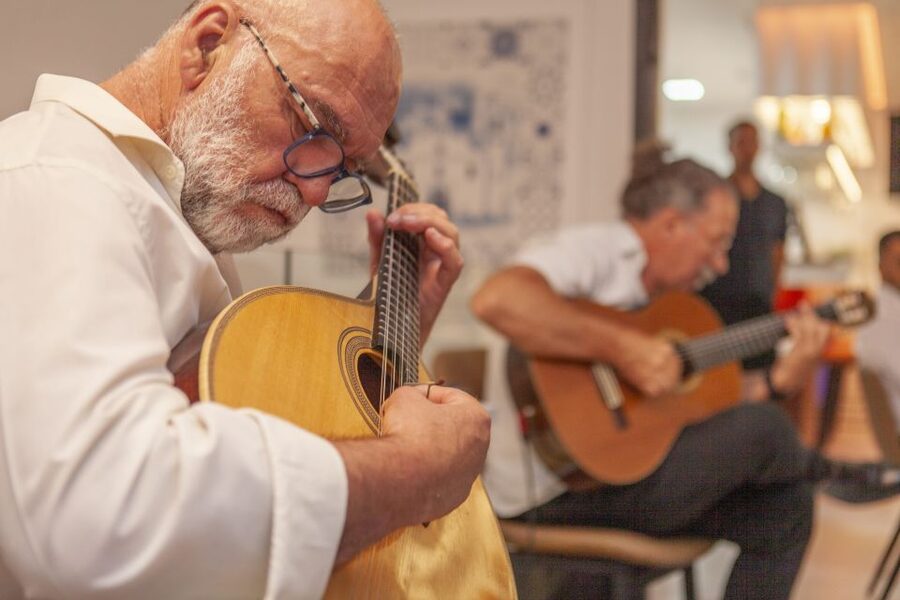
This isn’t just a concert in the background. The whole evening leans on Algarve identity, where food and music meet under one roof. Algarve’s name itself points to older cultural layers: historically connected to the westerly part of Moorish Andalusia, sometimes referenced through the term Algarbe Alandalus, and you’ll see that kind of heritage reflected in local design details, like traditional blue tiled panels that nod to the region’s pride.
You’ll feel that story most in two places: the menu choices and the way the evening is staged. The food uses seafood and plain, proven ingredients you’d expect from a coastal place. The fado keeps the focus on performance, which helps the mood stay sharp and musical instead of drifting into generic dining-room noise.
And because it lasts about 2 hours, it’s a solid option if you want something cultural without sacrificing a whole evening.
You can also read our reviews of more tours and experiences in Portimao.


The 2-hour dinner flow: your six-course Algarvian tapas experience
The meal is structured like a tasting menu that stays very Portuguese in spirit: bread and olive oil first, then a sequence of seafood-and-meat plates, and finally a classic sweet.
Opening: bread with olive oil (or garlic toast)
It starts simply, with hot fresh bread with olive oil, or toast in olive oil with garlic. This matters more than it sounds. In a dinner like this, that first bite sets the flavor baseline—olive oil, salt, and garlic as the main language—so you’re ready for the more specific dishes that follow.
Course 1: crab pate with mini toast
Next comes crab pate served with mini toast. Think creamy seafood flavor in a neat, bite-sized form. It’s a good “hello, Algarve” course because crab is very coastal and familiar, but the pate format keeps it feeling special rather than basic.
Course 2: skinned horse mackerel
Then you get horse mackerel, skinned and served as the second course. This is one of those plates that makes you realize how local cuisine often means “what the coast gives us,” not what you usually see on menus elsewhere. If you like fish but want something more authentic than the same old grilled option, this is where the evening earns its keep.
Course 3: cockles in corn porridge
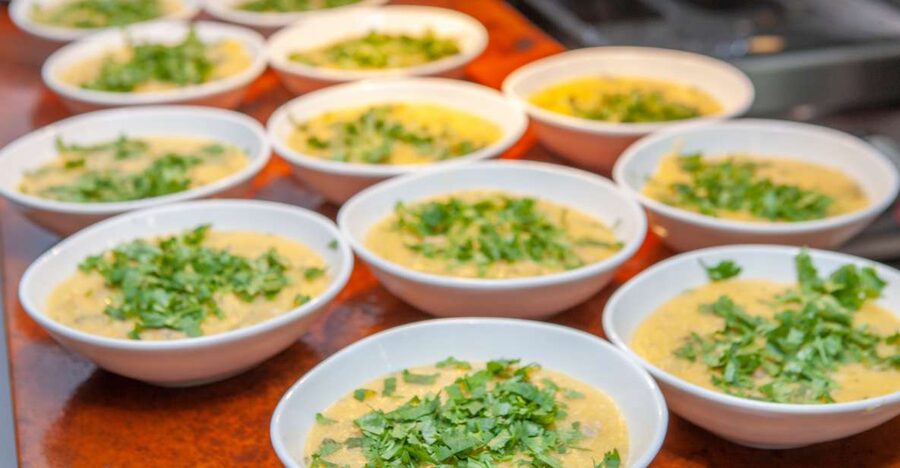
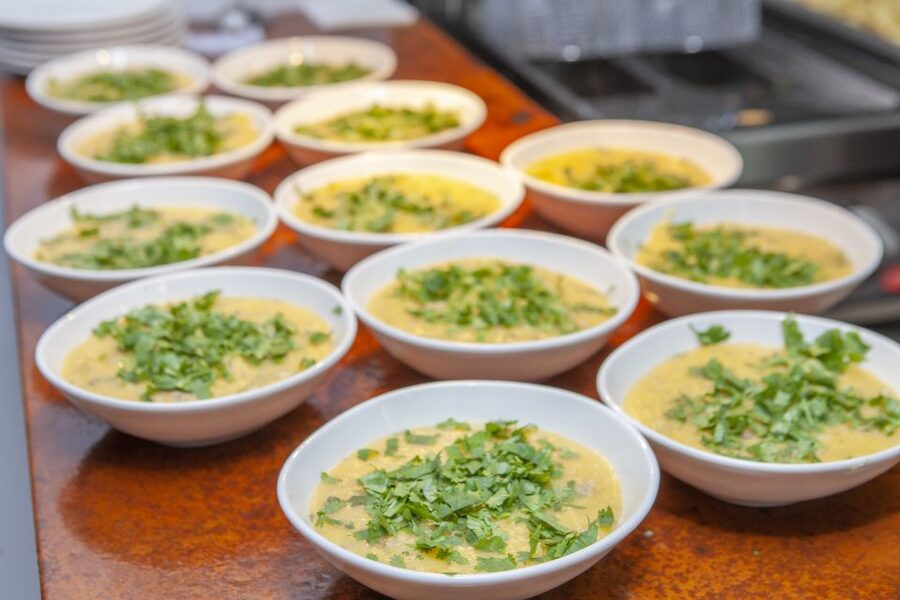
After that, you’ll taste traditional Algarve cockles in corn porridge. The combination is a smart reminder that Algarve cooking isn’t only about seafood served plainly—it’s also about mixing textures and using staples like corn to build comfort into the bowl. If you’re open to unusual pairings, this is one of the more memorable courses.
Course 4: roasted pork tenderloin with garlic, parsley, olive oil, and lemon
Course four turns to land with roasted pork tenderloin with garlic, parsley, olive oil, and lemon. This is a classic Portuguese flavor direction: herbs, fat from olive oil, and brightness from lemon. The garlic again shows up clearly, so if you’re sensitive to it, this is the moment you’ll notice the most.
Course 5: prawn in bread porridge
Then comes prawn in bread porridge. It sounds simple, but the effect is the same reason bread-based comfort dishes work everywhere: it soaks up flavor and becomes part of the sauce. It’s also a clever way to keep the seafood theme going while changing the texture from the earlier fish and crab.
Course 6: Dom Rodrigo dessert (angel hair)
You finish with mini Dom Rodrigo, a local dessert often called angel hair. It’s delicate and sweet, made with egg, cinnamon, and almond. It’s the kind of ending that feels Portuguese without being heavy. If you love desserts that are more subtle than frosted-cake sweet, this one lands well.
Garlic is the big variable: how to judge if this menu fits you

Across the night, garlic appears in multiple dishes—from the garlic-tinged toast at the start to the pork course and likely into other preparations. That’s not a flaw in the cooking. It’s just the reality of how the flavor is being built here.
So here’s how to decide:
- If you like garlic in savory dishes, this will feel cohesive. Each course tastes like it belongs to the same culinary world.
- If garlic overwhelms you, the meal may feel heavy, even if the cooking is otherwise solid.
If you fall in the second group, you can still enjoy the experience by managing expectations. Don’t go in hoping for a light, delicate menu. This is a traditional-style dinner with bold seasoning.
Live fado during dinner: what makes the show work
Fado is the heart of the evening, and the staging matters. The performance is presented in a way that keeps the music as the main event, rather than wandering performers drifting table to table. That can make the show feel more professional and focused.
You’ll typically hear a fado singer supported by musicians (guitar-style accompaniment shows up as part of the sound). The overall effect is intimate without being cramped. You can settle into the mood as the courses keep arriving.
A couple details stand out from the way people describe the night:
- The performance quality is consistently praised, including the singer and musicians together.
- The show stays in its performance zone more than moving through the room, which keeps the focus tight.
If you’re the kind of traveler who wants music you can actually listen to, this format should suit you. If you love interactive, performer-on-the-floor chaos, it might feel a bit more controlled than you’d like.
Wine with the meal: why it can change the value math
Wine isn’t listed in the core included items, but it shows up in how the experience is commonly delivered. Multiple diners report three different regional wines during the evening, sometimes served with the meal across courses. One reason this matters: wine pairings can turn a good dinner into a more complete event without you having to decide anything on-site.
If you’re a wine person, that’s a plus because it reduces friction. You’re not guessing what to order mid-show. You get guided tasting choices that aim to match the food you’re eating.
If you’re not a wine person, just be aware the evening may still include alcohol service. You can always pace yourself, stick to smaller sips, or ask the staff how the glasses are being served.
Price and value at $99: what you’re really paying for
At $99 per person for a 2-hour dinner with 6 courses plus live fado, you’re not just buying food. You’re buying the whole package: the performance, the meal pacing, and the cultural framing around Algarve staples.
Here’s how the value breaks down in plain terms:
- You get a full sequence of dishes (not a “snack tapas” setup).
- You get a live show timed to dinner, which costs money on the production side.
- You get explanations from the team, including named staff like Luis reported to provide detailed commentary in French.
Where value gets weaker is personal fit. If garlic bothers you, you may feel like the menu is too heavy for the price. Also, if you’re not into the idea of fish-first courses (crab, horse mackerel, cockles, prawn), you might not feel the “wow” that other diners describe.
But if you like traditional Portuguese flavors and want a one-stop cultural night, this price starts to make sense quickly.
Practical tips before you go (so the night stays fun)
A few details matter for how smoothly the experience feels:
- Arrive hungry. The portions are described as filling, and it’s easy to undereat earlier in the day and regret it later.
- Plan your timing. Duration is 2 hours, and starting times depend on availability, so pick a slot that doesn’t force you into a rush.
- Light luggage only. Large bags and luggage aren’t allowed, so travel light.
- If you arrive early, use the nearby streets. One helpful note: a pedestrian shopping area is nearby if you want a calm pre-dinner walk.
- Language is handled on the spot. Explanations are reported in French, and the activity lists languages for booking, so double-check what language your chosen night supports.
Who this Algarvian fado dinner is best for
This is a good match if you:
- Want one planned night that combines food and music without hopping around town
- Enjoy seafood and are curious about local classics like horse mackerel and cockles in corn porridge
- Like being told what you’re eating, including where dishes come from and what’s in them
You might want to think twice if you:
- Can’t stand garlic-forward cooking
- Prefer a quieter, restaurant-only dinner with no show
- Want light, delicate bites instead of a structured multi-course meal
Should you book this Algarve fado night?
Book it if you want a concentrated evening of Algarve identity: fado music plus a real six-course meal built from coastal ingredients and classic local desserts. The experience is priced like an event, and when it clicks, it feels memorable because the show and the food stay in sync.
Skip or reconsider if garlic is a deal-breaker for you. Also, if you dislike controlled, performance-style staging (instead of roaming performers), this format may feel less lively than you’d expect.
If you’re flexible and you like traditional Portuguese flavors, this is exactly the kind of dinner that turns an ordinary night into an Algarve story you’ll remember.
FAQ
How long is the Algarve fado dinner?
The experience runs for 2 hours.
What’s included in the ticket price?
It includes the Fado show and a 6-course dinner.
How many courses do you eat?
You’ll have a 6-course dining experience.
What languages are used during the experience?
The activity lists languages for the booking, and dish explanations have been reported in French.
Is it wheelchair accessible?
Yes, it is wheelchair accessible.
Are there restrictions on bags or luggage?
Yes. Luggage or large bags are not allowed.
What is the cancellation policy?
There is free cancellation up to 24 hours in advance for a full refund.