REVIEW · EVORA
Casa Relvas, Évora – Visit to the Winery with Tasting of Portuguese Grape Varieties and Tapas
Book on GetYourGuide →Operated by Casa Relvas Lda. · Bookable on GetYourGuide
Winery tours usually feel scripted. This one feels like real work in progress, paired with serious tasting. You get a clear look at how Alentejo grapes become wine, and then you sit down to taste five Portuguese varietals with tapas and olive oil.
I like that the visit covers the whole chain, from grape reception to fermentation choices and then to barrel aging. I also like that the tasting isn’t just wine-by-itself; it’s paired with food and local olive oil, which makes the flavors easier to understand.
One thing to consider: in just 90 minutes, the pace is tight. You’ll see a lot, but there’s less time for long, free-form wandering or slow chat unless your guide’s answers run long.
In This Review
- Key points worth knowing before you go
- Casa Relvas in Évora District: a practical Alentejo wine stop
- Start at reception: terroir and property context before the wine smell hits
- The winery production tour: watching grapes turn into wine
- Stainless steel tanks vs oak barrels: how it changes what you taste
- Aging cellar visit: oak origin, toasting, and barrel capacity
- Five Portuguese single-varietal wines, tapas, and olive oils
- Guide quality and pacing: why the best part is how you’re treated
- Price and value: is $76 per person worth it?
- Who should book Casa Relvas, and who might skip it?
- Should you book? My decision rule
- FAQ
- How long is the Casa Relvas winery visit?
- What is the price per person?
- What wines are included in the tasting?
- Is tapas and olive oil included?
- What parts of the winemaking process are shown?
- Do they explain fermentation and temperature control?
- Is there an aging cellar visit?
- What languages are available for the live tour guide?
- Is free cancellation available?
Key points worth knowing before you go
- Production walkthrough in plain language: grape reception, destemming, pressing, and fermentation are explained step by step.
- Stainless tanks vs oak barrels: they talk temperature control and why the vessel choice matters.
- Aging cellar criteria: you’ll hear how oak origin, toasting, and barrel capacity affect sensory results.
- Tasting format with Portuguese grape varietals: five single-varietal wines, not just one blended sampler.
- Tapas plus olive oils: the food pairing helps you taste the wines more accurately.
- Guide support in Spanish, English, and Portuguese: you can expect explanations in your chosen language.
Casa Relvas in Évora District: a practical Alentejo wine stop
Casa Relvas is based in the Évora District, in Alentejo country where wine isn’t just a weekend hobby. The winery is described as family-born, connected to the land, and that shows in the tone of the visit: it’s not about performance. It’s about how the place works day to day.
Why that matters for you: a good winery tour helps you taste with context. Instead of guessing why a wine tastes a certain way, you’ll connect flavors to decisions the winemakers make—tank temperature, fermentation approach, and barrel choices. That’s the real value here.
Another reason I’d pick this over a generic tasting room: you get to see the inside process and then taste right after. The production steps aren’t talked about like a lecture. They’re shown and explained as you go, so the later five-wine tasting lands with more meaning.
Start at reception: terroir and property context before the wine smell hits
The tour begins with a reception at the winery. You’re introduced briefly to the property’s history and the regional terroir of Alentejo. It’s not meant to be a textbook, but it sets the frame for what you’ll see in the production area.
This is one of those small parts that can make or break your experience. If you know the region’s basics early—how grapes are shaped by local conditions—you’ll understand why the winemaking choices matter more than the brand name.
Also, you’ll get a live guide. In two different bookings, guides named Ana and Anna were highlighted for generous time and solid knowledge, which is a good sign for the group dynamic. You’re not just getting facts—you’re getting answers.
The winery production tour: watching grapes turn into wine
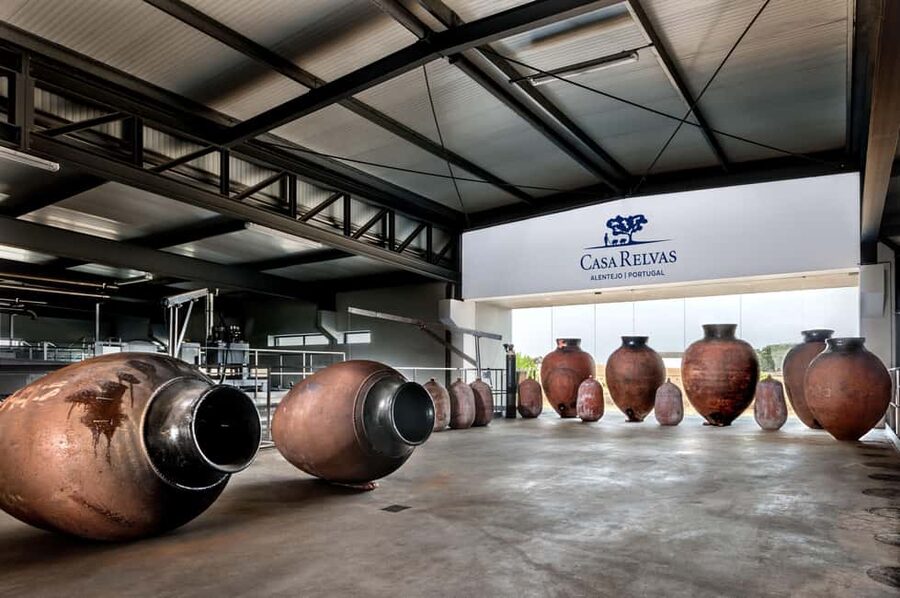
Next comes the working side of the winery. You’ll observe grape reception, destemming, pressing, and alcoholic fermentation. For me, that sequence is the heart of a winemaking tour because each step leaves fingerprints on the final glass.
Here’s what to expect as the guide walks you through it:
- Grape reception and handling: this is where quality control starts. Even if you’re not a wine nerd, you’ll quickly see that timing and care matter.
- Destemming and pressing: this affects juice extraction and what ends up in the fermenters.
- Alcoholic fermentation: this is where temperature control becomes a major theme. You’ll hear how the winery manages fermentation conditions.
One smart detail included in the tour explanation is the contrast between stainless steel tanks and oak barrels for different parts of winemaking. Stainless steel often signals control and clarity; oak signals structure and texture. The guide’s job is to explain what that means in human terms you can taste later.
If you’re worried about the tour getting too technical, don’t. The production steps are presented as observations you can follow with your senses. You’ll likely smell the working environment at close range, see equipment, and get the why behind the system.
Stainless steel tanks vs oak barrels: how it changes what you taste
The tour gives you a clear comparison: how temperature control in stainless steel differs from the flavor and texture contributions associated with oak. This isn’t just academic. It becomes your tasting cheat sheet.
Use it like this while tasting later:
- If a wine tastes cleaner, more focused, or more fruit-forward, it often points back to choices that prioritize temperature control and less oak influence.
- If a wine feels more structured, shows spice notes, or has a softer, rounder mouthfeel, oak decisions may be part of the story.
You don’t need to memorize winemaking terms. The goal is to give you a way to connect aroma and texture to the process you saw.
Also, stainless steel tanks matter for consistency year to year. Oak can add personality, but it can also vary. When a guide explains why the winery makes vessel choices, you understand that winemaking is management, not magic.
Aging cellar visit: oak origin, toasting, and barrel capacity
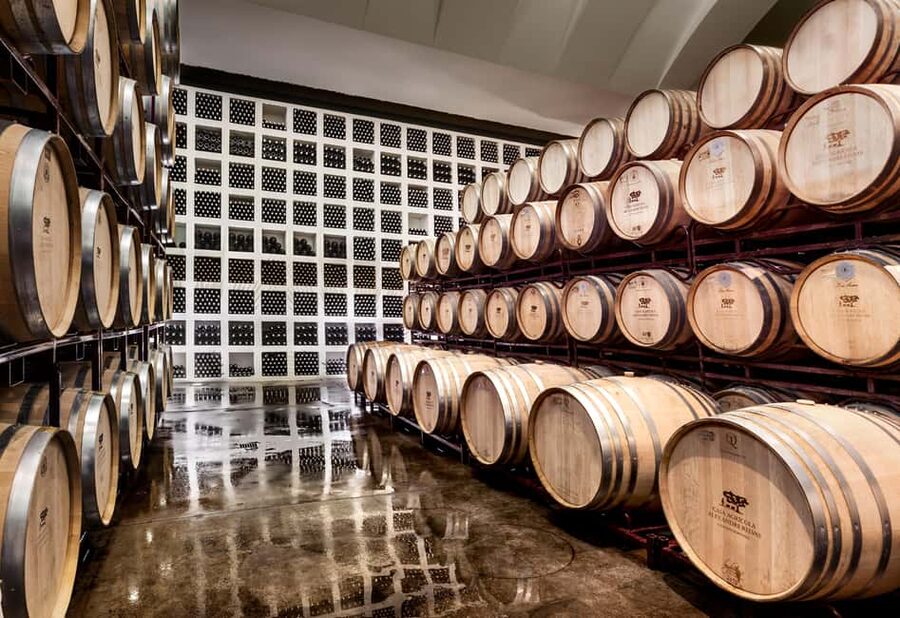
If production is the engine room, the aging cellar is where the wine gets its finishing details. You’ll be able to visit the aging cellar, and the guide explains the criteria for choosing barrels, including:
- Oak origin
- Toasting level
- Barrel capacity
Why those details matter to you: oak isn’t just oak. The source of the wood affects how the tannins and aromatic compounds behave. Toasting changes the intensity and character of oak flavors. And barrel size affects how quickly the wine interacts with the wood. Bigger barrels often mean more subtle interaction; smaller barrels can mean quicker influence.
This is the kind of explanation that makes the tasting more than a sip-and-smile event. You’ll start predicting what might show up in the wines: smoke-like notes, spice tones, vanillin hints, or changes in texture. Even if you’re not naming aromas confidently, you’ll be able to describe what you feel—leaner vs rounder, tighter vs more open.
Five Portuguese single-varietal wines, tapas, and olive oils
After the cellar, you shift gears to the fun part: tasting. You’ll sample five single-varietal wines from Casa Relvas, plus tapas and olive oils.
I like this structure for one big reason: it reduces guessing. When you taste wine with food and olive oil, your palate calms down and becomes more precise. Salt, fat, and spices change how tannins register, how acidity feels, and how fruit reads.
What you can do to get more out of this segment:
- Take a quick first sip just to notice the baseline.
- Then repeat after you eat a bite of tapas or a sip paired with the olive oil. You’ll often spot a difference immediately.
- Use your cellar notes. When you taste something with more oak influence, think back to the barrel origin/toasting/capacity explanation.
Also, the tasting being single-varietal is important. It helps you connect traits to specific grapes rather than blending everything together. That’s perfect if you’re curious about Portuguese grape varieties and want to build a small personal map in your head.
And if you’re the type who loves to ask questions, a strong guide helps here. In the best versions of this experience, the guide doesn’t just pour; they translate your reactions into process.
Guide quality and pacing: why the best part is how you’re treated
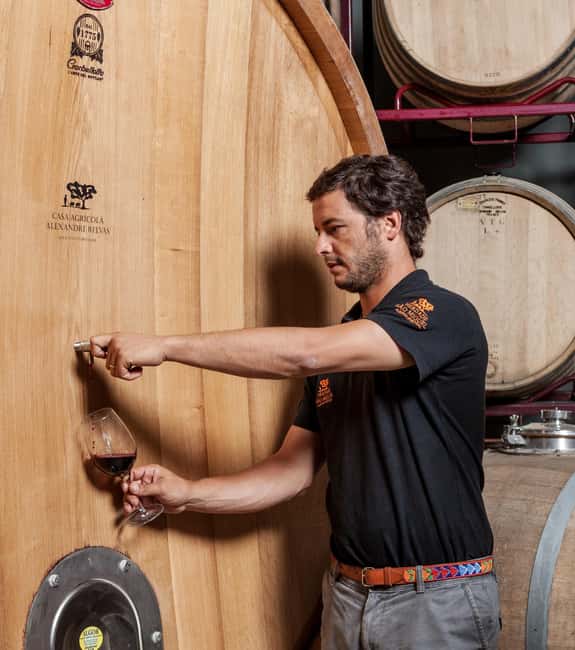
This tour’s reviews consistently point to one theme: the guide experience. In bookings with Ana and Anna, the standout praise was the time they took and the amount of knowledge they shared, even when someone booked solo.
That matters because wine tours can go two ways:
1) you rush through the steps and forget them, or
2) you ask questions and the tour turns into an actual conversation.
With this format, the pace stays organized. You move through reception, production observation, aging cellar, then tasting with food. The risk is that in a 90-minute window, you’ll wish there was more time for deeper detail. But the advantage is that everything connects in a single arc, from grape to glass.
A practical tip: come with at least one question. For example:
- How do they decide whether a wine should taste more oak-driven or tank-driven?
- What does toast level do to aroma?
- How should I think about the wines with tapas and olive oil?
If your guide answers well, the whole tour clicks.
Price and value: is $76 per person worth it?
At $76 per person for about 90 minutes, this is not a bargain tasting that you can treat like an afterthought. It costs like a real guided experience.
Here’s what justifies the price in a way you can judge for yourself:
- You’re not only tasting. You’re touring the winery production flow and visiting the aging cellar.
- The tasting includes five wines plus tapas and olive oils.
- The guide provides explanation in Spanish, English, or Portuguese.
If you only want a quick pour and a snack, you’ll feel this price as steep. If you want context that improves how you taste—and you’re happy to learn why wines taste the way they do—then the value makes sense.
Also, the small group feel can matter, even though group size isn’t stated. The presence of a live guide and a tight timeline usually means you’re getting attention. In one booking, a solo visitor praised the guide’s generosity with time, which suggests the experience can work well even when you’re not in a big group.
Who should book Casa Relvas, and who might skip it?
This tour fits best if:
- You want Portuguese grape varieties in a structured tasting.
- You like seeing how wine is made, not just sipping.
- You enjoy food pairing. Tapas and olive oil make the tasting more meaningful.
- You prefer clear explanations in Spanish, English, or Portuguese.
You might skip it if:
- You’re hoping for a long vineyard walk or open-air countryside time. This experience centers on the winery and cellar.
- You’re extremely sensitive to a fast schedule. The production + cellar + five wines + tapas in 90 minutes means you’ll be on the move.
- You want an in-depth session for one specific wine style. This is broader by design: five varietals, multiple topics, and a packed format.
Should you book? My decision rule
I’d book Casa Relvas if your goal is to leave with better wine instincts. You’ll learn how tank and oak decisions show up later, and you’ll taste right after so the lessons stay sticky in your head.
I wouldn’t book only if you want a casual hour where nothing connects and you can drift. This tour is structured. It’s made to teach you and feed you, then let you taste with context.
If you’re a Portugal wine fan, or you’re in Évora and want an Alentejo experience that goes beyond the basics, this is one of the more logical choices for your time.
FAQ
How long is the Casa Relvas winery visit?
The visit lasts 90 minutes.
What is the price per person?
The price is $76 per person.
What wines are included in the tasting?
The tasting includes five single-varietal wines from Casa Relvas.
Is tapas and olive oil included?
Yes. The tasting stage includes tapas and olive oils from Casa Relvas.
What parts of the winemaking process are shown?
You observe grape reception, destemming, pressing, and alcoholic fermentation.
Do they explain fermentation and temperature control?
Yes. Explanations include details about the use of stainless steel tanks versus oak barrels and the role of temperature control.
Is there an aging cellar visit?
Yes. You can visit the aging cellar, with explanations about barrel criteria such as oak origin, toasting, and capacity.
What languages are available for the live tour guide?
The live tour guide is available in Spanish, English, and Portuguese.
Is free cancellation available?
Free cancellation is available up to 24 hours in advance for a full refund.
If you want, tell me your travel month and whether you prefer red-focused or white-focused tastings, and I’ll help you decide if the five-wine format at Casa Relvas matches your taste.