REVIEW · MADRID
Madrid: Guided Tapas Tour with Tastings and Drinks
Book on GetYourGuide →Operated by Food Lover Tour Madrid · Bookable on GetYourGuide
That first sip changes how you see Madrid. This guided tapas crawl takes you through four local spots for 10–12 tastings and four house drinks. I like that it’s built for real eating time, not a quick look-and-leave parade.
Two things I really like: you’ll get a real taste of Spanish classics like Spanish tortilla and Iberian cured ham, and you’ll learn the local flavor logic from guides such as Ioanna, Raúl, Alberto, and Amara. One drawback to consider: you cover a lot of ground, so if you want deeper history on tapas itself, you may wish there were more time spent on that topic.
In This Review
- Key takeaways before you go
- How this Madrid tapas crawl fits a real night out
- The four stop types that shape what you taste
- Market cuisine restaurant stop: where food feels close to daily life
- Typical neighborhood bar: the Madrileño way to snack
- Contemporary slow-food tavern: where “how it’s made” becomes part of the flavor
- Century-old bodega: a classic setting for Iberian-style eating
- What 10–12 tapas tastings means for your appetite
- Four house drinks: vermouth, beer, wine, sangria—and why it matters
- Guides can make or break a food tour
- Meeting point and pacing: what to know before you set off
- Price and value: is $81 a good deal?
- Who this tour suits best
- Practical tips to make your night smoother
- Should you book this Madrid tapas tour?
- FAQ
- Where does the tour start and end?
- How long is the Madrid tapas tour?
- How many places do you visit?
- What’s included in the price?
- What drinks and tapas should I expect?
- Is the tour offered in English?
- Is it good for families and kids?
- What should I bring?
- Can the tour accommodate dietary restrictions?
Key takeaways before you go
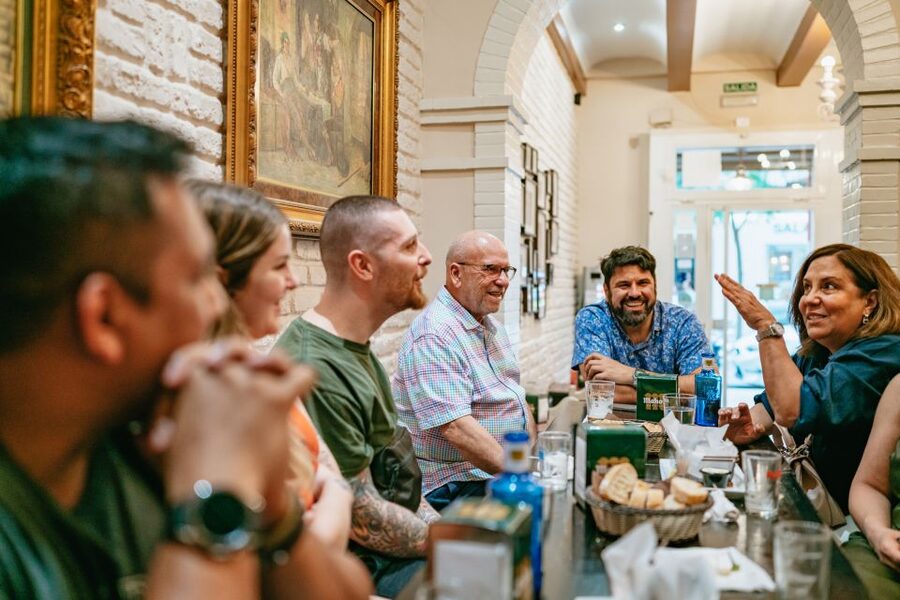
- Four carefully chosen stop types: market-style food stop, a neighborhood bar, a slow-food tavern, and a century-old bodega
- 10–12 tastings in 3 hours: enough to sample widely without feeling like you’re stuck in one place
- Four house drinks: common pairings include beer, wine, vermouth, and sangria
- Local-feeling pacing: not too much walking between stops, even with multiple locations
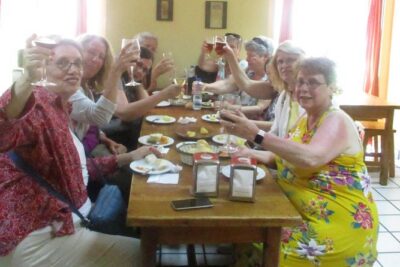
- Small-group energy: people note friendly groups where you can meet others and actually talk
How this Madrid tapas crawl fits a real night out
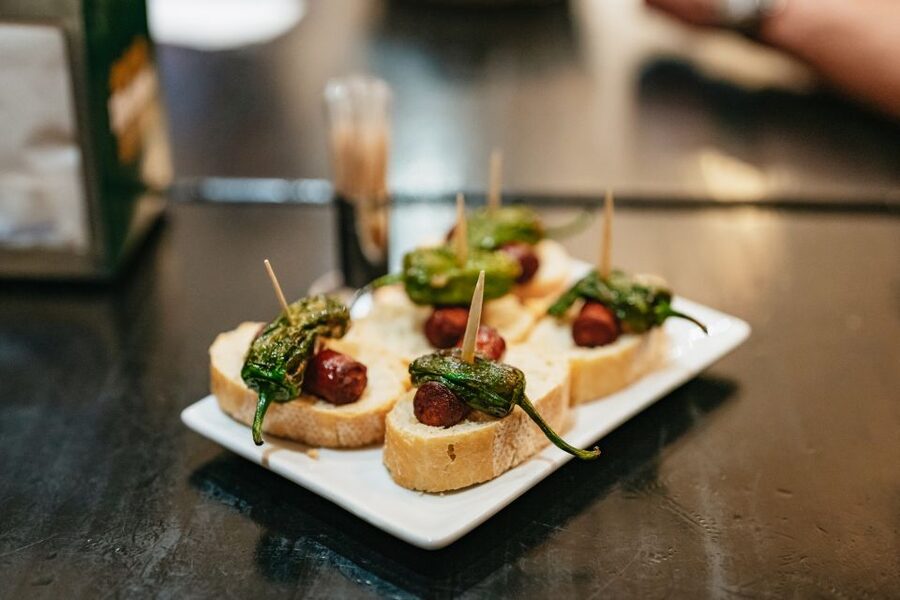
A Madrid tapas tour works best when it feels like how locals eat: stand, chat, order one more thing, then keep going. This one is built around that rhythm, with a guided bar crawl format that stays focused on food and drink rather than long museum-style explanations.
At $81 for about 3 hours, you’re not just paying for a list of bars. You’re paying for access—guides who know which spots can handle a group, what to order, and how to help you taste like a Madrileño instead of like a tourist with a translation app.
The pace is a practical mix. It’s active enough to cover four locations, but reviewers consistently mention it wasn’t a slog between stops, and that you still had time to mingle.
You can also read our reviews of more tours and experiences in Madrid.



The four stop types that shape what you taste
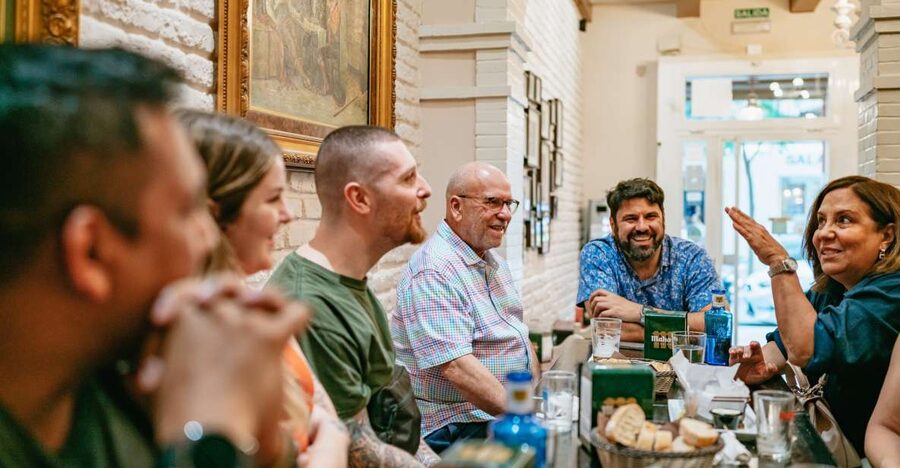
This tour takes you to four distinct food-and-drink settings in Madrid, including areas described as less touristy than the usual city-center loop. That variety matters because tapas in Spain aren’t one thing—they change with the room you’re in and the people around you.
Market cuisine restaurant stop: where food feels close to daily life
One stop is described as a market-cuisine style restaurant. What that usually means on a tapas crawl is fresher, more ingredient-forward plates, with flavors that show up because they’re popular and seasonal.
The practical win for you: you start building your tapas vocabulary early. You’ll be able to recognize ingredients like extra virgin olive oil, seafood, and cured meats as they show up later in different forms.
Possible downside: if you’re the type who wants the biggest “wow” moment first, a market-style stop can feel a bit more familiar before the century-old bodega.
Typical neighborhood bar: the Madrileño way to snack
Another stop is a typical neighborhood bar—the kind where locals come in for something quick, something salty, and something that pairs with a drink. This is where tapas starts to make sense as a social habit, not just food.
You’ll likely notice how ordering works in real time: you’re not browsing a menu for 20 minutes. A guided crawl streamlines the choices so you can focus on tasting and conversation.
The value here is experience, not sightseeing. If your goal is to understand Madrid’s food culture, this neighborhood stop helps you see tapas as daily routine.
Contemporary slow-food tavern: where “how it’s made” becomes part of the flavor
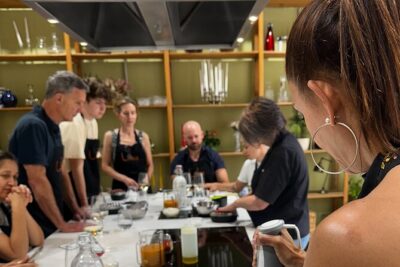
You also visit a contemporary slow-food tavern. Slow-food usually means you’ll get an emphasis on craft and ingredients rather than just speed and volume.
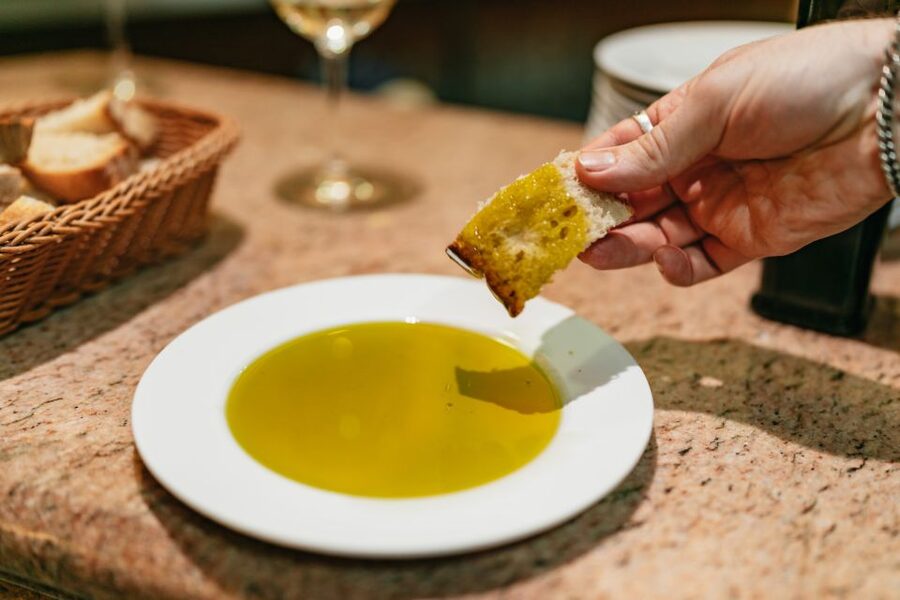
This stop tends to stand out because guides may explain the process before you taste, which makes small differences feel big. When you understand what you’re tasting—like how an oil-driven dish should taste—you enjoy it more.
Consideration: if you prefer lots of history talk, this portion may feel more focused on the food itself than on sweeping storytelling about Spain.





Century-old bodega: a classic setting for Iberian-style eating
The last stop type is a century-old bodega. That’s not a throwaway detail. In Spain, the room you eat in shapes the mood, and bodegas are built for slow snacking, cured meats, and the kind of atmosphere where a drink actually belongs.
This is where classic Iberian flavors usually land best. Think along the lines of Iberian ham, cured meats, and other tapas that benefit from a slower pace and a more traditional dining room.
Possible drawback: bodegas can feel warmer and more enclosed. If you’re sensitive to heat, plan to wear layers and keep moving between tastings.
What 10–12 tapas tastings means for your appetite
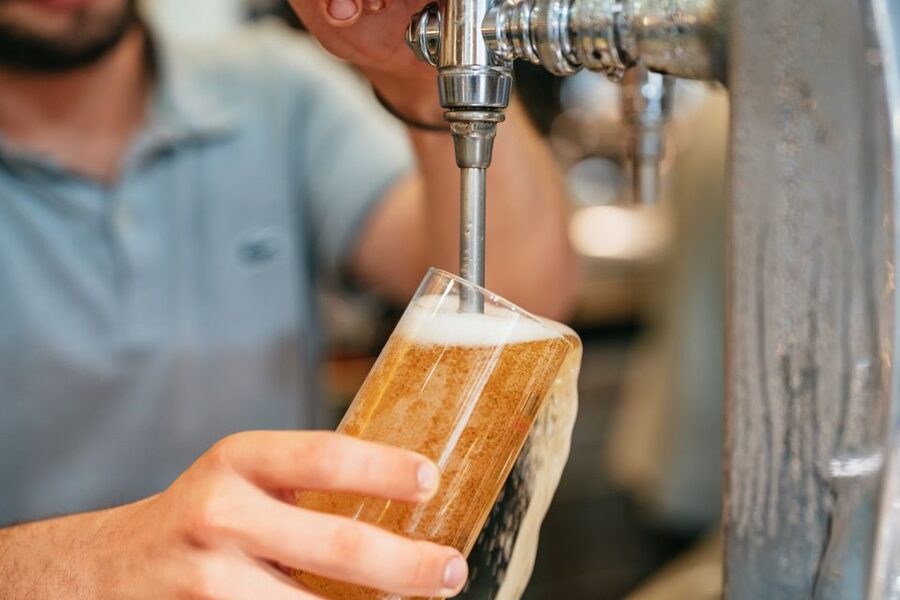
The tour includes 10–12 tapas tastings across four locations, plus a house drink at each stop. For most people, that adds up to a proper food outing, not a light nibble.
You can expect typical Madrid tapas themes such as:
- Spanish tortilla
- Iberian cured meats, including Iberian ham
- Seafood dishes
- Extra virgin olive oil-forward bites
- Madrid-style pork belly
The key is variety. You’re getting the common favorites, plus enough different styles that you’re not stuck with one flavor profile all night. That’s especially helpful on a first visit to Madrid, when you want to sample broadly and then know what to seek later on your own.
Practical note: tapas tastings are small by design. Even so, the tour is structured so you won’t feel like you’re going hungry. People also mention there’s plenty of food even for the hungriest appetites.
Four house drinks: vermouth, beer, wine, sangria—and why it matters
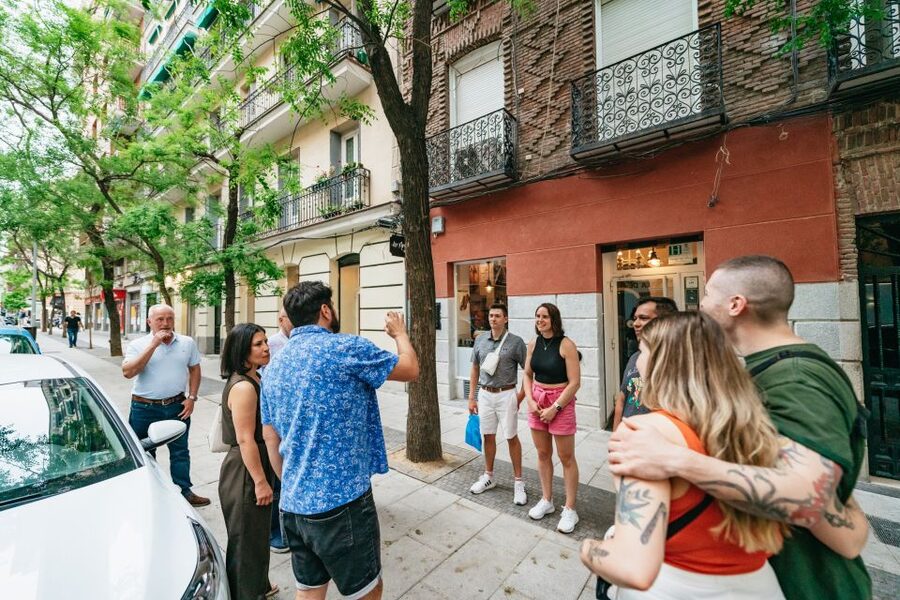
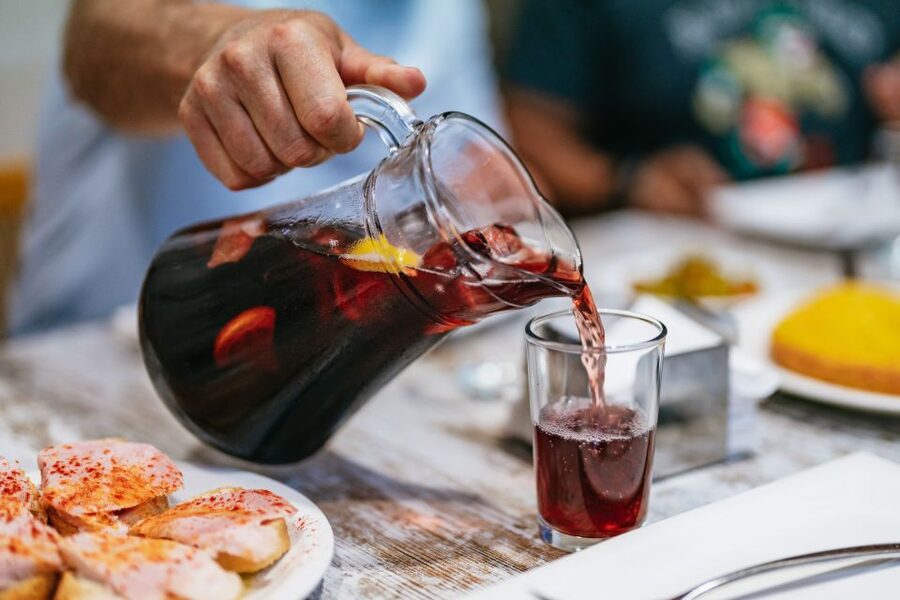
Each location includes one house drink, and the list in the experience highlights that you might see options like beer, wine, vermouth, and sangria. That drink-per-stop structure is a smart way to learn pairing: you’re tasting flavors, then immediately tasting how the drink shifts your perception.
If you like vermouth, this matters. Vermouth isn’t just a drink here—it’s part of the tapas rhythm, often pushing saltiness and fats into a cleaner finish.
If you don’t drink alcohol, you’ll need to plan a bit. The tour doesn’t say that non-alcoholic drinks are guaranteed. That said, people report that a couple who didn’t eat pork or drink alcohol were supported during the experience, which suggests the guide may help manage alternatives depending on what the venues can do.
Also: water isn’t automatically mentioned. One practical comment was that water wasn’t provided unless you asked. If you want it, ask early.
Guides can make or break a food tour

Food tours live or die by the guide’s pacing and personality, and this one has a strong pattern of praise around the people leading it. Names that come up include Ioanna, Raúl, Alberto, and Amara, and that’s useful because it signals consistency: the guides aren’t just reading scripts.
What you’re paying for here is cultural translation. One good example from the experience is that some guides share the process before you taste, which turns a bite into a lesson. Another theme is that guides help the group connect—so you’re not standing around quietly while everyone eats.
A fair consideration: some people wanted more background on the history of tapas itself. So if your priority is the origin story of tapas, this tour may satisfy your food curiosity more than your textbook curiosity.
Meeting point and pacing: what to know before you set off
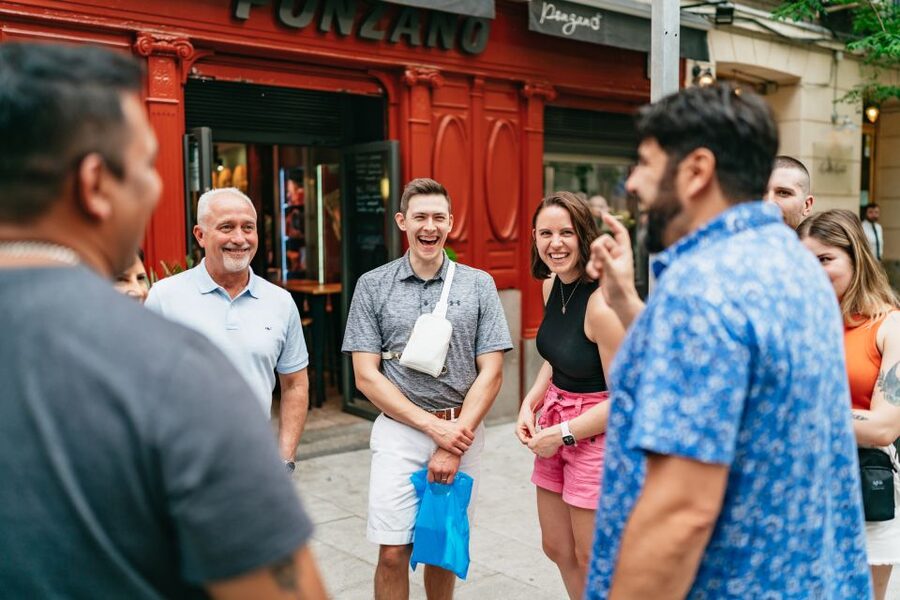
You meet outside the apartment entrance by the Alonso Cano elevator subway exit (Line 7), and the tour ends back at the meeting point. That matters because it keeps your evening simple: you’re not juggling another subway stop at the end when you’re full and a bit wobbly.
Bring comfortable shoes. Not because it’s a marathon, but because multiple short walks add up. You’ll also be standing for parts of the tasting rhythm, and Madrid’s nightlife mood is easier when your feet aren’t mad at you.
The activity is described as child-friendly, which can be a good sign for families looking for a food-focused outing rather than a late-night club scene. If you’re traveling with kids, just expect a guided structure and a set time window.
Price and value: is $81 a good deal?
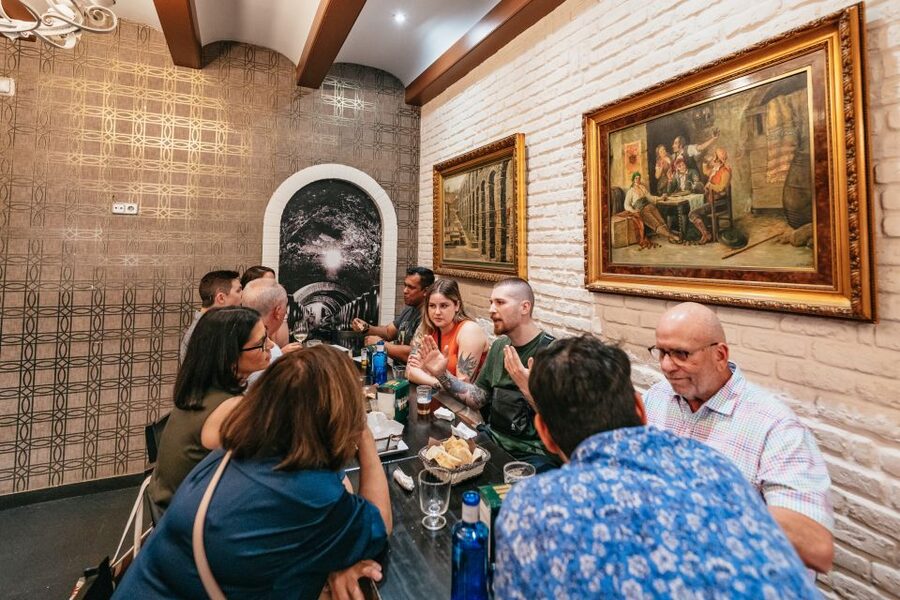
Let’s break down the math without getting too spreadsheet-y.
You’re paying $81 for:
- A live English guide
- A tapas crawl across four locations
- 10–12 tapas tastings
- One house drink per location (so four drinks total)
That’s strong value if you compare it to buying tapas and drinks separately at high-traction spots. You’re also getting guidance on what to order and where, which is hard to replicate if you’re trying to self-tour your first night.
Is it pricey? It’s not cheap. But if you like the idea of eating multiple kinds of tapas in a short window, the value is in the structure: fewer decisions, better pacing, and more variety than you’d likely pull off on your own without already knowing Madrid’s bar scene.
Who this tour suits best
This is a great fit if you want:
- A first-night Madrid plan that teaches you how tapas works
- A food experience that includes classic hits like tortilla and cured ham
- Social time with people from different countries while you snack and drink
- A guided option that keeps you out of the guesswork
It’s also a good pick if you have dietary restrictions. The experience notes accommodations being made for people with needs such as no yeast and different eating preferences like pescatarian and vegetarian. You should still communicate your needs clearly, because each bar’s options can vary.
Where it might not match your style: if you hate group settings or you want long, slow meals with lots of time in one place, the structured crawl format may feel a bit fast.
Practical tips to make your night smoother
A tapas crawl is simple once you’re set up for it. Here’s how to make it better:
- Wear comfortable shoes and plan for standing between tastings.
- Go in hungry. The food is plentiful, but you’ll enjoy it more if you arrive ready to eat.
- If you want water, ask for it. Don’t assume it appears automatically.
- Tell the guide about dietary needs at the start so they can coordinate with venues.
- Bring a normal nighttime attitude: you’re there to taste, chat, and learn by eating.
Should you book this Madrid tapas tour?
If you’re planning your first or second night in Madrid and you want a guided route to some genuinely local-feeling bars and bodegas, I’d book it. The best reason is the mix: 10–12 tastings + four drinks across different stop styles, led by guides who consistently get high marks for friendliness and for helping you connect.
Skip it only if you’re mainly chasing a deep academic explanation of tapas history or you prefer long sit-down meals over bar-hopping. Otherwise, this is exactly the kind of night that helps you understand Madrid faster—one tortilla bite, one cured-meat plate, and one drink pairing at a time.
FAQ
Where does the tour start and end?
You meet outside the apartment entrance by the Alonso Cano elevator subway exit (Line 7), and the tour ends back at the same meeting point.
How long is the Madrid tapas tour?
The tour duration is 3 hours.
How many places do you visit?
You visit 4 different locations, described as historic bars and bodegas, plus different types of venues including a market-cuisine restaurant, a typical neighborhood bar, a contemporary slow-food tavern, and a century-old bodega.
What’s included in the price?
The tour includes a guide, the tapas bar crawl, 10–12 tapas tastings, and one house drink per location visited.
What drinks and tapas should I expect?
You can expect traditional tapas such as Spanish tortilla and Iberian ham, along with other typical items like seafood, extra virgin olive oil, and Madrid-style pork belly. Drink options may include beer, wine, vermouth, and sangria.
Is the tour offered in English?
Yes, the live tour guide speaks English.
Is it good for families and kids?
The activity is described as child-friendly.
What should I bring?
Wear comfortable shoes.
Can the tour accommodate dietary restrictions?
The tour data doesn’t list a formal menu or categories, but guides have been reported to accommodate different dietary needs, including no yeast and preferences such as pescatarian and vegetarian. Tell the guide your needs at the start.