REVIEW · MADRID
Madrid: Paella & Tapas Cooking Class and Market Visit
Book on GetYourGuide →Operated by Devour Tours · Bookable on GetYourGuide
Your paella starts at the market door. This 3.5-hour Madrid class blends a local market visit with a hands-on cooking session in a private kitchen, including vermouth as an aperitivo and a Valencia-style paella lesson.
I especially love the market walk—you’re shopping for real ingredients with guidance, not just taking photos. I also love the small-group kitchen setup, where chefs like Dan, Benny, Danny, and Arantxa are praised for clear teaching and steady support while you cook.
One important consideration: this experience isn’t suitable for everyone with mobility needs (no wheelchairs or strollers), and kids under 12 aren’t recommended because of sharp knives and hot stoves.
In This Review
- Key takeaways before you go
- Market Morning: Picking Paella Essentials in a Century-Old Madrid Market
- From Huertas Backstage to a Private Kitchen With the Chef Waiting
- Vermouth Like a Local: Sweet Aperitivo Rules You Can Reuse
- Basque Tapa and Cheese Plate: Training Your Palate for What Comes Next
- Croquetas and Patatas Bravas: Two Tapas Skills That Actually Travel Home
- Paella Valenciana Lesson: How to Spot the Real Deal
- Lunch With Beer or Wine, Plus Dessert Fruit
- Price and Value: What $112 Really Buys You in Madrid
- Who This Class Suits Best (and Who Should Skip It)
- Should You Book This Madrid Paella & Tapas Cooking Class?
- FAQ
- How long is the Madrid paella and tapas cooking class?
- How big is the group?
- What do I get to cook and eat?
- Is the tour guided in English?
- Can vegetarians or pescatarians join?
- Are vegan, gluten-free for celiacs, or lactose-free options available?
- Is hotel pickup included?
- Is the class suitable for children?
Key takeaways before you go
- Market-to-kitchen flow: you shop, then you cook with what you bought
- Vermouth aperitivo in the kitchen: learn how locals drink it with a proper snack
- Hands-on tapas practice: croquetas and patatas bravas plus homemade sauces
- Real paella guidance: you’ll learn what makes paella Valenciana authentic
- Small group size (12 or fewer): more attention while you’re actively cooking
Market Morning: Picking Paella Essentials in a Century-Old Madrid Market
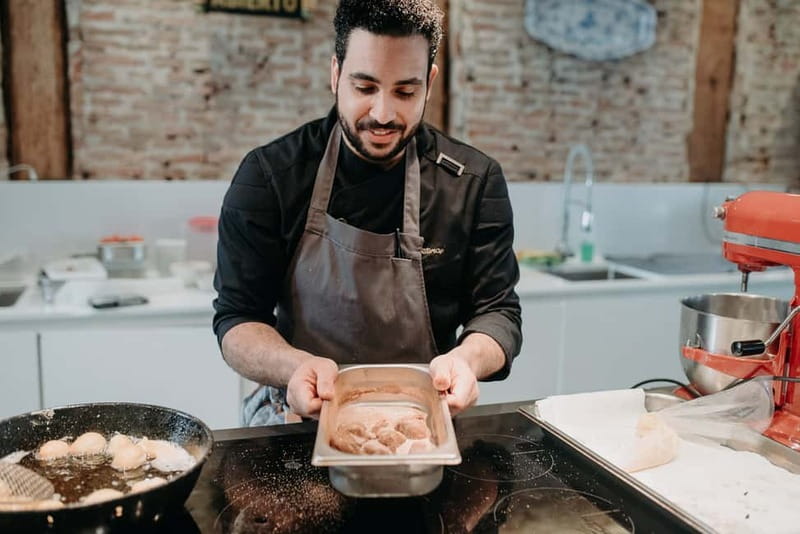
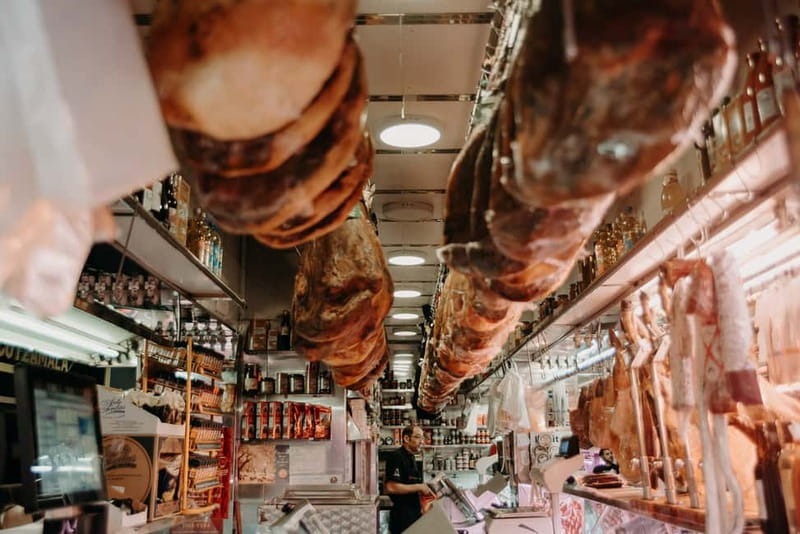
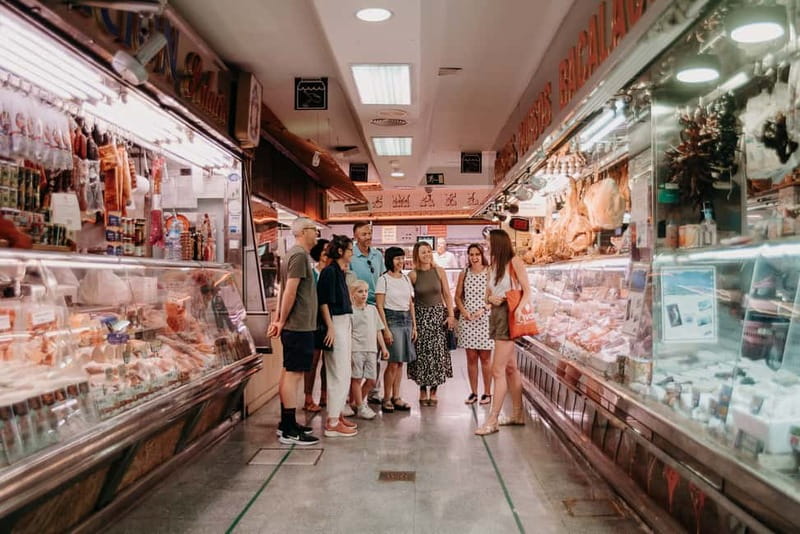
I like a cooking class that starts where the flavor actually begins. Here, you meet near one of Madrid’s most historic markets, the kind where neighborhood shoppers have been coming for generations. The point isn’t just to see stalls. It’s to understand what Spanish home cooks look for when they’re building a meal from scratch.
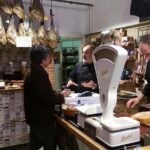
Inside, you’ll get a guided walk through high-quality Spanish products—the building blocks of the dishes you’ll make later. You can chat with vendors, and you’ll have time to select fresh ingredients to bring into the cooking space. That “choose your ingredients” step matters. It turns the rest of the class from a performance into something you can repeat at home, even if your grocery store isn’t stocked like Madrid’s.
Practical note: market time also means you’ll be doing some walking on the way in and out. Wear comfortable shoes and keep your hands free if you plan to carry any packaged items.
You can also read our reviews of more tours and experiences in Madrid.


From Huertas Backstage to a Private Kitchen With the Chef Waiting
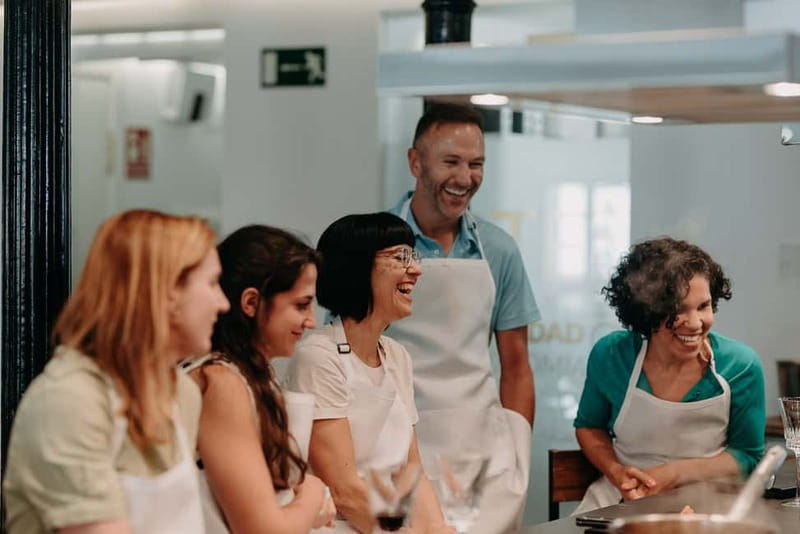
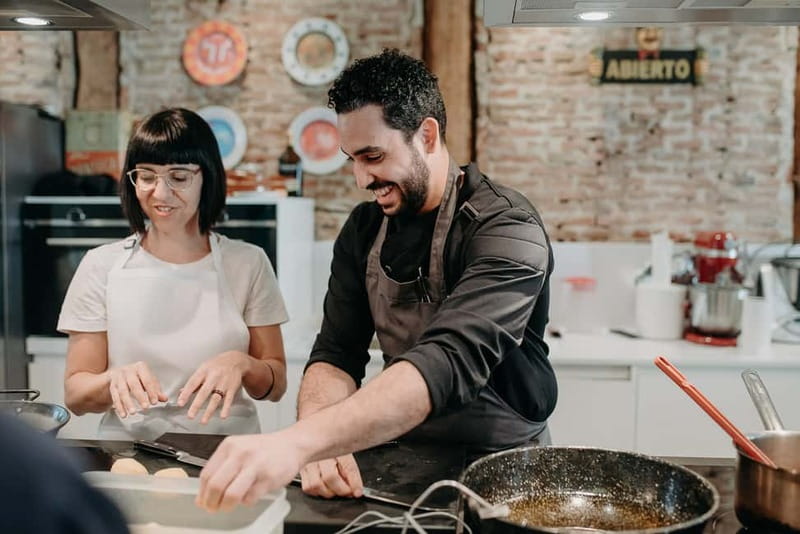
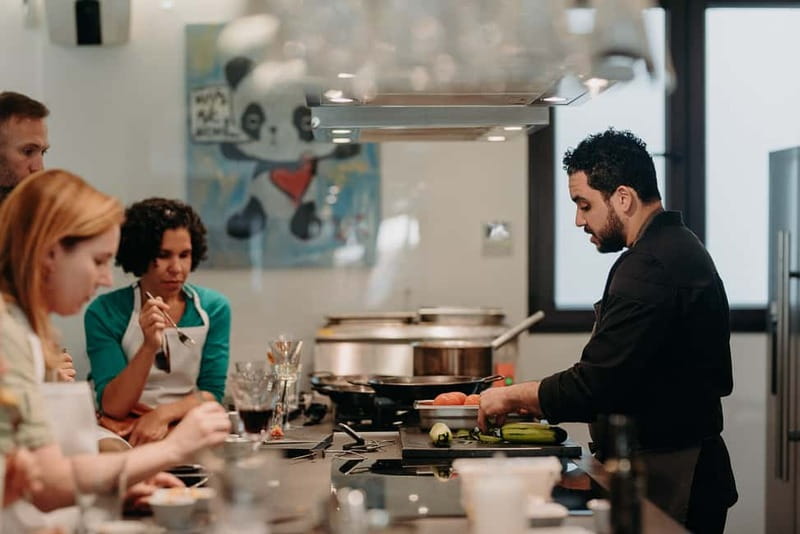
After the market, you head behind the scenes of a beloved local restaurant in Madrid’s Huertas neighborhood. This isn’t a classroom with counters lined up like a cooking show set. You move into a reserved cooking space for a small group, where a chef is waiting for you and the workflow is designed around real cooking.
In the kitchen, you’ll start with an aperitivo routine: sweet vermouth plus a snack. One review specifically calls out how attentively the chef watches for needs, like near-empty glasses. That tells you the tone of the experience: hands-on, yes, but also relaxed and well managed.
This is also where the class starts to feel different from a typical “watch and taste” tour. You assemble items, you prep, and you cook while you learn. In feedback, chefs are consistently praised for how supportive they are while people are learning something new—especially with steps that can go wrong if you rush them.
Vermouth Like a Local: Sweet Aperitivo Rules You Can Reuse
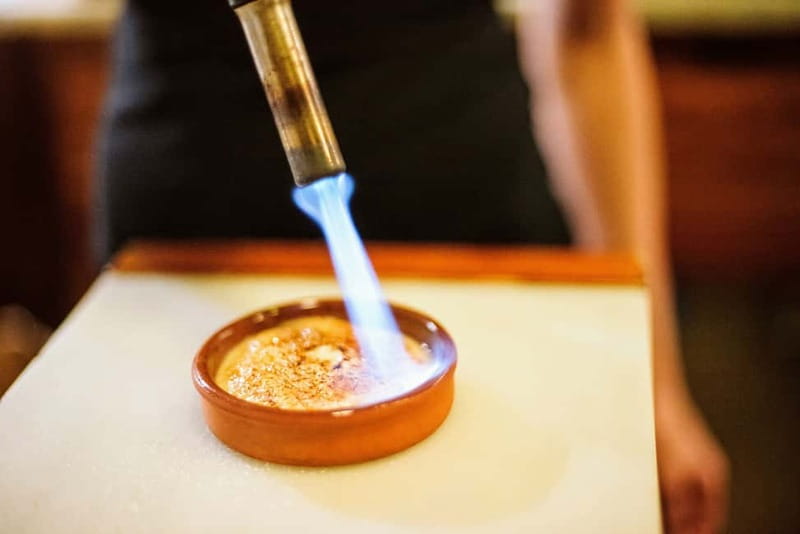
Spain’s vermouth culture isn’t just about the drink. It’s about timing and balance. During the kitchen aperitivo, you’ll taste Spanish vermouth and learn how to drink it like the locals—paired with the right moment and the right small bites.
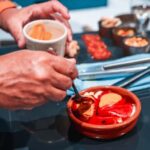
You also build a cheese plate and a traditional tapa from the Basque region before you start cooking. That sequence is smart. It gives you a taste of Spanish “tapas logic” right away: start with something salty and shareable, then move into warm cooked dishes.
If you like the idea of ordering a vermouth in Madrid later without feeling clueless, this part is a real payoff. It’s the kind of cultural detail that turns into an everyday habit instead of a one-time novelty.
Basque Tapa and Cheese Plate: Training Your Palate for What Comes Next
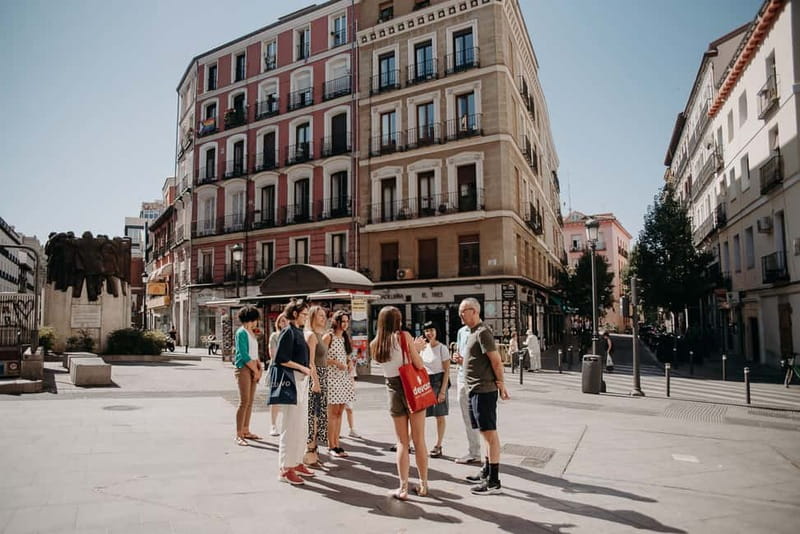
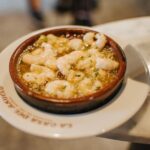
The class doesn’t throw you straight into paella. It warms you up with a Basque-style tapa and a cheese plate, so you understand the rhythm of an authentic meal: small plates, shared bites, and a mix of flavors before the main course.
From a practical point of view, this also helps you learn with your senses turned on. When you’re later cooking croquetas or bravas, you’ll have a better feel for texture and seasoning because you’re already tasting Spanish components throughout the session, not only at the end.
And yes, there’s a social side here. Shared plates and small-group cooking tend to create an easy group vibe. That matters in a class like this because it’s active. You want a room where people help, laugh, and keep moving.
Croquetas and Patatas Bravas: Two Tapas Skills That Actually Travel Home
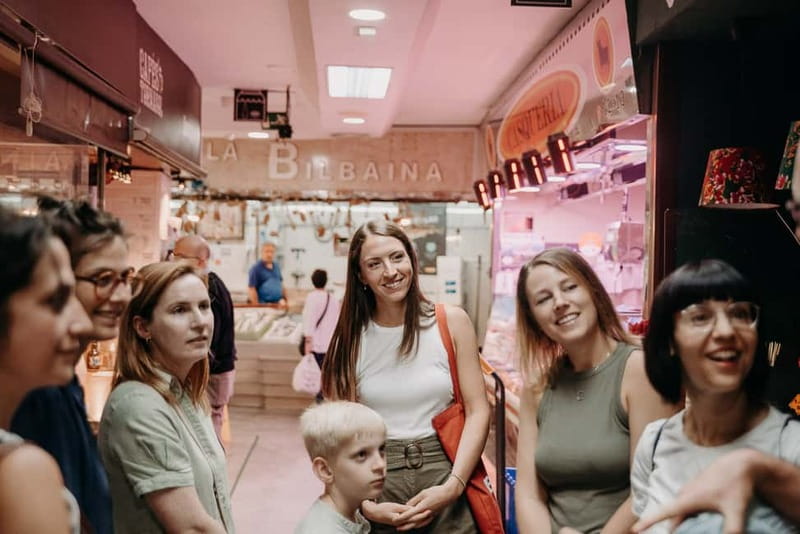
Now you get hands-on. You’ll work elbow to elbow in a small group to prepare two classic Spanish tapas:
- Homemade croquetas
- Patatas bravas with two homemade sauces
This is where the class earns its value for home cooks. Croquetas are often intimidating until someone shows you the practical rhythm—how the batter/mixture should feel, how to manage consistency, and what to watch for so they don’t end up bland or heavy. Patatas bravas, meanwhile, is all about balance: potatoes that are properly cooked and sauces that taste layered, not one-note.
The two-sauce approach is especially useful. A lot of bravas recipes end up being one sauce plus an afterthought. Here, you’ll build sauces yourself, which means when you recreate it later, you can adjust flavors with confidence.
One review also points out that people often eat a lot during the class and that there are generous portions. Even if you’re not a huge eater, plan on feeling satisfied by the end. This isn’t just a few bites and a photo.



Paella Valenciana Lesson: How to Spot the Real Deal
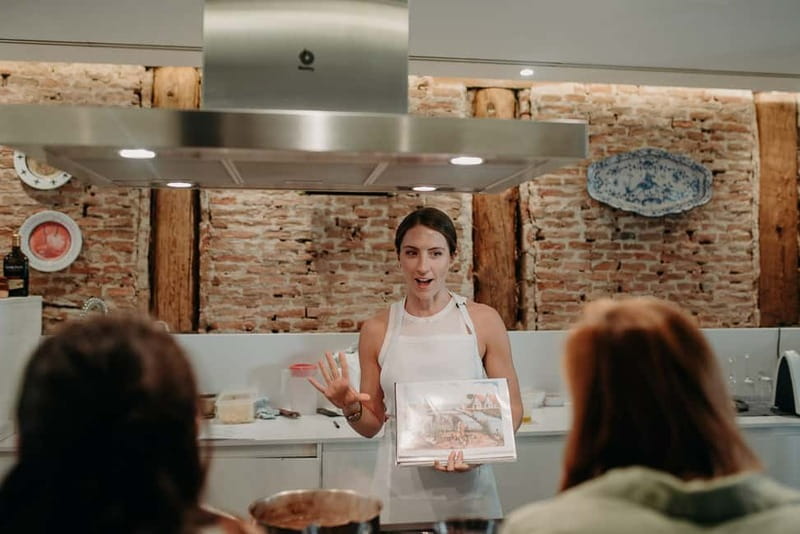
The main course is authentic paella from Valencia. You’ll cook it and you’ll also get guidance on what makes paella Valenciana authentic.
Why I think this is one of the best parts of the class: paella is famous enough that a lot of places treat it like a generic rice dish. Here, you’re taught the history and practical cues for spotting true paella Valenciana. That shifts you from “I ate paella” to “I know what to look for when I order paella again.”
You’ll also use all your senses while cooking—smell and taste matter with rice and saffron-based flavors, and the texture of the final dish is a huge clue to whether it was done with the right approach. If you’ve ever wondered why some paella tastes deeper and looks more even, this kind of instruction makes the difference click.
And because the class is small, you’re not just listening—you’re actively cooking while the chef explains what’s happening and why.
Lunch With Beer or Wine, Plus Dessert Fruit
After cooking, you sit down to enjoy your homemade lunch. You’ll eat what you made—paella and the tapas you prepared—plus seasonal fruit from the market for dessert.
Drink options include beer or wine. Several reviews mention plenty of white wine and vermouth during the experience, which fits with the idea that you’re not paying for “tiny tastes.” You’re paying for a meal you can actually feel good about.
One extra detail worth noting from feedback: some people mention taking away portions. The class clearly leaves you with more than just memories, which is always nice after an active cooking session.
If you’re the type who likes to share recipes with friends later, you’ll also appreciate that one review mentioned a PDF cookbook with detailed instructions. That’s the kind of practical follow-through that keeps the experience from evaporating by day two.
Price and Value: What $112 Really Buys You in Madrid
$112 per person is not a bargain, and it also isn’t just a ticket to a kitchen. You’re paying for a full “food day” in 3.5 hours: market visit, guided ingredient selection, a private reserved cooking setup, chef-led instruction, multiple dishes made by you, and drinks.
Here’s what makes it feel like value instead of just cost:
- You’re not repeating one recipe. You’ll make three tapas plus paella, then finish with fruit dessert.
- The market component is included, so you’re learning how ingredients are chosen, not just how they’re cooked.
- The group is capped at 12 people or fewer, which means more attention when techniques get tricky.
If you’re comparing this to a basic walking food tour, this is more hands-on and more filling. If you’re comparing it to a private cooking class, this still feels like an upgrade because the instruction is structured around cooking, not sitting and watching.
Who This Class Suits Best (and Who Should Skip It)
This works best if you want more than sightseeing. You’ll enjoy it most if you like learning through action—chopping, stirring, plating, tasting, and asking questions while you cook.
It’s also a solid choice if you care about local food culture. The vermouth aperitivo and the paella Valenciana lesson are not random extras. They’re practical, and they help you order and eat better once you’re back on your own.
Skip it (or pick a different option) if any of these are true:
- You need wheelchair access or stroller-friendly routes (this class isn’t suitable).
- You have lactose intolerance or gluten intolerance (and it’s not suitable for those situations as described).
- You need a vegan option (not suitable).
- You’re traveling with children under 12 (not recommended due to kitchen hazards).
Diet flexibility is good for some travelers. The class is adaptable for vegetarians, pescatarians, gluten-free (not celiacs), non-alcoholic options, and pregnant women. If you have allergies, you’ll need to contact the provider so they can arrange ingredients.
Should You Book This Madrid Paella & Tapas Cooking Class?
I’d book it if you want a meal that’s hands-on, taught well, and tied to real Madrid food shopping. The combination of market selection, a chef-led kitchen session, and a focused paella Valenciana lesson makes it more than a one-night dinner activity.
I’d hesitate if you’re dealing with mobility constraints, lactose/gluten intolerance, or you’re traveling with kids under 12. In those cases, the rules around the kitchen environment and dietary fit matter more than the menu.
If you can match those basics, this one is easy to justify. You’ll leave with recipes you can repeat, a better sense of Spanish eating rhythms, and the confidence to order paella like you actually know what you’re looking for. And if your plans are flexible, you can reserve now and pay later, with free cancellation up to 24 hours in advance.
FAQ
How long is the Madrid paella and tapas cooking class?
The experience lasts about 3.5 hours.
How big is the group?
It’s designed as a small group of 12 people or fewer.
What do I get to cook and eat?
You’ll cook an authentic Valencia-style paella and make three tapas (including homemade croquetas and patatas bravas with two sauces) plus a dessert of seasonal fruit. Lunch is included, and you’ll also have drinks.
Is the tour guided in English?
Yes, it has a live tour guide in English.
Can vegetarians or pescatarians join?
The experience is adaptable for vegetarians and pescatarians.
Are vegan, gluten-free for celiacs, or lactose-free options available?
It is not suitable for vegans, people with gluten intolerance, or people with lactose intolerance. Gluten-free is mentioned as adaptable, but it is not stated as suitable for celiacs.
Is hotel pickup included?
No, hotel pickup and drop-off are not included.
Is the class suitable for children?
It’s not suitable for children under 12 due to the presence of sharp knives, hot stoves, and high surfaces.