REVIEW · MADRID
Madrid: Small Group Tour with Tapas & Drinks
Book on GetYourGuide →Operated by ArtistaTours · Bookable on GetYourGuide
Tapas tastes better when the route is local. On this small-group Madrid walking tour, I like the way it pairs classic sights with stops where locals actually eat, so your time feels practical instead of just scenic. I also love the freedom to order what you want during the tapas break, with no preset menu telling you what your night should cost.
One thing to plan for: food and drinks are not included, so your final total depends on what you choose to order. If you want to keep spending tight, go in with a simple plan for how many bites and drinks you want during the restaurant stop.
In This Review
- Key highlights you should know
- Entering Madrid’s food-and-sight rhythm near Lope de Vega
- Sol to Petit Palace: getting oriented without wasting time
- Plaza Mayor and Arco de Cuchilleros: classic icons with local framing
- Calle del Codo: the kind of street detail that makes the whole tour click
- The 45-minute tapas break: order freely, taste what you like
- Practical tips for getting the most from the tapas stop
- Plaza de la Villa to Almudena: history stops that don’t feel like homework
- Royal Palace and Plaza de Oriente: a strong finish for your photos
- What you gain from a guide who connects food, culture, and street life
- Price and value: $34 for the walk, plus your tapas choices
- Who this tour fits best
- Should you book this Madrid tapas small-group tour?
- FAQ
- How long is the Madrid tapas and drinks walking tour?
- Where do I meet the group?
- How many people are in the group?
- What languages are the live guides available in?
- Are food and drinks included in the price?
- Is there a preset menu for the tapas stop?
- What sights are included on the walk?
- Where does the tour finish?
- Is the tour wheelchair accessible?
- Can I cancel and get a refund?
Key highlights you should know
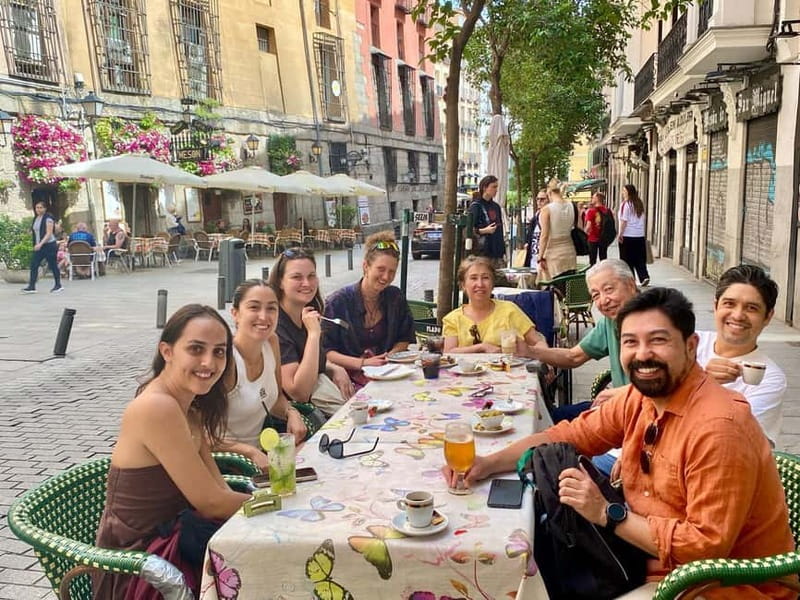
- Small group up to 10 people, so questions and conversation are actually possible
- Avoids tourist traps and aims for places known for good quality at fair prices
- No preset menu: you pick food and drinks and pay only for what you order
- Lots of quick, useful photo-and-context stops across central Madrid
- Guide storytelling that ties history to everyday food culture, with strong feedback for guides like Lina and Cesar
- A 45-minute restaurant break designed for a real local pace, not a rushed conveyor-belt stop
Entering Madrid’s food-and-sight rhythm near Lope de Vega
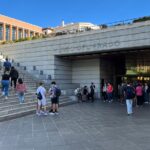
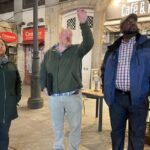
The tour starts at the entrance of the Lope de Vega House-Museum on Calle de Cervantes (Calle de Cervantes, 11). This is a smart starting point because it’s close enough to Madrid’s central “walking zone” that you can settle in fast, but it’s also not just a random meeting pin on a plaza.
From the first minutes, the vibe is clear: this is a walk that uses the city’s streets as your guidebook. You don’t just hear facts. You get the why behind them—how Madrid neighborhoods developed, where people gravitated for meals, and how tapas culture fits into daily life. If you like tours that help you understand where you’re standing, this format works well.
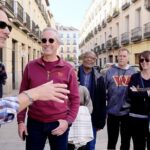
Also, you’re not stuck in a huge group. With a max of 10 participants, the guide can slow down for questions and keep the group together without the usual speed-walking chaos.
You can also read our reviews of more tours and experiences in Madrid.


Sol to Petit Palace: getting oriented without wasting time
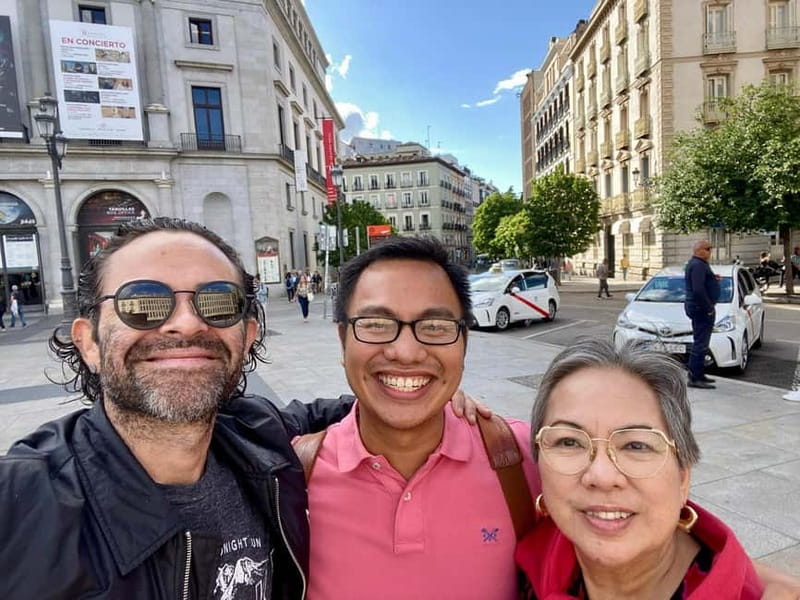
Your first real “Madrid postcard” moment is Sol, Madrid. You’ll have a photo stop plus guided context, then you move on. Sol is one of those places that can feel overwhelming if you’re on your own, because it’s crowded and everything is happening. In a guided setting, it’s easier to learn what matters: the direction of major streets, how people move through the center, and why Sol sits at the heart of daily city life.
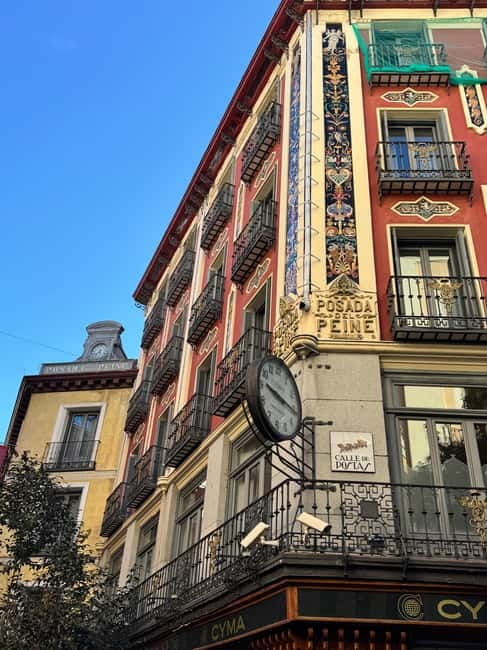
Next comes Petit Palace Posada del Peine. You stop for another photo moment and short guided insight. This kind of stop is useful even if you’re not hunting for a specific building to tour inside. You’re basically collecting visual anchors while learning what you’re looking at. It helps later when you return to these streets on your own and recognize the details.
Then you head to Calle de la Salud, another quick photo stop with guided explanation. Streets like this are where Madrid’s food culture shows up in real life. Instead of treating tapas like a themed activity, you start seeing the city as a network of small habits: where people pause, where they snack, and how daily routines shape where restaurants thrive.
Why these short stops matter: Madrid is made for walking. If your tour rushes long distances with no context, you end up tired and confused. If it’s too slow, you lose momentum. This schedule hits a practical middle.
Plaza Mayor and Arco de Cuchilleros: classic icons with local framing
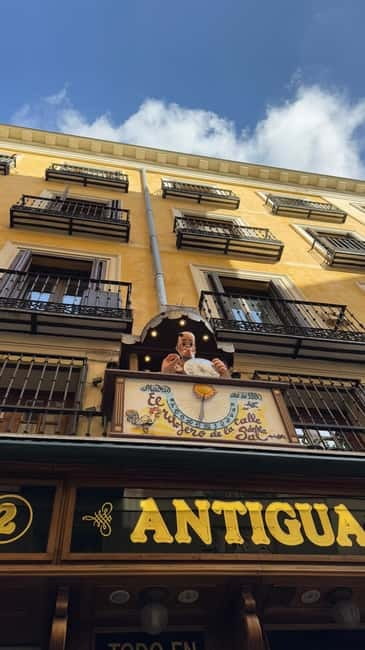
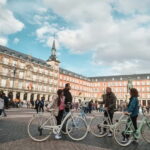
You’ll reach Plaza Mayor next. This is one of Madrid’s most recognizable squares, and yes, you’ll get the photo stop and guided tour moment you’d expect. What makes it more than a generic stop is the emphasis on connecting the public spaces to how people used to gather for food, conversation, and city life.
Plaza Mayor can be tourist-heavy, so the value of a guide here is timing and interpretation. You don’t need a long explanation to see the grandeur. You need help understanding how squares like this connect to eating culture—where people met, how businesses benefited from foot traffic, and why certain neighborhoods kept their restaurant identities through the years.
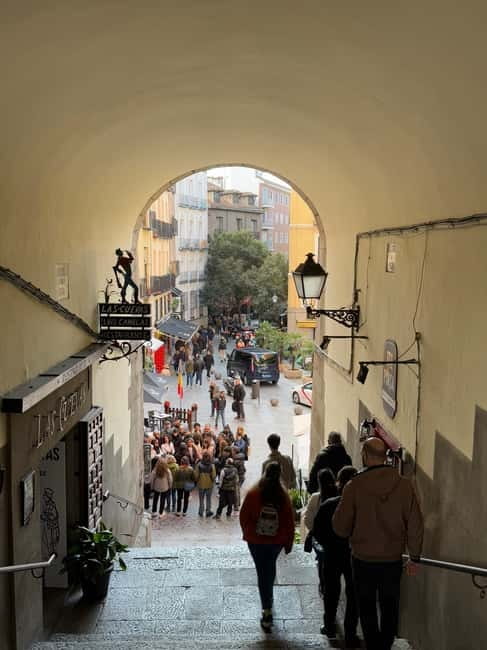
After that, you pass Arco de Cuchilleros. Another photo stop, another short guided segment. Arches and small passageways matter in Madrid because they’re often the routes that lead from “main” space into the more intimate, local-feeling streets where tapas happens. You start noticing how the city changes its personality block by block.
Calle del Codo: the kind of street detail that makes the whole tour click
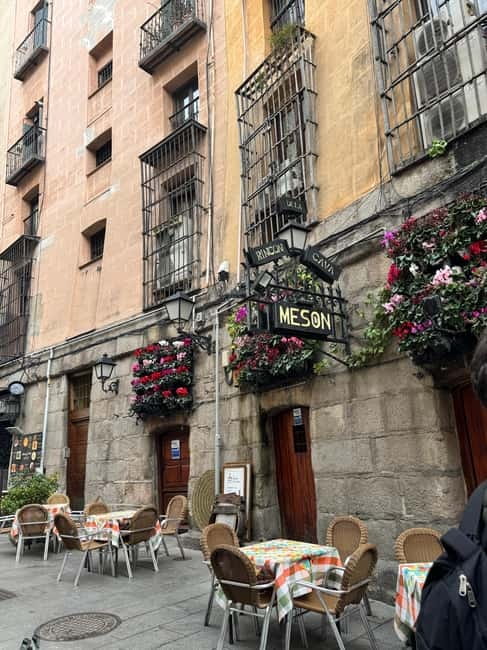
Calle del Codo is a quick stop, but it’s the kind of street name and street shape that makes you pay attention. The guide’s job here is to help you see why these smaller streets and quirks matter. In a food-focused tour, these details aren’t random trivia—they’re the geography of how people actually move between home, work, and bars.
When you’re walking in a group, it’s easy to think you’ll remember the big sights later. But what sticks with me from tours like this is the street-level stuff: the narrow lanes, the turning points, and the little pocket spaces where a bar makes sense because people naturally pass by.
And that’s the point. This walk is building your city sense so the tapas stop feels earned, not like a detour.
The 45-minute tapas break: order freely, taste what you like
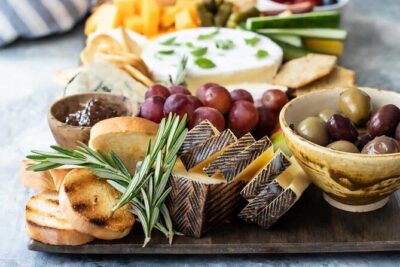
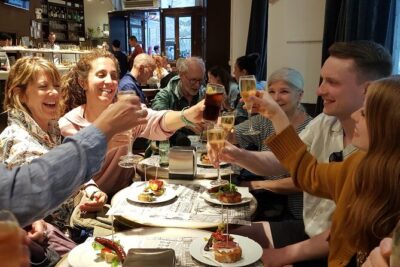
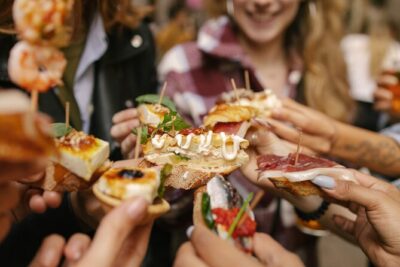
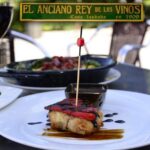
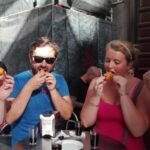
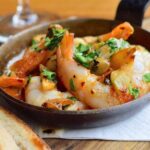
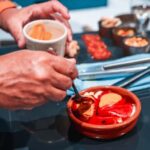
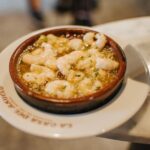
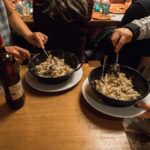
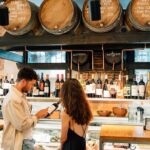
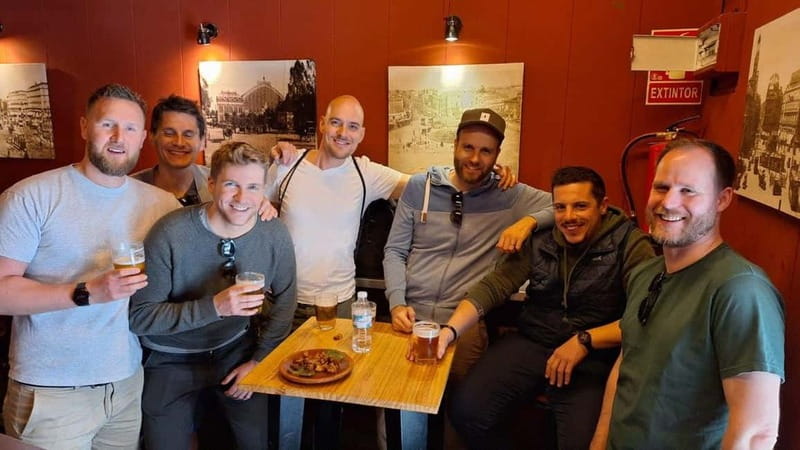
The heart of the tour is the local restaurant stop for beer, wine tasting, and food tasting over 45 minutes. This is where the tour earns its title.
The key detail is that there’s no preset menu. You choose what you want, and you pay for what you order. That’s a big deal for two reasons:
- Control. If you don’t want beer, you don’t have to. If you want more of one thing and less of another, you can.
- Real-world pricing. Since you’re ordering like a regular diner, you’re better able to judge what feels like value in Madrid instead of paying a bundled fixed amount that might not match your appetite.
The guide is also there to help you navigate. Even though you’re free to order, you’re not on your own. The best experience comes when you listen to the guide’s recommendations and then decide what fits your taste.

Practical tips for getting the most from the tapas stop
You only get 45 minutes here, so work smart:
- Start by choosing your main drink idea (beer, wine, or a mix), then add 1–2 food items you want to test.
- If something on the menu sounds unfamiliar, ask the guide what it typically tastes like or how locals think about it.
- If you’re trying to keep your budget under control, plan a number of items before you sit down rather than making decisions mid-meal.
And yes: this is the part where you’ll likely spend extra beyond the tour price, because food and drinks aren’t included. But the trade-off is freedom, and freedom is usually what makes tapas enjoyable.
Plaza de la Villa to Almudena: history stops that don’t feel like homework
After lunch-style tasting, you continue walking through another set of “photo plus context” moments.
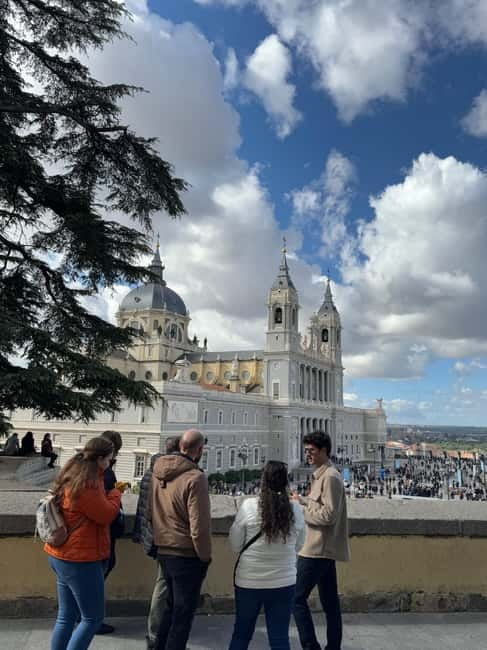
First up is Plaza de la Villa. The guided stop helps you connect the square to the surrounding historic feel. Then you move toward Almudena Cathedral, again with a photo stop and short guided explanation.
What I like about these later stops is that they keep you oriented. You’re not just dropping names of landmarks. You’re getting a sense of how Madrid’s identity layers over time, and how that relates to the city’s habits, including eating out. A tapas culture doesn’t exist in a vacuum. It grows where daily life creates demand for places to gather.
Almudena Cathedral is also a good “breather” stop. Even if you’re not a cathedral person, it gives your eyes a change of pace and a sense of scale after the narrower streets.
Royal Palace and Plaza de Oriente: a strong finish for your photos
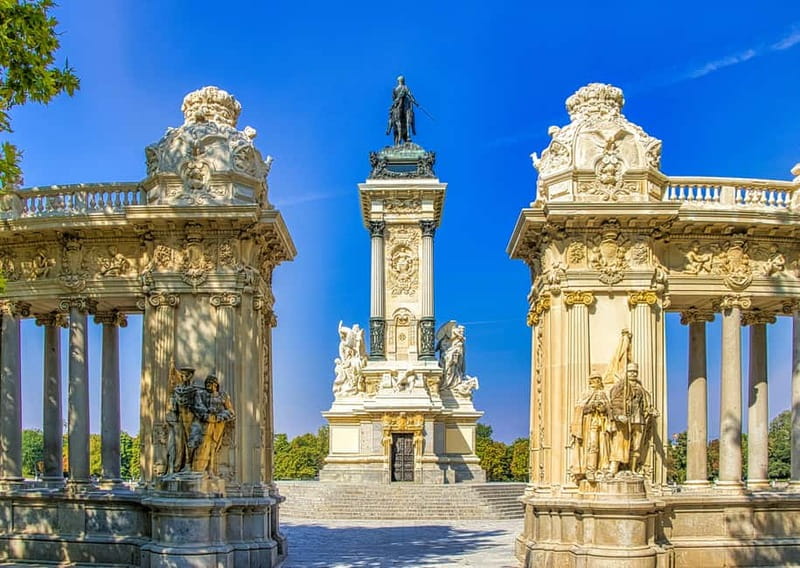
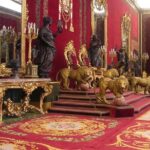
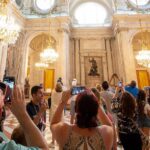
You end near Plaza de Oriente. Before that, you’ll have a guided photo stop at the Royal Palace of Madrid, followed by more context around Plaza de Oriente.
This ending works for most visitors because it’s a place with open space and strong lines for photos. The guided portion helps you spot what to notice, and the location makes it easy to keep exploring afterward. You finish where you can either continue walking on your own or grab a drink nearby if you still want the tapas energy to last.
Why I think the finish location matters: if the tour ends somewhere inconvenient, you spend your last 10–15 minutes thinking about logistics. Ending in Plaza de Oriente keeps you in “vacation mode.”
What you gain from a guide who connects food, culture, and street life
The small-group format is one piece. The guide approach is the other.
Feedback highlights guides like Lina for great restaurant recommendations and a lively, friendly style, and Cesar for excellent storytelling that connects Madrid’s historical and cultural pieces with what you’re eating. That pairing is exactly what turns a food stop into a memorable cultural moment.
Here’s what that means in practice on the street:
- You learn what kind of places to look for after the tour.
- You get a better sense of how tapas culture developed beyond just “order small plates.”
- You avoid the usual pattern of tourist bars that feel generic once the crowd moves on.
And because the guide keeps the group moving through quick, clear photo stops, you don’t waste time wondering what you should be noticing.
Price and value: $34 for the walk, plus your tapas choices
At $34 per person for a 4-hour tour, the price is mainly paying for the guided walk and the curated restaurant stop. Since food and drinks are not included, your total cost will depend on what you order.
So the value question is this:
- If you’d rather pick your own tapas and drinks and not feel trapped by a fixed menu, the “pay for what you order” approach can be a win.
- If you want everything bundled with no decision-making, you may prefer a tour that includes a set amount of food.
What makes this price feel reasonable is the balance:
- you get a professional local guide,
- you get multiple guided photo stops around the center,
- and you avoid tourist-trap pacing.
If you budget sensibly for the restaurant break (instead of ordering impulsively), this can be a strong value way to see Madrid and eat like someone who has done it before.
Who this tour fits best
This tour makes the most sense if you:
- want a local-feeling tapas experience rather than just a checklist of landmarks
- like walking tours with short stops where you learn something each time
- enjoy choosing your own food and drinks, instead of being handed a predetermined set
- want a tour group that’s small enough to ask questions and actually hear the answers
It might be less ideal if you:
- hate making food decisions mid-tour (because you do choose what to order)
- are expecting meals to be fully included in the ticket price
Should you book this Madrid tapas small-group tour?
I’d book it if you want a mix of central Madrid highlights and a tapas stop that feels like it belongs to the city, not just to a tour schedule. The combination of a tight group size, an itinerary that keeps you in the center, and a restaurant break where you choose what you order is a practical formula.
Before you go, just be honest with yourself about one thing: plan for the extra money you’ll spend during the tapas break. If you treat that part as the main event, you’ll likely feel like you got your money’s worth in both sightseeing and food.
FAQ
How long is the Madrid tapas and drinks walking tour?
It lasts 4 hours.
Where do I meet the group?
Meet right at the entrance of the Lope de Vega House-Museum on Calle de Cervantes (Calle de Cervantes, 11).
How many people are in the group?
The group is small, limited to 10 participants.
What languages are the live guides available in?
The tour guide speaks English, German, and Spanish.
Are food and drinks included in the price?
No. Food and drinks are not included. You choose what to order and pay for what you order.
Is there a preset menu for the tapas stop?
No preset menus. You are free to choose your own food and drinks during the restaurant stop.
What sights are included on the walk?
You’ll have photo stops and guided context at major central spots like Sol, Plaza Mayor, Almudena Cathedral, the Royal Palace of Madrid, and Plaza de Oriente, plus several smaller street stops.
Where does the tour finish?
It finishes at Plaza de Oriente.
Is the tour wheelchair accessible?
Yes. It is listed as wheelchair accessible.
Can I cancel and get a refund?
Yes. You can cancel up to 24 hours in advance for a full refund.