REVIEW · MADRID
Madrid Tapas & Paella Cooking Experience with Local Market Visit
Book on Viator →Operated by Devour Madrid Food Tours · Bookable on Viator
Food is the fastest way into Madrid. This market-to-kitchen experience is a smart combo: you shop with a local guide at Mercado de Antón Martín and then cook classic plates like tapas, croquetas, patatas bravas, and paella with a chef. I especially like how you start by choosing quality ingredients in the market, and how the guides teach practical cooking techniques you can repeat at home (people named Arantxa, Daniel, Danielle, and Andrea show up as instructors). The one drawback to note: while it’s hands-on, some portions are shared and you may do light chopping/stirring rather than cooking every step yourself.
You’re also not doing this in a giant classroom. The class is kept small (12 or fewer), and you’ll eat what you make for a proper lunch with fruit dessert and drinks. Plan for a morning start at 10:30 am near Plazuela de Antón Martín, and if you want more personal coaching, it helps to come with a couple of cooking questions ready.
In This Review
- Key Highlights You’ll Care About
- Starting at Mercado de Antón Martín: where Spanish cooking makes sense
- Ferretería Restaurante: the kitchen stop that turns shopping into lunch
- Sweet vermouth aperitivo: the classic start before you cook
- What you’ll cook: tapas basics plus the paella promise
- Croquetas and patatas bravas: learning the sauce game
- Lunch with fruit dessert and beer or wine
- Recipe sheets: how to take the class home
- Price and value: what you’re paying for (and what you’re not)
- Who should book this Madrid tapas and paella cooking class
- Should you book it? My call
- FAQ
- How long is the Madrid tapas and paella cooking experience?
- What’s included in the price?
- Where do I meet for the tour?
- Is the tour offered in English?
- What dietary restrictions can the tour accommodate?
- Is transport included?
- Is it suitable for children?
Key Highlights You’ll Care About
- Mercado de Antón Martín first: shop for the ingredients that shape Spanish flavor
- Small-group class (max 12): better attention at the stove and in the prep work
- Vermouth aperitivo included: a sweet, classic start before you cook
- Lunch plus dessert: not just samples, you’ll sit down and eat
- Technique-focused learning: you’ll learn methods, not just recipes
Starting at Mercado de Antón Martín: where Spanish cooking makes sense
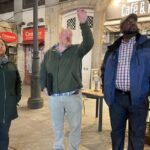
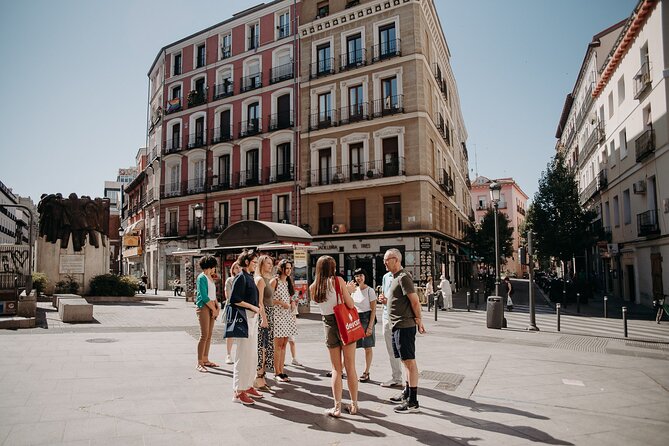
Madrid’s food culture doesn’t begin in a kitchen. It begins in the market. Here, you meet near Plazuela de Antón Martín and head to Mercado de Anton Martin, a historic, neighborhood-style market where residents have been shopping for generations. That matters because Spanish cooking is ingredient-driven. If you’ve ever wondered why a dish tastes like it does in Spain, this is the answer: the produce, the proteins, the pantry staples, all matter.
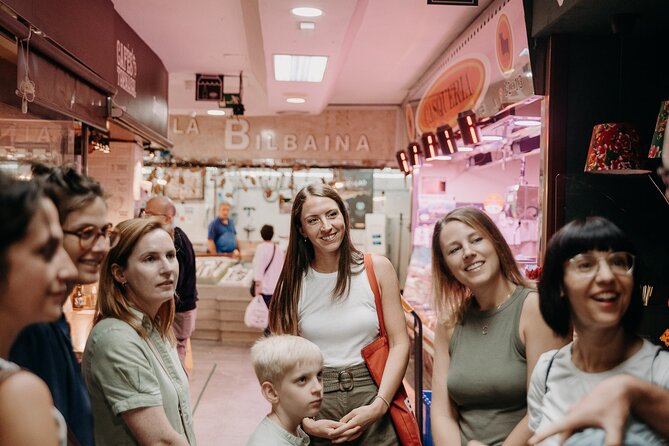
Inside the market, you’re not just browsing. You chat with vendors and pick up fresh ingredients that become the building blocks of the meal. It’s also one of the easiest ways to understand Spanish shopping habits in real life. You see what’s sold, how it’s presented, and what people treat as worth buying at that moment.
A practical tip: ask your guide what you’re looking at and why it matters. The best moments here are the quick explanations that connect market choices to cooking outcomes, like how ingredients behave when heated or how certain flavors balance in tapas.
You can also read our reviews of more tours and experiences in Madrid.

Ferretería Restaurante: the kitchen stop that turns shopping into lunch
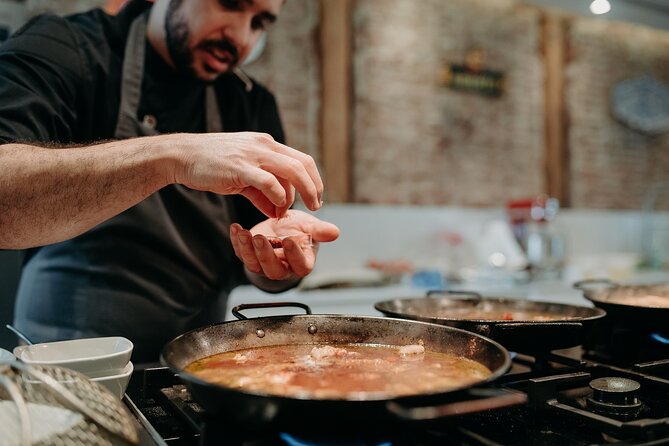
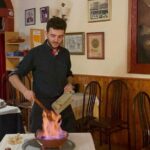
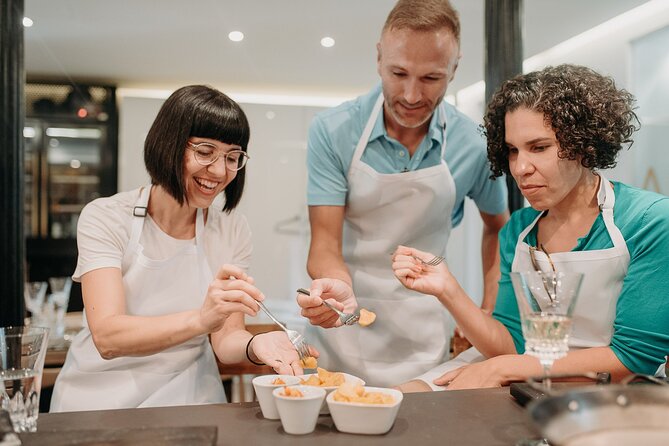
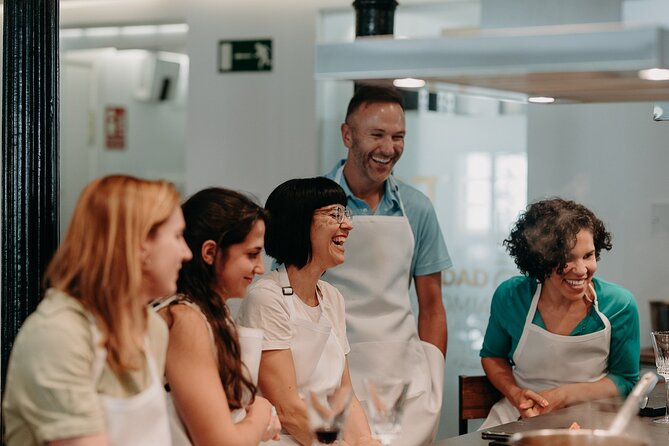
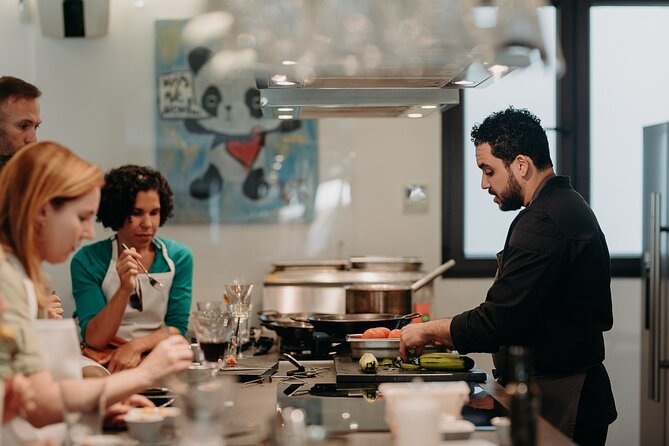
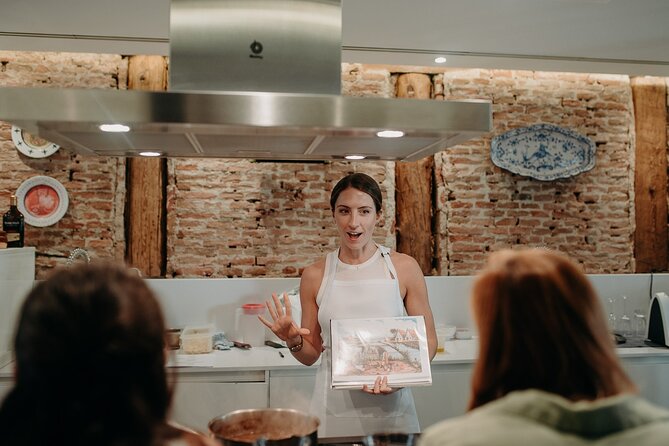
After the market, you head behind the scenes to Ferretería Restaurante in Madrid’s Huertas neighborhood for your cooking portion. This is where the experience shifts from wandering and learning to action. The cooking space is set up for small groups, which helps you actually stay engaged rather than just watching.
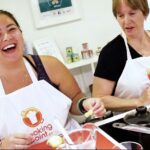
A big value point: you don’t bring ingredients. They’re included. That takes pressure off you and keeps the class focused. You also get a group-based rhythm that’s easier to follow than a self-guided food tour. One person explains. You chop or stir. Then you taste and adjust.
From a practical standpoint, this is also a good option if you want something social without sacrificing structure. Several instructors are mentioned in the feedback, including Arantxa and Andrea, and the vibe described is confident and friendly. You’re in good hands when the guide can explain both the what and the why.
One consideration: because the group is small but still shared, you may not individually drive every step of the dishes. You participate, but some parts may stay led by the chef for speed and consistency.
Sweet vermouth aperitivo: the classic start before you cook
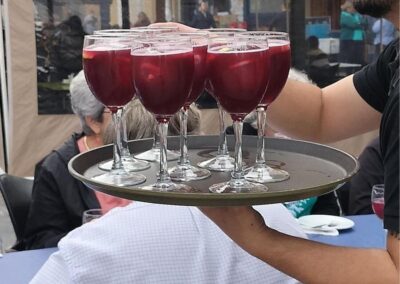
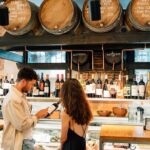
Before you hit the stoves, you’ll enjoy a typical aperitif of sweet vermouth with snacks sourced from the market. This is more than a free drink moment. It’s a Spanish rhythm check.
Think of it as the opening act for the meal. You’re tasting a local style of aperitivo—sweet, lightly spiced, and meant for social time—then you move into the kitchen with the flavors fresh in your head. If you’re the type who wants your food tour to start with something real instead of a lukewarm welcome, this part delivers.
If you prefer not to drink alcohol, you can request non-alcoholic options. That’s helpful when you still want to join the whole experience without skipping the aperitivo segment.
What you’ll cook: tapas basics plus the paella promise
This experience centers on typical Spanish tapas alongside croquetas and patatas bravas, and it’s also marketed as a Madrid tapas and paella cooking experience. In practice, the meal you eat includes paella as part of the cooked lunch, and people consistently describe the paella as excellent.
So what does that mean for you at the counter?
- Tapas-style preparation that teaches you how Spanish plates build flavor in layers
- Croquetas made as a staple comfort food you can re-create at home
- Patatas bravas with two homemade sauces, so you get more than one flavor direction
- A paella portion that rounds out the class as the dish many people come for
Where this shines is technique. You’re not just following steps. You’re getting guidance on how things should look and behave. That’s what lets you repeat dishes later, not just recreate a one-time result.
Croquetas and patatas bravas: learning the sauce game
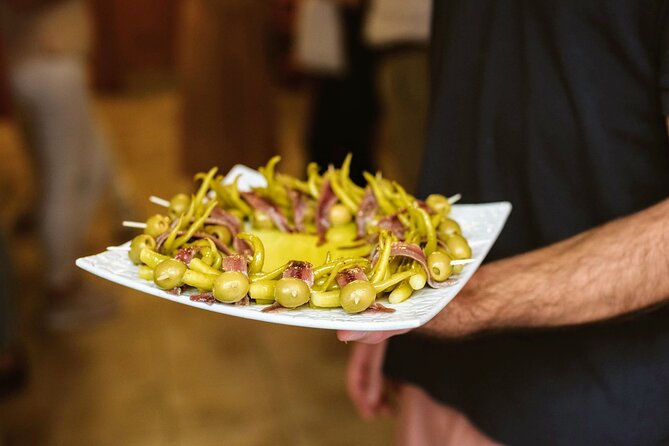
Croquetas are one of those foods that look approachable until you try making them. The work is in getting the texture right and handling the cooking process with patience. That’s exactly why this kind of guided class is worth paying for. A local chef can show you the texture you’re aiming for and how to correct as you go.
Patatas bravas are also a lesson in control. Two homemade sauces means you taste different directions side by side. Bravas is all about contrast: crisp potatoes, bold sauce, and a balance that doesn’t overwhelm. When a class includes both the potatoes and the sauces, you learn how Spanish cooking treats components as equal partners.
If you like practical “how-to,” pay attention to small details while you cook. One note that shows up in feedback: you’ll likely participate with chopping and stirring during the main cooking, but the guide’s coaching is the key part. If you want to be more hands-on, say so early—ask where you can take over and what you should focus on.


Lunch with fruit dessert and beer or wine
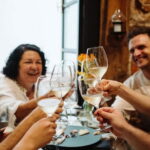
When you’re done cooking, you sit down and eat what you made. The lunch portion is substantial enough to be a full meal, not a snack plate. Dessert is seasonal fruit from the market.
Drinks are included too, with a choice of beer or wine. That matters because it keeps the experience feeling complete. You get to pair what you cooked with what you’re drinking, like the Spanish idea of meal pacing rather than rushing through bites.
One more practical thought: one piece of feedback mentioned paella portions being cleared quickly during the meal. If paella is the dish you care about most, pace yourself and keep an eye on timing so you get your fill.
Recipe sheets: how to take the class home
Here’s the most useful real-world tip from the experience: don’t assume you’ll automatically leave with recipes in-hand. Some participants mention that recipe information is shared after the class, and one suggested making sure you get what you need before leaving.
So do this: at the end, ask the guide when the recipes will be provided and whether there are handouts you can receive right then. If you need them for later, confirm the delivery method on the spot. It’s a small move that prevents disappointment.
Price and value: what you’re paying for (and what you’re not)
At about $114.93 per person for roughly 3 hours 30 minutes, this isn’t a budget activity. But the price makes sense if you look at what’s included:
- A market visit with ingredients sourced as part of the experience
- A small-group cooking class (12 or fewer)
- An aperitivo with drink and snacks
- Drinks with lunch (beer or wine, plus non-alcoholic options)
- Enough food for lunch and dessert
You’re also not paying extra for the meal itself. For many people, that’s where value shows up. Cooking classes that include shopping, food, and drinks can cost more once you add it all separately.
What’s not included is transport. That’s normal for this kind of morning activity. Build your day around getting yourself to Plazuela de Antón Martín and back.
Who should book this Madrid tapas and paella cooking class
This is best for you if you want a food-focused Madrid experience that feels both authentic and practical. You’ll probably enjoy it most if you:
- Like hands-on learning, not just tasting
- Want techniques you can repeat at home
- Prefer small-group experiences over crowds
- Enjoy markets as an ingredient education tool
It’s also a solid choice for couples and small groups traveling together, because the class size stays intimate and you’ll cook and eat with your group.
Diet and limits matter here. This experience is adaptable for vegetarians, pescatarians, gluten-free diets (not celiac), non-alcoholic options, and pregnant women. It’s not suitable for vegans, those with celiac disease, or those with lactose intolerance. If you have restrictions or allergies, you need to contact the guest experience team after booking so they can arrange ingredients.
And if you’re traveling with kids: it’s not suitable for children under 12 due to sharp knives, hot stoves, and high surfaces. Safety rules are real here, not a suggestion.
Should you book it? My call
Book it if your goal is to learn Spanish cooking through real ingredients and guided technique, not just to eat your way around Madrid. The market stop is a meaningful start, and the class gives you a meal worth planning your day around, including tapas, croquetas, patatas bravas, and paella.
Skip it if you’re looking for a fully self-directed cooking experience where you individually plate every dish step-by-step. Some parts may be shared or led by the chef for flow, and you’ll do plenty—but not necessarily everything.
If you’re on the fence, decide based on one question: do you want to come home with cooking methods you can repeat? If yes, this is a strong pick.
FAQ
How long is the Madrid tapas and paella cooking experience?
It runs for about 3 hours 30 minutes.
What’s included in the price?
You get an aperitivo (drink and snack), a small-group cooking class (12 people or fewer), drinks, enough food for lunch and dessert, and fresh ingredients from a local market. A private tour is included if you choose that option.
Where do I meet for the tour?
The start point is Plazuela de Antón Martín, Centro, 28012 Madrid, Spain, and it ends back at the meeting point.
Is the tour offered in English?
Yes, the experience is offered in English.
What dietary restrictions can the tour accommodate?
It’s adaptable for vegetarians, pescatarians, gluten free (not celiacs), non-alcoholic options, and pregnant women. It is not suitable for vegans, those with celiac disease, or those with lactose intolerance.
Is transport included?
No, transport is not included.
Is it suitable for children?
No. It is not suitable for children under 12 due to sharp knives, hot stoves, and high surfaces.