REVIEW · MALAGA
The Ultimate Tapas Workshop in Malaga
Book on Viator →Operated by Kulinarea · Bookable on Viator
A few steps can turn into a real food education. This Malaga tapas workshop pairs a trip to Atarazanas Market with hands-on cooking guidance and a sit-down lunch, all in about four hours. I especially like the way the class connects ingredients to what you eat, and how instructors like Chef Pepo (and guides such as Felipe) keep the pace friendly and organized, even if your Spanish is limited.
My favorite part is the restaurant-style flow of the day: market first, kitchen second, then you actually eat what you make with local wines. One thing to keep in mind: in a class this small (max 14), you still may not do every step yourself. You’ll handle specific tasks within a group workflow, rather than cooking every component end-to-end.
In This Review
- Key highlights at a glance
- Why Malaga tapas are best learned with ingredients first
- Atarazanas Market: what you’re really getting from the visit
- Kulinarea kitchen in the Art District: how the class runs
- The tapas menu: what each dish teaches you
- Starters
- Main
- Dessert
- Wine, lunch, and snacks: why the meal is part of the value
- How much cooking will you actually do with a group of up to 14
- Price and value: is $84.66 a fair deal for 4 hours?
- Who this workshop fits best in Malaga
- Quick logistics: meeting point, timing, and what to plan
- Should you book this tapas workshop in Malaga?
- FAQ
- Is the Atarazanas Market visit included?
- How long is the tapas workshop?
- What language is the class offered in?
- What’s included in the ticket price?
- What is the maximum group size?
- Where do I meet, and does it end nearby?
- Do I need private transportation?
Key highlights at a glance
- Atarazanas Market (daytime classes only): fresh, seasonal ingredients that make the rest of the menu make sense
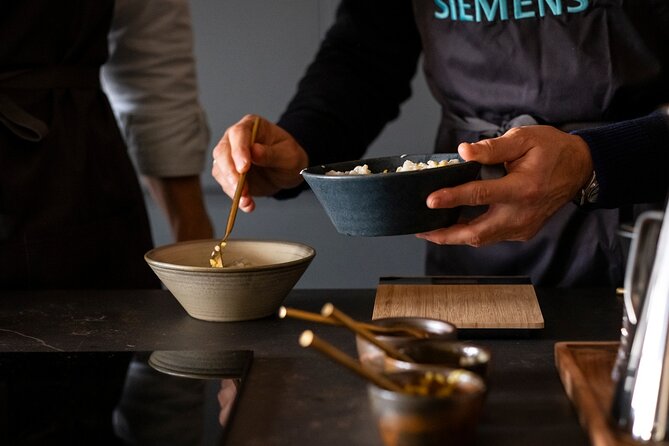
- Expert kitchen coaching: instructors like Chef Pepo guide every station so you’re not left guessing
- A classic Malaga tapas menu: ajoblanco malagueño, montadito with quail egg, tortilla de patatas, and more
- Wine included with lunch: local grapes help turn dinner into part of the lesson
- A small-group vibe: up to 14 travelers, so you get attention without feeling crowded
- A keepsake apron: included at the end, but it’s smart to confirm you receive it
Why Malaga tapas are best learned with ingredients first
Tapas in Spain isn’t just food. It’s a rhythm: buy good stuff, cook it simply, then share. What I like about this workshop is that it teaches the why, not just the recipe card.
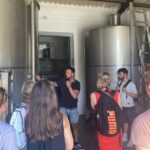
You start near the center of Malaga at Kulinarea (Avenida de Manuel Agustín Heredia, 24). From there, the day moves into the old-district atmosphere with a short walk and background that helps you understand what you’re about to cook. Then you hit the market. That order matters because the dishes on your menu are ingredient-driven. When you’ve seen the produce, seafood, and staples up close, flavors feel less mysterious.
There’s also a practical benefit: you leave with a clearer sense of how Spanish meals work in real life. Not a “tour meal,” but a tapas-style lunch that actually follows the logic of local dining.
You can also read our reviews of more tours and experiences in Malaga.

Atarazanas Market: what you’re really getting from the visit
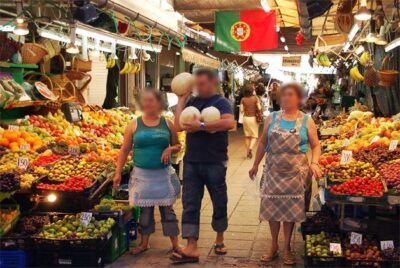
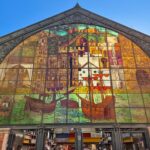
The centerpiece before cooking is a visit to Atarazanas Market. This is included only in the daytime class, because the market closes in the evenings. It’s also closed on certain holidays and specific periods (including dates like January 1, January 6, May 1, August 15, September 8, and Christmas-related closures, plus Holy Week Thursday/Friday).
If you can, I strongly suggest choosing a daytime slot. You’ll get the full value of the class because the cooking aligns with what’s available and seasonal.
In practical terms, the market visit helps you with three things:
- Ingredient confidence: you learn what to look for and what matters for each tapa
- Flavor expectations: you get a sense of what “fresh” actually means locally
- Cultural context: tapas make more sense when you see where the food comes from and how locals shop
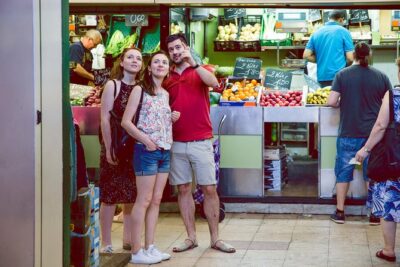
And yes, this is a working market. That means it has real energy, real prices, and real produce—good for photos, but better for understanding.
Kulinarea kitchen in the Art District: how the class runs
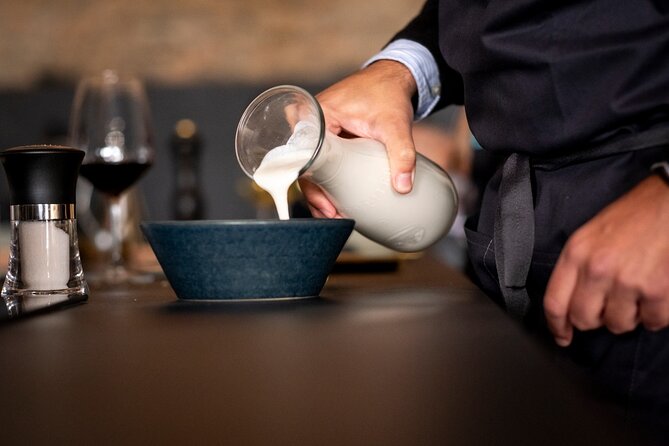
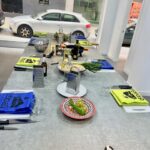
After the market, the group heads to the modern kitchen in the Art District area. The format stays structured, which is helpful if you don’t cook much at home.
The team brings an expert, multitasking style. You can see it in how roles are handled so the cooking doesn’t stall. In real terms, that means multiple stations move at once, ingredients are prepped in parallel, and the instructor keeps an eye on timing.
Guides I saw referenced by name include Chef Pepo and Felipe, and you might also get support from staff such as Alda. The key point for you: instruction isn’t just “watch and hope.” It’s active coaching.
What you can expect in the kitchen:
- You’ll cook traditional tapas tied to the menu (which may adjust based on seasonal availability or dietary needs).
- Alcohol and lunch are part of the experience, not a separate add-on.
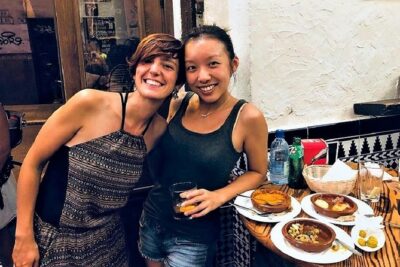
- You’ll eat what you make, in a shared meal setting.
One more note that helps your planning: the class lasts about 4 hours, and it’s designed to loop back to the meeting point at Kulinarea at the end.
The tapas menu: what each dish teaches you
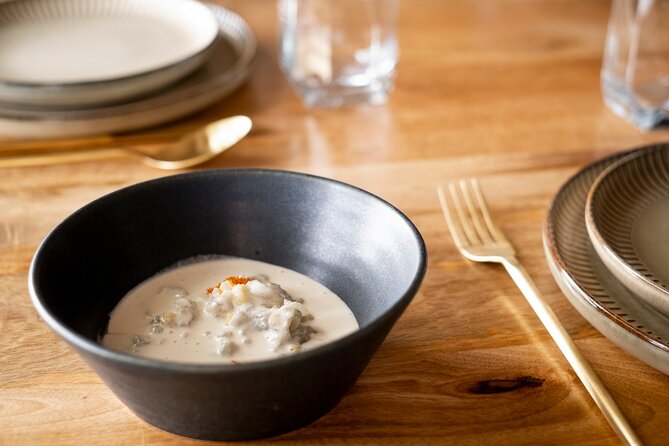
Your class uses a sample menu (with real flexibility for seasons and dietary restrictions). Here’s the lineup that’s listed for the experience:
Starters
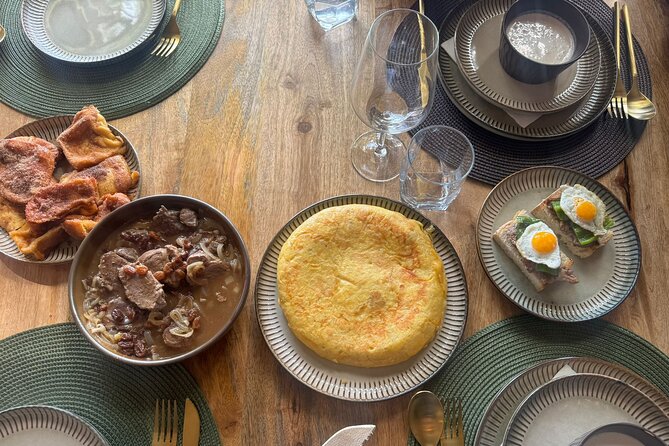
- Ajoblanco malagueño: a cold almond soup. This is a great “starter lesson” because it shows Spanish cooking can be creamy and chilled, not only hot comfort food. Almond flavors make sense right away once you’ve seen ingredients at the market.
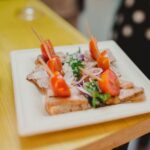
- Montadito de huevo de codorniz: a montadito-style bite with Iberian ham, green peppers, and a quail egg. This is a nice example of how tapas build flavor in layers: salty ham, sweet-snap peppers, and the richness of egg.

Main
- Tortilla de patatas: the classic Spanish omelette. It’s one of the best dishes for learning technique because it’s simple on paper, but timing and texture matter.
- Solomillo al pedro Ximénez: sirloin with Pedro Ximénez sauce. Pedro Ximénez is a darker, sweeter style of sherry that gives the dish a deep flavor. Even if you’ve never used it before, you’ll taste how Spanish sauces can turn “meat + basics” into something special.
Dessert
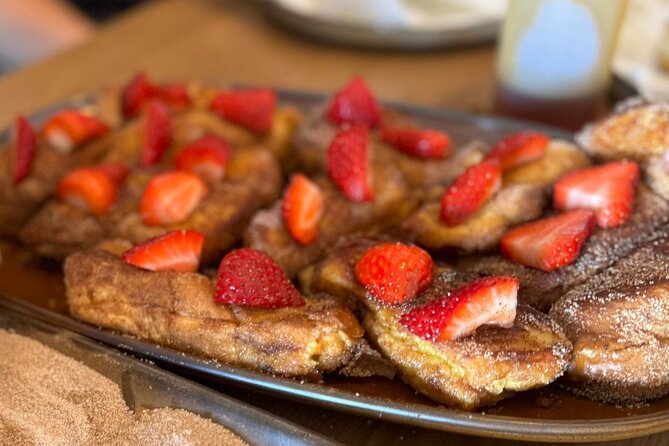
- Torrija: Spanish lent pastry, often described as honey-covered toast-like dessert. It’s a familiar concept for many people (sort of like Spanish French toast), but Spanish versions carry their own character through sweetness and texture.
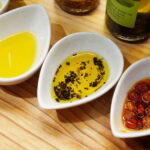
Also, one class included extras beyond the listed menu, such as an olive oil tasting, sangria, and churros frying. Since the menu can vary, don’t assume those extras are guaranteed every time—but they’re the kind of add-ons that make a workshop feel like a full evening out.
Wine, lunch, and snacks: why the meal is part of the value
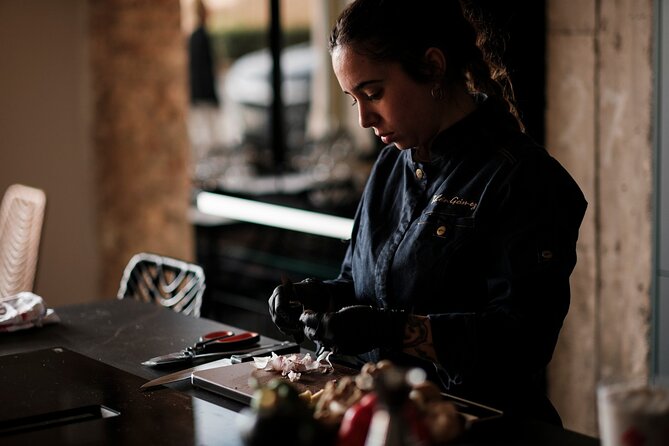
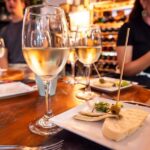
This isn’t a snack-only class. Lunch is included, along with alcoholic beverages and snacks. The wine is described as local and made from regional grapes, which matters because it keeps the experience anchored to Malaga’s food world rather than turning it into generic tasting.
Practically, this changes the whole “value” equation. You’re not paying only for cooking time—you’re paying for:
- ingredients taught in context
- chef-guided technique
- a full meal you can’t easily recreate on your own that same day
- drinks included in the ticket price
If you enjoy pairing food with wine, this class is a smart use of your afternoon. If you don’t drink, you can still enjoy the food and snacks, but the overall experience is clearly designed around shared wine and sangria-style moments.
How much cooking will you actually do with a group of up to 14
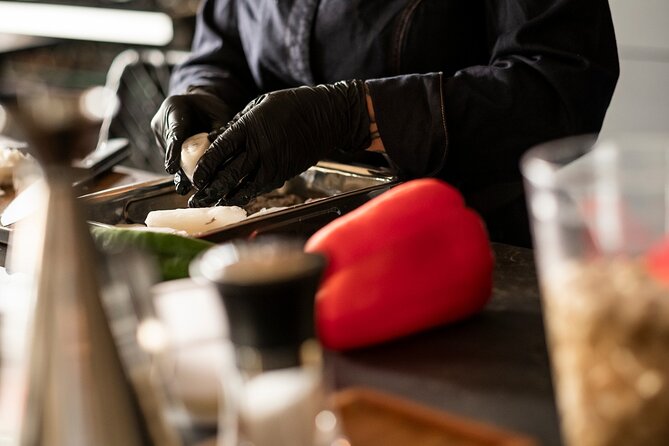
For a class rated 5 stars across a large number of bookings, the consistent message is that instruction quality stays high and the day stays fun. Still, it’s important to understand the workflow.
In a group of up to 14 travelers, the kitchen needs to move efficiently. That often means:
- you’ll do guided steps
- your group may prepare more than one tapa component
- you may be assigned one tapa or one station per part of the process
That’s why one possible “consideration” is that you might not feel like you personally cooked everything from start to finish. It’s more like a well-run team cooking experience than a solo cooking studio.
That said, the same structure is what makes it work for beginners and mixed skill levels. If you can follow steps and keep an eye on timing, you’ll get results and you’ll understand what you did.
Price and value: is $84.66 a fair deal for 4 hours?
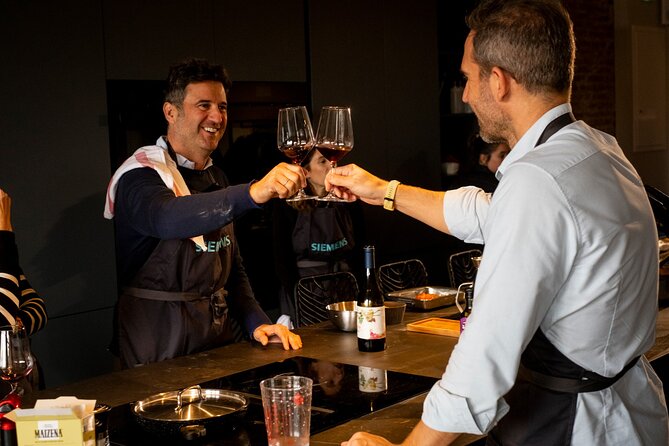
At $84.66 per person, you’re paying for a lot of built-in costs:
- market visit (daytime classes)
- lunch
- wine and alcoholic beverages
- snacks
- kitchen time with instruction
- a take-home Kulinarea apron at the end
You also get a group size that stays manageable (max 14). In many cities, similar cooking classes without the market stop and without drinks can cost close to this price or more. Here, the drinks and lunch are included, so the ticket feels more like a paid meal plus a cooking lesson.
The other value factor: you’re learning dishes that are genuinely local and easy to order or reference after you return home. That’s the “transferable skill” part. You don’t just leave with photos. You leave with taste memories and technique understanding.
Who this workshop fits best in Malaga
This is a good fit if you want:
- a food-focused morning or afternoon in central Malaga
- a market-to-kitchen experience that makes tapas feel logical
- English-language instruction
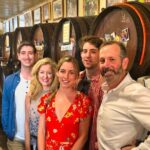
- a social activity that stays structured but not stiff
It also works well for mixed groups and skill levels. In particular, I’d recommend it for:
- first-timers to Malaga who want more than a standard walking tour
- couples who want a shared activity with a real meal
- friends traveling as a small crew and wanting something active but not exhausting
If you’re the type who wants total independence and to control every pot and pan, you might find the group workflow less satisfying. But if you like guidance and want consistent results, you’ll likely appreciate it.
Quick logistics: meeting point, timing, and what to plan
- Duration: about 4 hours
- Start/End: back at Kulinarea, Avenida de Manuel Agustín Heredia, 24, Distrito Centro, Málaga
- Language: English offered
- Tickets: mobile ticket
- Public transport: it’s near transit
- Group size: maximum 14 travelers
- When to go: choose daytime for the Atarazanas Market portion
What to bring is simple: comfortable shoes for the short walk, and an appetite for a full tapas-style lunch. If you have dietary restrictions, the menu may vary to accommodate them, so it’s worth flagging needs at booking.
Should you book this tapas workshop in Malaga?
I’d book it if you want a structured, high-success-rate food experience with local ingredients, guided cooking, and an included lunch with wine. The market stop is the big differentiator: it turns tapas from random bites into a story about ingredients and Spanish eating habits.
I would think twice only if you strongly prefer solo cooking time where you control every step, because the group format assigns tasks within a shared kitchen process.
If you like learning by doing, and you want a memorable food afternoon without fussing over reservations, this one is a solid pick in Malaga.
FAQ
Is the Atarazanas Market visit included?
The market visit is included in the daytime class only. It is closed in the evenings, and it also closes on certain holidays.
How long is the tapas workshop?
It runs for about 4 hours.
What language is the class offered in?
The workshop is offered in English.
What’s included in the ticket price?
The class includes lunch, alcoholic beverages, snacks, and a take-home Kulinarea apron.
What is the maximum group size?
The group is capped at 14 travelers.
Where do I meet, and does it end nearby?
You start at Kulinarea, Avenida de Manuel Agustín Heredia, 24, Distrito Centro, 29001 Málaga, Spain, and the activity ends back at the same meeting point.
Do I need private transportation?
No private transportation is listed as included. The meeting point is near public transportation.