REVIEW · SEVILLE
3-Hour Tapas Tour in Triana, Sevilla’s Vibrant Neighborhood
Book on GetYourGuide →Operated by Naturanda Turismo Ambiental · Bookable on GetYourGuide
Tapas in Triana is a smart Sevilla shortcut. Triana is one of the most characterful parts of Seville, and this tour pairs an on-the-street walk with real eating, not just a quick bite-and-go stop. You’ll learn why the neighborhood ties so tightly to flamenco, pottery, and tiles, then you’ll end up trying traditional Sevillian flavors as you move from bar to bar.
I like the format because 4 tapas and 3 drinks give you a proper taste of what tapear is about, without turning the night into a messy food marathon. The one possible drawback is that the experience can feel uneven depending on the guide and timing—so timing and group size matter more than you might expect.
In This Review
- Key Things You’ll Notice on This Triana Tapas Walk
- Triana Is the Right Place for Tapas (Not Just the Closest)
- Starting at Naturanda: What the First Minutes Should Tell You
- From Puente de Isabel II to the Old Center: Getting Oriented in Triana
- Plazuela de Santa Ana and the Triana Feel: Why the Walk Matters
- The Food Stops: 4 Tapas (Plus the Dishes You’ll Recognize)
- A quick note on vegetarian
- The Drink Part: 3 Drinks That Keep Tapear Social
- The Guide Experience: Where the Tour Can Shine or Feel Thin
- Price and Value: Is $77 for 3 Hours Fair?
- Who Should Book This Triana Tapas Tour
- Should You Book This 3-Hour Triana Tapas Tour?
- FAQ
- FAQ
- How long is the 3-Hour Tapas Tour in Triana?
- How much does the tour cost?
- What’s included in the tapas tour?
- Where is the meeting point?
- What languages are available for the live guide?
- Is there a vegetarian option?
- Are pets allowed on the tour?
- What should I bring?
- Is the tour wheelchair accessible?
- Is there a cancellation policy?
Key Things You’ll Notice on This Triana Tapas Walk
- Triana roots you can explain: Muslim-era origins, flamenco connections, and the pottery-and-tile tradition
- Real tapear rhythm: short stops where chatting matters as much as the food
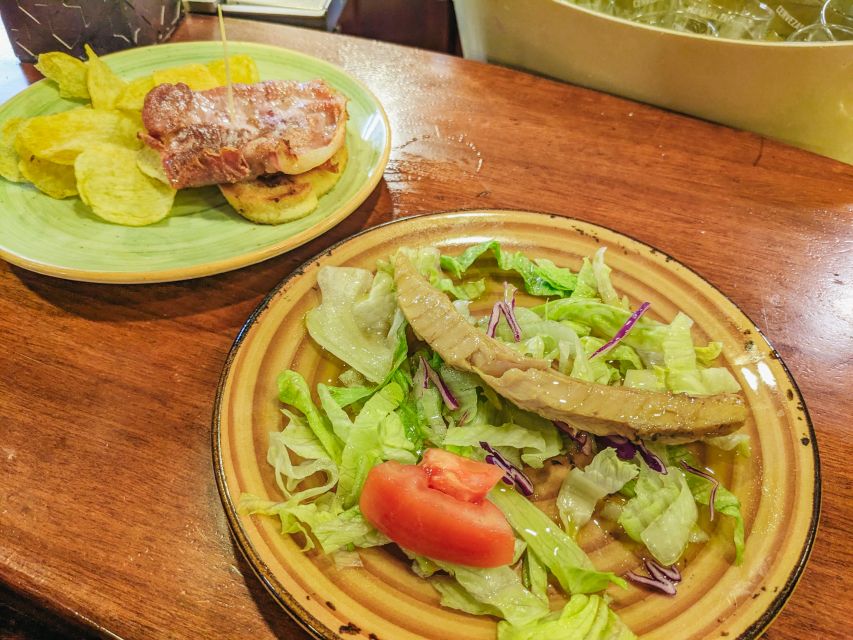
- A balanced tasting menu: traditional Sevillian dishes including options like pescaito frito, caldereta, carne en salsa, and papas con mojo picón
- A built-in drink set: 3 drinks included, so you’re not doing math mid-tour
- Guide quality really shows: some groups have particularly strong guide-led explanations, while others may have less commentary
Triana Is the Right Place for Tapas (Not Just the Closest)
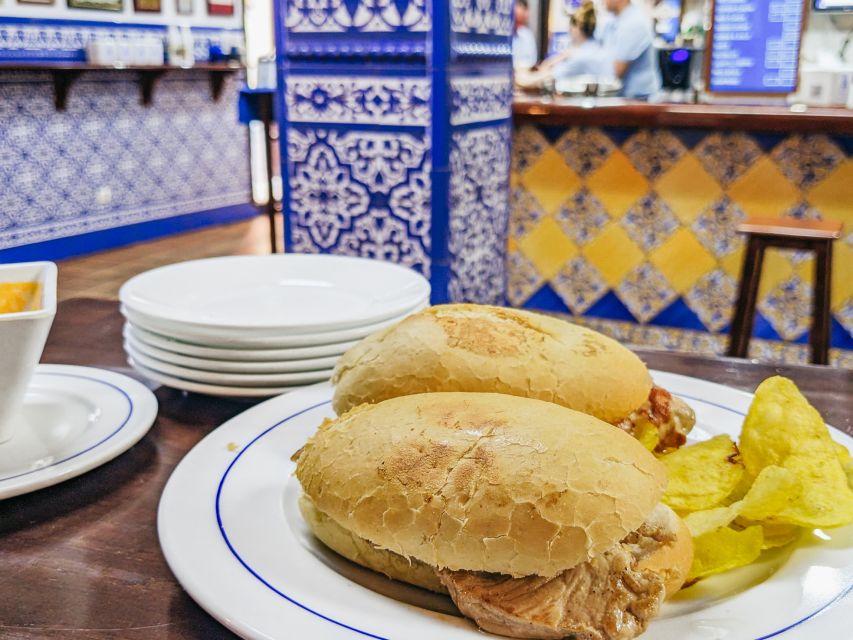
If you like Seville for more than its postcard spots, Triana is a strong pick. The neighborhood has long been its own identity inside the city—its people even earned a name of their own, the Trianeros—and that difference shows up in the way locals eat and socialize.
This tour makes Triana feel tangible. Instead of treating tapas like random snacks, you’re walking through a district tied to flamenco and to the craft world of pottery and tiles, then eating dishes that fit the daily rhythm of local bars.
And you’ll also get a reminder that bars in Spain aren’t just restaurants. In Seville, they’re meeting points, and tapear is part of the social culture—multiple stops, small plates, and plenty of conversation.
You can also read our reviews of more tours and experiences in Seville.
Starting at Naturanda: What the First Minutes Should Tell You
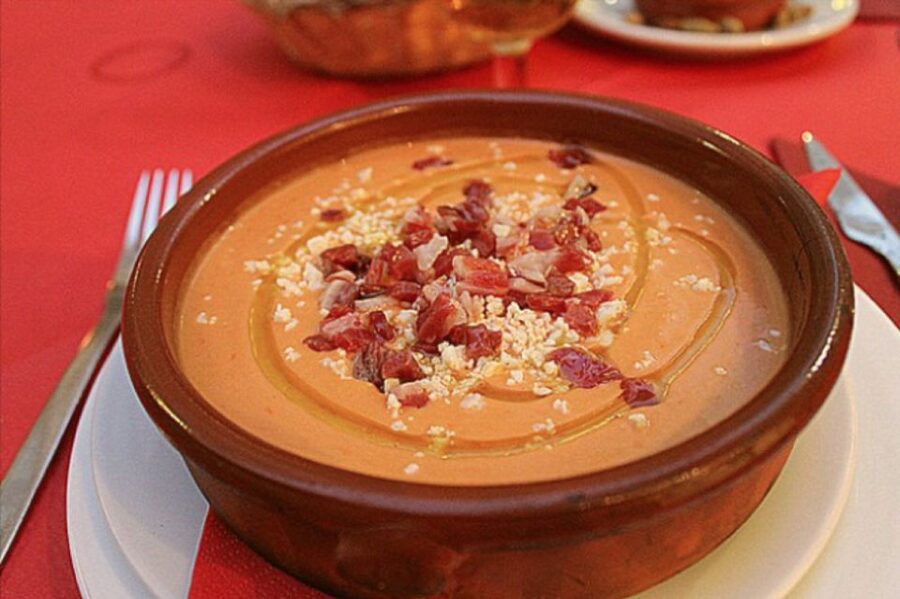
The tour meets at the Naturanda office on C/ Arfe 3, 41001, Sevilla. Depending on the option, you may also see other starting location choices (like C. Francos 19), but the Naturanda address is the one to plug into your map.
When you arrive, focus on one thing: does the group get oriented quickly? With a tasting tour, the early minutes set the pace for everything after. If you’re standing there waiting, it can compress the walking time and reduce how much you actually learn, especially if your goal is both food and history.
Comfort matters here too. You’ll want comfortable shoes, because you’re doing an easy-to-moderate neighborhood walk before settling in at the bars.
From Puente de Isabel II to the Old Center: Getting Oriented in Triana
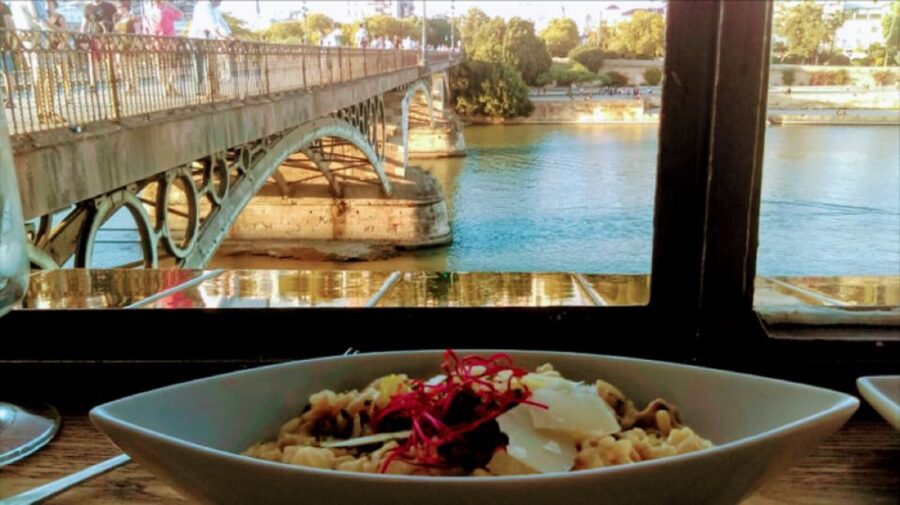
After you meet, the walk takes you toward Puente de Isabel II and then into Triana’s old streets. This part isn’t about covering huge distances. It’s about getting bearings in a neighborhood that feels distinct from the rest of Seville.
Along the way, the guide explains Triana’s roots. The neighborhood’s first settlements date back to the Muslim period, and for a long time Triana functioned as an independent center from the city. That context helps explain why people identify so strongly with the district today.
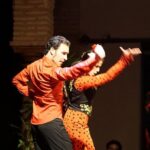
This is also where the flamenco and the craft connection shows up. Triana is described as one of the birthplaces of flamenco, and it has a deep tradition tied to pottery and tile work. Even if you’ve heard those words before, hearing them while walking the streets helps it click.
Plazuela de Santa Ana and the Triana Feel: Why the Walk Matters
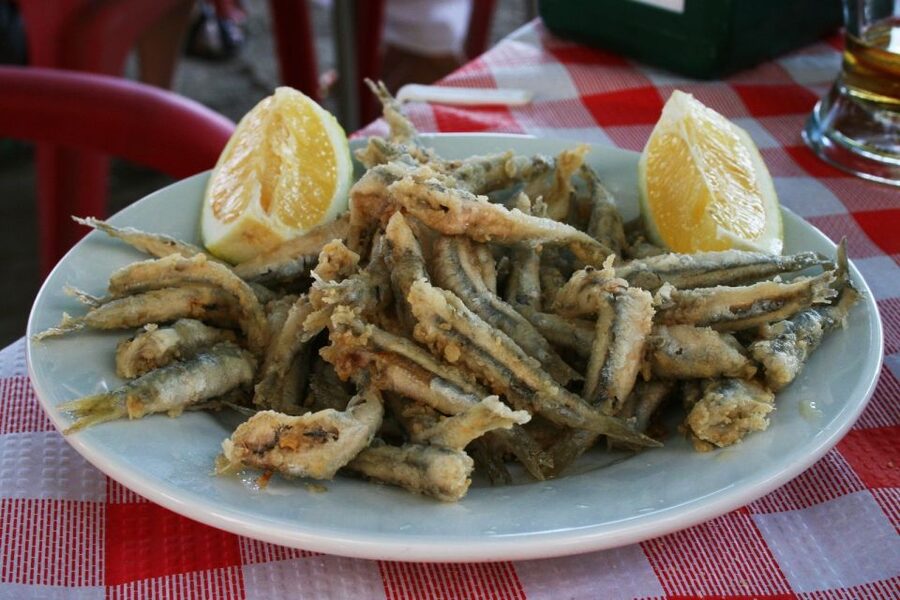
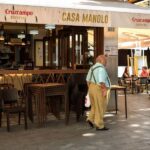
At some point, the route includes Plazuela de Santa Ana. Squares like this are where Triana’s character is easiest to sense: small-scale, local, and made for lingering rather than rushing.
This matters because you’re not only collecting tastes—you’re learning how locals move through the day. Tapas culture works best when you understand the rhythm: you start, you nibble, you talk, you move on, and the evening keeps rolling at a human pace.
One more useful thing: the walking portion helps you see what you’d miss if you only ate near the busiest tourist strips. Triana’s identity comes through in details, like the feel of the streets and the way the bars sit into everyday life.
The Food Stops: 4 Tapas (Plus the Dishes You’ll Recognize)
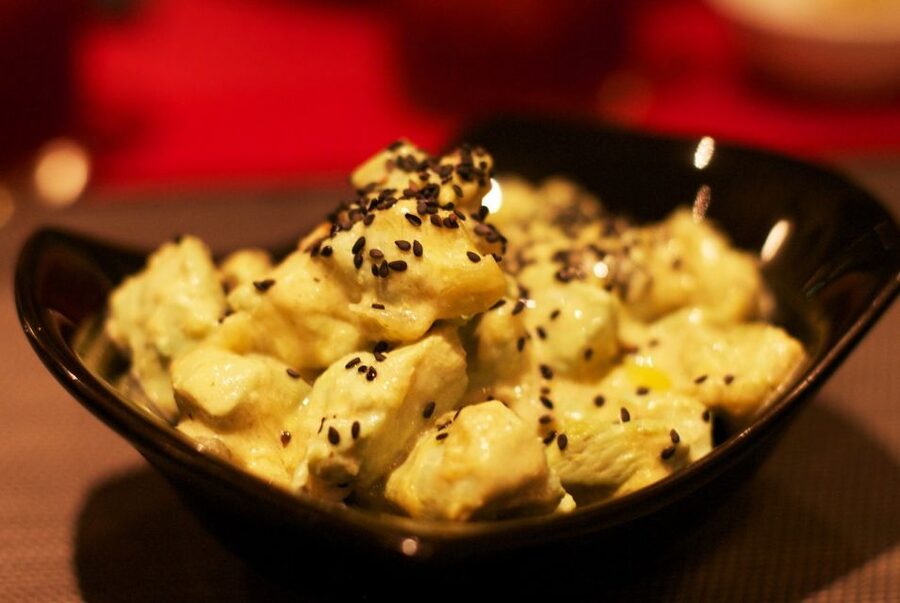
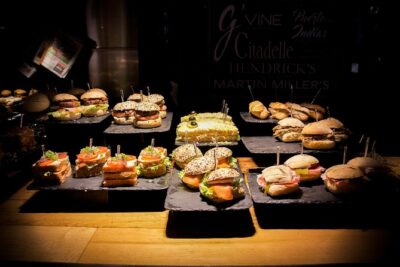
The core promise is simple: 4 tapas and 3 drinks over about three hours. You’re not just tasting one bar’s menu—you’re experiencing the local habit of sampling across places.
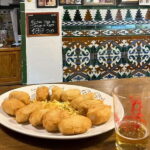
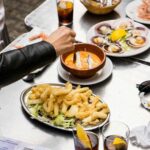
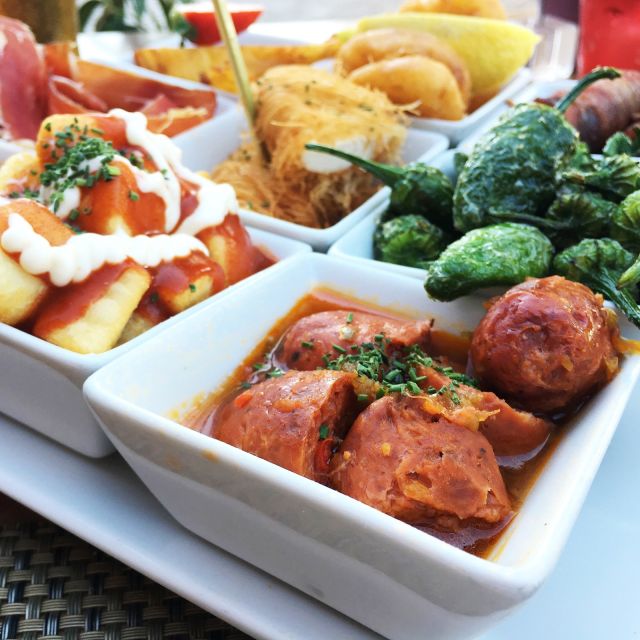
The tour specifically points to traditional Sevillian dishes in the rotation, including:
- pescaito frito (fried fish)
- caldereta (a hearty stew-style dish)
- carne en salsa (meat in sauce)
- papas con mojo picón (potatoes with a spicy mojo-type sauce)
What I like about this mix is that it covers different moods. You get something lighter and snackable, plus richer plates that feel more like a meal in small form. It’s also a good way to learn what you might want to order again later when you’re on your own.
Depending on the stop, you might also encounter a setting tied to Triana’s craft past. One guide-run got special praise for eating in a place connected to Triana’s old pottery kiln world, which is exactly the kind of detail you want from a neighborhood tour. Even if that exact setting varies, the overall idea is consistent: the food connects back to Triana’s identity.


A quick note on vegetarian
A vegetarian option is available. Tell the operator about dietary needs when booking so the guide can plan the tastings around you.
The Drink Part: 3 Drinks That Keep Tapear Social
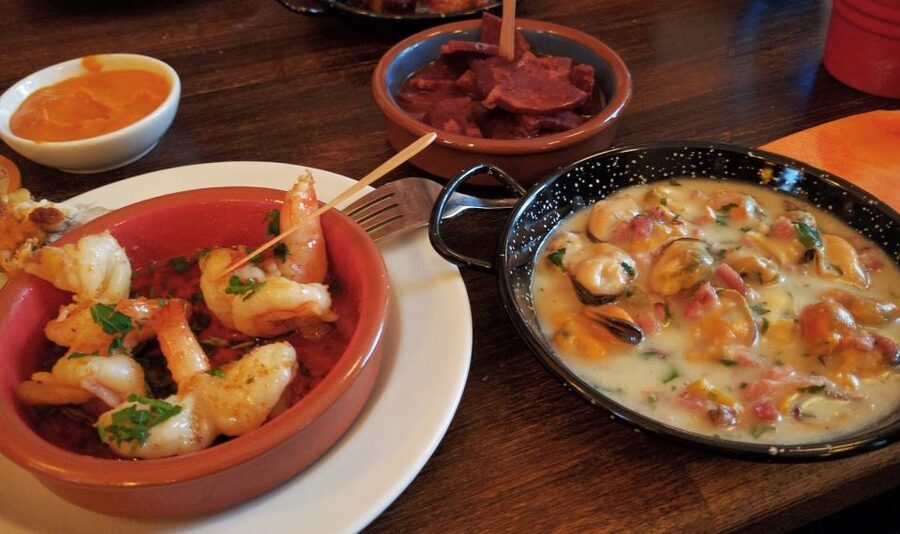
Tapas and drinks are bundled here, which makes the tour easier to budget and less stressful. With 3 drinks included, you’re less likely to feel like you’re constantly asking the price of everything, then quietly losing your appetite.
Even more importantly, drinks help you settle into the bar culture. In Seville, you’re often meant to chat while you eat, and this tour setup nudges you toward that Spanish pacing instead of turning every stop into a grab-and-go photo stop.
If you prefer soft drinks over alcohol, make sure you mention it during booking. The tour info says you should notify dietary requirements while booking, and it’s smart to add any preferences for what kind of drinks you want.
The Guide Experience: Where the Tour Can Shine or Feel Thin
The tour includes a live guide, and languages listed include Spanish, English, French, and Italian. The activity also notes that it may be operated by a multilingual guide, which is useful because it increases the chance you’ll hear the story in a language you understand.
Some guides get standout praise for strong explanations and conversation. In particular, names like Chris, Ricardo, and Johana have been singled out for making Triana feel clearer and for helping people enjoy the meal as more than just food. If you’re lucky enough to be in one of those groups, you’ll likely come away with a better feel for what to order next time you’re in Seville.
Here’s the balanced part: some departures can feel compressed or less structured if something goes off pace. If your top priority is deep storytelling, go in with a realistic expectation: this is a tapas tour, so you’ll get a neighborhood narrative, but not a museum-class lecture.
Your best move is simple: ask your guide one question that matters to you early on. Want flamenco context? Ask how Triana’s musical tradition connects to daily life. Want pottery-tile insight? Ask what to look for in storefronts and ceramics. When the guide talks, you’ll get more out of every stop.
Price and Value: Is $77 for 3 Hours Fair?
At $77 per person for about three hours, the value really depends on what you’re optimizing for.
If you want:
- multiple tastings instead of a single meal,
- a guided route that explains Triana’s identity,
- and drinks included so you can relax,
…then this can be good value. Four tapas and three drinks usually costs more when you order separately in a bar hopping setting, and you’re also paying for a guide to coordinate stops and keep you moving.
If your goal is:
- a long sit-down dinner,
- lots of extra time in each bar,
- or very detailed history at every turn,
…then you might find $77 harder to justify, especially if your group ends up rushing or if the commentary isn’t as strong in your language.
So I’d treat this as a “best of Triana” tasting plan: you’re paying for convenience and direction, not for a full evening of dining.
Who Should Book This Triana Tapas Tour
This tour is a strong match if you:
- want to eat traditional Sevillian dishes without guessing where to go,
- like neighborhood walks where the story connects to the food,
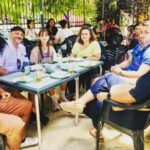
- enjoy meeting locals and other travelers in a casual setting,
- and prefer a time-boxed experience that ends while you still feel fresh.
It’s also a decent choice if you’re visiting with a mixed group—some people want food, others want context, and this gives both.
If you’re sensitive to pacing, make sure you’re comfortable with the idea that tapear moves at a social pace. You’re going to be on your feet for part of the time, and you’ll eat in several smaller servings rather than one big plate.
Should You Book This 3-Hour Triana Tapas Tour?
I think this tour is worth considering if you want a guided taste of Triana’s local identity and you like the tapear style of short stops and conversation.
Before you book, do three practical things:
- Confirm your language preference at booking, since the tour can run with multilingual guides.
- Mention any dietary needs early, and ask about the vegetarian option.
- Be ready for a small-group pace. If you hate structured time limits, you may prefer ordering tapas on your own after doing a short neighborhood orientation walk.
If you want tapas plus Triana context in a compact package, this hits the target. If you want a slow, deep history session, you might find three hours too tight. Choose the experience that matches your trip style, not the idea of what a tapas tour should be.
FAQ
FAQ
How long is the 3-Hour Tapas Tour in Triana?
The tour lasts about 3 hours.
How much does the tour cost?
The price is $77 per person.
What’s included in the tapas tour?
You get 4 tapas and 3 drinks, plus a local guide.
Where is the meeting point?
The meeting point is Naturanda Office, C/ Arfe 3, 41001, Sevilla.
What languages are available for the live guide?
The guide can speak Spanish, English, French, and Italian.
Is there a vegetarian option?
Yes. A vegetarian option is available if you advise at booking.
Are pets allowed on the tour?
No, pets are not allowed.
What should I bring?
You should wear comfortable shoes.
Is the tour wheelchair accessible?
Yes, it is wheelchair accessible.
Is there a cancellation policy?
Yes. You can cancel up to 24 hours in advance for a full refund.