REVIEW · SEVILLE
Seville Adventure: Historic Walking Tour & Traditional Tapas
Book on GetYourGuide →Operated by TopSegway · Bookable on GetYourGuide
Seville makes sense on foot. I like how this tour connects Islamic Seville to major landmarks and then turns history into something you can taste with traditional tapas and drinks; it’s guided by professionals like Zach and Marcio who explain the why, not just the what. One thing to plan for: entry tickets aren’t included, so you may still need to pay for certain sites if you want to go inside.
Over three hours, you get a well-paced loop that mixes famous stops with smart context—what was here, who lived here, and how the city’s look changed over centuries. If you want a fast way to orient yourself (and get practical recommendations for the rest of your trip), this is a solid value choice.
In This Review
- Key highlights worth your time
- Walking Seville’s timelines: Islamic roots to tapas tables
- Where you meet and how the 3-hour format feels
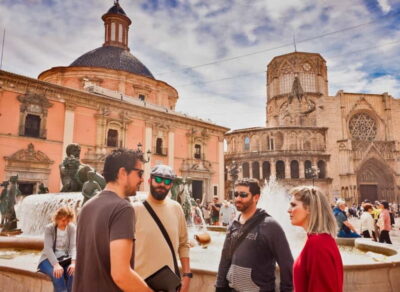
- Plaza del Triunfo and the cathedral zone: start with power and symbolism
- Archivo de Indias and Alcaicería de la Seda: trade meets politics
- El Salvador and the old dock story: tapas in a place with layers
- Santa Catalina and mudéjar style: the design clue you can actually see
- Setas de Sevilla (Metropolitan Mushroom) and skyline payoff
- Tobacco Factory, Plaza de España, and Parque de María Luisa: big stops with smart pacing
- Torre del Oro and the river-side mood
- Included tapas and drinks: why this isn’t just an add-on
- Price and value: $79 for 3 hours, with food included
- Who this tour suits best
- Should you book this Seville historic tapas walk?
- FAQ
- How long is the tour?
- What does the tour cost?
- Where is the meeting point?
- What’s included in the price?
- Are entry tickets to the sites included?
- What languages is the guide available in?
- Is the tour wheelchair accessible?
- Is it suitable for children?
- Is it suitable during pregnancy?
- Do I need ID?
- Is free cancellation available?
- Can I reserve and pay later?
Key highlights worth your time
- Plaza del Triunfo to the cathedral area: early orientation with the big religious power shift
- Alcázar connections: how governance and style show up in stone and layout
- Archivo de Indias: learn why this building matters for Spain’s global story
- Islamic-era everyday life: Puerta del Perdón, and the feel of Alcaicería de la Seda
- Mudéjar style at Santa Catalina: Arabic-Christian design mixing you can spot on buildings
- Top viewpoint payoff: Setas de Sevilla (Metropolitan Mushroom) and city skyline views
Walking Seville’s timelines: Islamic roots to tapas tables
This tour works because it treats Seville as layers, not a single era. You start near the cathedral zone, where the city’s religious and political center shifted over time, and the guide keeps bringing you back to the same theme: the city you see now is a result of what came before.
The most useful part for me is the way the guide frames details you might otherwise miss. You’re not just told that Seville has Moorish influence—you get the thread: what the 12th-century main mosque meant, how access points like Puerta del Perdón fit into daily movement, and how trade and neighborhoods shaped what people experienced.
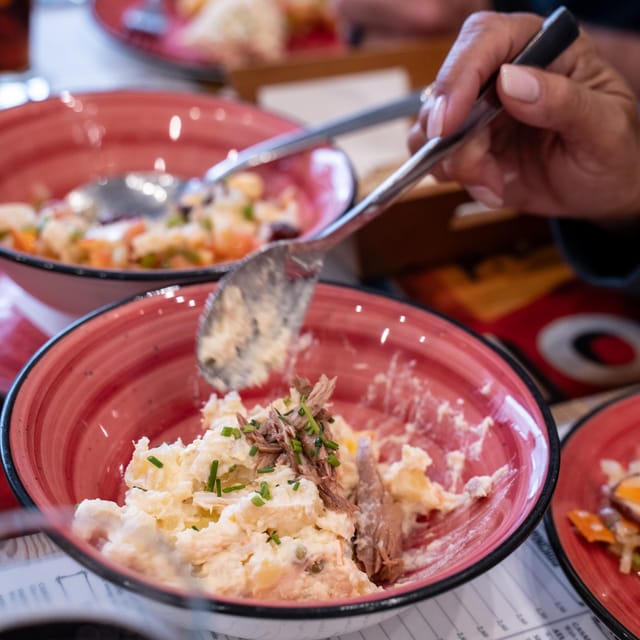
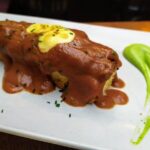
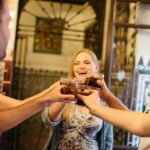
Then it stops being classroom history and becomes practical travel. You’ll taste tapas at traditional bars (included), and the guide also shares recommendations for your whole stay—the kind of advice that helps you plan dinner and not waste evenings wandering around hungry and tired.
You can also read our reviews of more tours and experiences in Seville.

Where you meet and how the 3-hour format feels
You meet at Topsegway on Calle Federico Sánchez Bedoya, 12. From there, the tour moves at a steady walking pace with short sightseeing stretches and built-in breaks.
Because the duration is about 3 hours, this is ideal when:
- you want Seville highlights without losing half a day,
- you like history but don’t want to spend it waiting in lines on day one,
- you want to eat well early, so the rest of your trip is easier.
The one practical caution: this is not built like a sit-and-watch tour. You’re on your feet for long enough that you’ll feel it by the end. Also, the tour is not suitable for children under 12 and not suitable for pregnant women, while it is wheelchair accessible—so it’s worth matching the day’s plan to your needs.
Plaza del Triunfo and the cathedral zone: start with power and symbolism
Early in the tour, you visit the Plaza del Triunfo by the cathedral. This is a smart first stop because it gives you the right mental map. From here, the guide explains major landmarks like the Archivo de Indias and places the conversation around the Alcázar and the earlier 12th-century main mosque.
Even if you’ve seen photos of Seville’s cathedral area, the tour adds something practical: context about how and why religious architecture shifted. You start learning to “read” the city—where the important buildings sit, how entrances and courtyards relate, and why certain streets feel like they lead to decision-making centers.
If you’re the kind of person who enjoys architecture but also wants the human side, you’ll like this start. It’s history as a guide for walking.
Archivo de Indias and Alcaicería de la Seda: trade meets politics
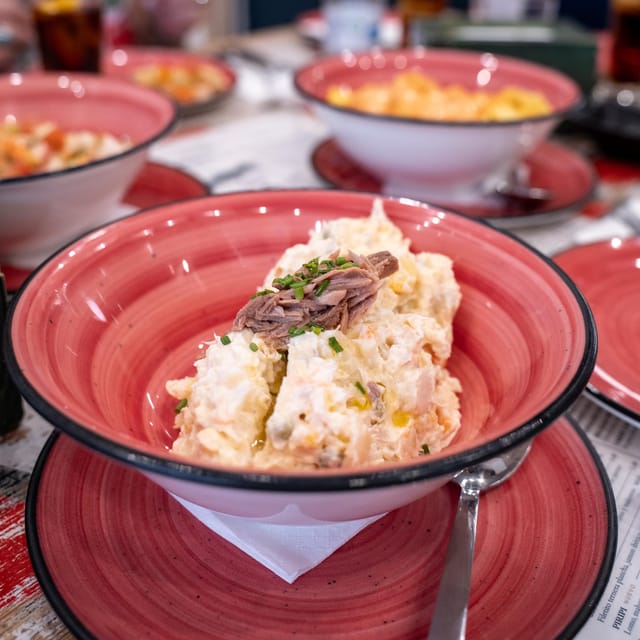
One of my favorite segments is when you head toward the area of the General Archive of the Indies and then talk about the Alcaicería de la Seda, the 12th-century indoor Muslim market.
This is where the tour goes beyond “there used to be a mosque” and focuses on how people lived and worked. You hear how the city functioned across 500 years of Islamic ruling, and you connect that to the way markets and civic spaces shaped daily life.
Here’s why that matters for you: markets are where you can feel the economy of an era. If you’ve ever wondered why certain parts of a city are packed with trade-related streets, this section helps you spot the logic in the urban plan. You’ll also understand why today’s Seville still carries that scent of commerce—especially when you walk through areas that historically served as gathering points.
El Salvador and the old dock story: tapas in a place with layers
As the tour moves on, you make time to explore the El Salvador area, including the 9th-century Aljama Mosque. This stop matters because it’s not only about a single building; it’s about what stood there before, and what that implies about the city’s continuity.
The tour also ties this area to an older Roman-times main dock. That kind of detail is valuable because it changes how you interpret the city. You start realizing Seville isn’t just a sequence of big monuments—it’s a long-running hub shaped by religion, migration, and trade routes.
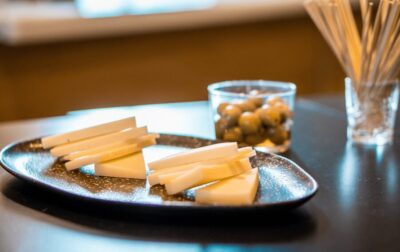
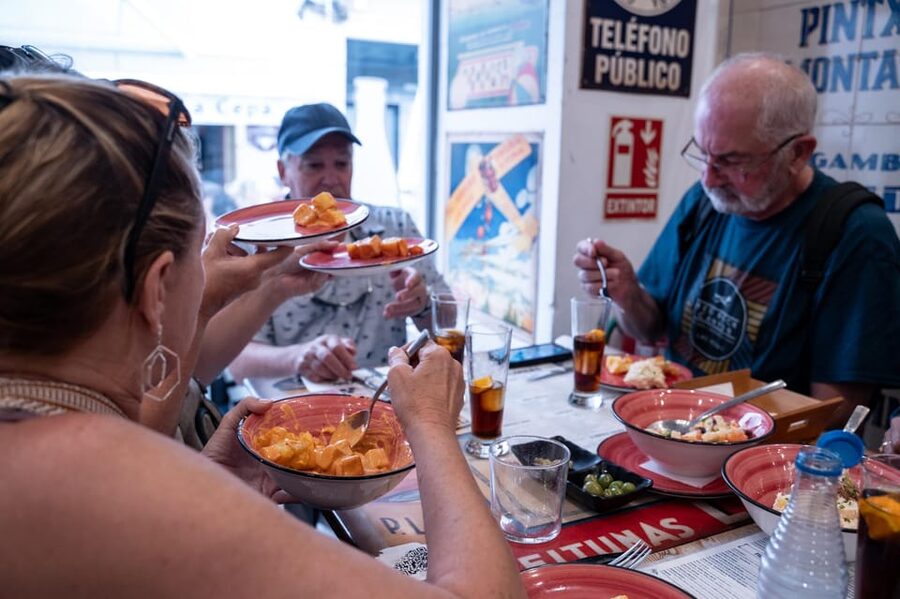
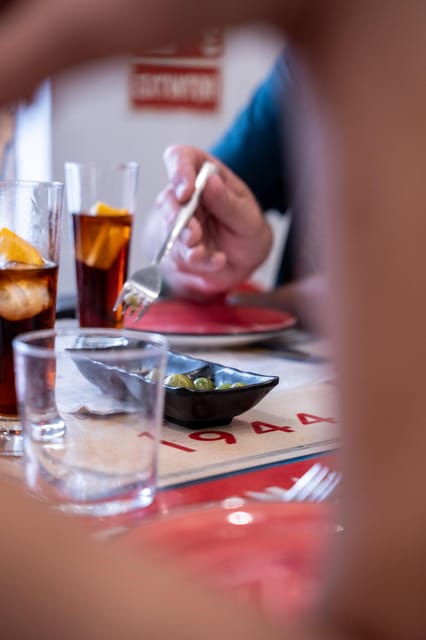
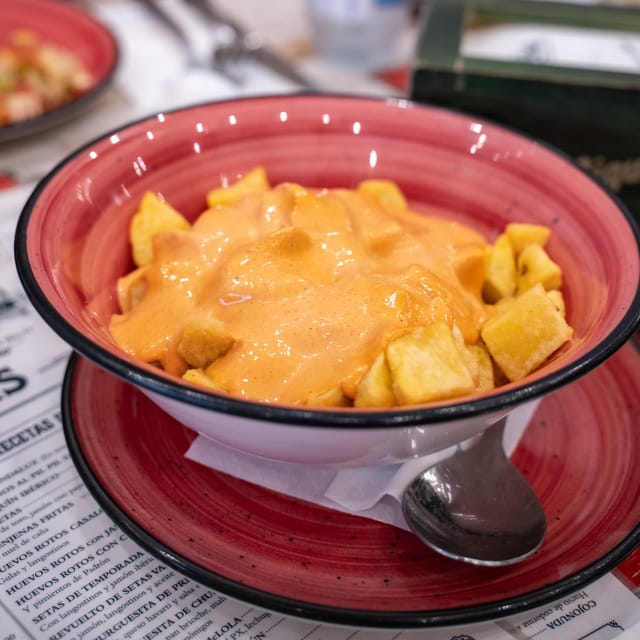
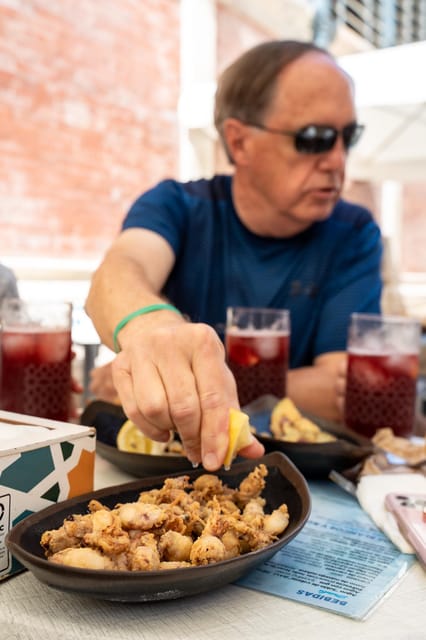
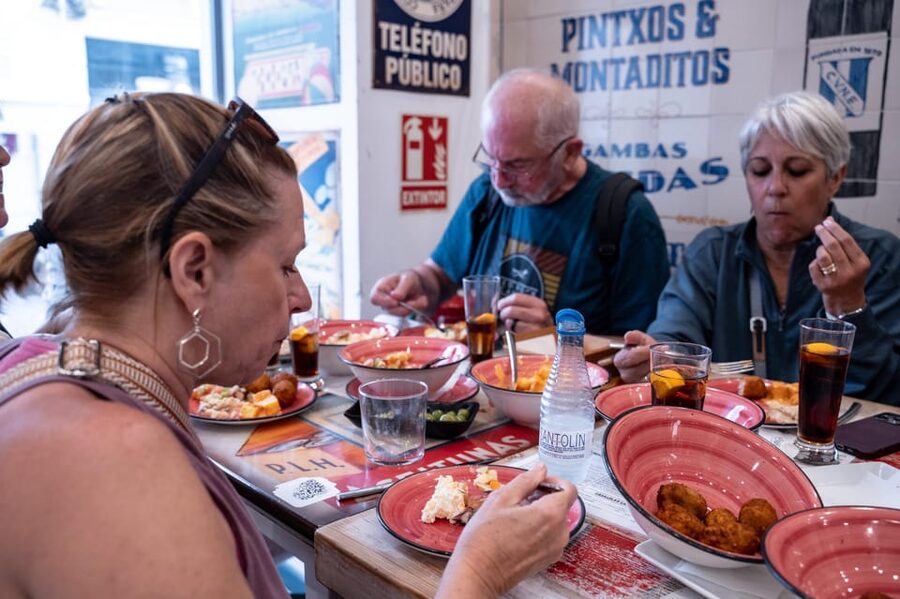
And then you get the part that turns learning into relief: this area is great for a drink and a tapa at a traditional abacería, an ancient-style tavern. You’re not simply given food—you’re placed where the local setting supports the story you’ve been hearing.
Tip for you: when you sit for your included drink and tapas, pay attention to what the guide is quietly doing—pointing out what’s around you and how it connects back to earlier stops. It’s often in these moments that the tour clicks.



Santa Catalina and mudéjar style: the design clue you can actually see
Before the final stretch, you learn about Santa Catalina and mudéjar, a building style mixing Arabic and Christian elements.
Mudéjar is one of those terms you can read about online, but it’s much better when you can see how it translates to real surfaces, shapes, and details. This tour gives you a practical lens: you start looking for the overlap—where two cultural styles meet in the same structure instead of replacing each other cleanly.
Why this section is worth it: it helps you slow down for a minute and notice features that would be easy to ignore while rushing from one landmark to the next. Even if you’re not a design nerd, you’ll finish this part with a better eye for what makes Seville look like Seville.
Setas de Sevilla (Metropolitan Mushroom) and skyline payoff
One of the tour’s “wrap your head around the whole city” moments is when you reach the Setas de Sevilla, also called the Metropolitan Mushroom. The payoff here is the skyline view.
This stop matters for your overall trip because it helps you reorient. After walking through so many stories—mosque remnants, markets, archives, palaces—seeing the city from above gives you the spatial understanding that makes later sightseeing feel easier.
You’ll also notice how the skyline ties together the different districts you’ve been hearing about. It’s the kind of view that makes your photos look better, but more importantly, it helps you plan where to go next without second-guessing.
Tobacco Factory, Plaza de España, and Parque de María Luisa: big stops with smart pacing
The tour keeps moving through Seville’s major “wow” areas while still giving you enough structure to avoid feeling like a checklist.
You pass by or stop near sites tied to the Antigua Fábrica de Tabacos (the tobacco factory). You also get a scheduled break time here, plus guided sightseeing elements. This is a useful design choice: giving you a breather before you hit the most iconic photo-heavy places later.
Then you reach Plaza de España, with time for photos and guided sightseeing. From there, the tour continues to Parque de María Luisa, where you get more guided context and another break for scenery and pictures.
The route also includes Hotel Alfonso XIII and San Telmo Palace as photo stops. Even when you’re not spending long inside, these pauses help you connect Seville’s big landmarks into one story: power, design, and later-era grandeur laid over older streets.
And if you’re hungry for more street-level atmosphere right after all the wide plazas, the final stretch includes a traditional restaurant stop with free time—so you can keep the momentum going.
Torre del Oro and the river-side mood
Near the end, you spend time around Torre del Oro. This is a good final historic note because it anchors the story in the river zone—another reminder that Seville grew with movement and commerce.
Even though you’re not being rushed through, it functions like a closing chapter: after learning about mosques, markets, archives, and design, you finish with a landmark strongly tied to the city’s riverside identity.
Included tapas and drinks: why this isn’t just an add-on
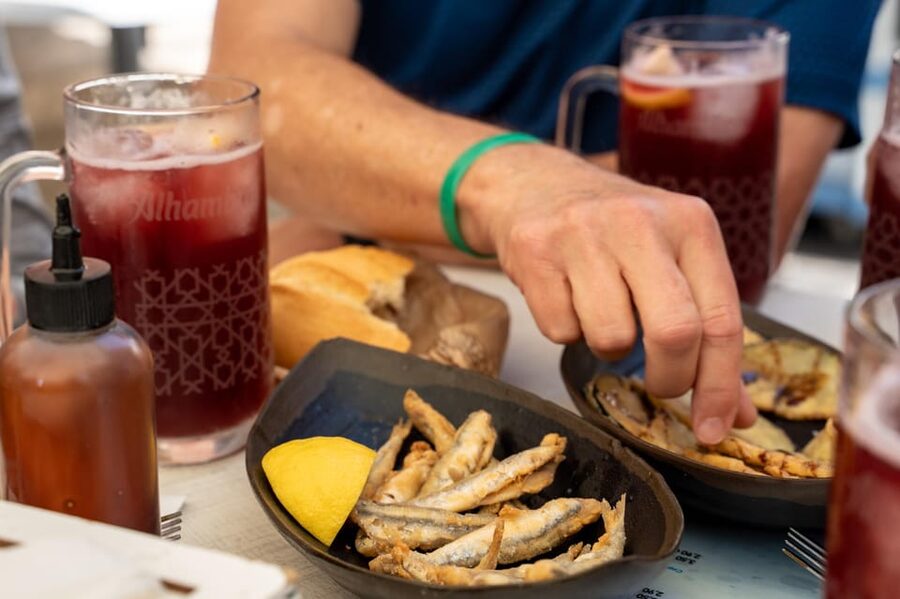
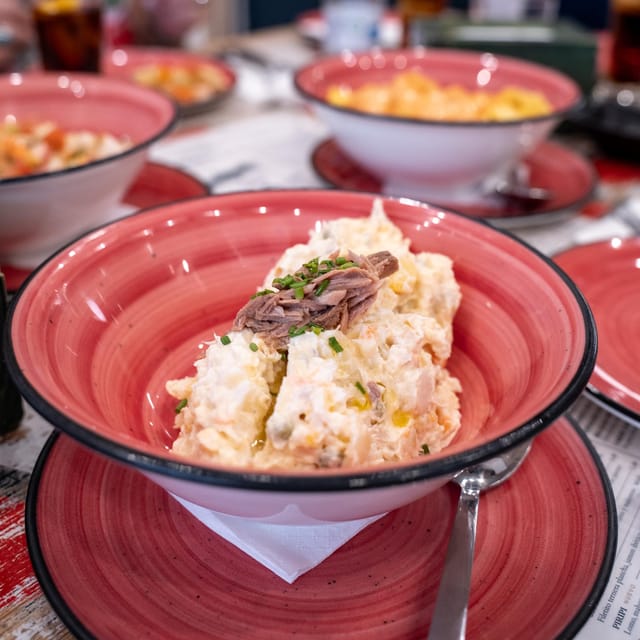
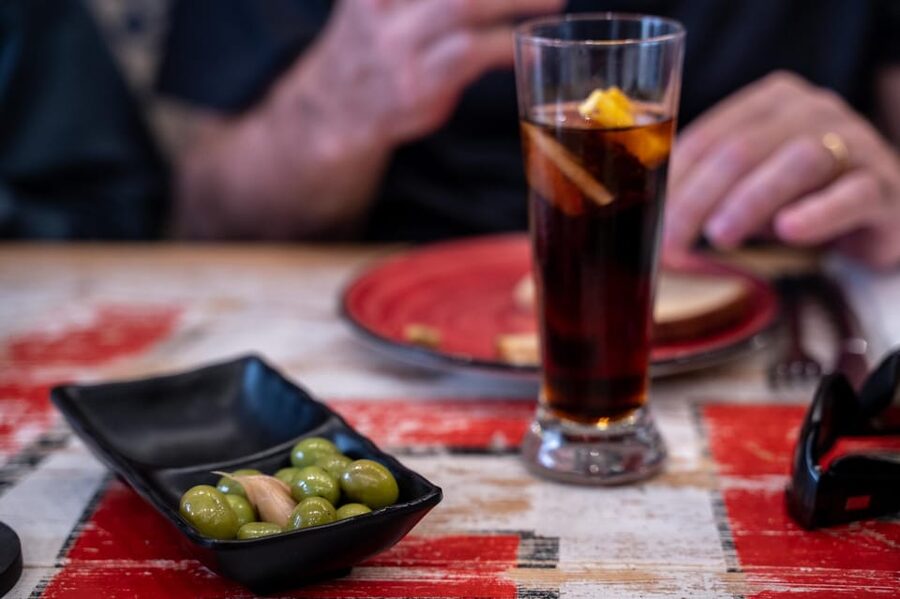
This tour includes tapas and drinks, and that changes the value math.
If you’ve ever done a history tour and then had to scramble to find decent food afterward, you know how that can ruin the whole day. Here, you’re already guided to an area that supports the tapas experience. It’s also more fun because you’re eating while your guide’s explanations are still fresh—so you’re not thinking about dinner logistics the entire time.
Also, the guide doesn’t just focus on the monuments. They share practical recommendations for the rest of your stay in Seville. That can mean better planning for where you’ll eat again, where you’ll want to walk next, or how to structure the days so you’re not repeating effort.
Price and value: $79 for 3 hours, with food included
At $79 per person for 3 hours, the best way to judge value is to look at what’s included versus what’s not.
Included:
- guided tour
- tapas and drinks
Not included:
- entry tickets to sites
So you’re paying for expert time and for the meal component, not for building admissions. If you plan to do any inside-the-site visits on your own, you may end up paying extra anyway. Still, the structure is strong: you’re getting a guided orientation through the most important layers of Seville, plus a built-in lunch/dinner moment so you don’t lose time later.
In short: if you want a guided “get your bearings fast” tour that also feeds you, this price is reasonable. If you’re the type who wants to skip food and only pay for entry tickets, you might prefer a different format.
Who this tour suits best
This is a good match for you if:
- you want Seville highlights in a short window,
- you care about Islamic influence and how it shows up alongside Christian landmarks,
- you like history that connects to real street life (markets, design styles, civic centers),
- you want a guide who will give you practical suggestions beyond the tour.
It’s not ideal if:
- you need a fully child-friendly format (it isn’t suitable for kids under 12),
- you’re pregnant,
- you want to do lots of paid interior museum time during the tour (entry tickets aren’t included, and the pace is designed around walking and stops).
Should you book this Seville historic tapas walk?
I’d book it if you want a smart first or second day in Seville. The timing is tight enough to keep your schedule intact, the guide-led context helps you understand what you’re seeing, and the included tapas remove one of the biggest travel annoyances: food hunting right after walking-heavy sightseeing.
Skip it only if your main goal is paid entry-only sites or if walking for a few hours isn’t realistic for you. Otherwise, this tour gives you a great mix of place, story, and food—exactly what you want when Seville is new.
FAQ
How long is the tour?
It lasts 3 hours.
What does the tour cost?
The price is listed as $79 per person.
Where is the meeting point?
You meet at Topsegway Federico Sánchez Bedoya 12, 41001 Sevilla.
What’s included in the price?
A guided tour is included, along with tapas and drinks.
Are entry tickets to the sites included?
No. Entry tickets are not included.
What languages is the guide available in?
The live tour guide is available in English, Spanish, and French.
Is the tour wheelchair accessible?
Yes, it is wheelchair accessible.
Is it suitable for children?
It is not suitable for children under 12.
Is it suitable during pregnancy?
No, it is not suitable for pregnant women.
Do I need ID?
You should bring a passport or ID card.
Is free cancellation available?
Yes. You can cancel up to 24 hours in advance for a full refund.
Can I reserve and pay later?
Yes. You can reserve your spot and pay later.