REVIEW · BUDAPEST
Budapest: Hungarian Wine Tasting with 7 Wines and Tapas
Book on GetYourGuide →Operated by Wine The Gap Kft. · Bookable on GetYourGuide
Budapest can be full of big names. This one focuses on the wines you do not hear about on day tours. Over about 2 hours at Wine the Gap, you taste 7 Hungarian wines and learn how the country’s grape varieties shape the glass.
What I like most is the way the tasting stays simple and structured. You get guided pours, short history and region context, and tasting notes so you can remember what you liked. The other big win is the food: small plates of farm-sourced tapas that actually pair with what’s in your glass.
One thing to consider: it’s a wine bar experience, not a vineyard visit. If you are chasing big scenery or getting out of the city, this won’t replace a full-day winery trip.
In This Review
- Key highlights I’d mark for your Budapest list
- Meeting at Wine the Gap: start in a cozy bar, not a classroom
- How 7 pours work in 2 hours (and why that pace is smart)
- Cserszegi fűszeres and furmint: the grapes that explain Hungary
- Whites: cserszegi fűszeres, the local star
- Reds: furmint, kadarka, and Bull’s Blood flavors in context
- Tapas pairing: olives, ham, sausages, tomatoes, and cheeses
- The Hungary wine regions lesson: a map that actually helps
- What you get for $62: value that comes from volume and support
- Who this tasting fits best (and who should skip)
- Should you book this Budapest wine tasting at Wine the Gap?
- FAQ
- What is the duration of the Budapest Hungarian wine tasting?
- Where do I meet for the tasting?
- How many wines are included in the tasting?
- Is the guide available in English?
- What food is included?
- Does the price include water and tasting notes?
- Is the experience wheelchair accessible?
- Is it suitable for children or pregnant women?
Key highlights I’d mark for your Budapest list
- 7 wine tastings in a tight, 2-hour format, with notes to take home
- Cserszegi fűszeres white wines, including the grape locals call the hard-to-pronounce one
- Furmint-led reds plus classic Hungarian examples like kadarka and Bull’s Blood
- Tapas with local farm sourcing such as olives, ham, sausages, tomatoes, and cheeses
- English live guide with a map of Hungarian wine regions to connect grapes to geography
- Hosts like Miki and Luca are known for turning the session into a friendly hangout, not a stuffy lecture
Meeting at Wine the Gap: start in a cozy bar, not a classroom
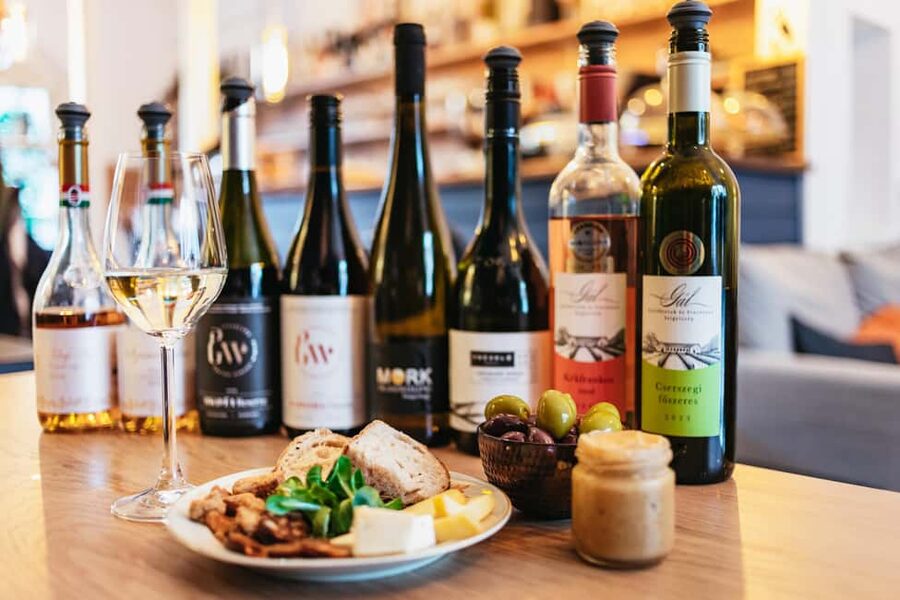
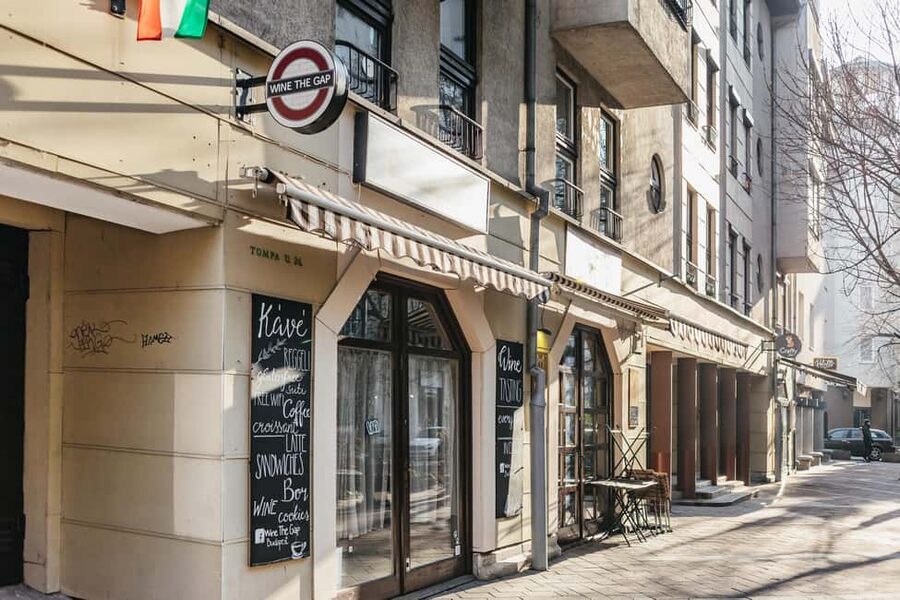
Your evening begins at Wine the Gap, a central wine bar setup where you can get oriented fast. This matters more than it sounds. When a tasting starts in a comfortable space, you drink slower, ask questions sooner, and you remember more than you would in a rushed tasting room.
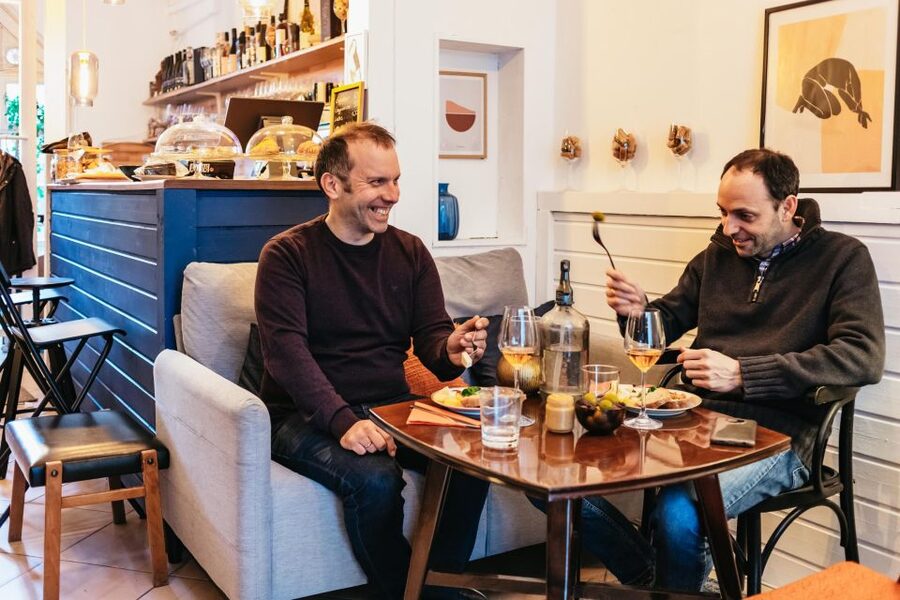
The vibe I’d aim for here is relaxed and social. The bar feels built for conversation, and the format nudges you toward tasting as a shared experience. That is a big plus if you are coming solo or you just want something warm and human after a day of sightseeing.
How 7 pours work in 2 hours (and why that pace is smart)
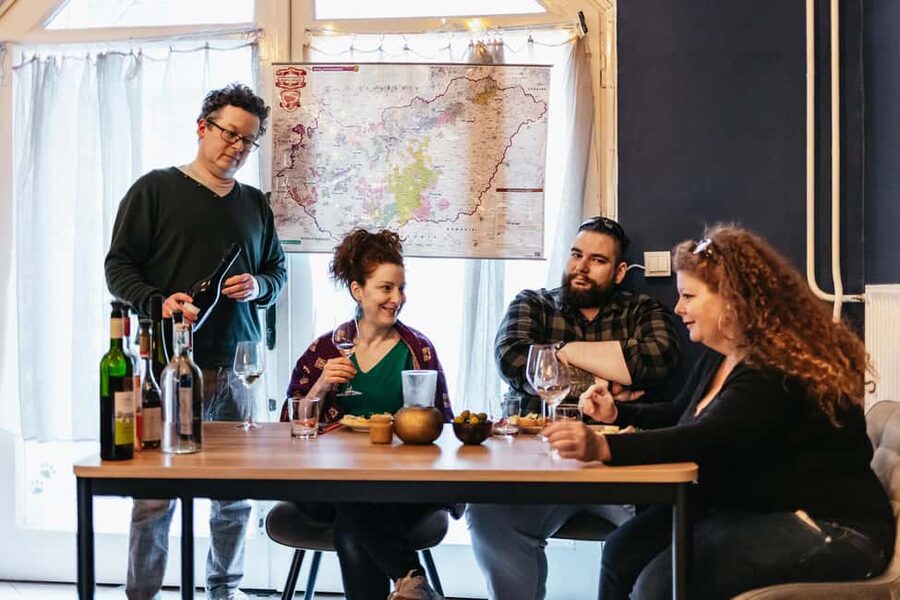
This tasting is guided by a live English-speaking expert and lasts about 2 hours. You are not sent off with a menu to freestyle. Instead, the guide keeps the flow moving so you taste a range of wines without the long gaps that can make wine tours feel tedious.
You also get bottled water and tasting notes, which is one of the most practical parts. Water helps you reset between pours, and notes help you sort out flavors after the fact, when Budapest evenings blur together. You even get a map of Hungarian wine regions, which turns the talk from trivia into something you can use later.
If you drink at a normal pace, this timing is ideal. It is long enough for comparisons, short enough that you are still awake for a dinner plan right after.
Cserszegi fűszeres and furmint: the grapes that explain Hungary
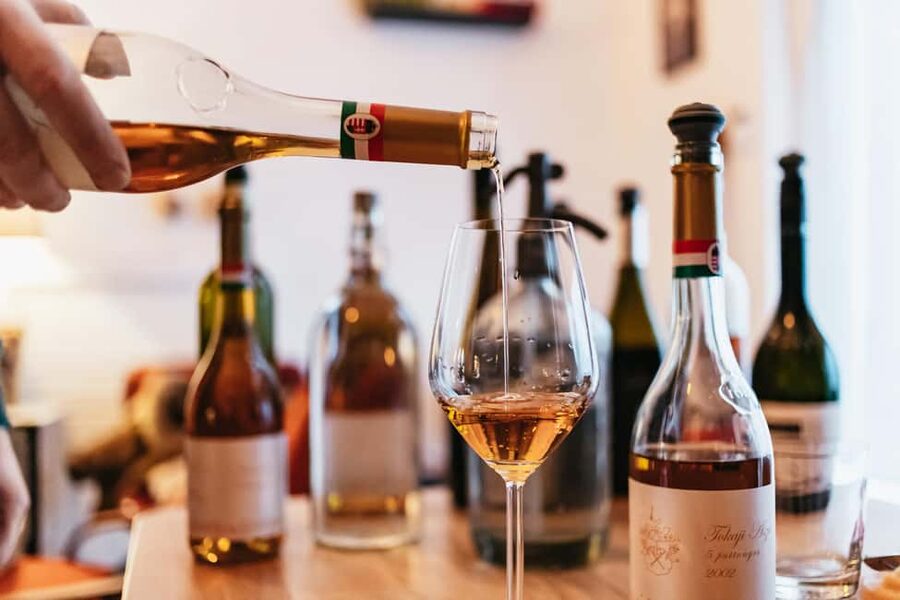
One of the smartest choices in this tasting is that you get both white and red anchors. You start seeing how specific grape varieties can tell you where a wine is from, and what a country is trying to do in the glass.
Whites: cserszegi fűszeres, the local star
You will taste multiple white wines made from cserszegi fűszeres. Locals refer to it like an unpronounceable grape, but the real point is the identity it gives the wines. This grape makes it easier to understand Hungarian character because it creates a recognizable flavor style across the pours.
Even if you are a beginner, you can pick up patterns: the guide helps you connect aroma and taste to the grape, so you are not guessing each wine from scratch. That is how you learn without feeling tested.
Reds: furmint, kadarka, and Bull’s Blood flavors in context
Hungary is famous for furmint, and you will taste red wines connected to it. You will also try reds such as kadarka and Bull’s Blood. This range is useful because it shows you that Hungary is not only about one style.
Kadarka is the kind of grape that helps you notice differences in fruit, spice, and texture. Bull’s Blood, in particular, is a name that sounds quirky until you taste it, and then you understand why it’s held onto. The guide’s job here is to help you stop treating each glass like a random sample and start treating it like part of a map.
Tapas pairing: olives, ham, sausages, tomatoes, and cheeses
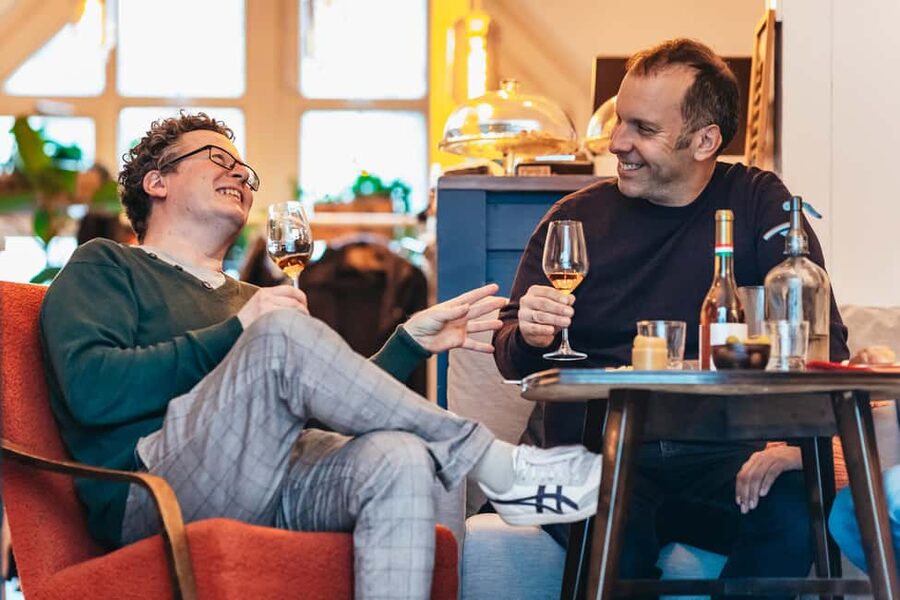
The food portion is not an afterthought. You get small plates designed to pair with the wines, including items like olives, ham, sausages, tomatoes, and various cheeses, sourced from farms just outside Budapest.
This matters because Hungarian wines can be nuanced, and the right bite helps you taste more clearly. Salty olives and cheeses can sharpen your focus on acidity and aromatics. Sausage and ham add savory depth, which can make certain fruit notes feel more rounded rather than sharp.
Practical tip: pace your bites. If you eat too fast, you can drown the wine. If you take a bite between sips, you’ll catch how each pairing shifts the flavor in real time. It is the easiest way to get something out of the tasting even if you do not consider yourself a wine person.
The Hungary wine regions lesson: a map that actually helps
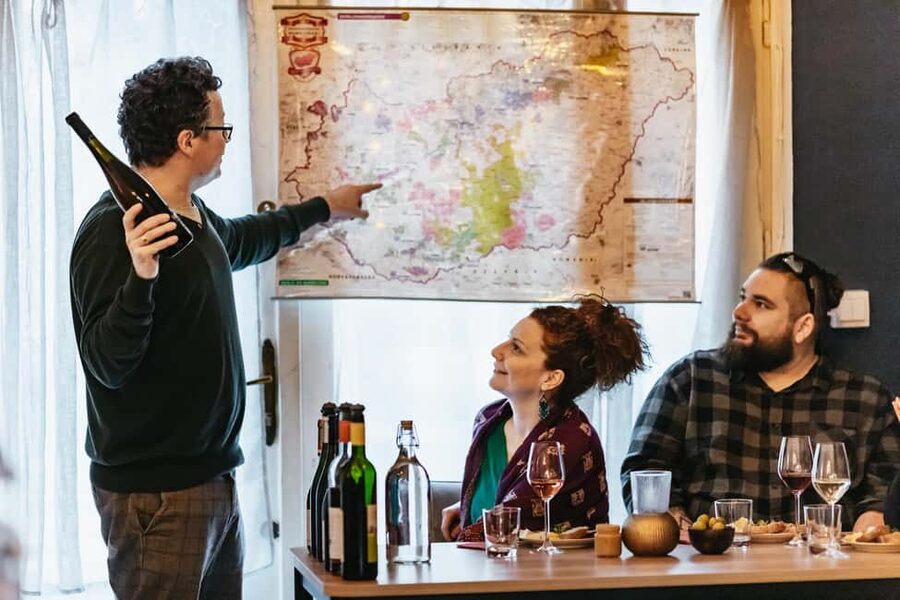
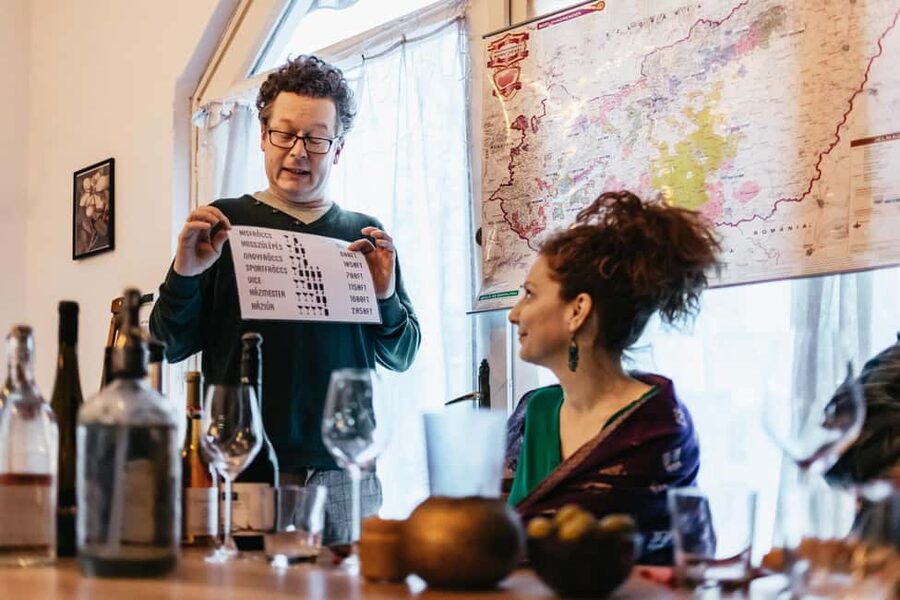
Expect a guided explanation of the history of Hungarian wine and the country’s different wine regions. You also receive a map of the regions, which is more useful than just hearing names.
When the guide connects grapes like cserszegi fűszeres and furmint to regions, you start to understand what regional climate and tradition do to a wine’s style. You are not memorizing. You are building a mental shortcut: grape variety plus region equals predictable characteristics.
That is why this is a strong pre- or side-activity before a day trip to wineries outside Budapest. Even if you never plan another tasting, you leave knowing what to look for on wine lists later.
What you get for $62: value that comes from volume and support
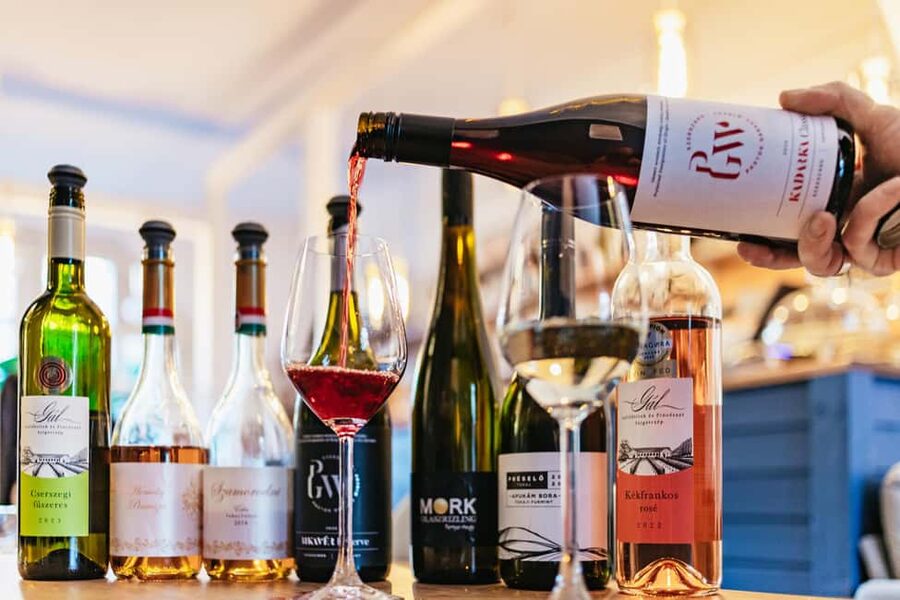
At $62 per person for around 2 hours, you are paying for more than the wine. You get:
- 7 guided tastings (not just free pouring)
- Tapas plus bottled water
- English live guide
- tasting notes and a map of wine regions
For Budapest, this is a fair structure because you are not hunting down a class on your own or trying to figure out unfamiliar labels by trial and error. You also get a guide who helps you taste like a pro without turning it into homework.
In plain terms: if you like food and you want a guided way to understand Hungarian wines quickly, you are likely to feel this was worth it. If you only want a light sip and you hate food pairings, the format might feel like more than you need.
Who this tasting fits best (and who should skip)
This is best for adults who want an evening activity that mixes learning with drinking and eating. It is not suitable for children under 18 and not suitable for pregnant women, and it is wheelchair accessible, so mobility should not be a barrier.
You’ll also enjoy this more if you like curiosity. Even people who came thinking they did not know Hungarian wine usually end up excited, because the tasting gives you a small set of clear reference points rather than a long list of random bottles.
Should you book this Budapest wine tasting at Wine the Gap?
I’d book it if you want one high-quality evening that covers a lot of ground without feeling rushed. The combination of 7 wines, farm-sourced tapas, tasting notes, and an English guide is the kind of value that saves time in a city where your days fill fast.
Skip it if your top priority is a vineyard outing or panoramic countryside views. This stays in the bar world, and that is exactly why it works for a short, satisfying night in Budapest.
If you decide to go, go hungry enough to enjoy the tapas and thirsty enough to taste slowly. Then take the notes seriously on the way out. Your future self in a wine shop will thank you.
FAQ
What is the duration of the Budapest Hungarian wine tasting?
The experience lasts about 2 hours.
Where do I meet for the tasting?
Meet at the Wine the Gap wine bar.
How many wines are included in the tasting?
You taste 7 Hungarian wines during the guided session.
Is the guide available in English?
Yes, the tour guide is available in English.
What food is included?
Tapas are included, with samples such as olives, ham, sausages, tomatoes, and various cheeses.
Does the price include water and tasting notes?
Yes. Bottled water and tasting notes are included.
Is the experience wheelchair accessible?
Yes, it is wheelchair accessible.
Is it suitable for children or pregnant women?
It is not suitable for children under 18 years, and it is not suitable for pregnant women.