REVIEW · FUERTEVENTURA
Fuerteventura: Tapas and Local Life Guided Tour
Book on GetYourGuide →Operated by Fuerte Authentic Tours · Bookable on GetYourGuide
Cactus fruit tastings beat the usual beach routine. This 5-hour Fuerteventura food tour takes you into quieter countryside corners, where you’ll learn how local staples are made while you eat your way through them.
I particularly love the small group feel (max 16), because it stays personal and you can ask questions at each stop. I also like that the day mixes flavors with real background, from olive trees to Majorero goat cheese.
One thing to consider: you’ll need sun-ready comfort (water isn’t included, and sandals are not allowed), and weather can affect whether the olive farm offers its own oil. They’ll still keep the experience going with an oil tasting from a local producer when needed.
In This Review
- Key things I’d circle on your plan
- Fuerteventura’s food scene, minus the tourist shortcuts
- Price and what you actually get for $92
- Picking up around Morro Jable, Costa Calma, and Tarajalejo
- Secret stop time: guided walking, then food learning
- Green mojo cooking show: learn the flavor, not just the name
- Olive tree farm: olives, oil, and why timing matters
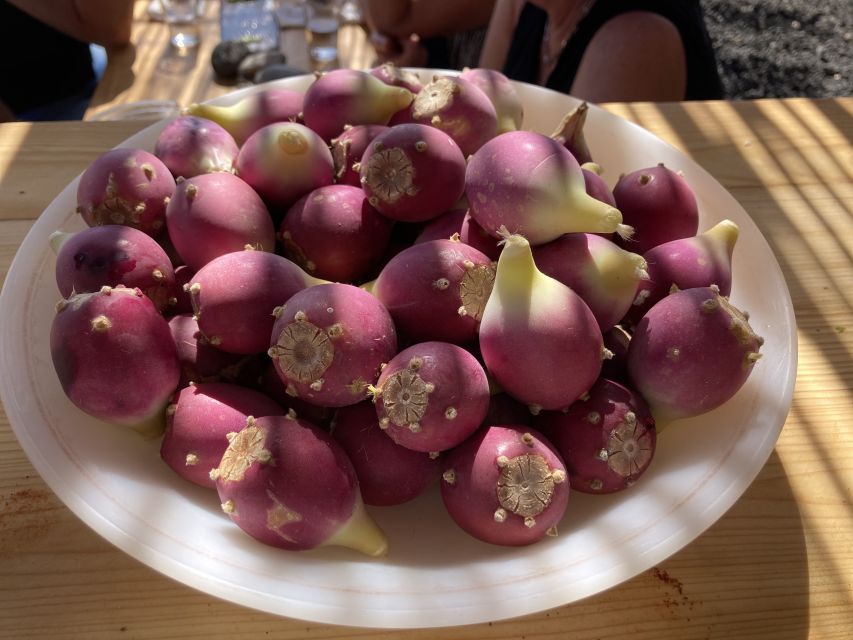
- Prickly pear: cactus fruit and jam that tastes like a surprise
- Majorero goat cheese and red wine: the payoff platter
- Transportation breaks: van rides that keep the day flowing
- What the guide really adds (and why the language matters)
- Who this tour suits best
- Practical tips so your day stays comfortable
- When the olive farm can’t sell oil (and what still happens)
- Should you book this tapas and local life tour?
- FAQ
- FAQ
- How long is the Fuerteventura tapas and local life guided tour?
- What areas are pickup and drop-off in?
- What language is the tour guide?
- What kinds of food and tastings are included?
- Is water included?
- What happens if the weather affects the olive farm?
Key things I’d circle on your plan
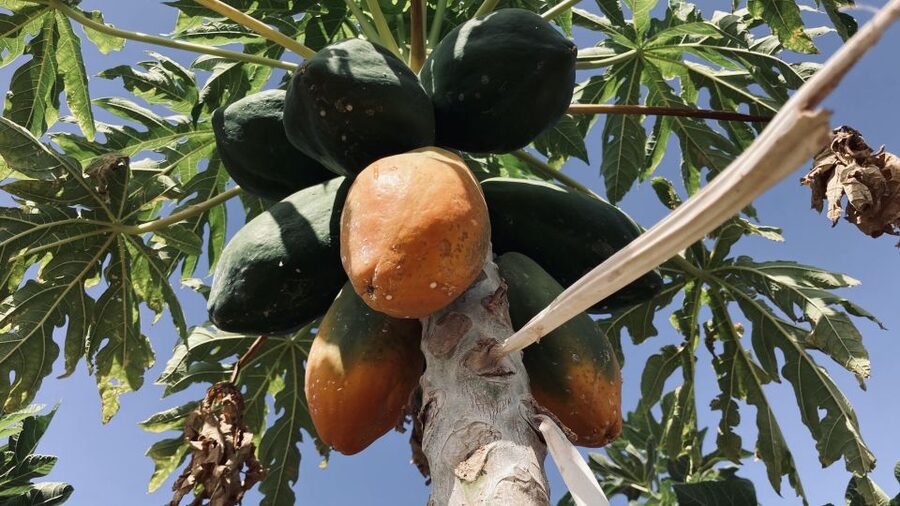
- Cactus fruit and jam tasting that helps you understand how prickly pear fits local life
- Live cooking show focused on green mojo, including local garlic sauce basics
- Olive oil production story with olive-tree farm guided tours and tastings
- Majorero goat cheese and wine pairing with a clear sense of why this cheese is famous
- Four pickup/drop-off options in southern Fuerteventura, making it easier to match your stay
Fuerteventura’s food scene, minus the tourist shortcuts
Fuerteventura isn’t just sand and wind. It’s also an island of farms, small traditions, and everyday ingredients that get turned into food you actually want to eat more than once. This tour is built for that side of the island.
You start the day with a hotel pickup in the south, then move by van between stops. There’s a lot of “hands-on food learning,” but it never feels like a classroom. You’ll taste along the way, and you’ll also get guided tours at the fincas, so you’re not guessing how anything is made.
If you care about local flavors and you don’t want a rigid, rushed meal schedule, this is the kind of tour that makes sense. The pace gives you time to walk a bit, look closely at what’s growing, and then enjoy what comes from it.
You can also read our reviews of more tours and experiences in Fuerteventura.

Price and what you actually get for $92
At about $92 per person for a 5-hour tour, the value is mainly in the mix: guided finca visits plus multiple tastings at different stops. A lot of food tours focus on eating. This one also focuses on why the food tastes the way it does.
You’re paying for:
- pickup from your hotel area in the south (or a meeting point if you’re in an apartment)
- a professional guide in German
- guided tours at the fincas
- tapas at each finca
- additional food tastings that include cactus fruit items, mojo, olive oil, and goat cheese
Could you do a similar day on your own? Sure, but you’d lose the guided context and you’d likely spend more time coordinating rides between farms. For many people, that’s the real cost difference. Here, you hand over your time and someone else handles the route.
Picking up around Morro Jable, Costa Calma, and Tarajalejo
Convenience matters on a half-day tour, and this one is thoughtfully set up for people staying across southern Fuerteventura. You get four pickup options: Tarajalejo, Costa Calma, Esquinzo, and Morro Jable. That reduces the “where exactly do we meet” stress that can ruin a morning.
Once you’re collected, the first van ride is about 45 minutes. That’s long enough to settle in, but short enough that the day doesn’t feel like you’re stuck in transit. Later, there are more short transfers (around 15 minutes and 30 minutes) to connect the stops.
If you’re traveling as a group of two or three, this small-group format (max 16) can be a nice sweet spot. It’s big enough to feel social, but small enough for the guide to actually talk with you rather than only at you.
Secret stop time: guided walking, then food learning
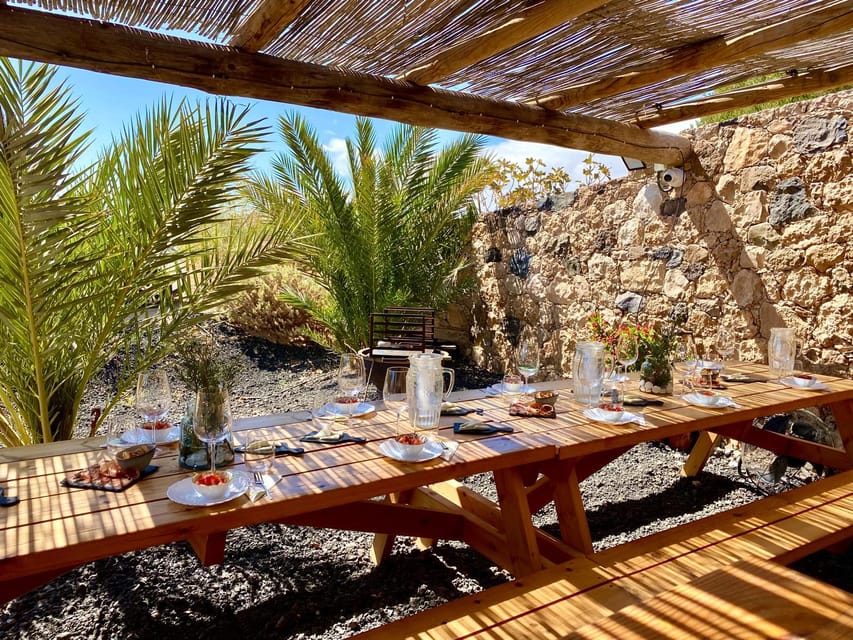
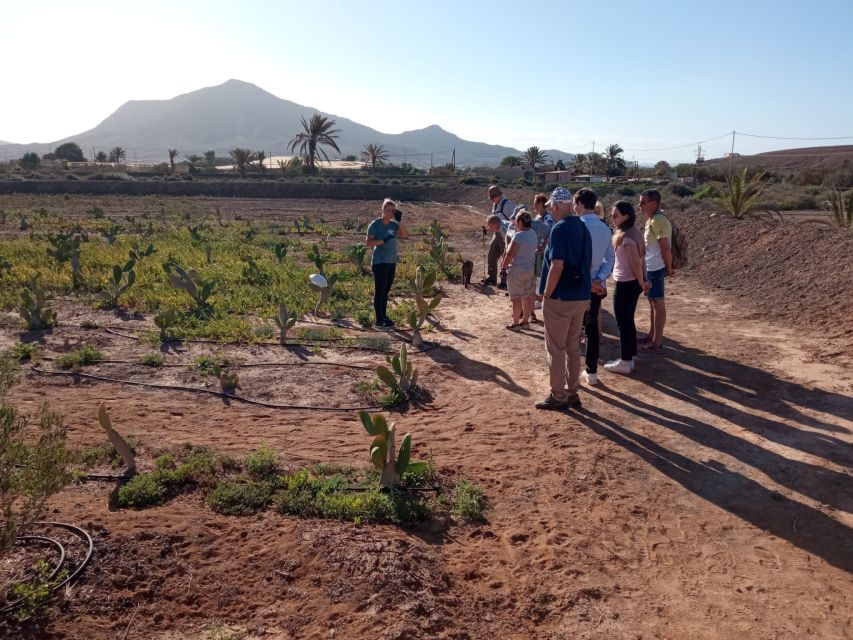
After the first van ride, you’ll reach a secret stop with a guided tour lasting about 2 hours. The “secret” part matters less than the structure: you’re not just driving from one lunch to the next. You’re getting time to understand local life in a specific setting.
This is one of the moments where the tour’s “local life” identity shows. You’re seeing the lesser-known sides of Fuerteventura, including scenic green areas that you might not expect on an island known for dry landscapes. That contrast can genuinely change how you think about the island.
What you do here sets up what you’ll taste later. You’ll start building a mental map for the day: ingredients, farms, and the traditions that turn them into food.
Green mojo cooking show: learn the flavor, not just the name
One of the most useful parts of this tour is the live cooking show where you learn to prepare green mojo, the Canarian garlic sauce. This isn’t just watching someone cook. The idea is to connect the sauce to the ingredients and the local logic behind it.
Green mojo is the kind of thing that can taste hard to copy if you only ever see it on a plate. But once you understand the approach used by local cooks, it becomes easier to recreate at home. Even if you never cook it again, you’ll know what to look for the next time you order it in a restaurant.
This section also helps you “decode” the rest of the day’s tastings. When you later eat tapas with mojo alongside other items, it’s easier to see how it all connects.
Olive tree farm: olives, oil, and why timing matters
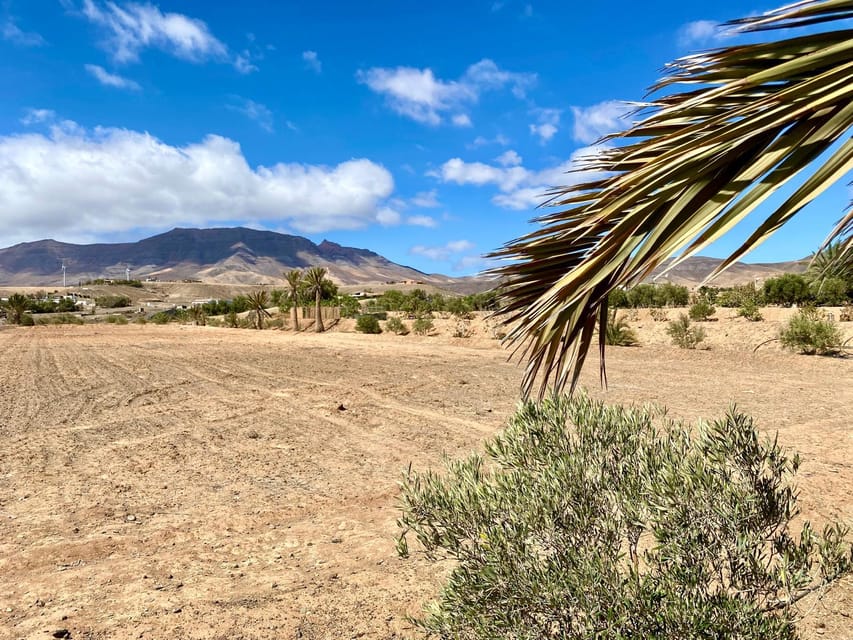
Olive farming is one of those quiet forces behind Mediterranean food, and here you’ll see how the process works rather than only hearing the marketing version. You’ll observe olive oil production, taste extra virgin olive oil from Fuerteventura, and learn about olives and local production traditions.
A key practical note: the olive farm can’t offer its own oil for sale from February until September 2026 due to a small harvest in recent years. That doesn’t necessarily mean tastings stop. It does mean you should think of this stop more as an education and tasting experience than a “buy the souvenir oil” moment.
There’s also a weather contingency: if conditions are bad, the olive farm may not offer its own oil. In that case, you’ll still have an oil tasting using extra virgin olive oil from another local farmer. Translation: you’re not paying for a weather gamble.
This is a good spot for anyone who wants more than “olive oil tastes good.” You’ll pick up the idea that oil is seasonal, farm-specific, and tied to real-world constraints. That makes the tastings more meaningful.
Prickly pear: cactus fruit and jam that tastes like a surprise
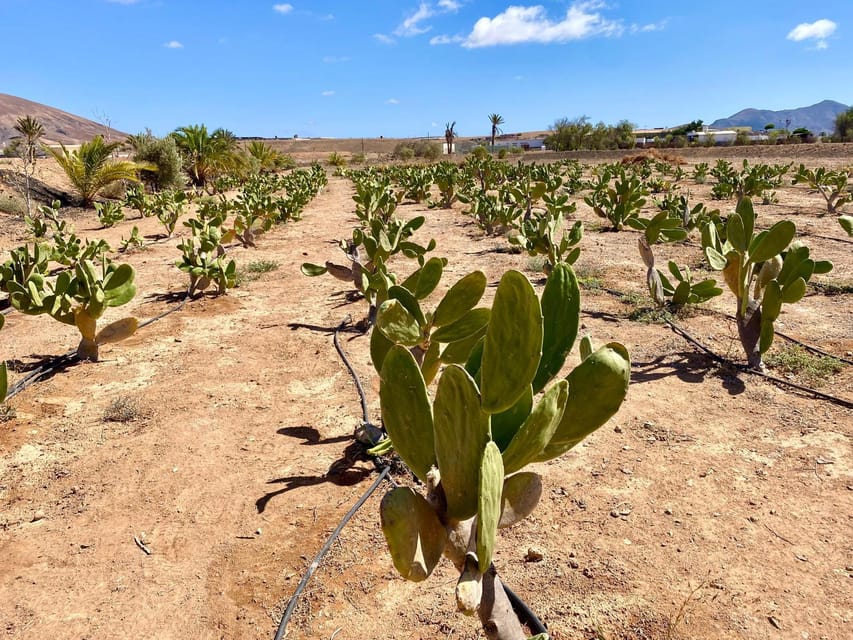
Fuerteventura’s cactus fruits are one of the most interesting “ingredient-to-plate” stories on the island. You’ll taste prickly pear items, including cactus jam. You’ll also learn about the fruit itself—what it is, how people use it, and why it belongs in a place where water and growing conditions aren’t always gentle.
Prickly pear can sound exotic on paper. The payoff is when it shows up as something you can actually understand on the tongue—sweet, jammy, and clearly part of local food culture rather than a novelty garnish.
For me, this is one of the tour elements that feels genuinely “Fuerteventura,” not just Spanish food moved to a different setting. It gives you a taste memory that isn’t interchangeable with any other island.
Majorero goat cheese and red wine: the payoff platter
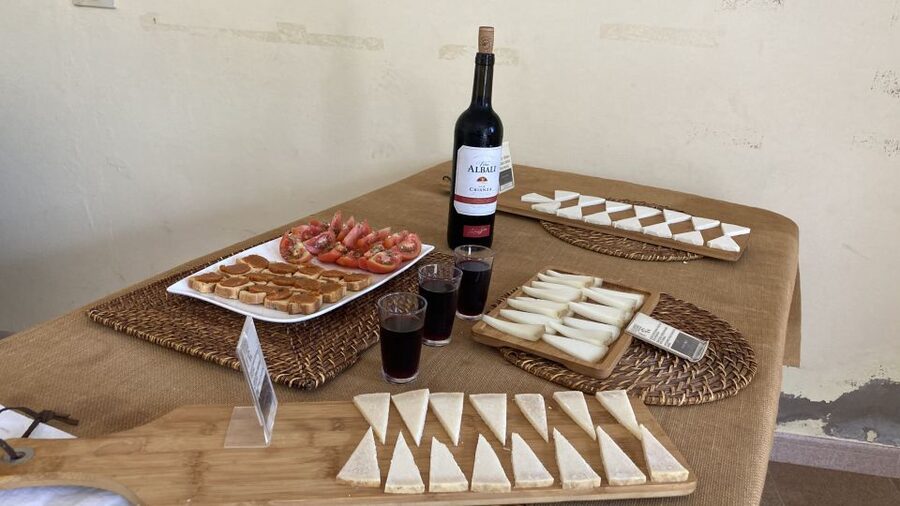
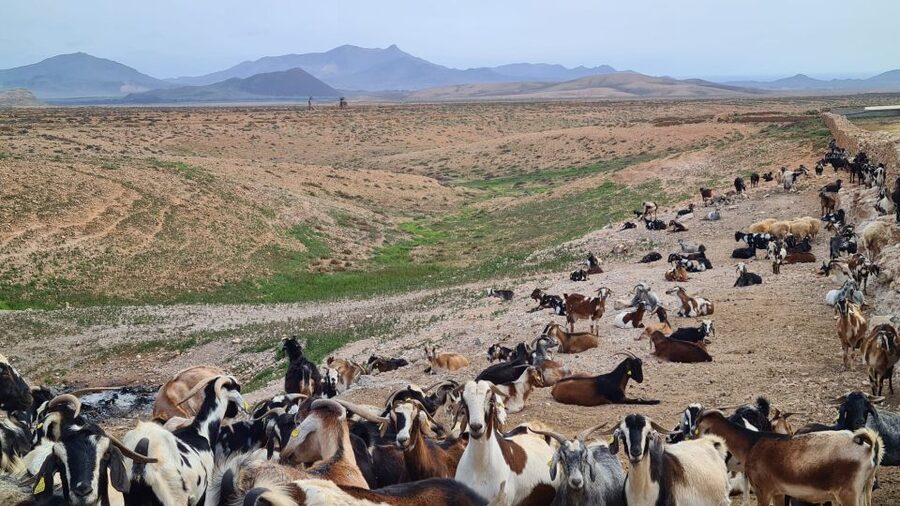
Then comes one of the main reasons to take a farm-and-food tour instead of just doing beaches. You’ll meet the Majorero goat, and you’ll taste several cheeses that have won international awards.
That award detail matters because it signals quality and consistency, not just local pride. You’ll also see why the cheese fits into everyday Canarian eating traditions.
The cheese also tastes especially good with a glass of red wine. That pairing isn’t an afterthought here. It’s part of how the tasting is set up, and it helps you notice flavors you might miss if you only taste cheese with water or plain bread.
If you’re a cheese person, you’ll likely enjoy this stop most. If you’re not, it’s still a good moment because the guide helps you make sense of what you’re tasting, so it doesn’t feel like “try random bites and hope for the best.”
Transportation breaks: van rides that keep the day flowing
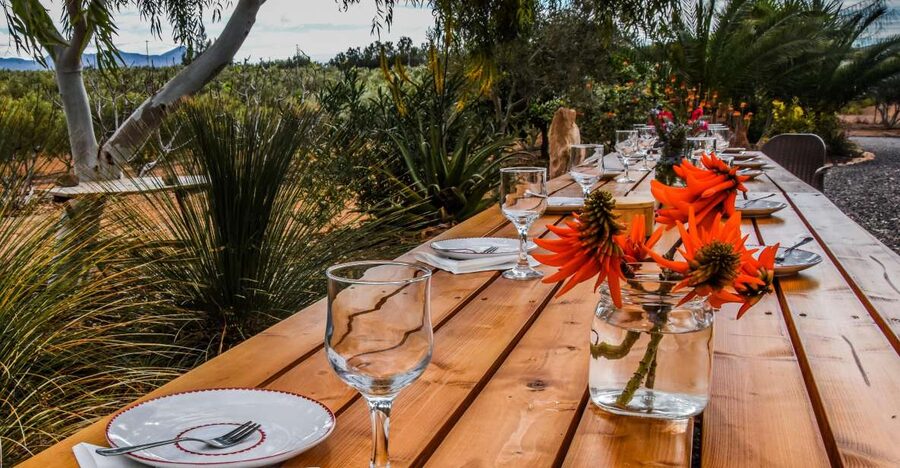
The van time is not a throwaway detail. The route is doing a job: connecting multiple fincas in a way that keeps the total day to about 5 hours.
You’ll have:
- a 45-minute van ride early on
- a 15-minute transfer between stops
- another 30-minute transfer later
The best part is that the stops are planned like segments, not interruptions. You don’t lose the day to endless driving, and you keep getting guided time at each location.
One tip: bring what you need for the ride too. If you’re sensitive to sun or wind, you’ll appreciate sunscreen and a hat before you’re staring at a bright afternoon sky while the van picks up speed.
What the guide really adds (and why the language matters)
This tour runs with a live tour guide in German. If you speak German comfortably, you’ll likely get the most out of the explanations—especially during olive oil and cheese talks. If you don’t, you can still enjoy the tastings and guided walks, but you may have to rely more on the food itself and fewer details about the background.
Names show up in the experience in a human way. One review highlights Adrian as especially impressive at the olive farm, with both knowledge and a love of his trees. Another mentions Kristina as a welcoming host during the day. Those are the kinds of guides you want for a tour like this, because the best farm stories come from people who care.
Even with any language barrier, a good guide makes you feel like you’re getting real answers, not just a scripted route.
Who this tour suits best
This is a strong fit if you:
- want to eat local Fuerteventura food rather than only “fancy tapas” that could be anywhere
- like small-group days where you can ask questions and move at a human pace
- enjoy learning how ingredients are made (olive oil) and how they become flavors (mojo, jam)
- want a food-focused tour that still feels like you’re seeing the island
It may be less ideal if you:
- need step-free or wheelchair-friendly logistics (this isn’t suitable for wheelchair users or people with mobility impairments)
- dislike sun-heavy outdoor walking, because you’ll want a hat and sunscreen
It’s also worth noting that water isn’t included. You’ll want to plan for that so you’re not stuck feeling dehydrated halfway through a tasting-heavy day.
Practical tips so your day stays comfortable
This tour is outside, farm-based, and tasting-heavy. A few small choices can make a big difference.
Bring:
- Water
- Sunscreen
- A hat
Wear:
- closed-toe shoes if you have them, because sandals or flip flops are not allowed
Also, keep expectations realistic. You’re going to taste a lot. Pace yourself. If you’re the kind of person who powers through food, this might be a long day. If you prefer slower bites and chatting, the structure here supports that.
When the olive farm can’t sell oil (and what still happens)
Because of harvest limitations, there’s a period in February through September 2026 where the olive farm can’t sell its own oil. Separately, bad weather can prevent the farm from offering its own oil.
The key point for you is that they plan alternatives: you’ll still get an olive oil tasting using extra virgin oil from another local farmer when necessary. So your educational focus and your tasting shouldn’t fall apart because of timing or weather.
Should you book this tapas and local life tour?
If you want a 5-hour snapshot of Fuerteventura that goes beyond the usual sights, I’d say yes. The value sits in the combination of guided finca time plus multiple tastings, not just one big meal. You also get ingredient education you can carry with you, whether it’s green mojo, prickly pear jam, or how Majorero goat cheese fits into the island’s food culture.
Book it if you’re comfortable with a German-led guide and you’re okay with an outdoor, walking-and-tasting style day. Skip it only if you need accessibility accommodations or you know you’ll struggle without included water and with the no-sandals rule.
FAQ
FAQ
How long is the Fuerteventura tapas and local life guided tour?
The tour lasts 5 hours.
What areas are pickup and drop-off in?
Pickup and drop-off are offered in the south of Fuerteventura with four options: Tarajalejo, Costa Calma, Esquinzo, and Morro Jable.
What language is the tour guide?
The guided tour is in German.
What kinds of food and tastings are included?
You’ll have tapas at each finca and taste local foods such as cactus fruit (including cactus jam), mojo sauces (with a live cooking show for green mojo), olive oil, and Majorero goat cheeses, plus wine during the tasting stop.
Is water included?
No. Water is not included.
What happens if the weather affects the olive farm?
If weather is bad and the olive farm cannot offer its own oil, the tour provides an alternative oil tasting using extra virgin olive oil from another local farmer.