REVIEW · MADRID
Madrid: Paella & Tapas Cooking Class and Market Visit
Book on GetYourGuide →Operated by Devour Tours · Bookable on GetYourGuide
Paella lessons start with a market. I especially love the market visit for ingredient quality and the hands-on cooking with Chef Daniel. One catch: it’s not set up for wheelchairs or for children under 12, mainly because of hot stoves and sharp knives.
This is a 3.5-hour, English-language class in a private kitchen in Madrid’s Huertas neighborhood, with a sweet vermouth aperitif and a real focus on what makes Spanish dishes taste Spanish. You’ll learn a Basque-style tapa, make homemade croquetas, and cook an authentic Valencia paella, then end with crema catalana.
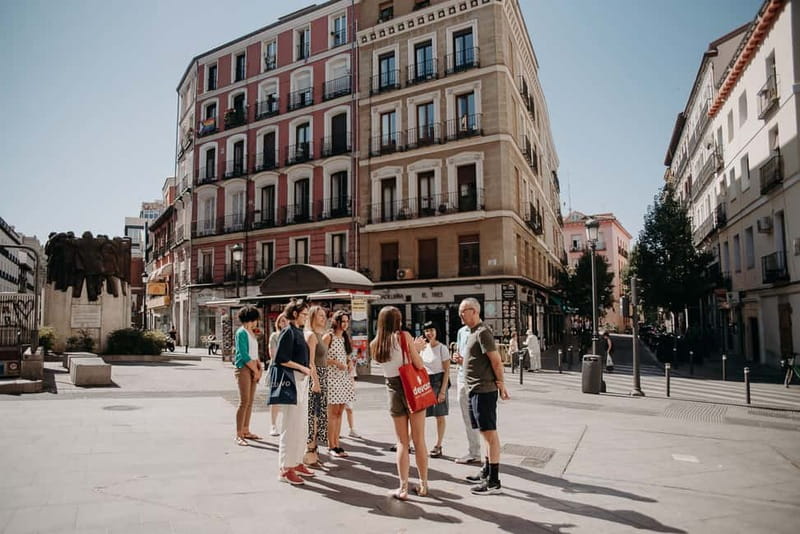
Logistically, plan to wear comfortable shoes and meet at Plazuela Anton Martín (near the statue of El Abrazo / the Hug). There’s no hotel pickup, so you’ll want to be comfortable walking a bit before the cooking starts.
In This Review
- Key Things That Make This Paella & Tapas Class Worth Your Time
- Market Morning at Plazuela Anton Martín: Where the Food Story Begins
- Shopping Like a Local: How the Market Sets You Up for Real Paella
- The Aperitif Moment: Sweet Vermouth and a Basque-Style Tapa
- Cooking Croquetas the Hands-On Way (and Actually Understanding the Steps)
- Paella Valenciana: How to Spot the Real Thing and Cook It
- Lunch and Dessert: Vermouth’s Spanish Follow-Through
- Price and Value: Is $108 for 3.5 Hours Reasonable?
- Who This Cooking Class Suits Best (and Who Should Skip It)
- Quick Practical Tips Before You Go
- Should You Book the Madrid Paella & Tapas Cooking Class?
- FAQ
- How long is the Madrid paella and tapas cooking class?
- Where does the tour meet?
- What’s included in the price?
- Is hotel pickup included?
- What language is the class taught in?
- Can the class accommodate dietary restrictions?
- What should I bring?
- Is this experience suitable for children?
- What’s the cancellation policy?
- Is there a pay-later option?
Key Things That Make This Paella & Tapas Class Worth Your Time
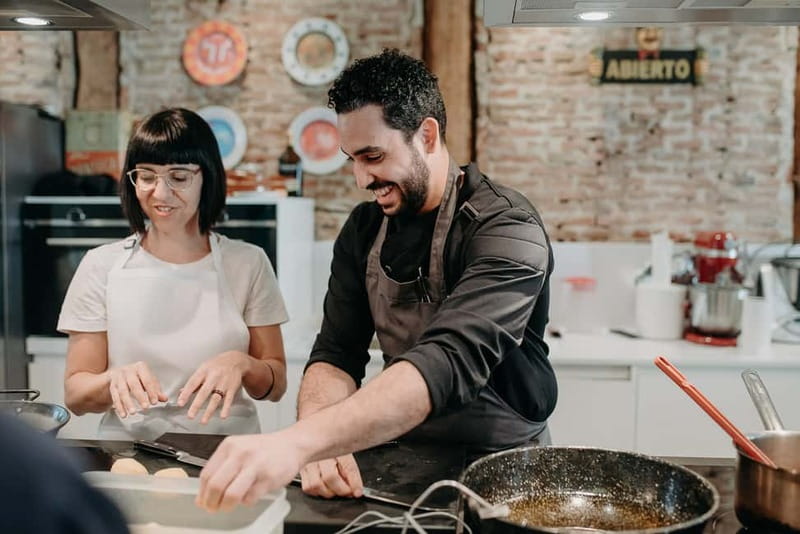
- Historic market shopping first, so you understand what good ingredients actually look like in Madrid
- Sweet vermouth aperitif in the kitchen, setting the tone before you cook
- Chef Daniel’s guided workflow, from prep to plating so you can follow the logic at home
- Hands-on tapas plus paella, not just watching while someone else cooks
- Crema catalana prep and tasting, so dessert isn’t an afterthought
- You get a PDF cookbook with the instructions, which makes this more than a one-off meal
Market Morning at Plazuela Anton Martín: Where the Food Story Begins
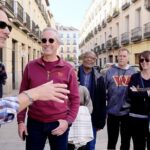
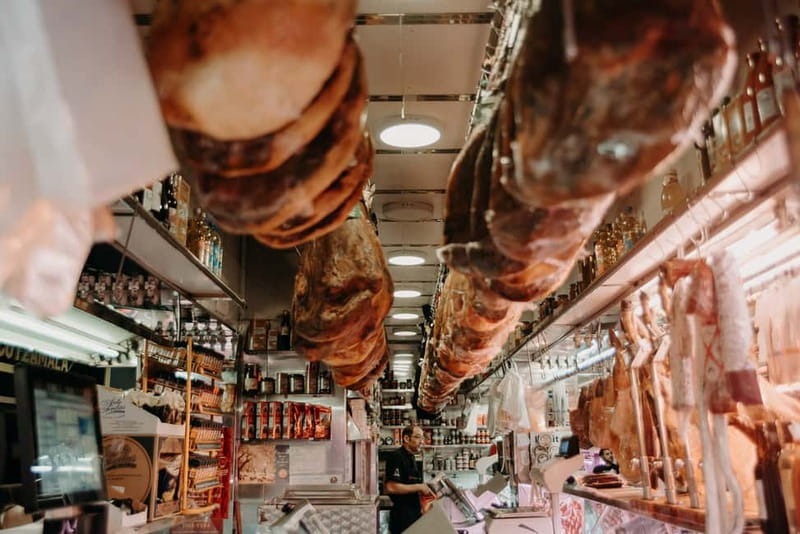
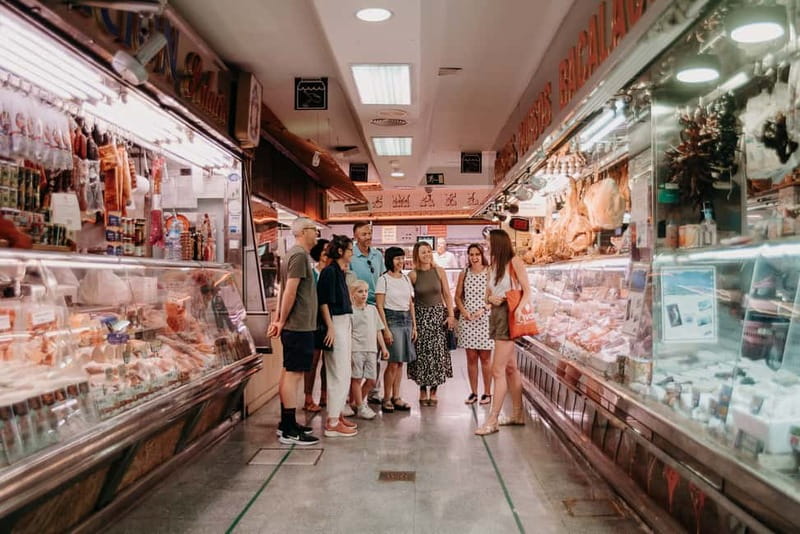
If you only do one thing in Madrid food-wise, make it start before the kitchen. This class meets near Plazuela Anton Martín, by the statue of El Abrazo (the Hug), and the timing matters: you’re shopping while the day’s produce and specialty foods are at their best.
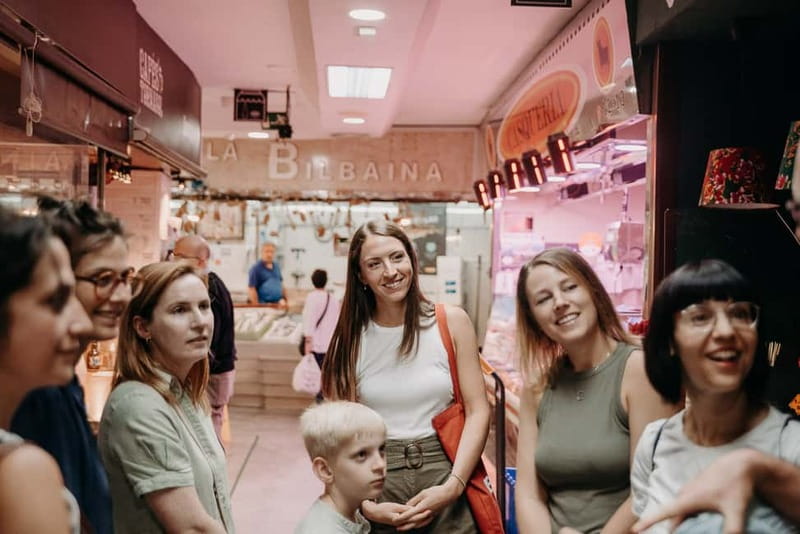
I like that the market part isn’t just photo time. You’re shown how Spanish cooking starts with buying the right basics—what to look for, why certain products matter, and how to spot good quality. That’s the difference between eating tapas and understanding tapas.
You’ll also get that neighborhood feel fast. The tour meets around a historic market where locals have been buying food for ages, so you’re not stuck in a tourist-only zone. It’s practical, not performative.
Good to know: you’ll be walking, and you’ll want comfortable shoes. There’s no hotel pickup, so build in a little extra buffer to reach the statue on time.
You can also read our reviews of more tours and experiences in Madrid.

Shopping Like a Local: How the Market Sets You Up for Real Paella
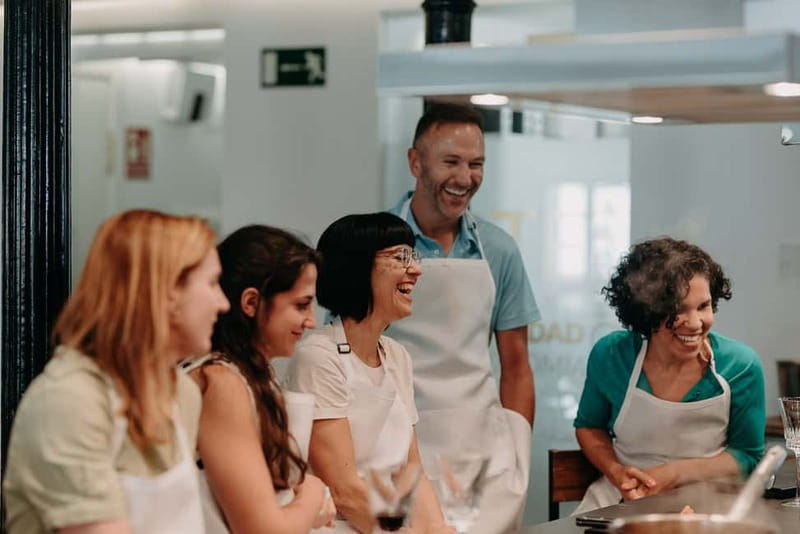
The market visit is where the lesson quietly starts. You’ll talk with vendors, then pick up fresh ingredients to carry into the cooking phase. It’s not meant to overwhelm you with a long list; it’s meant to teach you how Spanish cuisine thinks: buy quality, then let it do the work.
Here’s what this kind of market stop changes for you as a home cook:
- You learn what “good” looks like in real life, not just in a recipe.
- You understand why certain flavors show up again and again in Spanish food.
- You stop guessing when you’re buying staples later.
The class focuses on Spanish building blocks, so you’re not only grabbing ingredients for a specific dish. You’re gathering components that show up in more than one course—exactly what you need if you want to recreate the meal later.
One practical consideration: dietary needs are handled, but not automatically for every situation. The tour is adaptable for vegetarians, pescatarians, gluten-free (not celiacs), non-alcoholic options, and pregnant women. It is not suitable for vegans, celiac disease, or lactose intolerance. If you have allergies or very specific needs, contact the provider so they can arrange ingredients.
The Aperitif Moment: Sweet Vermouth and a Basque-Style Tapa
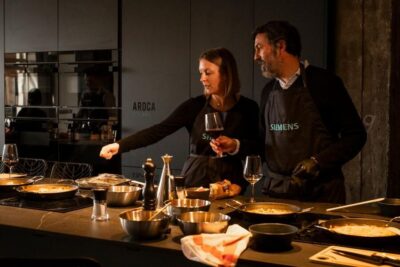
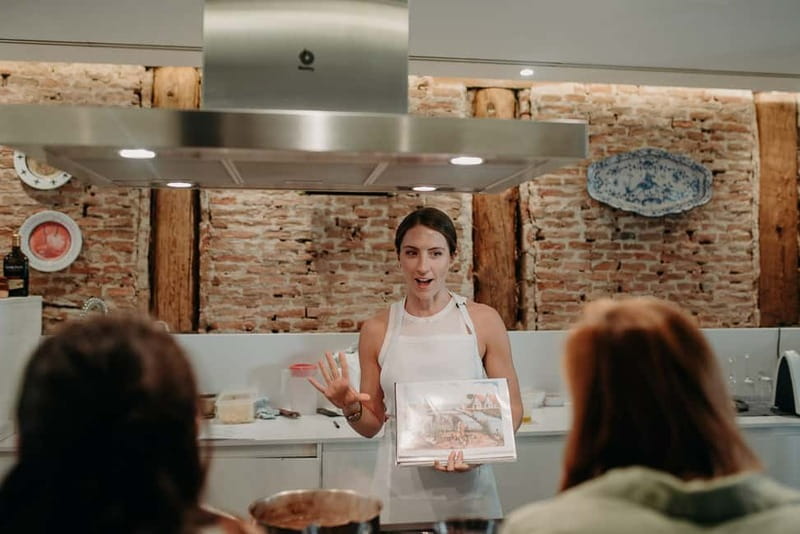
After the market, the pace shifts from shopping to cooking. You head behind the scenes into a kitchen space reserved for your small group in Madrid’s Huertas neighborhood, where Chef Daniel is ready with a plan and a friendly rhythm.
Before any stoves go on, you’ll enjoy a typical sweet vermouth aperitif in the kitchen. This is a smart move. Vermouth isn’t just a drink here—it’s part of the Spanish pre-dinner flow, and it helps you settle into the idea that meals are built in stages.
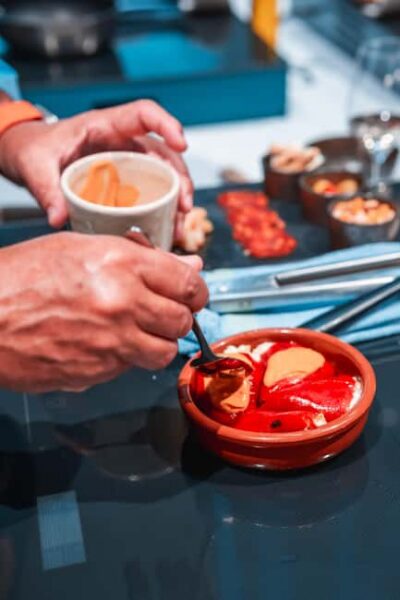
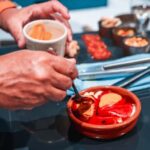
Then you assemble a cheese plate and a traditional tapa from the Basque region. Even if you’ve eaten pintxos before, this gives you a clearer sense of how toppings, textures, and balance work. You’re not just mixing ingredients—you’re learning why things pair well.
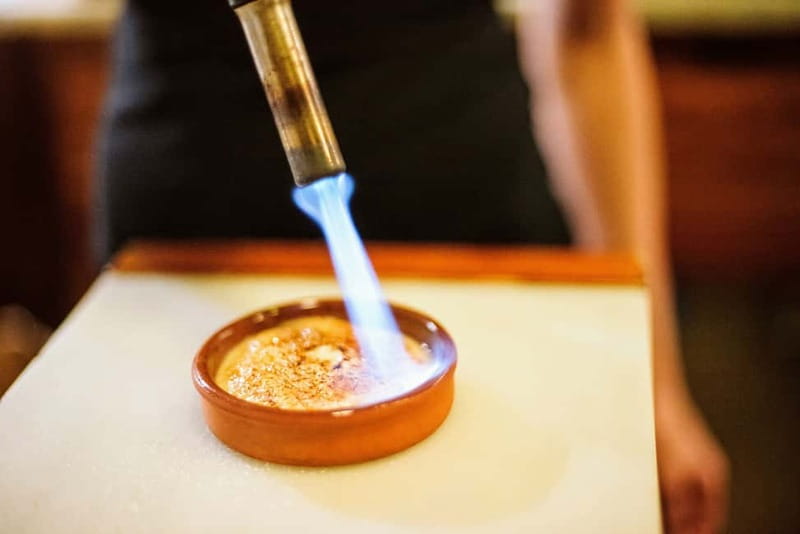
And while you’re snacking and sipping, you’ll observe the chef as they prep crema catalana for later. That setup matters because it gives you a sensory preview: you know what you’re working toward.
Cooking Croquetas the Hands-On Way (and Actually Understanding the Steps)
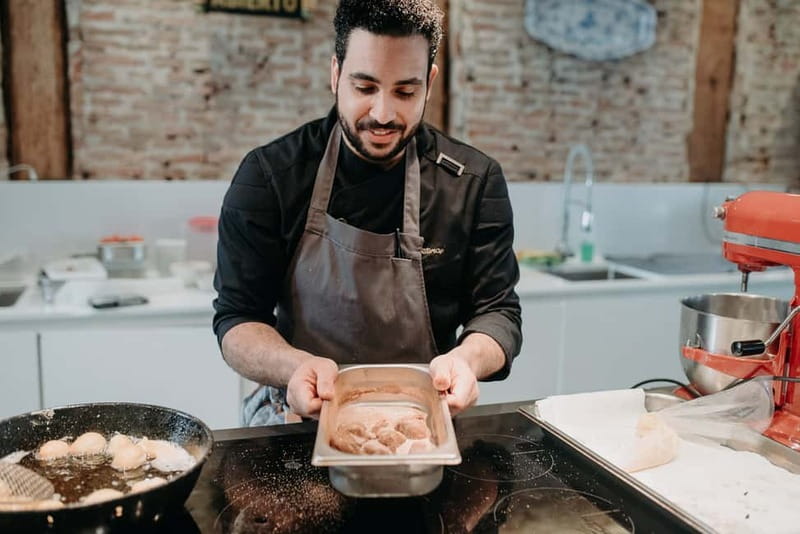
Croquetas are one of those foods that look simple but demand technique. This class makes sure you don’t treat croquetas like an instant mix.
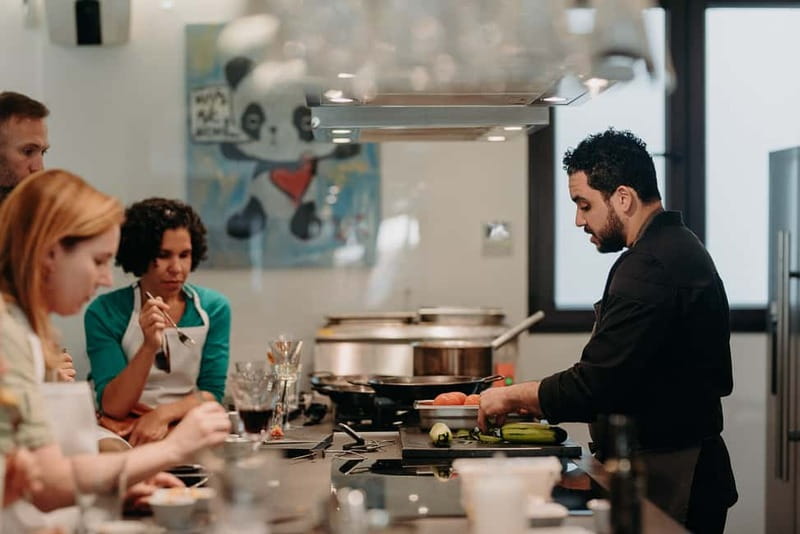
You’ll work elbow to elbow with your group to prepare a homemade croquetas tapa, guided step by step by the chef. The value isn’t just that you’ll leave with a plate of food—it’s that you’ll learn how the mixture should behave and what you’re aiming for as you cook and shape.
From the reviews and the way this class is structured, the teaching style sticks. People consistently call out the fun, the clear instructions, and the chef’s ability to connect the food to the culture. If you enjoy learning by doing, this format is a good fit.
And since the class provides a PDF cookbook, you’re not stuck trying to remember every detail once you get home. That kind of follow-up is what turns a good meal into a skill.
Paella Valenciana: How to Spot the Real Thing and Cook It
Paella is the headline dish, but it’s also the place where misinformation can sneak in. This class gives you the background you need to cook with confidence—especially if you’ve had paella that was more yellow rice than Valencia-style.
You’ll prepare authentic paella from Valencia, with your chef explaining the history and, importantly, how to spot true paella Valenciana. That’s not trivia. It’s a cooking compass. You learn what you should expect in terms of approach and ingredients, and you start to understand why “any rice dish in a pan” isn’t the same thing.
One thing I appreciate: the chef doesn’t just say “do this.” You get context about why the process matters, which makes the final result taste like you planned it, not like luck happened.
Also, the timing is built in. You won’t be rushing between tasks. You’ll cook, taste, and get guidance along the way. That pacing helps you focus on the important parts without getting overwhelmed.



Lunch and Dessert: Vermouth’s Spanish Follow-Through
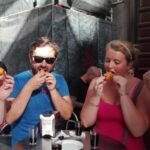
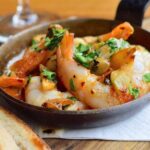
When the cooking wraps, you sit down to enjoy what you made. Your lunch includes the dishes cooked in class, paired with your choice of beer or wine. It’s a full meal, not a tiny tasting with a hard stop.
Then comes the sweet finish: you eat the crema catalana prepared during the aperitif stage. The best part of having dessert included right after the cooking lessons is that it ties the whole experience together. You learn savory technique, then you finish with a dessert that feels like it belongs in the same Spanish meal rhythm.
The classroom-to-table format also builds a casual sense of group energy. You’re working together, tasting together, and sharing the same chef explanations—so it doesn’t feel like a lecture. It feels like learning and eating at the same time.
Price and Value: Is $108 for 3.5 Hours Reasonable?
At $108 per person for a 3.5-hour experience, this isn’t the cheapest way to eat in Madrid. It also isn’t trying to be.
The value comes from three things working together:
- You get a market visit plus real ingredient context.
- You cook multiple dishes: a Basque tapa, croquetas, and Valencia paella, plus dessert.
- You receive drinks and lunch, in a private kitchen setting.
If you’re the type who likes to cook at home and wants something you can repeat, the PDF cookbook plus guided technique makes the price feel more like a food education than a one-time meal.
If your goal is just to taste tapas and move on, you might find cheaper options. But if you want to leave with skills, this one holds up.
Who This Cooking Class Suits Best (and Who Should Skip It)
This class is a strong match if you:
- Like learning through cooking, not just watching
- Want an authentic Valencia paella focus, not a generic paella experience
- Enjoy market time and ingredient selection
- Care about a structured meal flow with dessert included
It’s a tough fit if you:
- Need mobility accommodations (it’s not suitable for wheelchairs or strollers)
- Are traveling with kids under 12 (the kitchen setup includes sharp knives and hot stoves)
- Need vegan meals, celiac-safe gluten handling, or lactose-free options (the class is not suitable for vegans, celiac disease, or lactose intolerance)
If you’re in a workable dietary category—like vegetarian, pescatarian, gluten-free not celiac, or you just want non-alcoholic—there’s a good chance it can be adapted, but check with the provider if you have allergies.
Quick Practical Tips Before You Go
- Wear comfortable shoes. You’ll be moving between the meeting point, the market area, and the kitchen.
- Arrive about 15 minutes early so you don’t feel rushed finding the guide with the red bag / Devour sign.
- Bring a curious mindset. The best part of these classes is the why behind the food, especially for paella.
Also, since this is in English, it’s ideal if you want clear explanations. If English isn’t your strength, you still might enjoy the cooking, but the main value here is the chef’s guidance.
Should You Book the Madrid Paella & Tapas Cooking Class?
I’d book this if you want a true Madrid food experience: market shopping, a kitchen lesson with Chef Daniel, and a full meal you made yourself. The pairing of market context plus multiple dishes (croquetas, paella, and crema catalana) is what makes it feel like more than a ticket to lunch.
Skip it if you’re traveling with young kids, need wheelchair access, or fall into the categories it can’t safely accommodate (vegans, celiac disease, lactose intolerance). In those cases, you’ll waste time negotiating instead of cooking.
If you’re on the fence, think of it this way: you’re not just paying for paella. You’re paying for the steps you can repeat after you’re home.
FAQ
How long is the Madrid paella and tapas cooking class?
It lasts about 3.5 hours. Starting times vary, so you’ll want to check availability.
Where does the tour meet?
You meet at Plazuela Anton Martín 28012, by the statue of El Abrazo (the Hug). You should arrive 15 minutes early.
What’s included in the price?
The tour includes a guide, market visit, traditional aperitif, cooking class, lunch (the dishes you cook), and drinks.
Is hotel pickup included?
No. Hotel pickup and drop-off are not included.
What language is the class taught in?
The tour is conducted in English with a live guide.
Can the class accommodate dietary restrictions?
It can be adapted for vegetarians, pescatarians, gluten-free (not celiacs), non-alcoholic options, and pregnant women. It’s not suitable for vegans, celiac disease, or lactose intolerance. If you have allergies, contact the provider.
What should I bring?
Wear comfortable shoes. That’s the main listed requirement.
Is this experience suitable for children?
No, it’s not suitable for children under 12 due to sharp knives, hot stoves, and high surfaces.
What’s the cancellation policy?
You can cancel up to 24 hours in advance for a full refund.
Is there a pay-later option?
Yes. You can reserve now and pay later to keep plans flexible.