REVIEW · MALAGA
Malaga: The Ultimate Tapas Workshop with Market Visit
Book on GetYourGuide →Operated by Kulinarea · Bookable on GetYourGuide
Small plates, real skills.
This hands-on tapas workshop in Malaga teaches what tapas mean in everyday Spanish life, not just how to follow a recipe. You’ll start with a walk to the Atarazanas Food Market on morning sessions (Mon–Sat), meeting guides like Felipe who help you understand what you’re buying and why. Later, you move into the kitchen to cook classic plates and eat what you make.
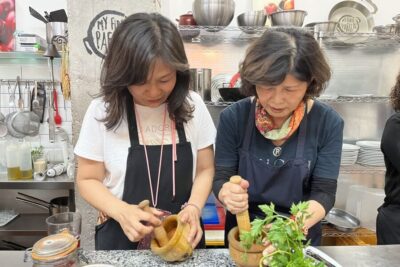
What I like is the way the class stays interactive. You’re not stuck watching from one side of the room—guides such as Javier and hosts like Alba and Carmen keep things moving, and you get a real chance to cook alongside the local chef. I also like the built-in pairings: sangría plus wine/beer/soft drinks matched to the menu, so dinner isn’t an extra cost headache.
One consideration: it’s not suitable for vegans, so if that’s you, you’ll need another option. Also, the market part doesn’t run on Sundays/evenings/national holidays because it’s closed, so expect the format to shift slightly.
In This Review
- Key things I’d plan around
- Tapas in Malaga: why this class feels different
- Meeting point and what to expect at Kulinarea
- Atarazanas Market walk: what you learn before you cook
- Kitchen setup in Soho District: same cooking goal, different timing
- The menu you’ll cook and eat (and why it matters)
- Hands-on cooking: what makes it feel worth $78
- Wine and drinks: pairing without making it complicated
- Guides and chefs: the people who make the class run
- Dietary needs and who this is (and isn’t) for
- The take-home apron and recipes: practical souvenirs, not clutter
- Price and value: is $78 a fair deal?
- Who should book this tapas workshop?
- Should you book Kulinarea’s tapas workshop in Malaga?
- FAQ
- Where is the meeting point for the class?
- How long is the Malaga tapas workshop?
- Do I visit the Atarazanas Market every day?
- Is the class taught in English?
- Is it suitable for vegans?
- Is there flexibility for booking and cancellation?
Key things I’d plan around
- Atarazanas Market in daytime (morning sessions Mon–Sat): you learn ingredients before you cook
- Hands-on cooking, not a demo: the class is built so you actually make the food
- Wine pairing included: sangría plus wine/beer/soft drinks with your menu
- A take-home Kulinarea apron: small souvenir, big practical value
- Menu may change: seasonal availability and dietary needs can affect what’s on your table
- Guides keep it clear in English: multiple hosts are listed as leading the experience
Tapas in Malaga: why this class feels different
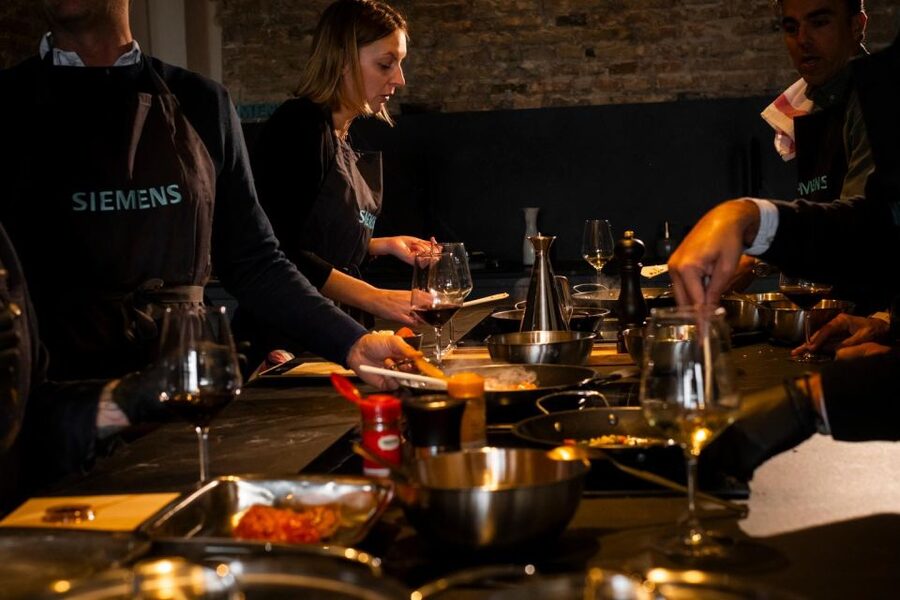
Tapas sounds simple until you try explaining it to someone who thinks it’s just small food. Here, tapas is treated like a culture: how you share, how you snack, and how Spanish home cooks rely on quality ingredients instead of heavy technique.
In a 3-hour slot, you get two useful things at once. First, a short walking portion where you can see the raw materials—the kind of fish, pantry staples, and produce that show up in real Andalusian cooking. Then you get the kitchen portion where the meaning clicks. When you learn the steps behind tortilla de patatas or the logic of a Pedro Ximénez sauce, you stop copying restaurant plates and start cooking the idea.
You can also read our reviews of more tours and experiences in Malaga.


Meeting point and what to expect at Kulinarea
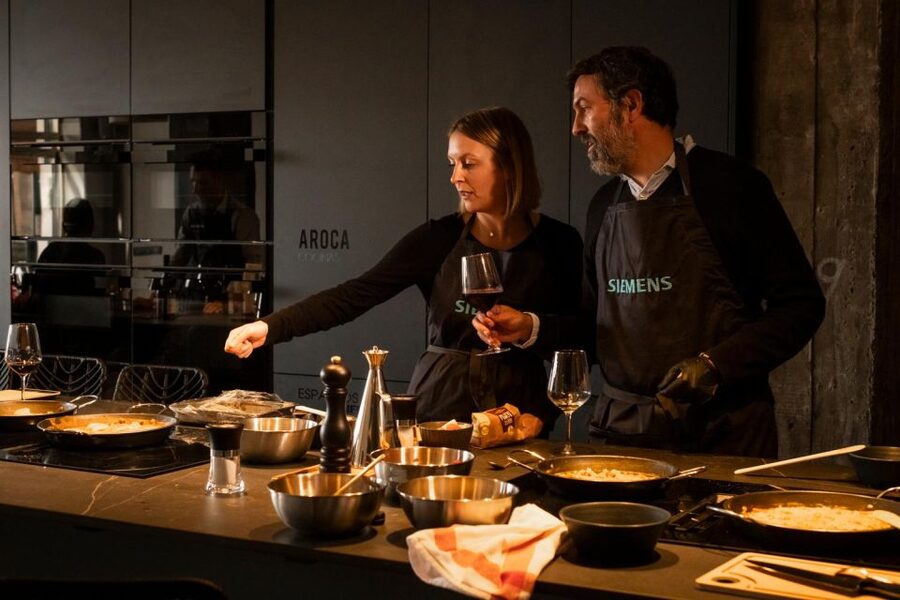
You meet at Kulinarea, at Av Manuel Agustín Heredia 24. If you’re driving, there’s an underground parking right in front: Parking de La Marina.
The practical win here is timing. The experience is only 3 hours, so the day doesn’t sprawl. You’ll go from walk to prep to cooking to eating without the long, awkward “wait time” that some food tours include. And since it’s an English live guide, you can ask questions and follow along without that slow translation lag.
If you’re coming with little ones: baby strollers and baby carriages aren’t allowed, and bare feet are also not permitted. Bikes also aren’t allowed, so plan to arrive on foot or by transit.
Atarazanas Market walk: what you learn before you cook
If you’re doing a morning session Monday to Saturday, you’ll take a short stroll to Atarazanas Food Market. The market visit is part sightseeing, part ingredient training.
This is where the class builds confidence. Instead of being handed vague “Spanish pantry items,” you learn how market buying affects what you can make later. In the market portion, guides like Felipe explain what you’re seeing and how it connects to the dishes you’ll cook. You also get a feel for how ingredients are chosen in Malaga—freshness, quality, and simple combinations that don’t need fancy tricks.
One drawback: this market step is not included when the market is closed. That means evenings, Sundays, and national holidays go straight to cooking in the kitchen space.
Kitchen setup in Soho District: same cooking goal, different timing
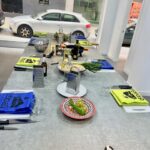
For evening classes and Sunday sessions, the market is closed, so you go directly to the cooking space. The kitchen is described as being in Malaga’s artistic Soho District, close to the market area, which keeps the whole experience easy to follow even without the daytime walk.
For you, the benefit is continuity: you still cook a set menu with guidance, you just lose the market “pre-game.” It’s a fine swap if you’re visiting on a Sunday or you’d rather not spend time walking in the evening.
The menu you’ll cook and eat (and why it matters)
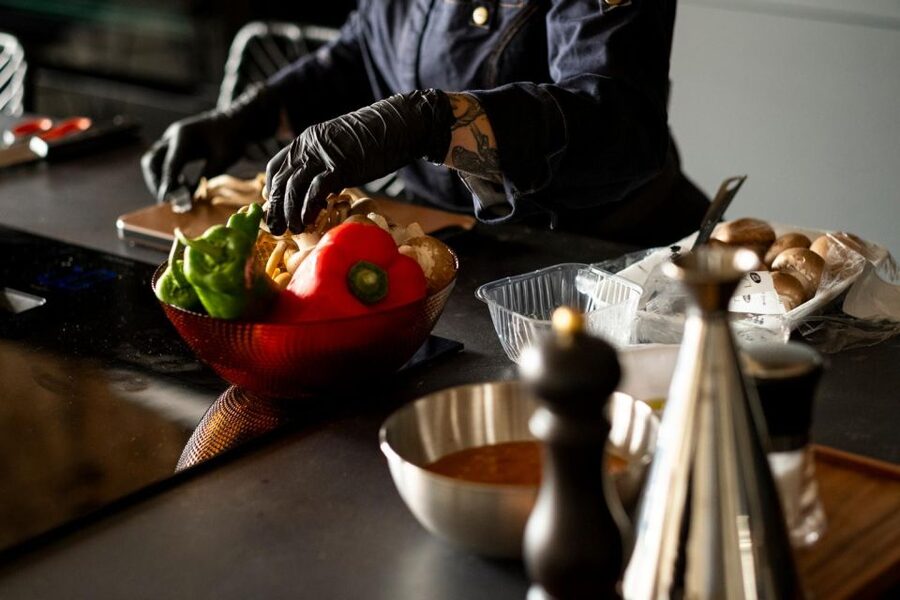
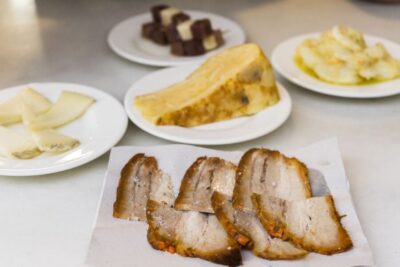
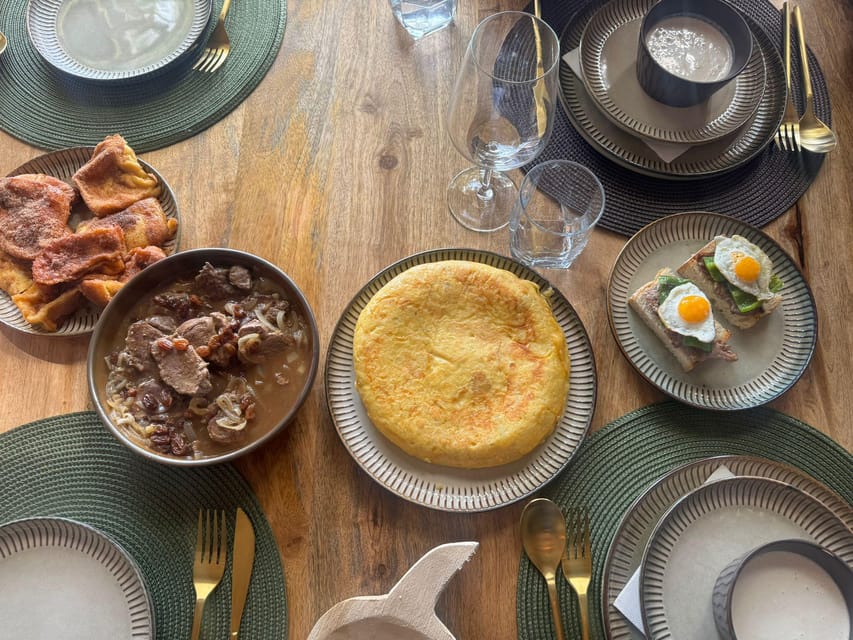
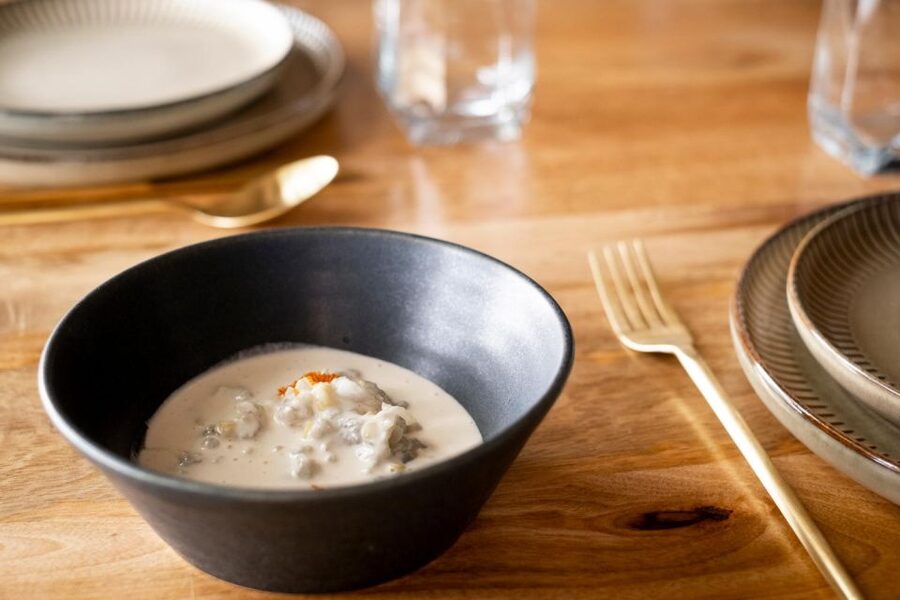
The menu is a sample and can vary for seasonal availability or dietary restrictions. Based on what’s listed, you can expect classics like:
- Sangría (included, and it shows up as part of the menu flow)
- Fideos tostados (crispy noodles)
- Tortilla de patatas (the traditional Spanish omelette)
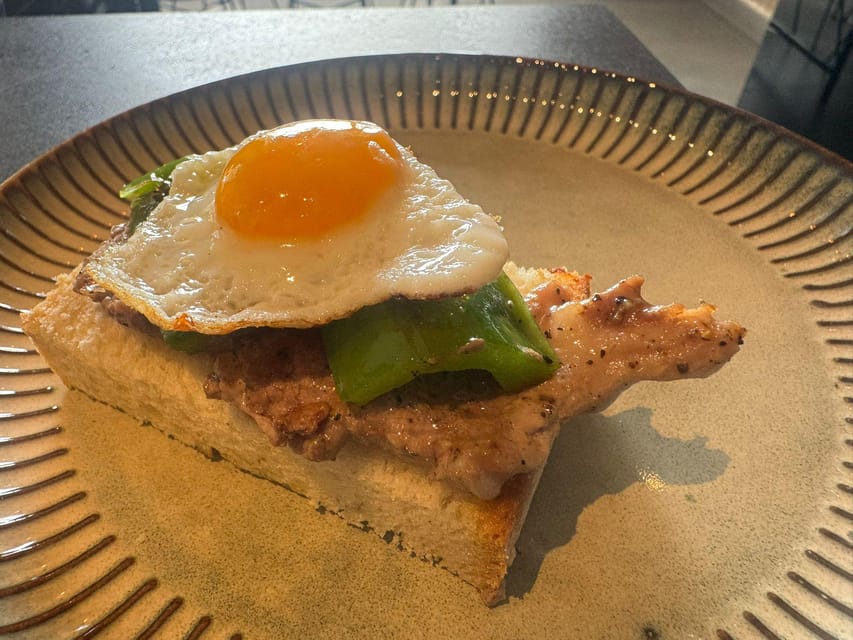
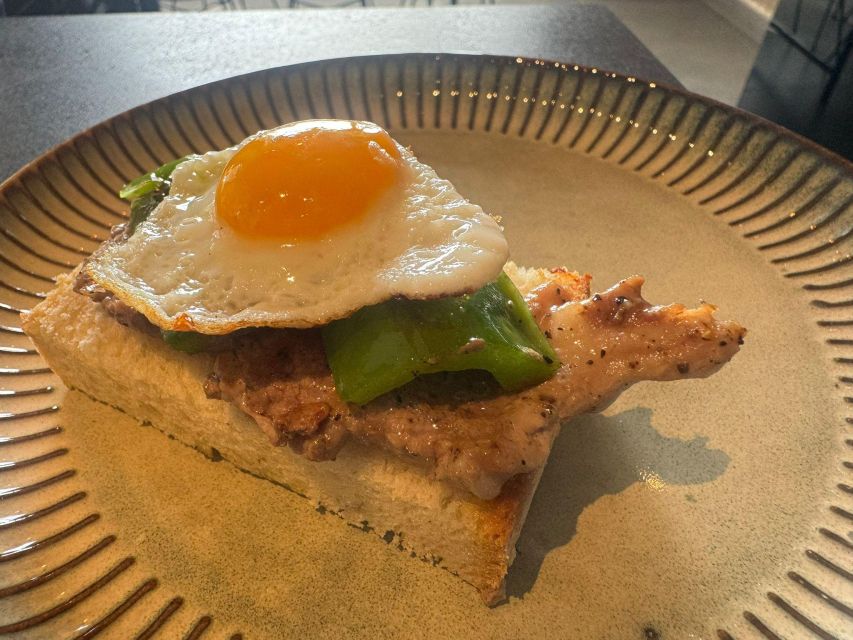
- Solomillo al pedro Ximénez (sirloin with Pedro Ximénez sauce)
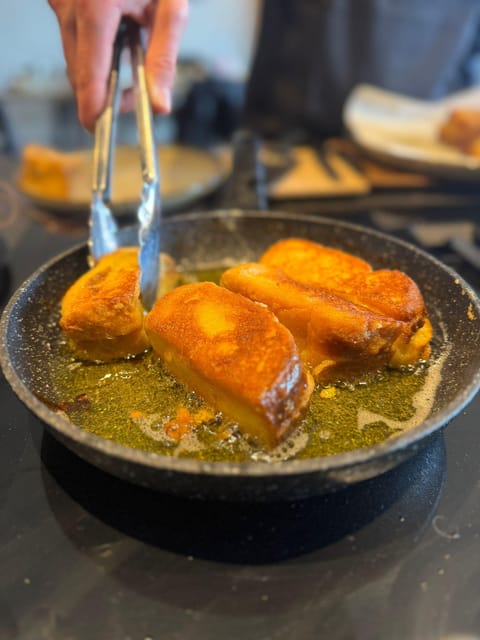
- Churros (as the sweet finish)
Here’s why that mix is smart for learning:
- You get a vegetable/pantry-friendly dish (fideos) that’s easier to remake at home than something ultra-specialized.
- You get the Spanish “test piece” of home cooking: tortilla de patatas. Many people eat it, few really learn what makes it work.
- You get at least one meat dish with a recognizable regional sauce, which teaches you how Spanish cooking uses flavor from regional specialties like Pedro Ximénez.
- You end with churros, which helps you see how Spanish sweets land their textures and timing.
I also like that the class doesn’t treat dessert like an afterthought. Churros at the end means you leave with a complete meal rhythm, not a half-finished cooking session.


Hands-on cooking: what makes it feel worth $78
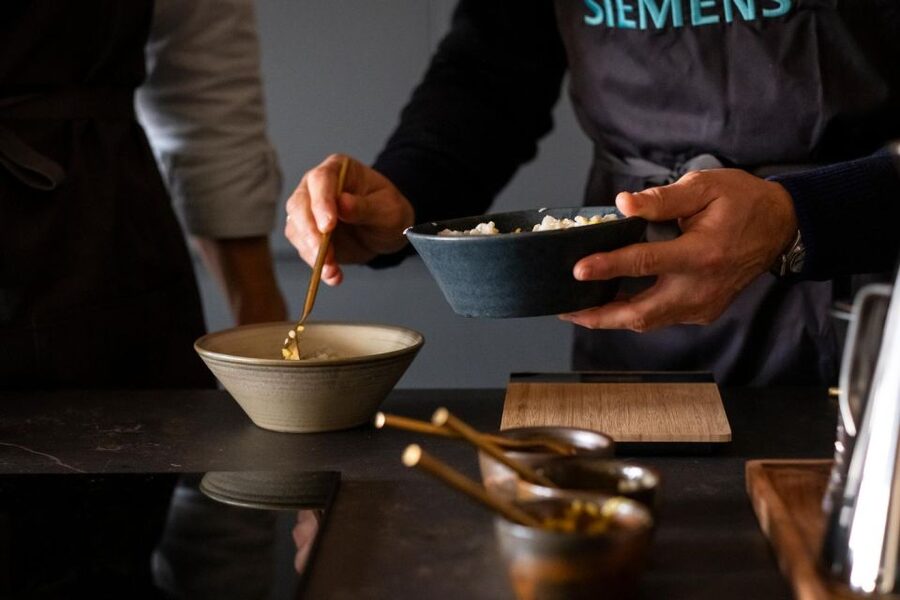
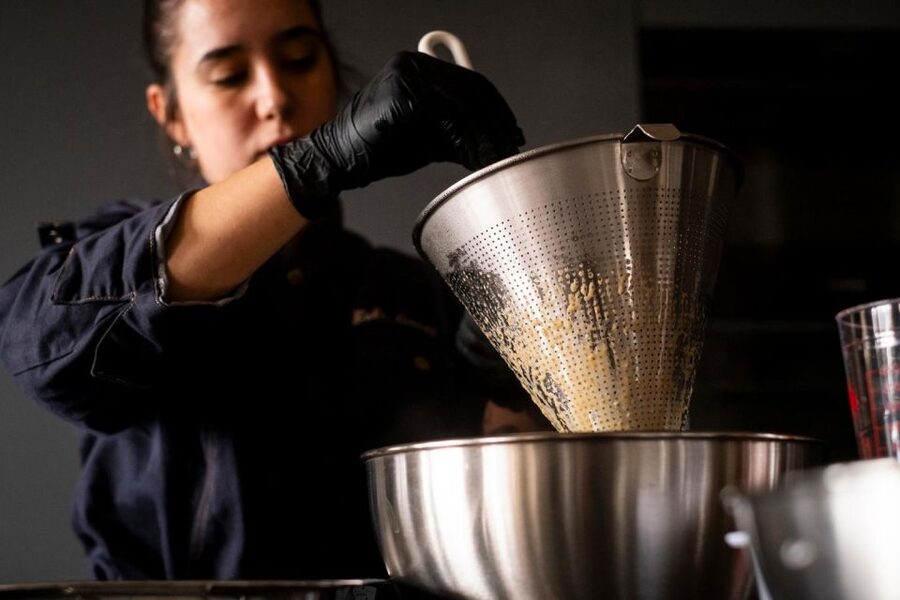
This is the part that earns the rave reviews. Many cooking experiences let you assist. This one aims to make you responsible for the final result. Multiple people specifically highlight that they could cook what they prepared, rather than doing small tasks and then watching the chef finish everything.
In practical terms, that means:
- You follow steps with clear instructions.
- You work with the necessary equipment (so you’re not improvising at home).
- You eat what you make right after cooking, so there’s immediate feedback.
The value of that is huge. If you’re paying $78, you’re really paying for learning you can repeat. In the feedback you get from the final meal, you can tell what worked and what you’d adjust next time—like how you handle tortilla texture or how the sauce thickens.
Wine and drinks: pairing without making it complicated
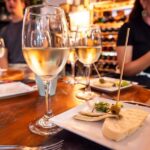
Your menu pairing is part of the package. Sangría is included, and you’ll also have wine, beer, or soft drinks included with the experience.
This matters because it turns the class into a complete evening meal. You don’t have to think about drink logistics or find extra budget mid-session. And since the pairing is chosen for the menu, you can actually taste how Spanish flavor profiles connect across savory and sweet.
One more practical point: if you’re pacing yourself, you can treat the drinks like part of the lesson in balance. Use water between courses if you want to keep your brain sharp for the final churros steps.
Guides and chefs: the people who make the class run
The experience clearly depends on the team. You’ll have a local chef and a local guide, and the reviews reflect consistent praise for friendly, organized teaching.
Common themes from the staff performance:
- Guides like Alba, Anais, Javier, Carmen, and Elise are mentioned for clear explanations and keeping group energy upbeat.
- The chef and helpers make sure everyone gets a step in the process, which helps solo travelers and couples avoid feeling sidelined.
If you care about learning, it helps that the instructions are said to be easy to follow. Clear directions mean you can ask questions and still keep cooking without frustration.
Dietary needs and who this is (and isn’t) for
The experience says it’s not suitable for vegans. So if you follow a vegan diet, you’ll need a different class.
For other dietary situations, the good news is that they ask you to tell them your needs before class. In the feedback, vegetarian requests were adapted so people could cook and eat what they made. There’s also mention of allergy handling where ingredients were adjusted and cross-contamination was taken seriously.
What I’d do if you have food concerns:
- Send your dietary requirement when they ask.
- If it’s an allergy, be specific about what you can’t have.
- Plan to skip it if vegan is your requirement, because the data explicitly says it doesn’t fit.
The take-home apron and recipes: practical souvenirs, not clutter
The special gift is a Kulinarea apron you take home at the end of class. It’s not just a keepsake—it’s useful when you cook again. And since recipes are included, you don’t leave with only memories. You can recreate the menu structure at home.
For me, that’s a key difference between a class you enjoy and a class you benefit from. Recipes mean you can practice within a week or two while the steps are still fresh.
Price and value: is $78 a fair deal?
For Malaga, $78 for a 3-hour interactive cooking class with a market component (when open) is strong value, mainly because multiple elements stack together:
- Market visit in daytime sessions (when included)
- Ingredients and equipment
- Sangría plus wine/beer/soft drinks included
- You eat the food you make
- Local chef + English guide
- Recipes and an apron gift
If you’ve ever paid for a cooking activity where you chop a few things and then leave hungry, this one feels more complete. You get the learning, the food, and the drinks inside the fixed time.
Also, no pickup/drop-off is included, so you’ll want to factor in your own arrival. But the meeting point is straightforward and there’s parking nearby if you drive.
Who should book this tapas workshop?
I’d point you here if:
- You want hands-on learning and not just a cooking show
- You like Spanish basics that are actually doable at home
- You want an activity that includes food, conversation, and a guided ingredient connection
- You’re okay with a classic menu and you’re not vegan
I wouldn’t choose it if:
- You’re strict vegan
- You need a class designed around specialized medical diets (the team can adapt for dietary restrictions, but the details aren’t guaranteed for every scenario beyond what’s stated)
Should you book Kulinarea’s tapas workshop in Malaga?
If you’re choosing between “see Malaga” and “taste Malaga,” this hits a sweet spot. The market-to-kitchen structure makes the dishes make sense, and the hands-on format means you leave with skills, not just photos. The consistent praise for the guides—people like Felipe in the market portion and hosts like Alba and Carmen in the class—signals that the experience is run with care.
Book it if you want a fun, structured, English-friendly tapas class where you cook, eat, and take home the tools to repeat it at home. Skip it if you need a vegan-friendly program, since that’s explicitly not what this workshop is designed for.
FAQ
Where is the meeting point for the class?
You meet at Kulinarea, Av Manuel Agustín Heredia 24. There is underground parking in front called Parking de La Marina.
How long is the Malaga tapas workshop?
The experience lasts 3 hours.
Do I visit the Atarazanas Market every day?
No. The Atarazanas Food Market visit is included only in daytime classes. It’s closed for evenings, Sundays, and national holidays, and the group goes straight to the kitchen space then.
Is the class taught in English?
Yes, the live tour guide is listed as English.
Is it suitable for vegans?
No. The experience is not suitable for vegans.
Is there flexibility for booking and cancellation?
Yes. It offers free cancellation up to 24 hours in advance for a full refund, and you can reserve now and pay later (pay nothing today).