REVIEW · VALENCIA
Real Paella Cooking Class – Market Visit & Sangría Workshop
Book on GetYourGuide →Operated by My First Paella · Bookable on GetYourGuide
Paella gets real fast. This hands-on Valencia cooking class pairs a Ruzafa Market stop with real technique coaching, so you’re not just watching you’re cooking. I love that you learn the local way, including the crispy socarrat layer Valencians swear is the best bite.
Two things I especially like: first, the chefs correct you while you cook, like you’re part of their kitchen. You’ll be making either classic meat-and-veg paella or seafood paella, and chefs like Anna, Jose, Guillermo, and Christina show up by name in the way the experience is delivered. Second, the food-and-drink flow is built in: tapas at the start plus bottomless sangría, beer, and DO Valencia wine while you work.
One possible drawback: this is a group activity, and you may not get every tiny step one-on-one, even though the staff aims to include everyone. Also, fresh ingredients at the market are yours to buy if you want them, and those extra purchases aren’t included.
In This Review
- Key highlights worth your attention
- From San Valero to Ruzafa: why this paella class feels local
- Ruzafa Market shopping: real ingredients, real shopping pace
- Tapas first: warming up your palate (and your confidence)
- Paella time: meat-and-veg or seafood, chosen correctly
- The rice lesson: J.Sendra, saffron, and the “right amount” rule
- Socarrat: getting the crispy crust without burning everything
- Salmorreta sofrito and why it matters for seafood paella
- Eating together: the meal is part of the lesson
- What you should be able to recreate at home
- Group vibe, English guide, and how the pace feels
- Price and value: is $77 per person fair for what you get?
- Who should book this paella class in Valencia
- Should you book this paella class at My First Paella?
- FAQ
- How long is the paella cooking class?
- Where do I meet the guide?
- What’s included besides cooking the paella?
- Do you cook a meat paella, seafood paella, or both?
- What paella technique do you learn specifically?
- What are my cancellation options?
Key highlights worth your attention
- Ruzafa Market, not the photo line: you shop where locals actually do daily runs.
- Sangría workshop energy: you learn to make it while you snack on Spanish classics.
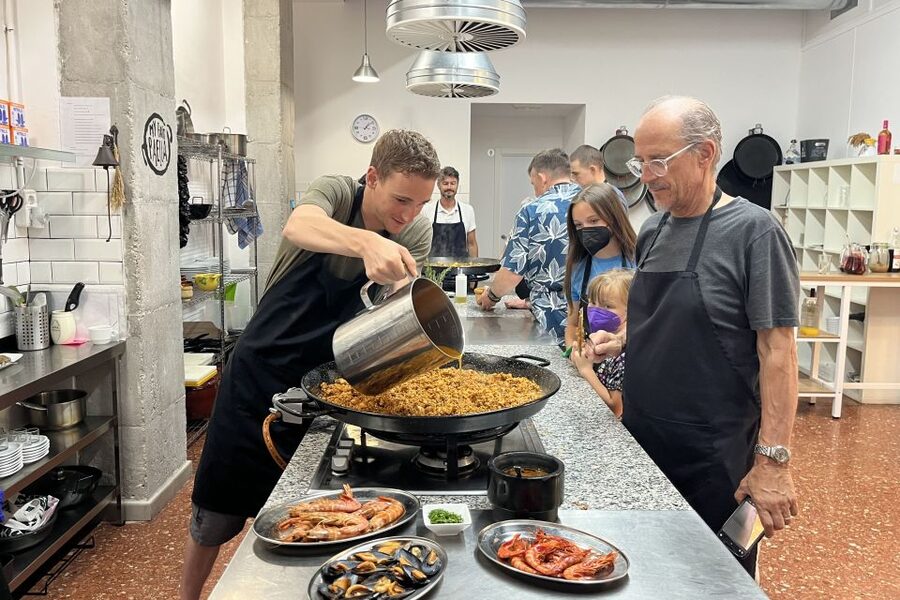
- Hands-on paella making: the chefs guide you step by step, with your hands in the rice.
- J.Sendra rice + saffron guidance: you learn how these choices change the final pan.
- Socarrat coaching: you’re taught how to chase the golden crispy crust.
- A full Valencian finishing course: tomato salad, seasonal fruit, coca de llanda, coffee, and mistela.
From San Valero to Ruzafa: why this paella class feels local
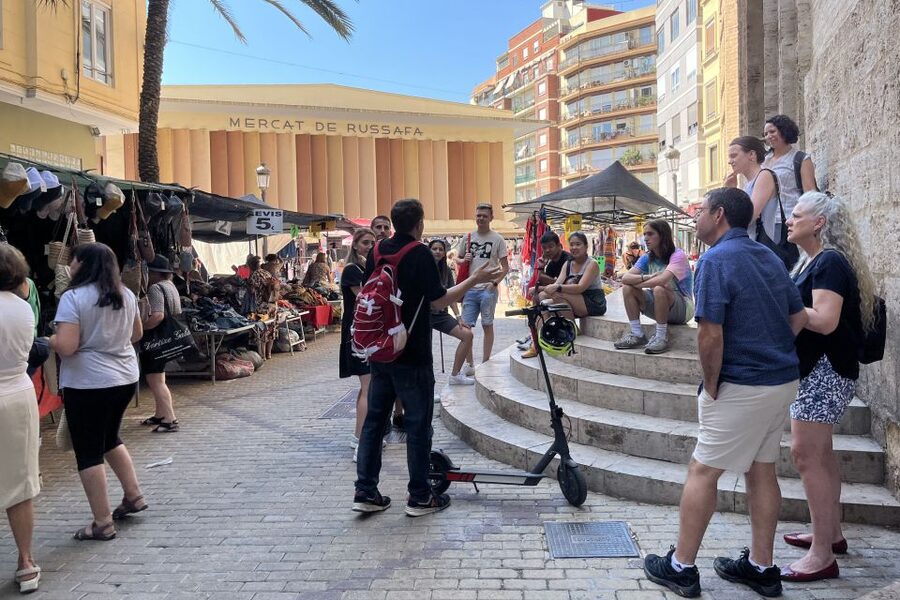
The meeting point is at the door of the Church of San Valero. From there, the experience immediately stops feeling like a packaged activity and starts feeling like a normal neighborhood morning you joined late.
What makes this one work is the sequence. You start with ingredients at Ruzafa Market, then you snack, drink, and learn a bit of technique before you ever touch the pan. That order matters because it gives you a real reason to care about what’s happening in the kitchen—paella isn’t magic, it’s choices.
You’ll also see the difference in mindset. This isn’t a performance. You’ll be doing the work. And the vibe, based on how chefs like Anna and Jose are described, leans warm and chatty—more family-meal than stiff class.
You can also read our reviews of more tours and experiences in Valencia.

Ruzafa Market shopping: real ingredients, real shopping pace
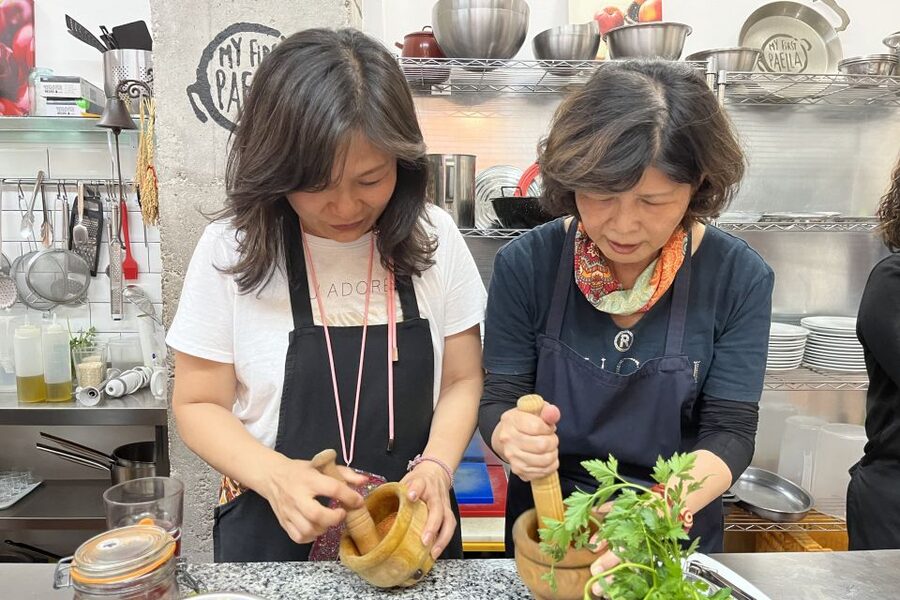
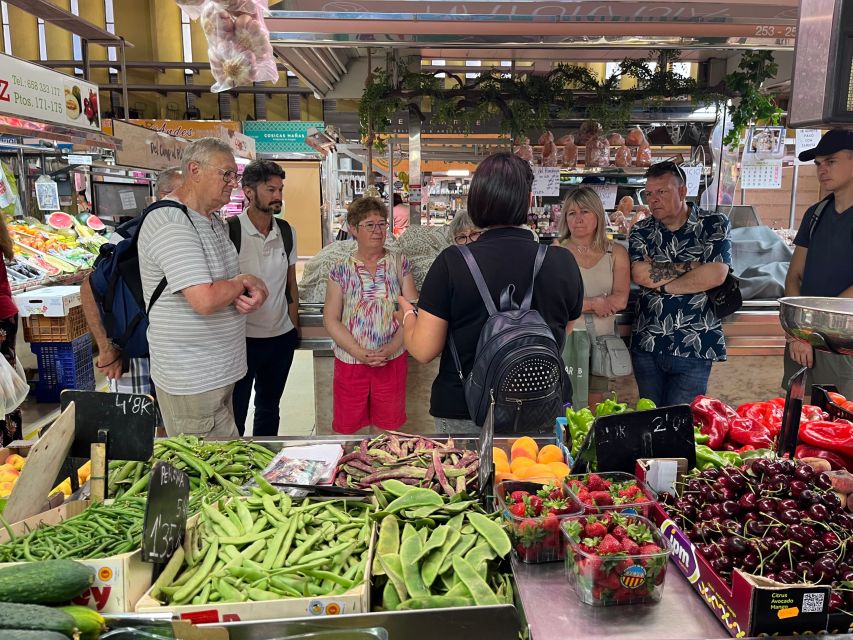
The stop at Ruzafa Market is built for you to skip the main tourist crush. You’re shopping with a chef who knows what good looks like, and you’ll be selecting ingredients with a practical eye.
This part is valuable because paella starts long before the rice hits the pan. The chefs are not just pointing at food. They’re helping you understand why you’re choosing those tomatoes, why you care about seafood quality if you’re doing that version, and what fresh aromatics will do once cooked.
You’ll likely feel a little time pressure. Neighborhood markets move at a daily pace. That’s a good thing. It keeps you engaged, and it gives you the sense you’re doing a real errand, not a staged photo stop.
If you want to bring anything home later, you can. Just note that extra purchases at Ruzafa Market are not included, so budget a bit if you’re tempted.
Tapas first: warming up your palate (and your confidence)
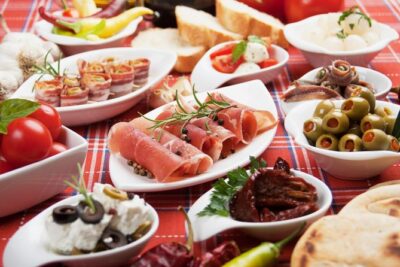
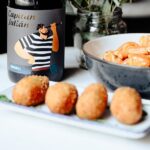
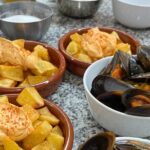
Before the paella work gets serious, you’ll be welcomed with Spanish bites and drinks. Expect tapas like manchego cheese, jamón, steamed mussels, patatas bravas, and olives. It’s a smart setup: salty, savory, and familiar flavors so you’re not starting paella day with an empty stomach.
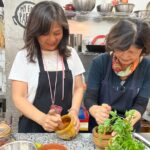
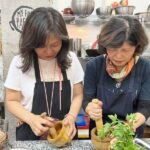
While you nibble, you’ll also learn a key skill: how to make sangría. This isn’t just taste-and-go. You’ll get taught, then you’ll be using what you learned while the cooking starts.
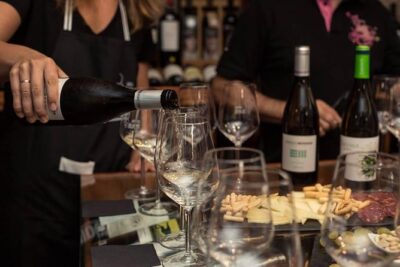
And the drinks keep coming. The class includes DO Valencia wine, beer, and sangría, with non-alcoholic options available. In practice, that changes the mood. You don’t feel like you’re sitting through a lesson. You feel like you’re hanging out in a kitchen that happens to be teaching you something.
Paella time: meat-and-veg or seafood, chosen correctly
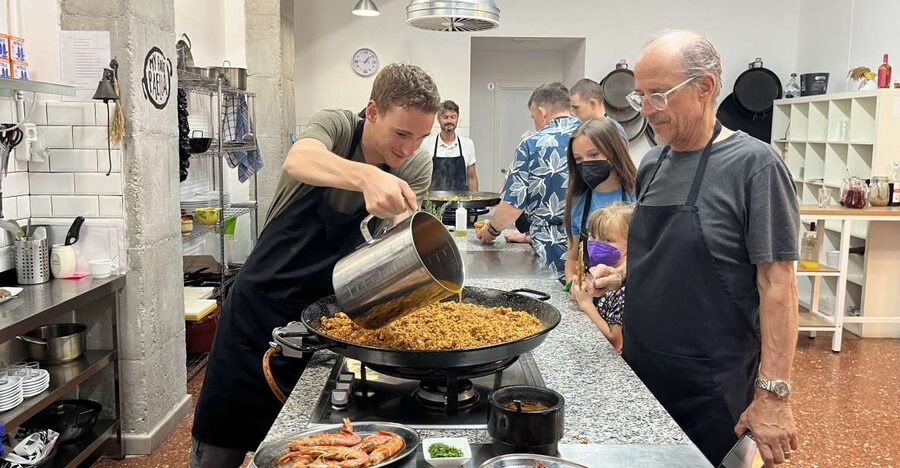
The main event is making authentic Valencian paella, and you’ll choose between two styles:
- Meat and vegetables paella (the classic format)
- Seafood paella, made with its traditional salmorreta sofrito
This matters because paella isn’t one recipe. You can absolutely over-simplify it at home, and then your result won’t match what you tasted here. The chefs help you avoid that mistake by tying technique to the right version.
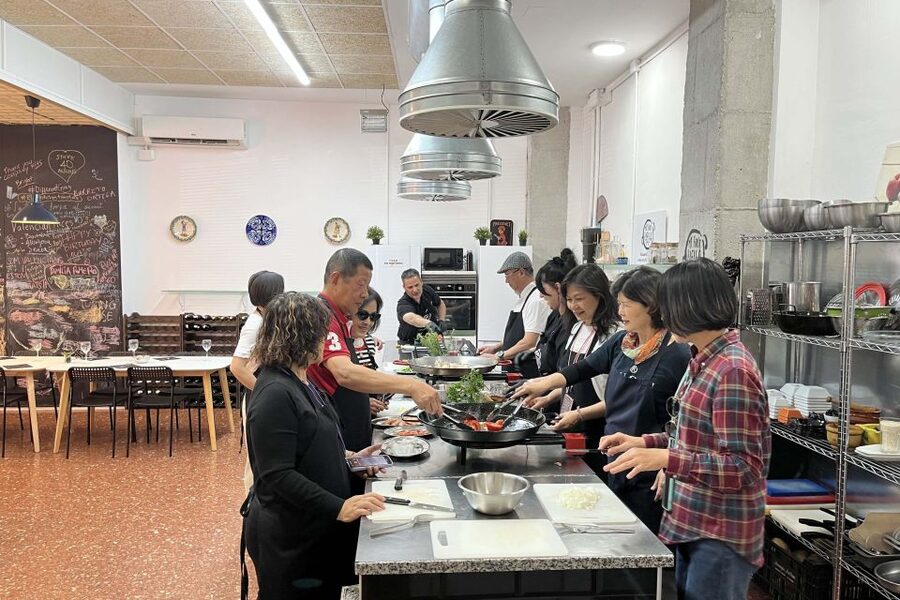
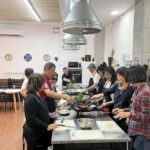
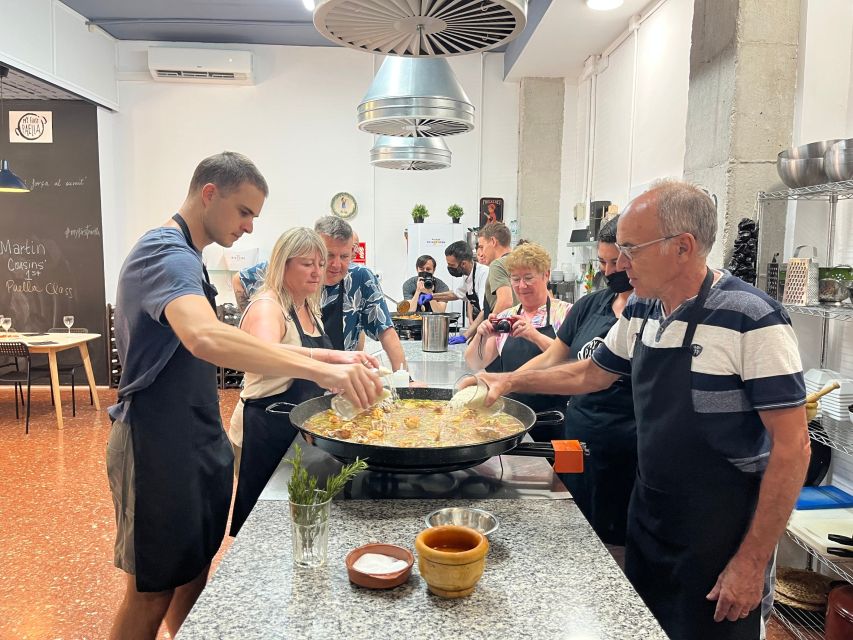
You’ll learn step by step. The experience is hands-on, so you’re not just measuring while someone else cooks. People in the group are guided into doing the work, which is why it’s fun even if you’re a first-timer.
One detail worth knowing: you’re not meant to mix meat and seafood into a single blended style. The class keeps it authentic by steering you into one direction per paella you’re responsible for, so your learning is clean and repeatable later.
The rice lesson: J.Sendra, saffron, and the “right amount” rule
Here’s where the class gets practical. A lot of paella instruction online is fuzzy. This one focuses on specific choices.
You’ll learn why the class uses J.Sendra rice and why rice type affects texture. You’ll also get guidance on saffron—including the idea that you can absolutely overdo it. That sounds obvious until you realize saffron isn’t just color; it changes aroma, and too much can overpower the rest.
Timing also shows up in the coaching. Paella is a dish where heat and water levels matter. If you cook it like risotto, you’ll get a different texture. If you cook it like plain rice, you’ll miss the point of paella.
The best part is that this is taught while you’re actively cooking. That means you’re learning the concept and confirming it with results in the same session.

Socarrat: getting the crispy crust without burning everything
If you care about paella, socarrat is the moment you’re chasing. It’s that golden, crispy rice layer Valencians consider the best bite.
The chefs focus heavily on this, and that’s why the class is worth your money. Socarrat isn’t a garnish you can fake later. It’s about heat, timing, and knowing when the pan is ready to create that crust.
You’ll get taught the secret steps, and the group experience helps because you can watch what’s happening as the pan changes. Some people worry about burning. Others worry about undercooking. The coaching helps you land in the middle where crisp happens without disaster.
I like that the class frames it as a skill, not luck. Once you understand what to look for visually and how to manage heat, you stop guessing at home.
Salmorreta sofrito and why it matters for seafood paella
If you’re doing the seafood version, you’ll work with salmorreta sofrito—the traditional base that supports the whole dish. This part is especially useful if you’ve ever tasted seafood paella that felt flat or watery.
The sofrito does heavy lifting: it brings depth, it carries flavor, and it helps the seafood stay part of the dish instead of becoming a separate element on top.
Because you’re cooking with guidance, you’ll understand the “why” behind using that base—not just the “how.” That’s the difference between repeating a recipe and actually cooking with confidence.
Eating together: the meal is part of the lesson
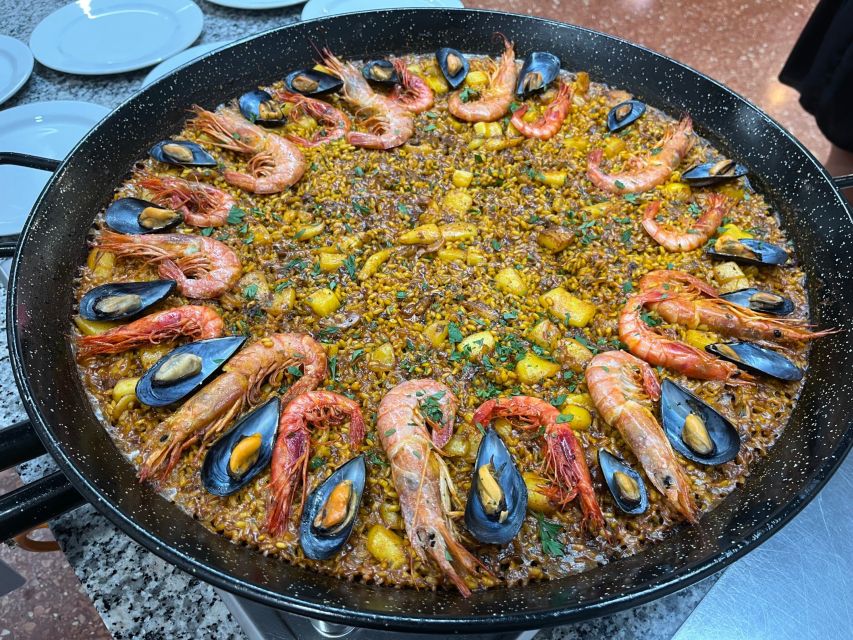
Once the paella is ready, you sit down together and eat what you made. The meal isn’t just paella plus silence.
You’ll be served alongside your paella with Valencian tomato salad, seasonal fruit, coca de llanda (the local sponge cake), coffee, and a shot of mistela to finish. That dessert and liqueur pairing is a very Valencia-style ending: sweet, local, and quick.
It also closes the loop on what you learned. You can taste each part—rice, base flavors, and socarrat—while the steps are still fresh in your brain. That makes the class stick.
What you should be able to recreate at home
This is one of those experiences where the “take-home” part isn’t a joke. The class includes a recipe you’ll actually use, and that’s important.
Here’s what you’ll be able to bring into your own kitchen:
- A clear idea of which paella style you’re making and why
- Practical guidance on rice choice and saffron amount
- A way to think about socarrat as a targeted cooking result, not a happy accident
Don’t expect your first attempt to match exactly. Heat control is different at home. But if you follow the teaching points, you’ll get closer than you would with a vague recipe.
Group vibe, English guide, and how the pace feels
This class is in English with a live guide, and it runs for 3.5 hours. That’s a sweet spot: long enough to include the market, tapas, drinks, real cooking time, and a full sit-down meal; not so long that you feel stuck.
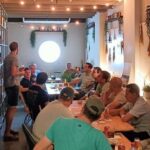
Many people love the team energy. Chefs like Anna and Jose are described as funny, warm, and inclusive. You’ll also notice that the staff pushes for participation so you’re not stuck standing around.
One consideration: the group can be larger than you expect, even if it stays friendly. In that case, your instructions might come in waves—listen carefully when the chef calls out adjustments because those tiny changes are what make the final pan work.
Price and value: is $77 per person fair for what you get?
At $77 per person for a 3.5-hour, hands-on paella class that includes ingredients, a chef, market visit, tapas, sangría, beer, DO Valencia wine, dessert, coffee, and mistela, the value is strong.
The key reason is that you’re paying for more than a meal. You’re paying for:
- Guided instruction while you cook (not just eating)
- Ingredient selection help at a real neighborhood market
- Technique coaching around socarrat and seasoning
If you’ve done cooking classes elsewhere, you know the common trap: you leave with a nice memory and a recipe you’ll never make. Here, the class is designed to leave you with a method you can repeat.
Who should book this paella class in Valencia
Book it if:
- You want hands-on cooking, not a lecture
- You care about authentic Valencian paella technique, especially socarrat
- You want a local-feeling start at Ruzafa Market
- You like food plus drinks that are part of the experience (sangría, beer, and DO Valencia wine)
Skip it if:
- You want a quiet, slow meal with lots of personal space
- You dislike group cooking or you get overwhelmed when multiple pans and steps are happening at once
This is a great fit for couples, solo travelers, and friends who want a shared project and a big, satisfying payoff.
Should you book this paella class at My First Paella?
Yes, I’d book it if your goal is to learn paella you can cook again—especially if you’re serious about the socarrat. The market start gives context, the chefs’ coaching keeps it real, and the meal afterward is built to help you taste what you learned.
If you’re only looking for a quick tasting tour, you might feel like the hands-on cooking is more than you expected. But if you want to leave Valencia with a method, not just a story, this is a smart use of a half-day.
FAQ
How long is the paella cooking class?
It lasts 3.5 hours.
Where do I meet the guide?
Meet your guide at the door of the Church of San Valero.
What’s included besides cooking the paella?
You get a guided visit to Ruzafa Market, tapas, bottomless sangría, beer, wine, dessert, coffee, and mistela. Ingredients for the workshop are included too.
Do you cook a meat paella, seafood paella, or both?
The class teaches you to make either an authentic meat-and-vegetables paella or a seafood paella (with its traditional salmorreta sofrito).
What paella technique do you learn specifically?
You’ll get coached on how to achieve socarrat, the crispy rice crust Valencians consider the best part.
What are my cancellation options?
You can cancel up to 24 hours in advance for a full refund. There’s also a reserve now & pay later option.