REVIEW · VALENCIA
Seafood paella cooking class, tapas and visit to Ruzafa market.
Book on Viator →Operated by My First Paella · Bookable on Viator
Paella starts with a market walk. In Valencia, you shop Mercado de Ruzafa with a guide like Guillermo, then learn seafood paella and sangria step-by-step with chefs such as Jose and Christine.
I love how hands-on it feels, with everyone getting jobs during the cooking, and how the meal becomes more than food—it’s a real window into Valencian habits and the why behind the dishes. One thing to plan for: the meeting spot near Parroquia de San Valero can feel a little vague at first, and there’s a short walk to the kitchen.
In This Review
- Key highlights before you go
- Mercado de Ruzafa market stop: where paella ingredients begin
- The walk to the kitchen: short distance, big payoff
- Sangria workshop and tapas: how the class warms up
- Classic seafood paella, taught like a process
- What you’ll focus on
- What’s on your table: tomato salad, wines, dessert, coffee, mistela
- Price and value in Valencia: what you’re really paying for
- Who this class fits best (and who should think twice)
- Small group energy: why the chefs’ style matters
- Practical tip: arrive early and plan for the first minute
- Should you book the seafood paella and sangria class?
- FAQ
- What time does the class start?
- Where do we meet?
- How long is the experience?
- Is the Mercado de Ruzafa visit included every day?
- What language is the class offered in?
- What’s included in the price?
Key highlights before you go
- Mercado de Ruzafa ingredient shopping with explanations of where paella staples come from
- Sangria workshop paired with tapas and drinks before you cook
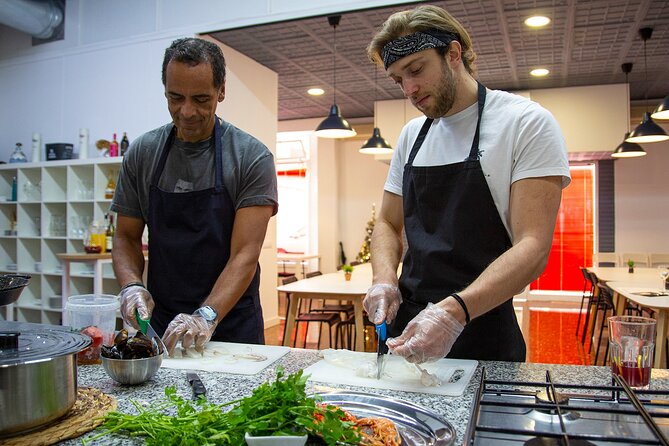
- Hands-on seafood paella prep with clear, paced instructions for each stage
- Valencian tomato salad and local wines alongside the paella you make
- Small group size (max 20) so questions don’t get lost
- A big tasting menu: tapas, paella, dessert, fruit, coffee, and mistela
Mercado de Ruzafa market stop: where paella ingredients begin
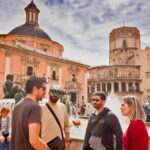
The experience starts at the door of Parroquia de San Valero, near Carrer del Pare Perera. From there, you head to Mercado de Ruzafa together. This part matters because paella is all about ingredients hitting the right balance—seafood, oil, aromatics, and the classic rice base that makes the whole dish work.
At the market, your guide walks you through what you’re buying and why those items matter. You’ll also pick up the small cultural cues that don’t show up in a cookbook: how locals shop in a neighborhood market, how vendors think about freshness, and what kind of products you’re supposed to look for when you’re trying to cook paella that tastes like Valencia, not just like “rice with stuff.”
If you’re wondering what you’ll actually do in the market, it’s not just sightseeing. You’re shopping with purpose for the fresh items needed for the class.
One practical note: the Ruzafa market stop doesn’t run on Sundays since the market is closed. If you’re traveling on a Sunday, keep your expectations flexible for that piece of the day.
You can also read our reviews of more tours and experiences in Valencia.
The walk to the kitchen: short distance, big payoff
After the market, you walk about 8 minutes to the kitchen. This is short, but if you’re dealing with mobility limits or you hate being on your feet mid-tour, it’s worth knowing ahead of time. The good part is that the walk doesn’t drag; it just shifts you from “market mode” to “cook mode.”
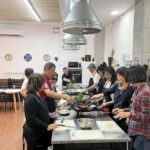
When you arrive, the chef is already set up. Before the paella action starts, the table begins with food and drinks—this is not a class where you only snack once you’ve suffered through hours of prep.
Sangria workshop and tapas: how the class warms up
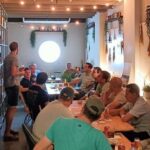
Before you touch a pan, you’ll get a sangria workshop. Expect the kind of guidance where you can actually picture the steps at home later, not just a drink demonstration. The chefs often make it fun and social, and the whole vibe is geared toward getting you comfortable with the pace of cooking.
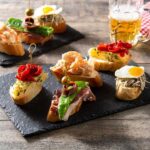
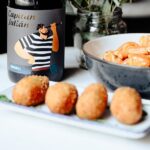
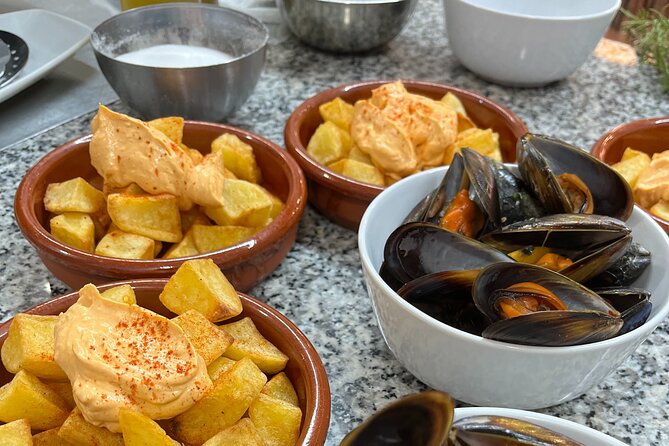
Then comes tapas, usually served alongside sangria, beer, water, and other included drinks. The sample spread includes classic Spanish favorites such as:
- Patatas bravas with sojanesa
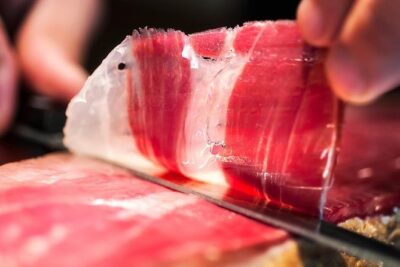
- Jamón serrano
- Manchego cheese
- Steamed mussels
- Olives
This matters because it keeps you fueled while you learn. Cooking paella isn’t just tossing ingredients together; the steps build. Having something good in front of you makes the instruction easier to follow—and helps you keep your attention while the chef explains the process.
If you drink alcohol, be smart here: there are multiple drink options included (sangria plus wine later), so pace yourself and use the water that’s part of the package.
Classic seafood paella, taught like a process
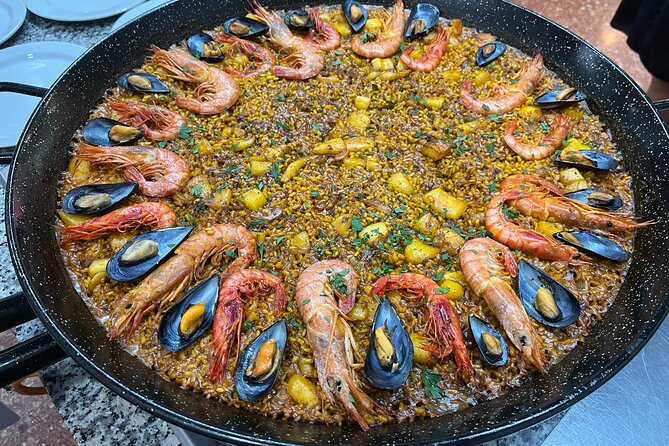
The main event is the seafood paella. What I like most is that the class breaks it down into stages instead of throwing everything at you at once. That’s the difference between learning a recipe and learning how to cook.
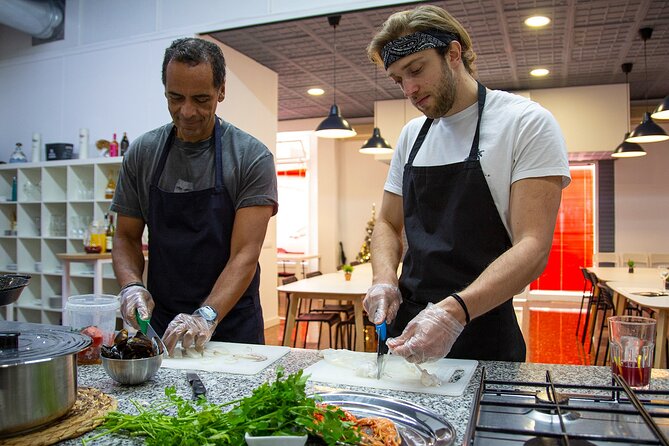
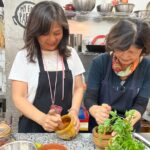
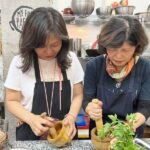
You’ll prepare and cook with step-by-step instruction from the chef. Depending on the group and station setup, there may be more than one paella going at the same time, and you’ll likely do your share of tasks—prepping ingredients and joining the cooking process. The style is hands-on, and the small-group size helps you get answers when you hit a question.
What you’ll focus on
Even though you’re in a group, the teaching is aimed at real technique. You’ll get context for things like:
- how seafood fits into timing (so it’s not overcooked)
- how you build flavor with the right early steps
- how the rice and liquid stage drives the final texture
You’re also learning what makes Valencian-style paella different in practice, not just in theory. People often come to Valencia specifically because of paella, but this class gives you the “why,” like how culture and cooking habits reinforce each other.
And yes, you’ll eat the paella you cook. That’s huge, because you can connect the final taste to the exact step you just learned.
What’s on your table: tomato salad, wines, dessert, coffee, mistela
Once the paella is done, you sit down to a full meal that’s more than a quick bite. The included spread is built to match the paella:
- Valencian tomato salad (this is a classic pairing for a reason: acidity and freshness cut through rich flavors)
- Valencia wines with your meal
- Seasonal fruit
- Valencian sponge cake
- Sweet wine and coffee
- Mistela (included as part of dessert/finish)
The sample structure lines up with what most people want from a cooking class: tapas up front, main meal you cooked, then a proper finish instead of a tiny cookie. You also get multiple drink options, so you’re not left staring at a dry table while everyone else has something.
If you’re the type who cares about order and pairing, this part will feel thoughtful rather than random.
Price and value in Valencia: what you’re really paying for
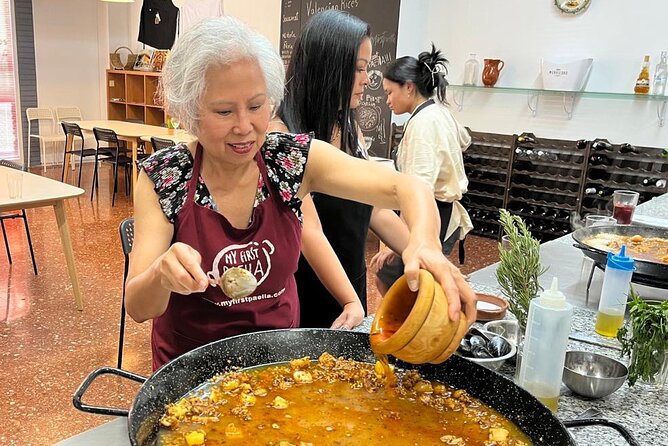
The price is $78.64 per person for about 3 hours 30 minutes, with a maximum of 20 travelers. At first glance, cooking classes can sound expensive. But here, most of the cost is tied to what’s included:
- Market shopping time (not just a cooking session)
- All ingredients and equipment for the paella
- Tapas, plus tomato salad
- Multiple drinks: sangría, wine, beer, soft drinks or water
- Dessert, coffee, and mistela
You’re not just paying for instruction. You’re paying for fresh food inputs, chef time, and a full meal experience that ends with wine and dessert. Also, the hands-on format means you’re actively cooking, not watching someone else do all the work.
So for me, the value comes from two things: you learn a real skill and you eat a complete local meal without needing extra reservations afterward.
Who this class fits best (and who should think twice)
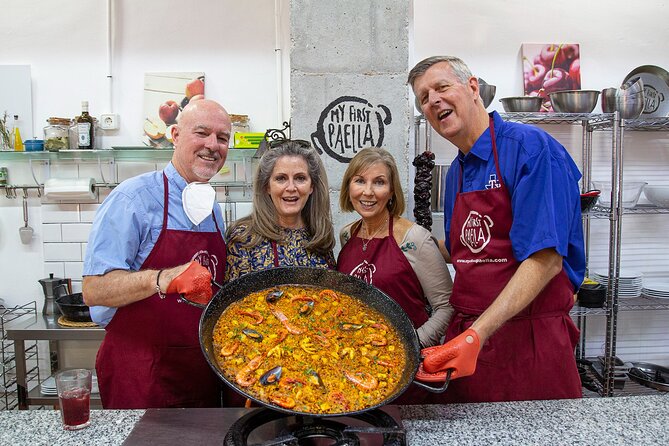
This works especially well if you:
- want a structured way to learn paella while you’re in Valencia
- like social food activities where you meet people, share steps, and compare notes
- care about the market side of cooking, not just the final dish
You might want to think twice if:
- you’re very sensitive to walking (there’s that short walk to the kitchen)
- you prefer ultra-quiet experiences; this day can get lively, especially during the sangria portion
- you’re expecting a long, high-end wine tasting; the drinks are included, but the focus is still the paella cooking
Also, this is set up for adults with an option for kids: children must be accompanied by an adult.
Small group energy: why the chefs’ style matters
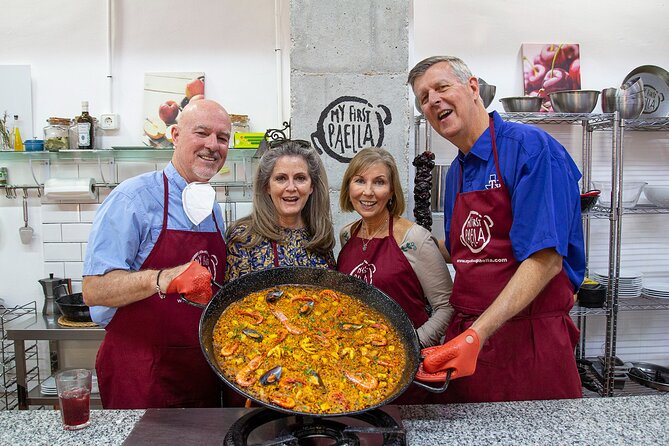
A lot of cooking classes fail when the group is too big, because questions and hands-on time get swallowed. Here, the limit of 20 people helps keep the flow moving and keeps you from feeling like you’re standing around.
The chefs leading the class are a big part of the experience. People mention instructors like Ana, Jose, Christine, Guillermo, and others, and the consistent theme is friendly teaching with humor and energy. That matters because paella can feel intimidating, even though it shouldn’t. When the chef explains it like a story—where each stage leads to the next—it clicks faster.
It also helps that participants get involved. Instructors often split tasks so more than one person is doing real work at the same time, which makes the meal feel earned.
Practical tip: arrive early and plan for the first minute
Because the start is at the Parroquia de San Valero area, arrive a bit early. One practical complaint that shows up with this kind of meeting point is simple: it’s easy to wander around the general area before you find the exact door.
Once you locate the group, everything runs smoothly: market, walk, sangria and tapas, then paella and the full sit-down meal. But that first minute can save you stress.
Should you book the seafood paella and sangria class?
If you want one memorable food experience in Valencia that mixes market ingredients + hands-on cooking + proper eating, I’d book this. You’re getting more than a meal—you’re getting the technique and the local context, and you finish with a full spread of drinks and dessert.
I’d skip it only if you can’t handle mild walking, or if you already feel confident cooking seafood paella and you want something more offbeat than a classic, structured format.
If your goal is to come home with a better paella—and an easier way to understand what makes it work in Valencia—this is a strong bet.
FAQ
What time does the class start?
The class starts at 11:00 am.
Where do we meet?
You meet at Parroquia de San Valero (Carrer del Pare Perera, 6, L’Eixample, 46006 València, Valencia, Spain).
How long is the experience?
It lasts about 3 hours 30 minutes (approx.).
Is the Mercado de Ruzafa visit included every day?
No. On Sundays, the Mercado de Ruzafa visit does not run because it is closed.
What language is the class offered in?
The experience is offered in English, and it may be operated by multi-lingual staff that include English, Russian, and Spanish.
What’s included in the price?
You get tapas, Valencian tomato salad, sangría, wine, beer, soft drinks or water, all ingredients and equipment to cook, plus dessert, coffee, and mistela.