REVIEW · MARBELLA
Marbella: Guided Market Tour with Tapas and Wine Pairings
Book on GetYourGuide →Operated by Taste Marbella · Bookable on GetYourGuide
Old Town Marbella has a way of making food feel personal. This guided market tour takes you through the Plaza de los Naranjos area and into the market for tasting that’s actually connected to the vendors. I especially like the hands-on way you try tapas, bocata, cured hams, and cheeses, not just sample sips and photos. One thing to weigh: the tour is food-focused, and it is not for everyone since it isn’t suitable for vegans or people with celiac disease or gluten intolerance.
You’ll also get a short, practical guided walk around Marbella so you know where you are and what you’re looking at. A standout is the chance to pick the catch from Paco, a fishmonger and self-made culinary artist, then enjoy the freshest seafood prepared on the spot. The only likely drawback for some people is that if you’re craving a deep history lecture, this feels more like a guided food experience than a history tour.
In This Review
- Key highlights at a glance
- Plaza de los Naranjos start: your easy foothold in Old Town
- Old Town sightseeing: short and useful, not a lecture
- The market tasting block: where the tour earns its value
- Paco and the catch of the day: seafood as a choice, not a surprise
- Bocata, tapas, cured ham, and cheese: the Andalusian flow
- Wine pairing: three Spanish wines with a real reason to sip
- Malaga produce you won’t see in supermarkets: what to look for
- Family-friendly pace and group experience (and who should bring what)
- Language and guidance style: Spanish and English, food-first commentary
- Price and value: $110 for a guided tasting meal
- What I would do to get the most out of it
- Should you book Taste Marbella’s Market Tour?
- FAQ
- How long is the Marbella guided market tour with tapas and wine?
- Where do I meet for the tour?
- Where does the tour end?
- What food and drinks are included?
- Do I have to drink wine?
- Is the tour suitable for vegans or people with celiac disease?
- Are there dietary accommodations?
- What languages are offered?
- Is it good for families?
Key highlights at a glance
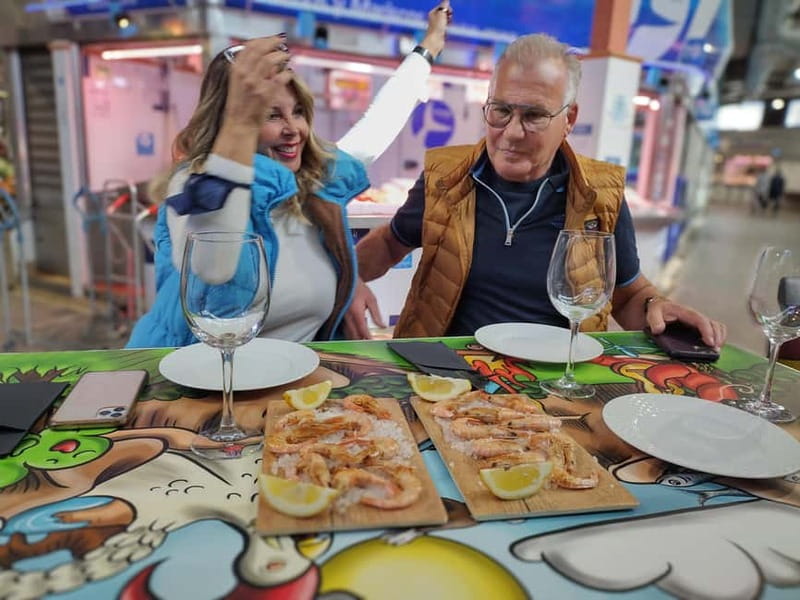
- Paco’s catch of the day: choose seafood, then watch it turned into something you can eat right away
- Bocata plus classic Andalusian tapas: you’re not just tasting snacks, you’re working through a real meal flow
- Award-winning cheeses and cured hams: you’ll get multiple bites centered on top Spanish ingredients
- Three expertly paired Spanish wines: plus an option for beer or soft drinks
- Malaga produce you won’t see in supermarkets: more local, less generic
- Reserved vendor seating: the organization helps the tasting move smoothly
Plaza de los Naranjos start: your easy foothold in Old Town
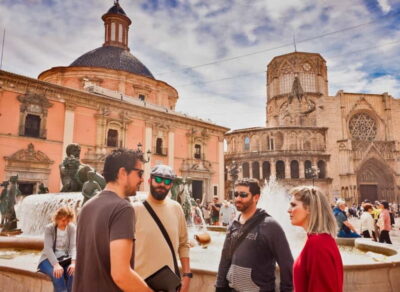
Most food tours in Spain start with a “meet here” moment that turns into a wandering scavenger hunt. This one keeps it cleaner: you begin at the fountain in Plaza de los Naranjos and you end back in the same place. That matters because the market area can be tight, and you don’t want to burn time figuring out where you’ll regroup.
From there, you get a short guided section that’s mostly there to help you orient yourself. You’ll get a bit of sightseeing and a guided walk around Marbella’s Old Town atmosphere before the tour settles into the market tasting portion. In other words, you learn the layout and then you get to the food.
I like formats like this for first-timers in Marbella. You get enough structure to feel confident without losing the spontaneity of walking through local stalls. If you’re traveling with family, the flow also helps kids avoid the long “standing around” stretch that can happen in market tours.
You can also read our reviews of more tours and experiences in Marbella.

Old Town sightseeing: short and useful, not a lecture
After you meet in Plaza de los Naranjos, there’s a guided sightseeing moment (about 15 minutes) that’s designed to set context. It’s not the kind of long walk where you’re stuck listening for a big chunk of time before you eat. You’ll get the basics of what you’re seeing, then you head to the market where the real time happens.
One practical note: this is a culinary outing first. The guide is there to point you toward flavors and vendors, and to help you taste your way through the area. If you’re the type of traveler who expects broad historical storytelling at every stop, you might find the commentary more practical than academic. That doesn’t make it worse; it just changes what kind of tour this is.
If you like markets because you want to feel the day-to-day pace of the place, you’re in the right lane. You’ll be guided through local businesses and stalls where you can sample specialties at the sellers’ own pace.
The market tasting block: where the tour earns its value
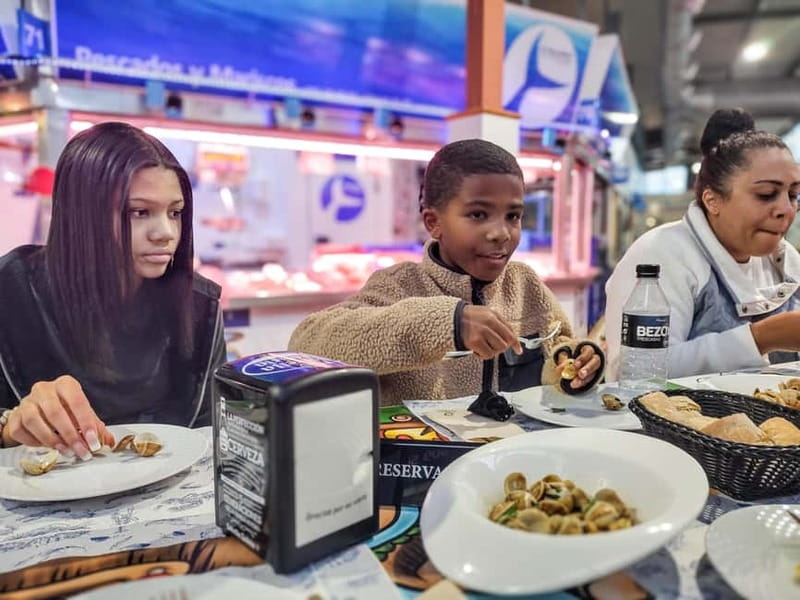
The heart of this experience is the market time, around 2.5 hours, where you’ll taste your way through regional specialties. The big difference between a good market tour and a mediocre one is simple: you should leave feeling like you ate meals, not just collected tastes. This tour is built that way.
You’ll work through several categories of food:
- cured hams and award-winning cheeses
- fresh fish and seafood that’s cooked on the spot
- tapas that fit the Andalusian style of snacking and sharing
- and a guided wine pairing component, with three Spanish wines
All of that in a 3-hour window is what makes the price feel reasonable. You’re not paying for transport or a long museum-style experience. You’re paying for guided vendor access and tastings that cost real money when you order them individually in a place like this.
You’ll also hear about local produce—Malaga items that aren’t the same as what lands on supermarket shelves. That’s the kind of detail that turns a market visit into something more specific to the region you’re actually in.
Paco and the catch of the day: seafood as a choice, not a surprise
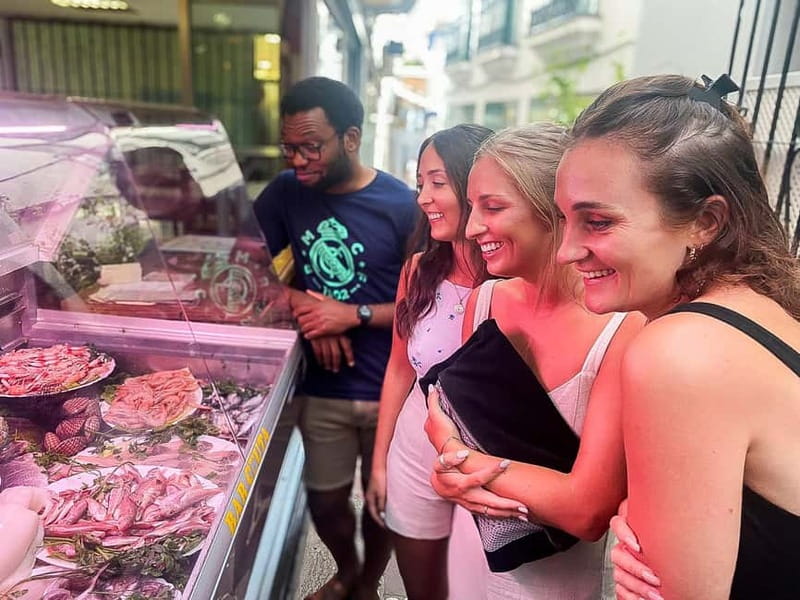
One of the most memorable parts of this outing is the chance to interact with Paco, a fishmonger and self-made culinary artist. Instead of getting a pre-selected plate, you pick the catch of the day. That simple change makes the experience feel more grounded.
Here’s why that matters: seafood is seasonal and it varies by what’s available. When you choose, you’re not just eating; you’re making a decision based on the day’s product. It also helps you understand what “fresh” means in practice—this is seafood coming straight from the market supply chain, then prepared for you.
After you select, you’ll taste the freshest fish and seafood cooked on the spot. That is the part you can’t easily replicate on your own if you’re unfamiliar with how vendors work and what you should ask for. A local guide acts like an interpreter between you and the market’s rhythm.
If you’re worried about picky eating, don’t be. This is still a market tour where you’re guided through multiple types of bites, so you’re not locked into one seafood-only outcome. Still, if shellfish or certain fish types are a problem for you, tell the operator when you book (dietary restrictions are something they ask about).
Bocata, tapas, cured ham, and cheese: the Andalusian flow
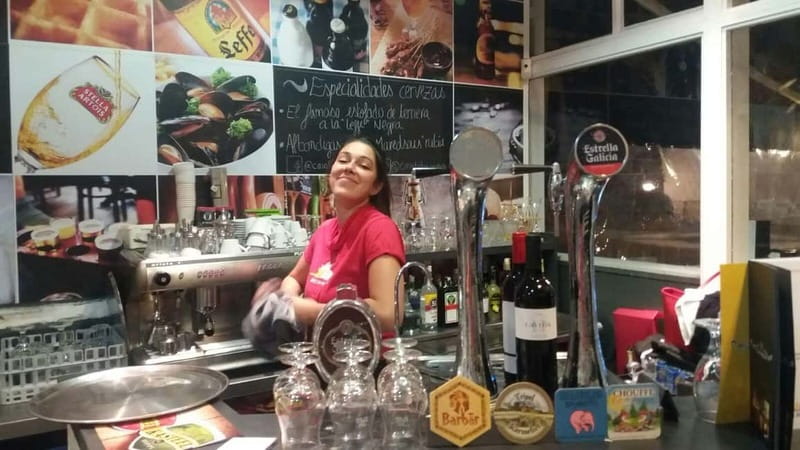
This isn’t a dry food crawl. It’s structured around the kind of eating rhythm you’d recognize in Andalusia: small plates, a sandwich-style bite, and dairy and cured meats that give you that salty, savory base.
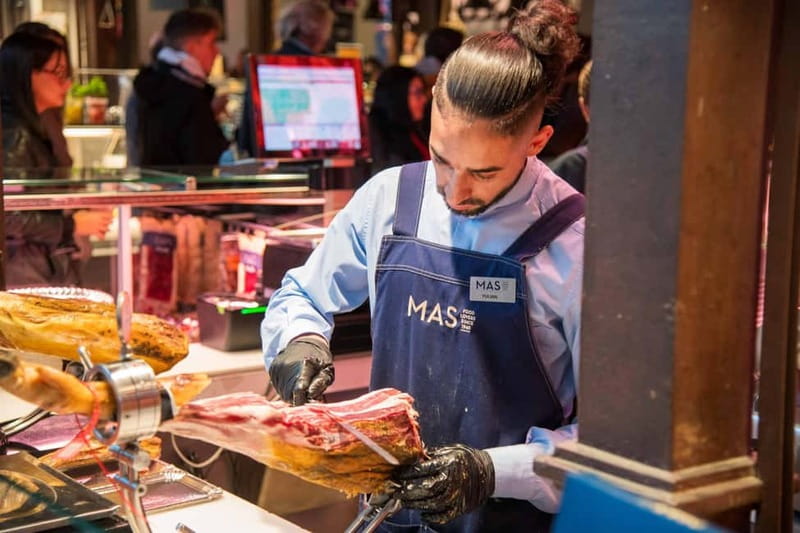
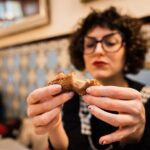
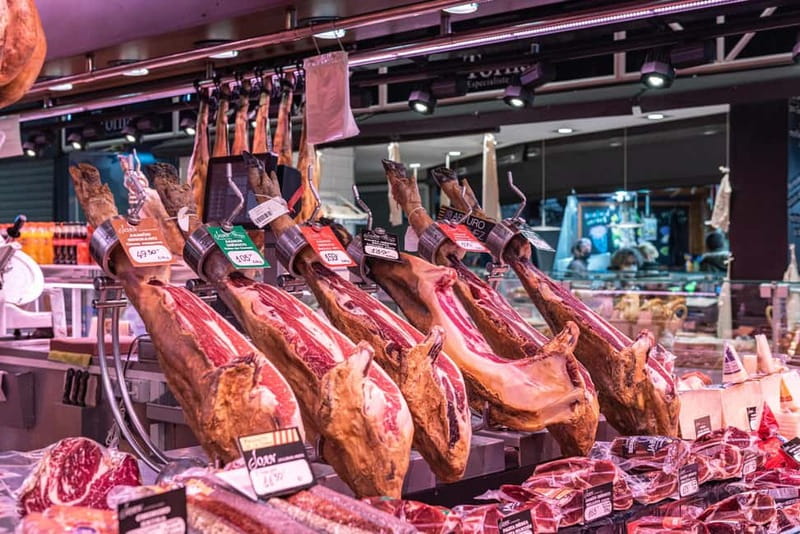
You’ll taste a mouth-watering bocata, plus authentic and delicious tapas. You’ll also get samples of cured hams and cheeses, including award-winning cheeses. That combination is smart because it balances rich, fatty flavors with lighter seafood bites later.
If you’ve ever tried to do tapas by yourself, you know the issue: you end up over-ordering one thing and missing the variety that makes the meal interesting. A guided sequence helps. You’re nudged through the tasting order so you get multiple categories without needing to interpret a menu while hungry.
One practical advantage for families: this kind of food is usually easier to share. Even if everyone doesn’t love the same bite, the table stays moving and nobody has to wait for a single dish to arrive.


Wine pairing: three Spanish wines with a real reason to sip
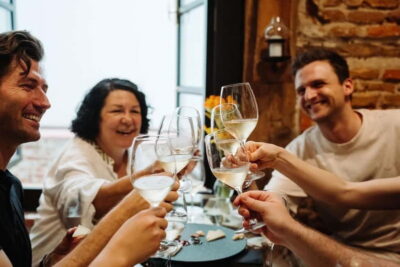
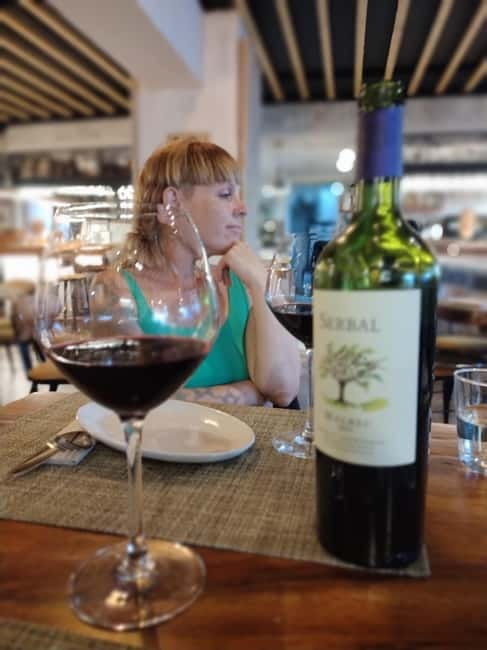
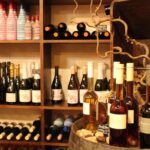
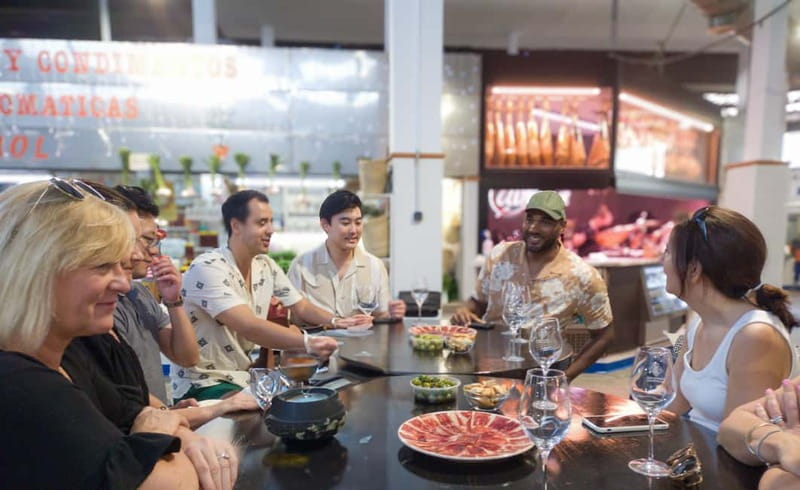
The tour includes three expertly paired Spanish wines. Pairings can be gimmicky on some tours, but the value here is that the wines are matched to what you’re eating as you go through the market stops. You’re not tasting random glasses; you’re tasting alongside cured meats, cheeses, and seafood flavors that need different acidity and body.
If you don’t drink wine, you’re not stuck. The tour allows you to choose beer or soft drinks instead. That matters because it keeps the experience focused on food rather than forcing alcohol.
This is also why I think the price works. Many “food tours” include cheap tastings. Here, three planned wine pairings turn it into a full, guided tasting meal experience.
Malaga produce you won’t see in supermarkets: what to look for
One of the tour’s highlights is Malaga produce that never makes it to the supermarkets. That phrase matters because it hints at what makes local markets different from grocery stores: you’re seeing what’s grown and traded in the region today.
When a guide points out these items, you get more than just tasting. You learn what’s common locally and what sells at the market. That can change how you eat after the tour. If you know which seasonal items are worth chasing, you’ll order better meals later—at restaurants and in everyday market browsing.
This is also where the guided connection to vendors pays off. Stalls aren’t only selling products; they’re selling knowledge about what’s good right now. A guide helps you notice that without needing to speak fluently or know the market jargon.
Family-friendly pace and group experience (and who should bring what)
This is described as family-friendly, and the timing supports that. You’re not wandering for half a day. In 3 hours, you do a short orientation walk and then you spend most of your time tasting in the market setting.
That said, there are limits:
- The tour is not suitable for vegans
- It’s not suitable for people with celiac disease or gluten intolerance
- It’s not suitable for people with mobility impairments
Food restrictions can be the deal-breaker for some travelers, even if you love markets. Since the tour includes cured hams, cheeses, and seafood cooked on the spot, it isn’t built for strict vegan diets or gluten-free needs. If your diet is restricted, message dietary requirements when you book so the operator can advise you accurately.
Also, if you’re the kind of traveler who wants a lot of personal space, keep in mind this is a guided group meal experience. You’ll be walking and sampling around vendor stalls, so comfort comes from going with the flow.
Language and guidance style: Spanish and English, food-first commentary
The guide provides a live tour in Spanish and English. One strong advantage is that you’re not left alone to guess your way through the market. You also get a guide who knows the vendors well enough to have them reserve seating for the tour, which keeps the pacing from turning chaotic.
The guidance style is mainly about food and tastings. That’s a win if your goal is to eat well and understand market logic quickly. A possible downside is that the tour may not satisfy people who want a heavier historical background about Marbella. If you’re into museum-grade context, you may feel you’re getting less of that and more practical flavor education.
In short: you’ll probably leave satisfied with what you ate and how you ordered, even if you didn’t get a deep history seminar.
Price and value: $110 for a guided tasting meal
At $110 per person for about 3 hours, this tour isn’t a budget “snack stroll.” But it also isn’t overpriced for what you get—because the cost is tied to food you’d otherwise pay for, plus guidance that helps you access vendors and tastings.
You’re paying for:
- cured hams and award-winning cheeses
- tapas and a bocata
- fresh fish and seafood cooked on the spot
- and three Spanish wine pairings (or beer/soft drinks instead)
Do the math in your head like this: if you bought multiple tapas, cheese/meat plates, seafood, and multiple drinks at market-adjacent places, the total usually climbs fast. The tour bundles that into a timed, guided format. That’s why the price can make sense even if you’re not sure about the market.
The value is best if you’re a visitor who wants structure. If you already know the vendors and speak confidently enough to order through the market, you might feel you could assemble a similar meal on your own. But for most people, the guide saves time, reduces stress, and helps you avoid the trial-and-error stage.
What I would do to get the most out of it
You’ll get more out of the tour if you treat it like a planned meal, not a light tasting. Come hungry in a sensible way. You don’t want to show up after a huge brunch, but you also don’t want to arrive so full that every bite feels small.
If wine is part of the pairing and you drink, take your time. The pacing is built for pairing food with sips, and rushing can flatten the experience. If you’re driving or prefer not to drink, choose the beer or soft drinks option and enjoy the pairing idea without the alcohol.
And because the tour isn’t for gluten-free or vegan diets, double-check your restrictions early. Tell the operator when booking; don’t wait until you arrive in the market. That’s how you keep the experience smooth for everyone.
Should you book Taste Marbella’s Market Tour?
Book it if you want a guided, food-forward market experience in Marbella with structured tastings, a fishmonger moment with Paco and the catch of the day, and three wine pairings. It’s a strong choice for first-timers who don’t want to figure out market logistics while hungry, and it’s a good fit for families who can enjoy sharing bites.
Skip it (or choose something else) if you need vegan options, gluten-free/celiac-friendly food, or accessibility accommodations. Also skip if you mainly came for a history-heavy tour; this one is more about eating well and learning the market rhythm than delivering a deep lecture.
If your goal is simple—taste your way through Marbella’s local food scene with a guide who knows the stalls—this is the kind of tour that makes that goal happen in 3 hours.
FAQ
How long is the Marbella guided market tour with tapas and wine?
It runs for about 3 hours.
Where do I meet for the tour?
You meet at the fountain in Plaza de los Naranjos.
Where does the tour end?
The tour ends back at the same meeting point in Plaza de los Naranjos.
What food and drinks are included?
You get cured hams, award-winning cheeses, fresh fish and seafood cooked on the spot, authentic tapas, and three Spanish wines. You can choose beer or soft drinks if you prefer not to drink wine.
Do I have to drink wine?
No. The tour offers beer or soft drinks as an alternative to the wine pairings.
Is the tour suitable for vegans or people with celiac disease?
No. It’s not suitable for vegans or for people with celiac disease. It’s also not suitable for those with gluten intolerance.
Are there dietary accommodations?
You should let the operator know about any dietary restrictions when you book.
What languages are offered?
The tour is available in Spanish and English.
Is it good for families?
Yes, it’s described as family-friendly, and the pacing fits a short, shared tasting experience.