REVIEW · SEVILLE
Seville: Andalusian Tapas Class
Book on GetYourGuide →Operated by Taller Andaluz de Cocina -Cooking School · Bookable on GetYourGuide
Tapas taste better when you make them. This Seville class starts inside the Triana Market, and you cook using seasonal ingredients with a pro chef in English; I like that you get a real meal out of the work, not just a quick sampling. A fair heads-up: the exact tapas are seasonal, so you might not get every favorite every day.
What makes it work so well is the structure: you prep four traditional tapas, then sit down and eat what you made, with sangria and more drinks along the way. The vibe stays relaxed enough to chat while you cook, and you’ll leave with written recipes so you can repeat the dishes at home.
For some people, the biggest “watch-out” is timing. It’s only 3.5 hours, so you’ll get guidance and technique without a slow, step-by-step cooking marathon.
In This Review
- Key highlights worth your time
- Triana Market Meet-Up: where your ingredients start
- How the 3.5-hour tapas class flows (hands-on, then dinner)
- Your tapas lineup: what you’ll likely cook in Andalusia
- Wine, olives, and the end-of-class dinner moment
- Chef guidance in English: learning with people, not lectures
- Price and value: is $88 worth it?
- Dietary needs: flexibility without guessing
- Who should book this tapas class (and who might not love it)
- Should you book the Seville Andalusian Tapas Class?
- FAQ
- Where is the meeting point for the class?
- How long is the Seville Andalusian Tapas Class?
- What language is the class taught in?
- How many tapas will I cook, and what’s included?
- Can the menu be adapted for dietary restrictions?
- What does the $88 price include?
Key highlights worth your time
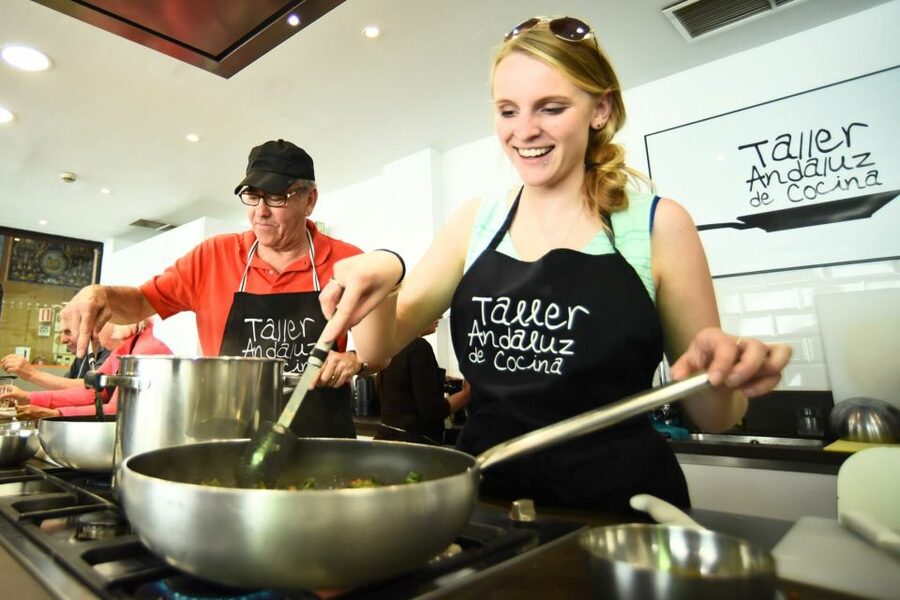
- Triana Market location means fresh, seasonal ingredients are part of the experience, not window dressing
- 4 tapas in one session gives you a broad feel for Andalusian flavors instead of one single dish
- Chef-led instruction in English helps you learn techniques you can actually use later
- You eat your own tapas with drinks, so the class ends like a proper Seville meal
- Recipes and tips to take home make the class feel more than just a night out
Triana Market Meet-Up: where your ingredients start
The experience meets at Triana Market on Plaza del Altozano, at stalls 75–77. If you’ve never been inside this kind of market in Seville, here’s the quick reason it matters: markets don’t just sell food, they set the rules for what tastes best right now. That’s exactly what the class leans on.
Because the school is based in the market, you’re working with ingredients that reflect what’s fresh and seasonal. You’ll feel the difference when cooking: softer tomatoes for cold soups, the kind of herbs and garlic that actually smell alive, and produce that isn’t lingering. Even if you’re not a “food nerd,” it’s noticeable in the final dishes.
Also, you’re not just arriving at a random kitchen. You’re beginning in a real food environment. That helps the class feel grounded in Andalusian everyday life, not a staged performance for tourists.
One practical thing: wear comfortable shoes. Market floors can be a little uneven, and you’ll likely move around while meeting your chef and getting settled.
You can also read our reviews of more tours and experiences in Seville.
How the 3.5-hour tapas class flows (hands-on, then dinner)
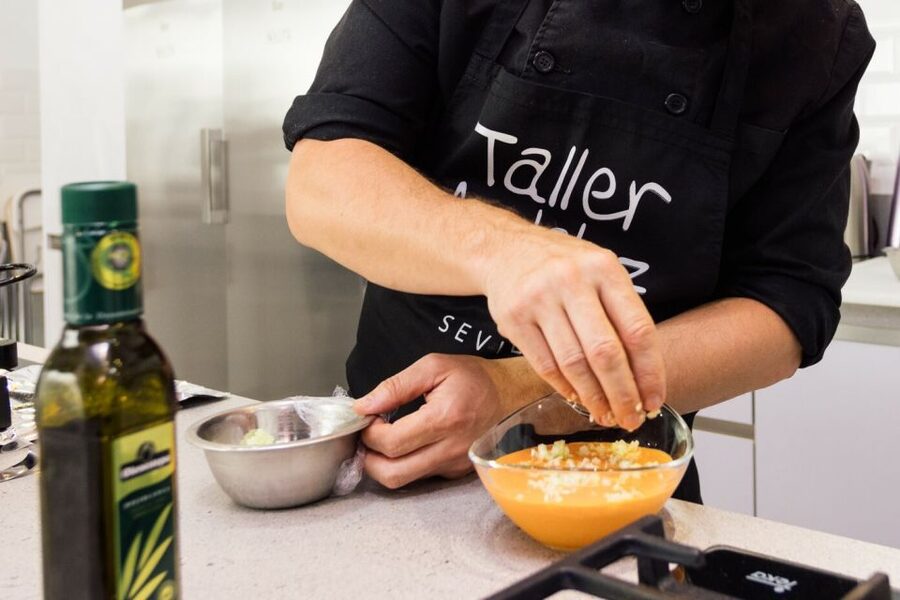
The class runs 3.5 hours, taught in English by a professionally trained chef. You’ll be provided with ingredients and utensils, plus an apron. That’s useful because it removes the common hassle of cooking classes—trying to bring the right gear or figure out what’s supplied.
During the cooking time, you’ll have sangria to drink, and table olives are served as you work. This may sound like an afterthought, but it changes the mood. It keeps the session social and helps you relax into the rhythm of cooking with other people rather than rushing through steps.
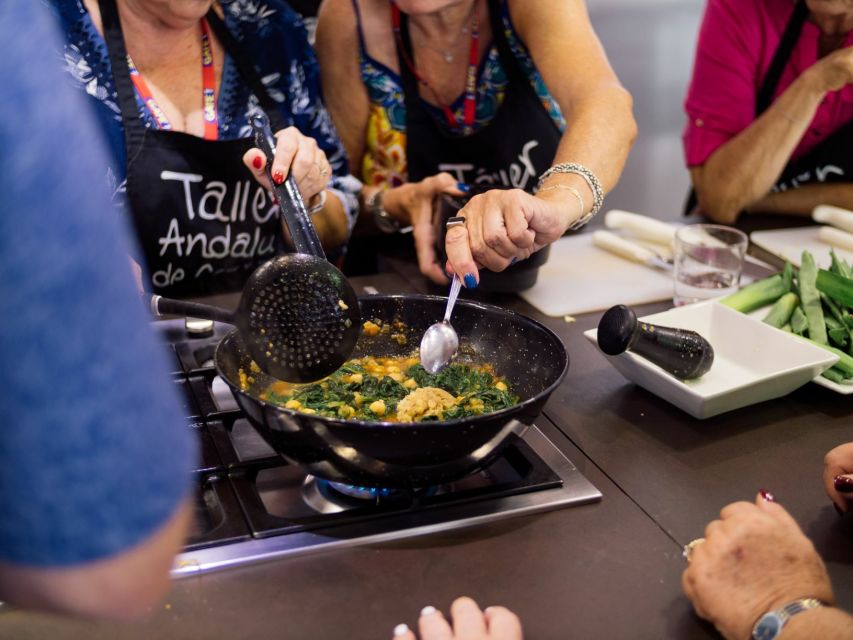
You also get the chance to be involved in the preparation, guided by the chef. In a class like this, “hands-on” doesn’t always mean you do every step. It means you’re pulled into the process where it makes sense—mixing, assembling, sautéing, shaping, or helping with components—while the chef keeps you on track.
By the end, the structure flips from work to meal. You’ll sit down and eat what you cooked, with drinks included.
Your tapas lineup: what you’ll likely cook in Andalusia
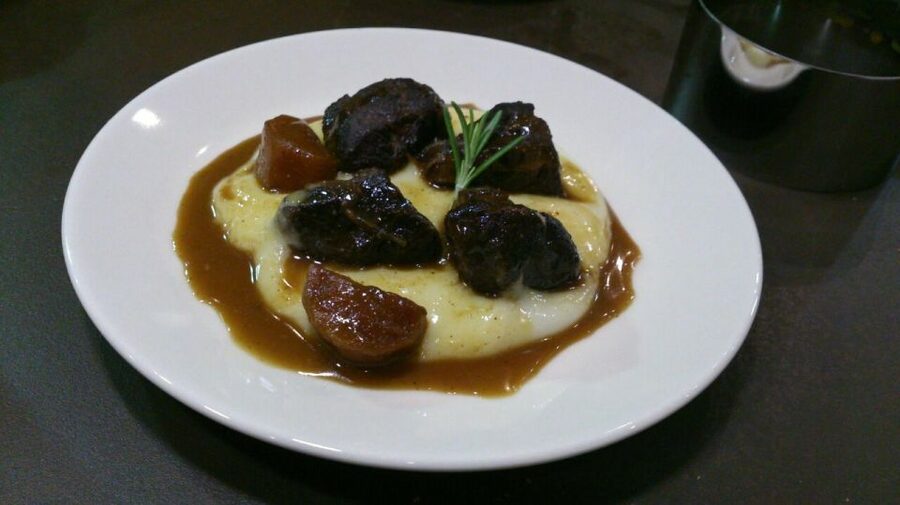
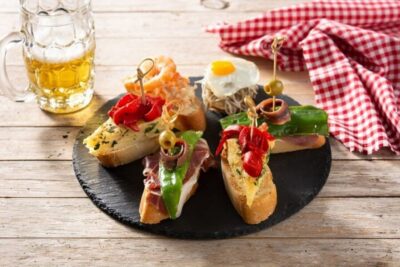
You’ll prepare four tapas, chosen from a seasonal list. The menu changes with the time of year, so expect flexibility. Still, the dishes offered cover a strong slice of Andalusian cooking—soups, eggs, fried or sautéed seafood, and warm comfort stews.
Here’s what’s on the menu you may cook:
- Salmorejo or Gazpacho
These are Andalusian classics, usually served cool and focused on ripe tomatoes, olive oil, and garlic. In a cooking class setting, they’re a great way to learn how balance matters—texture, thickness, and how you build flavor with simple ingredients.
- Spanish omelet (tortilla española)
This is comfort food with real technique behind it: egg, potato, and onion, cooked so it’s tender and set rather than rubbery. Learning this at home is often easier than people think once you understand the timing.
- Spinach on garlic toast
A simple-sounding dish that rewards good garlic and correct cooking of spinach. It’s also a good example of Andalusian flavors leaning on olive oil, garlic, and straightforward seasoning.
- Huevos a la Flamenca
Another egg dish with a more layered feel—often baked or cooked in a way that gives it structure and richness. It’s the kind of tapa that makes you understand why egg dishes are so central in Spanish meals.
- Iberian pork cheeks stew
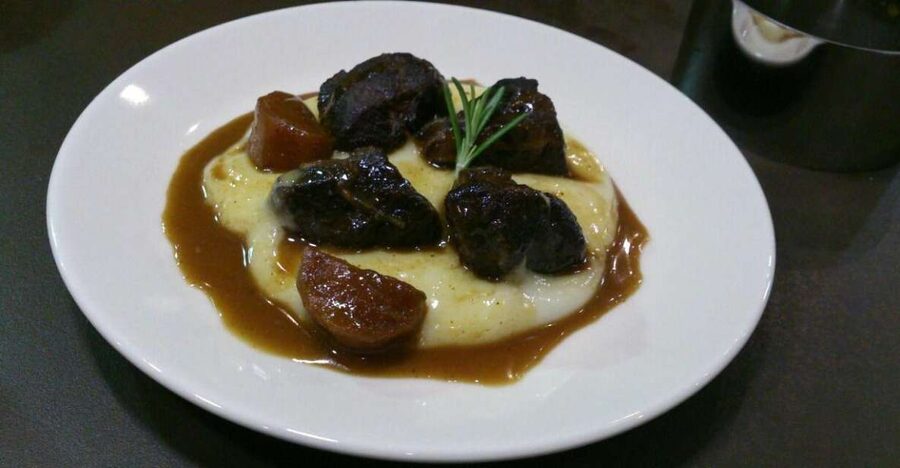
This is the slow-and-cozy option. Pork cheeks become tender and flavorful when cooked until they break down. It’s hearty tapas food, and it helps balance the cooler items like soup.
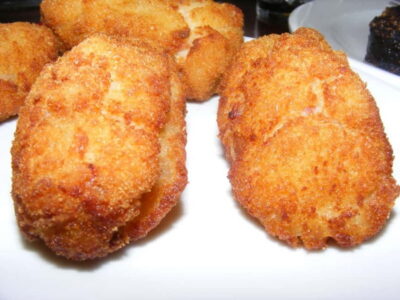
- Codfish in batter or codfish croquettes
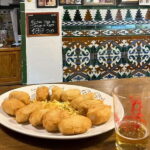
You might get either a battered option or croquettes, depending on season. Either way, you’re learning about creating that crisp outside and a flavorful inside. It’s also a practical skill you can reuse when you cook at home.
- Shrimps in garlic oil
This is where you see Andalusia’s love for garlic and olive oil in action. Shrimp cooks quickly, so timing and heat control matter—exactly the kind of technique that sticks with you after the class.
The class is designed to suit both novice and more experienced cooks. If you’re new to cooking, you’ll learn through guided steps and explanation. If you already cook, you’ll likely pick up more nuance—texture targets, seasoning checks, and timing.
Wine, olives, and the end-of-class dinner moment
This is not a class that ends with a tiny bite. After you cook your four tapas, you eat them as a meal, accompanied by drinks.
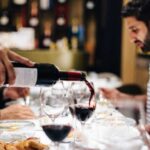
During the cooking time you’ll have sangria and table olives. At the end, you’ll get to enjoy up to two extra drinks with your meal—Spanish wine, beer, or soft drinks—plus a final local sweet dessert wine.
That sweet dessert wine matters because it closes the loop on the tapas concept. Tapas aren’t just appetizers; they’re a whole evening style of eating. Starting with savory dishes, moving through comfort and seafood, then finishing with something sweet and local is a satisfying arc.
If you’re wondering whether you’ll feel full, you likely will. The meal includes everything you cooked, and it’s meant to stand in for an evening out.
Chef guidance in English: learning with people, not lectures
One of the best things about this class is how the teaching feels in practice. The format leaves room to socialize while you work, so you’re not stuck in a rigid lecture mode.
The vibe is also human. I’ve seen accounts of welcoming hosts like Dominique and Noelia, plus staff support from Mayte, and chef instruction tied to Leo. Even without getting lost in names, the takeaway is clear: you’re guided, you’re included, and you’re not treated like you’re in the way.
That relaxed approach is especially good if you’re traveling solo or with a friend and want the class to feel like an event, not a test. You get a mix of instruction and real participation.
English instruction is a big plus. Food vocabulary can be tricky in Spain, and having explanations in English means you can focus on technique—how something should look and taste—rather than translating in your head.


Price and value: is $88 worth it?
$88 per person for a 3.5-hour cooking class is not a cheap souvenir-style activity. But it can be good value because you’re paying for more than entertainment.
Here’s what that price typically buys you in this setup:
- A chef-led hands-on class with English instruction
- Ingredients and utensils provided, plus an apron
- Sangria during cooking and table olives during the session
- A meal made from your four tapas, plus up to two drinks with the meal
- A final dessert wine
- Written recipes and lots of tips to take home
When you add it up, the meal and drinks aren’t just freebies—they’re part of the experience structure. You’re essentially getting a guided cooking session and an evening meal rolled into one, with market-sourced ingredients doing the heavy lifting.
If you were to buy tapas and drinks separately at restaurants, you’d still likely spend a similar amount once you add up multiple dishes and beverages. The big difference here is that you also learn the skills behind the food.
Dietary needs: flexibility without guessing
If you have dietary restrictions, this is one of the areas where the class can be reassuring. Recipes can be adapted to dietary needs, as long as you let the operator know in advance.
That matters because cooking classes fail when they force everyone to eat the same menu. Here, the approach is: advise ahead, then the recipes can be adapted. You’ll want to be clear and early about what you need to avoid.
Who should book this tapas class (and who might not love it)
This class is a strong fit if you:
- Want to learn classic Andalusian flavors beyond ordering tapas and leaving it there
- Like hands-on cooking, even if you’re not confident in the kitchen
- Prefer a structured meal experience with drinks, in a real market setting
- Want take-home value through written recipes and practical tips
It might be less ideal if you:
- Need a specific dish every time (the four tapas change by season)
- Expect to do 100% of every cooking step with no chef involvement (the format is guided, not fully self-directed)
Also, if you’re the type who dislikes being in a cooking environment for several hours, you may feel more patience is required. The class works best when you’re willing to cook along with others.
Should you book the Seville Andalusian Tapas Class?
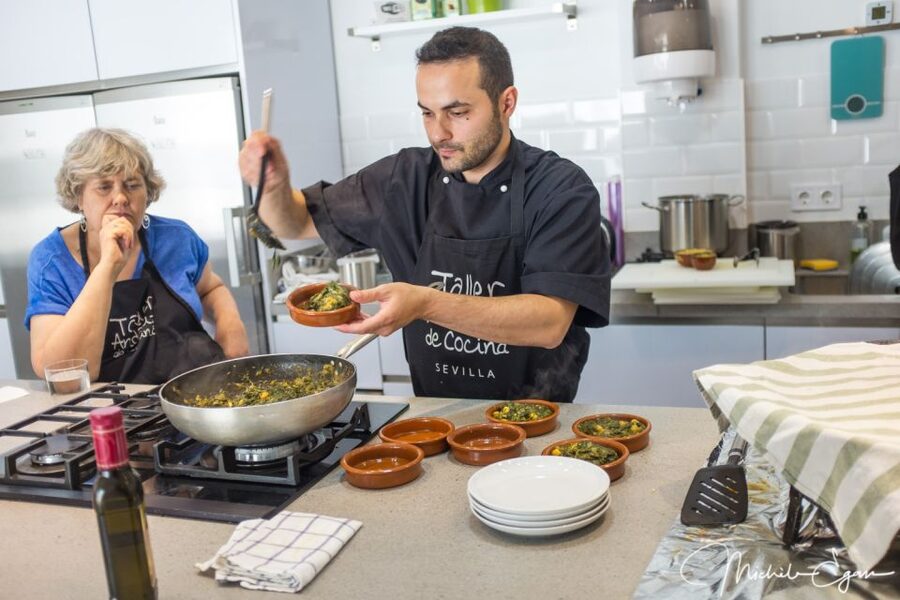
If you want a Seville evening that mixes market life, real cooking technique, and a satisfying meal you made yourself, I’d book it. The strongest reasons are the setting in Triana Market, the four-tapas format, and the fact that the class ends as a proper dinner with drinks and dessert wine.
I’d also book it if you like the idea of learning recipes you can repeat at home. The written recipes and tips are part of why the experience doesn’t disappear the next morning.
If you’re only after a quick bite or you’re picky about a fixed menu, double-check the idea of seasonal selection. And if you care a lot about doing every step personally, arrive with that mindset and ask the chef where you can take the lead.
FAQ
Where is the meeting point for the class?
The class meets at Triana Market, on Plaza del Altozano, at stalls 75–77.
How long is the Seville Andalusian Tapas Class?
It lasts about 3.5 hours.
What language is the class taught in?
The class is taught in English.
How many tapas will I cook, and what’s included?
You’ll prepare four traditional tapas, chosen from the seasonal menu, and then you’ll eat the tapas you cooked. Sangria is served during cooking, and you’ll also get up to two additional drinks with your meal plus a final dessert wine.
Can the menu be adapted for dietary restrictions?
Yes. The recipes can be adapted to dietary restrictions. Let the tour operator know in advance if you have allergies, intolerance, or other restrictions.
What does the $88 price include?
You get ingredients, utensils, and an apron; sangria and table olives during the class; a meal including the four tapas you cooked; up to two extra drinks with your meal; and a local sweet dessert wine. Written recipes and tips are also provided after the class.