REVIEW · SEVILLE
Seville Jewish Quarter Small Group Tour with Tapas and Drinks
Book on Viator →Operated by Seville Unique Experiences · Bookable on Viator
Jewish Seville comes alive fast. You get a story-driven walk through the former Jewish Quarter, built for photos and big historical meaning in just a few short hours. I like that the route connects the Alcazar area to the neighborhood’s medieval life, and I really like that the tour ends with a real tapas meal plus two drinks, so you’re not scrambling for dinner afterward.
One thing to plan for: it is still a walking tour. Expect narrow streets and a steady pace, so comfortable shoes matter if you’re doing Seville in one go, especially if the weather turns damp.
In This Review
- Key highlights worth planning around
- A three-hour Jewish Quarter walk made for stories and photos
- Starting at Plaza del Triunfo: the Alcazar story that sets the tone
- Urban changes and the 21st-century city you’ll notice on purpose
- Susona and the Street of Death: the medieval storytelling stop
- Fortifications, the cemetery structure, and layers of worship
- Hidden corners and a hotel preserving old Jewish quarter houses
- The neighborhood-naming square and the first church traces
- Tapas dinner with Spanish wines: three tapas and two drinks
- Dietary needs and how flexible it can be
- Price and value: is $71.35 fair for 3 hours?
- Who should book this and who should skip it
- Should you book the Seville Jewish Quarter with tapas?
- FAQ
- How long is the Seville Jewish Quarter small group tour?
- What is included in the price?
- Where does the tour start and where does it end?
- Is the tour offered in English?
- What group size should I expect?
- Can I get a full refund if my plans change?
- Can the restaurant accommodate dietary allergies or intolerance?
- Is the walking difficult?
Key highlights worth planning around
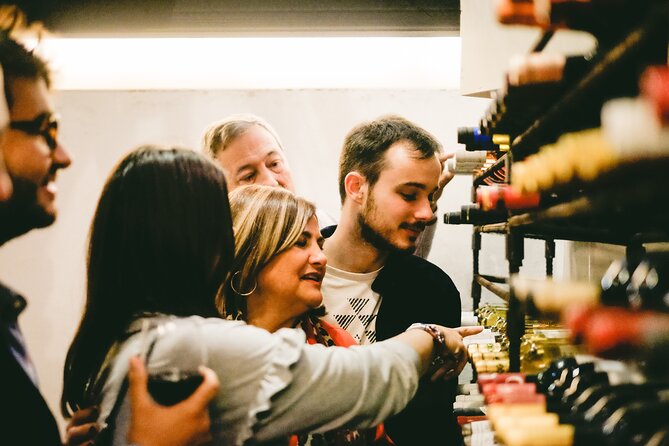
- Small group size (max 10) makes it easier to ask questions and keep a comfortable pace
- Photo-friendly street turns throughout the Jewish Quarter area
- Legend stop: Susona and the Street of Death brings medieval stories into view
- Three cultures of the Mediterranean worship site adds an extra layer beyond the Jewish Quarter
- Tapas dinner with Spanish wines includes three typical dishes plus two drinks
A three-hour Jewish Quarter walk made for stories and photos
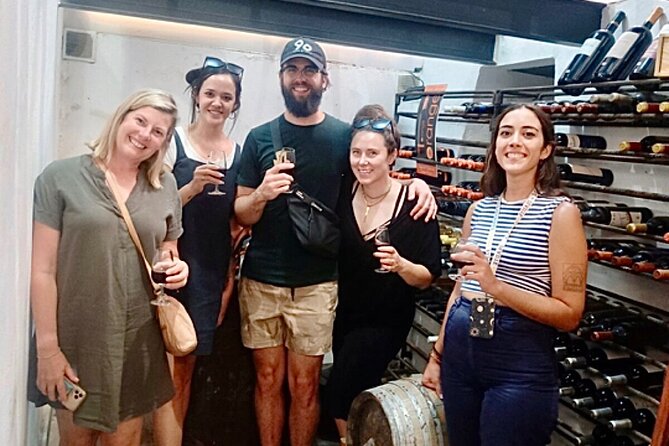
This is the kind of tour that works well in Seville when you want more than landmarks. It runs about 3 hours, and the best part is the format: a compact walking route with clear, chronological storytelling, then food and drinks at the end.
Because the group is kept to up to 10, the guide can slow down when people want details. It also makes the streets feel more like a neighborhood stroll instead of a rushed sightseeing stamp. If you like taking photos, you’ll have plenty of moments to stop, frame, and reframe—the Jewish Quarter is all about corners, angles, and the small plazas that seem to appear between buildings.
Also, the tour is offered in English, and you get a mobile ticket, which is convenient if you’re juggling tickets all week. And since the meeting point is right in the historic core near public transport, it’s easy to start this before you drift toward the Cathedral area.
You can also read our reviews of more tours and experiences in Seville.

Starting at Plaza del Triunfo: the Alcazar story that sets the tone
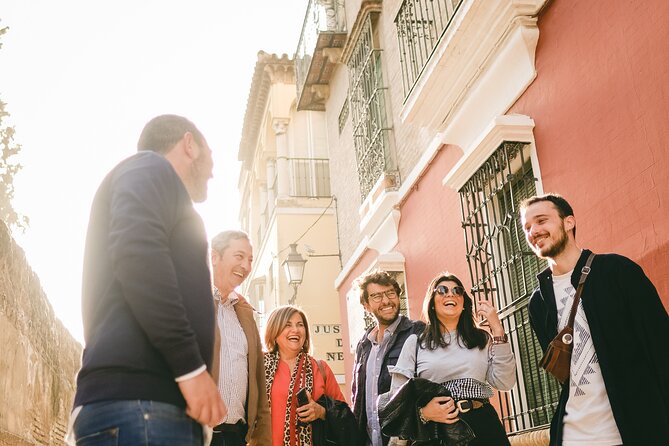
You meet at Plaza del Triunfo and get an opening welcome that anchors the neighborhood in Seville’s broader story. The first part is more than a warm-up. You learn how the origin of the Alcazar connects to what comes next, and you’re guided toward the Jewish Quarter with that big-picture thread in your mind.
That matters because Seville can feel like a set of separate attractions if you don’t connect them. When the Alcazar is explained first, you’ll understand why later stops about fortifications, worship spaces, and cemeteries don’t feel random. It’s one evolving place story.
The guides are clearly a big reason people rate this so high. Names that come up in the feedback include Miguel, Barbara, Valentín, Marta, and Carlos—and the common thread is delivery. People describe guides who keep the pace readable and make space for questions, which is exactly what you want on a 3-hour evening.
Urban changes and the 21st-century city you’ll notice on purpose
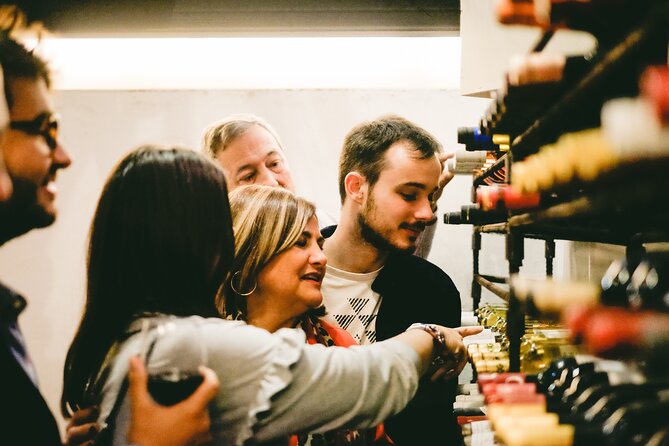
The second stop shifts from medieval life to how the area was reshaped. You focus on the urbanistic changes that transformed the neighborhood and help you understand the 21st-century city around you.
This is the part I like most when I’m deciding whether a history tour is worth it. If your guide only points at old stones, you can walk away with facts but no sense of what changed. Here, the angle is different: you learn what got altered, why the layout matters, and how those decisions still show up as you walk.
Practically, it gives your eyes a new assignment. Instead of just looking for the most photogenic archway, you start noticing streets, openings, and where the neighborhood feels tight versus where it opens up into a plaza. That kind of attention makes the walk feel personal, even if you’ve only got a short window in Seville.
Susona and the Street of Death: the medieval storytelling stop
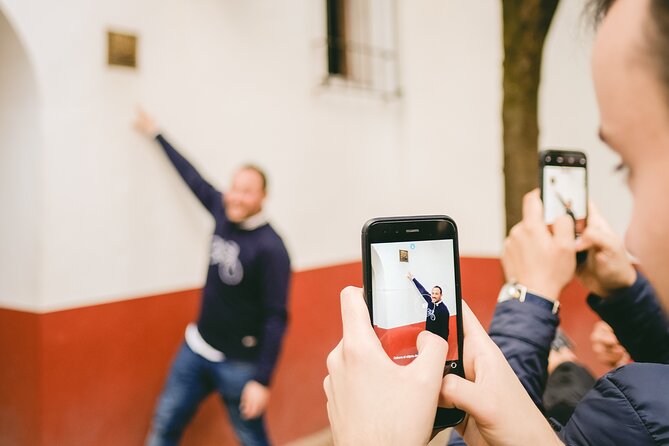
Then comes one of the most intriguing segments: the legend of Susona and the Street of Death. This isn’t presented like a dry fact dump. It’s more like a story stop, where you’re asked to picture the neighborhood the way people once understood it.
Why it works: legends stick in your memory better than dates. And when you tie the legend to the physical streets, you don’t feel like you’re only reading a plot. You’re walking through the stage where the story would make sense.
It’s also the kind of stop that keeps the tour from becoming only about architecture. You’re still seeing the area, but now you’re seeing it with emotion and meaning.
Fortifications, the cemetery structure, and layers of worship
The tour then turns to the fortified area around the Jewish Quarter and the Alcazar. In Seville, walls and defenses aren’t just old leftovers—they explain why places developed the way they did. Here, that fortified relationship helps you understand the neighborhood’s boundaries and what it protected.
After that, you get to the medieval Jewish cemetery, which is now preserved at a curious structure. This stop can be quietly powerful for a lot of people because it’s a reminder that community life left traces even when much else was erased. It also helps you understand why so many parts of the Jewish Quarter feel more like stories and locations than grand monuments you can see from one long distance.
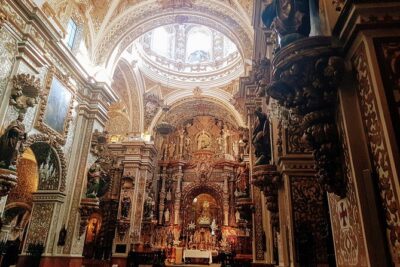
The next stop highlights how one location has been used by the three cultures of the Mediterranean as a worship place. That addition is valuable because it keeps the story from being narrow. You see the area as a crossroads—an evolving space—rather than a single-era snapshot.





Hidden corners and a hotel preserving old Jewish quarter houses
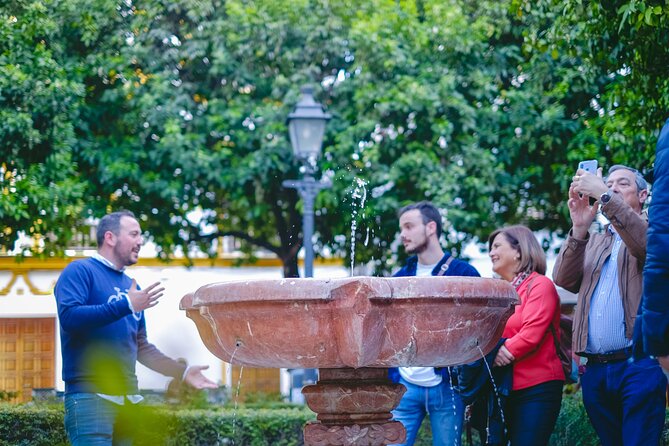
One of the stops is built around the idea of a secret preserved in plain sight: the houses of the area and a hidden detail now associated with a hotel. The key point for you is that the neighborhood isn’t just open and obvious. It includes spaces you’d miss if you were only walking casually.
This is where the small-group format helps. When a guide points out what to look for, you notice it immediately—doors, rhythms, and the way certain buildings hold onto older layers. People do mention that access to some areas can feel very hidden unless you know where to look, which is exactly why a guided route matters.
If you’re the type who likes seeing the parts that don’t appear on the first page of your map app, this stop is a big plus. It’s not about rushing. It’s about training your attention so the area starts revealing itself.
The neighborhood-naming square and the first church traces
You finish this history stretch at the square that gives name to the whole neighbourhood. Here, the guide connects the area’s identity to the origin of the first church, and you learn how it was transformed throughout the centuries.
This is one of those “small but meaningful” turns. Squares are where communities gather, and names are where memory gets saved. Even if you don’t know the local story in advance, this stop helps you understand that Seville’s layers are visible in ordinary places, not only in grand facades.
It also sets you up well for dinner. By the time you reach the tapas bar, you’re not just hungry—you’re primed to think about how people once ate, met, and lived in this same tight part of town.
Tapas dinner with Spanish wines: three tapas and two drinks

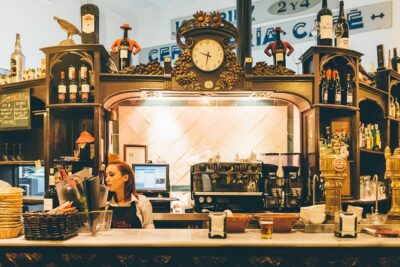
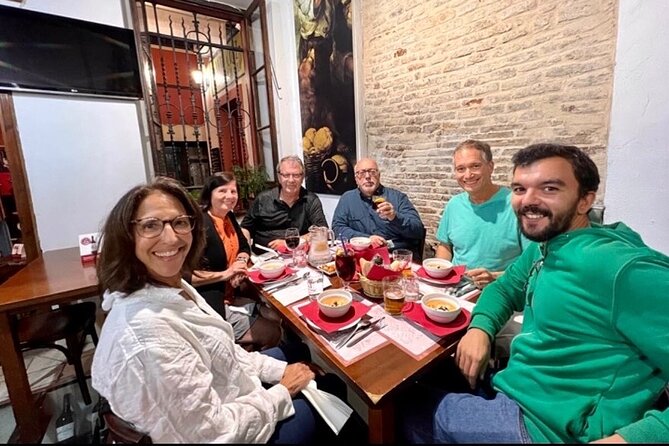
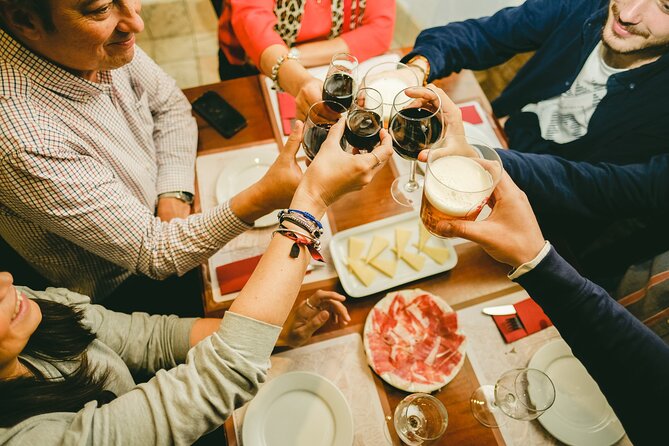
Dinner is the payoff. You head to a local tapas bar where each guest gets a full meal made up of three tapas and two drinks. People often expect “tapas” to mean a couple bites. This is more like an actual meal.
The food is built around traditional Andalusian choices, usually mixing vegetables with meats and/or fish. Examples that show up include salmorejo, croquetas, oxtail, spinach with chickpeas, pisto, pork cheeks, aubergines, anchovies, calamari, gazpacho, and mushrooms. The menu changes by session, but it stays in that classic Andalusian lane.
Two practical reasons you’ll appreciate this:
- You get structure. Three tapas plus drinks is a satisfying plan, not a food gamble.
- You get context. The guide connects the meal to the area, so you’re eating with your brain switched on.
Dietary needs and how flexible it can be
You should treat this as a good option for people with dietary restrictions, as long as you flag them at booking. The restaurant is informed about allergies and intolerance, and feedback includes examples where a vegetarian did well, plus situations like gluten intolerance and restrictions around pork or shellfish being handled successfully.
That doesn’t mean every swap is guaranteed for every person, but it does mean you’re not expected to just guess. If you have a serious dietary issue, tell the provider when you book.
Also, one note from real experience: this format focuses on tapas and drinks at the end, and there isn’t a wine-cellar stop in the way some other tours do. If you want only food plus stories, that’s a benefit. If you were hoping for a cellar visit, it’s good to know this one stays focused.
Price and value: is $71.35 fair for 3 hours?
At $71.35 per person, you’re paying for three things at once: a guide-led walking route through the Jewish Quarter, a planned tapas dinner, and two drinks (with Spanish wines included as part of the drinks).
For me, the value comes from the bundling. If you tried to copy this on your own, you’d need to either find a qualified guide for the storytelling stops or spend time researching what those legends and structures mean. Then you’d still have to find a place that serves a set tapas progression. Here, it’s handled.
It also helps that the tour is small. With up to 10 travelers, you’re not competing for attention, and the pacing stays human. People do report strong satisfaction with the guide’s presentation, including names like Marta and Valentín, who were praised for making the area feel understandable instead of confusing.
Finally, this tour tends to be popular. It’s typically booked about 32 days in advance on average, so if Seville is your tight schedule week, you’ll want to grab a spot sooner rather than later.
Who should book this and who should skip it
This tour is a strong match if you:
- want a history-focused walk without a long day
- like a guide who ties stories to the streets, not just buildings
- care about getting a built-in dinner plan with tapas and drinks
- want a smaller group, since it makes questions easier
It’s also a nice second-look option. If you already spent time around major sights nearby, this gives you another angle on the same historic zone by focusing on the Jewish Quarter’s specific sites and legends.
You might want to skip it if you:
- don’t enjoy walking through narrow historic lanes
- only want “big visible monuments” and less storytelling
- have very specific food needs and would prefer a fully customizable menu (though the tour does ask you to report allergies and intolerance)
If you’re traveling with kids, it can work well. One of the feedback notes mentioned a guide being patient with questions from children and keeping a steady pace.
Should you book the Seville Jewish Quarter with tapas?
I’d book it if you want Seville in layers: Alcazar connections, medieval legends like Susona, the cemetery structure, fortified edges, and then a meal that makes sense of the evening. The fact that it stays to around 3 hours, keeps groups small, and ends with a structured tapas dinner makes it a practical plan, not just a nice idea.
Book it soon if your dates are fixed. And when you book, be clear about allergies or strong dietary restrictions so the restaurant can handle it.
If that sounds like your kind of night in Seville, this is one of the easiest “yes” decisions you can make.
FAQ
How long is the Seville Jewish Quarter small group tour?
The tour lasts about 3 hours.
What is included in the price?
The price includes the guided walk plus a tapas dinner with three tapas and two drinks (Spanish wines are included as part of the drinks).
Where does the tour start and where does it end?
It starts at Plaza del Triunfo and ends at Calle Lope de Rueda, both in the Casco Antiguo area.
Is the tour offered in English?
Yes, the tour is offered in English.
What group size should I expect?
It’s limited to a maximum of 10 travelers.
Can I get a full refund if my plans change?
Yes. Free cancellation is available, and you can cancel up to 24 hours in advance for a full refund.
Can the restaurant accommodate dietary allergies or intolerance?
You can and should advise about any food allergy or intolerance at the time of booking, and the restaurant will be informed.
Is the walking difficult?
Most travelers can participate. The walking is described as not difficult, with about an hour and a half of walking during the tour.