REVIEW · LISBON
Tapas And Tascas: Private Food Tasting Experience In Lisbon
Book on Viator →Operated by City Unscripted · Bookable on Viator
Lisbon tastes better with a local guide. On this private tasting walk, I like the way you sample 6–8 Portuguese favorites in the Alfama and Mouraria maze, and I like the fact that your host uses a short questionnaire to shape stops around your tastes. One thing to consider: it is a walking experience through hilly neighborhoods, so comfortable shoes matter.
You’ll start in the showpiece waterfront area at Praça do Comércio, where a simple bica (Portuguese espresso) and a pastry set the tone for the day. Then you work your way into older Lisbon streets, eating classics like codfish cakes and pastel de nata, with drinks such as ginjinha, sangria, and port wine depending on the tasting plan.
The best part for me is how the food connects to place. If your guide is attentive and you speak up about what you want to learn, this tour can feel like a guided cheat sheet to Lisbon’s food culture, not just a snack run.
In This Review
- Key things to know before you go
- Why Alfama and Mouraria make Lisbon food click
- Praça do Comércio start: coffee, pastry, and orientation
- Rua Augusta and Baixa: the café culture thread
- Alfama tasca stop: pastel de bacalhau and regional cheeses
- Rua dos Remédios: street lanes, real eateries, and fado links
- Miradouro da Senhora do Monte finish: petiscos and big views
- The private format: why one-on-one can change the quality
- 6–8 tastings: how much food you’ll really get
- Drinks: ginjinha, sangria, port wine, and what to watch
- Price and Logistics: what $189.84 buys you
- Best for couples, first-timers, and food-curious Lisbon lovers
- Should you book Tapas And Tascas in Lisbon?
- FAQ
- How long is the Tapas And Tascas tour?
- Where does the tour start and end?
- Is this a private tour?
- How many tastings are included?
- What foods and drinks might I try?
- Do you get pickup?
- Is it mostly walking?
- Will my itinerary be tailored?
- Can I cancel for a full refund?
Key things to know before you go
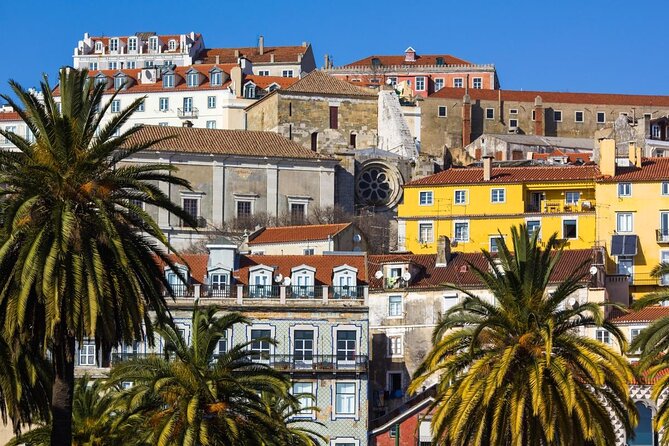
- Private, 4-hour walking tour with a local foodie host for your group only
- 6–8 tastings that can include pastel de nata, codfish cakes, cheeses, and more
- Alfama and Mouraria focus, plus a handoff through Baixa
- History and stories tied to what you eat, including links to cafés and fado heritage
- A finale at Miradouro da Senhora do Monte with a light tasting and panoramic views
- Mobile ticket and pickup offered, with public transport possible between stops (at extra cost)
Why Alfama and Mouraria make Lisbon food click
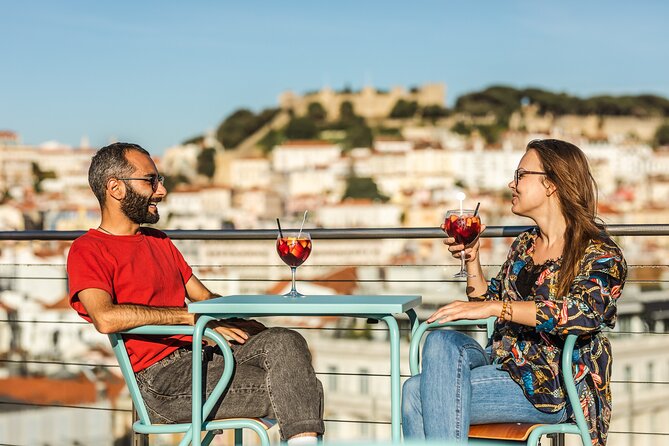
Lisbon’s neighborhoods aren’t just pretty on postcards. They shape how people eat, where they linger, and what flavors become everyday culture. Alfama and Mouraria are perfect for a tasting tour because the streets are tight, the old eateries are close together, and the city’s long food story keeps showing up at street level.
You’re also in the right mood zone. This tour is built around stopping often enough to sample different things, but not so much that you feel rushed. That balance matters in Lisbon, where you can go from waterfront promenades to steep lanes fast.
Another reason I like this setup: the food isn’t treated like random “stuff to try.” Your guide is there to explain what each bite is, how it’s made (as much as the stop time allows), and how it fits Lisbon’s identity. In the same day, you can go from a coffee-and-pastry start to codfish cake comfort to a viewpoint finish over the Tagus River.
You can also read our reviews of more tours and experiences in Lisbon.
Praça do Comércio start: coffee, pastry, and orientation
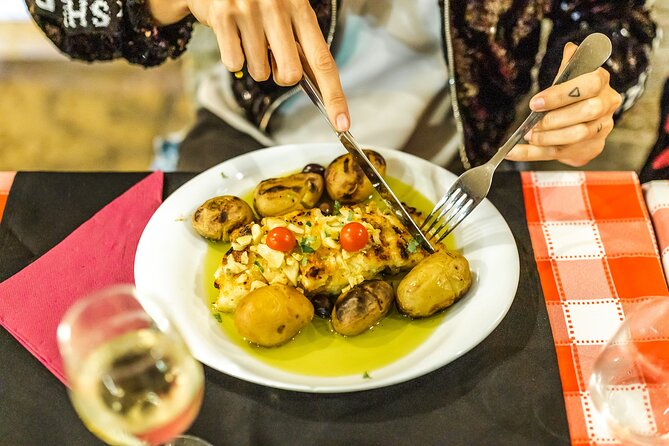
Your day begins at Praça do Comércio, Lisbon’s grand waterfront square. This location is smart because it’s easy to find, and it gives you a clear “starting map” for the rest of the walk. If you’re arriving with a head full of sights, this first stop helps you get your bearings fast.
Expect your host to set the culinary context right away, often with a bica and a sweet from a nearby pastelaria. That combination is small but effective. It gets you into Portuguese rhythm early: coffee culture matters here, and pastry shops are part of how locals live.
From there, you stroll toward Rua Augusta, Lisbon’s pedestrian avenue. This isn’t about rushing to a destination. It’s about learning why old cafés and food habits grew in these places, and how the city’s daily life shaped its classic flavors.
Rua Augusta and Baixa: the café culture thread
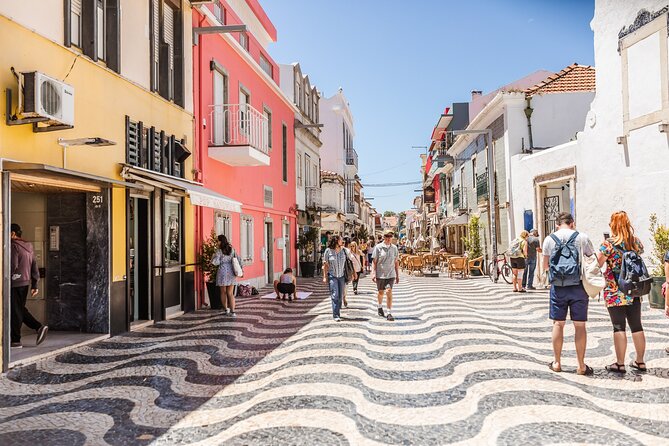
Rua Augusta is the kind of street where you can feel Lisbon’s public life. People walk through, stop for coffee, and treat small snacks as part of the day. Walking this stretch with a host who can explain the role of cafés makes it more than a photo stop.
Baixa is where you can connect the dots between “big city Lisbon” and “old-world Lisbon.” You’ll see the wider streets and more organized flow, which makes the next phase feel easier. When you later hit Alfama’s tight lanes, you’ll appreciate how your legs (and your brain) got warmed up first.
One practical benefit here: your host can adjust the pace. Since the tour is private, your guide can slow down if you want more time at a stop, or speed up if you’re hungry in a very literal way.
Alfama tasca stop: pastel de bacalhau and regional cheeses

This is one of the central reasons to book. Alfama is where Lisbon’s food becomes tactile and real: small tasca-style eateries, narrow streets, and dishes that locals reach for without thinking too hard.
A typical highlight stop happens around Largo de São Miguel, where you’ll sample things like pastel de bacalhau (codfish cakes) and regional cheeses. Codfish is a Portuguese cornerstone, and the guide’s job is to make sure you understand why it shows up everywhere and how it became a comfort-food standard.
The cheese pairing also helps. When you taste cheeses alongside a savory main bite, you get a better sense of regional flavor patterns instead of only focusing on one famous dish. It turns a snack stop into a mini lesson you can remember.
I also like that the tour isn’t only about the “most famous” item. You get at least a couple of different taste categories—creamy, salty, fried, and sweet—so your palate doesn’t get bored halfway through the day.
Rua dos Remédios: street lanes, real eateries, and fado links
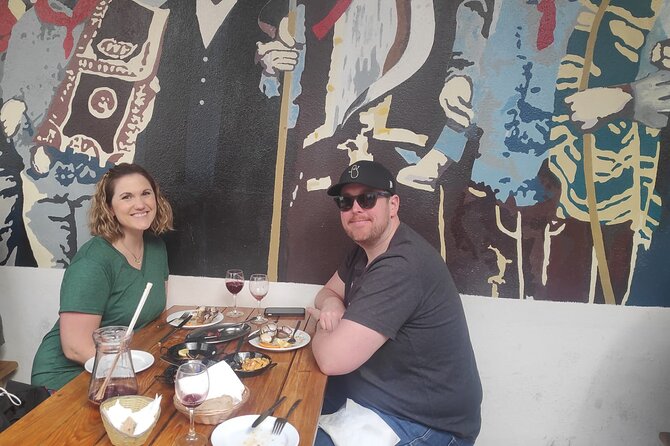
After the first taste in Alfama, the route often continues along Rua dos Remédios. This kind of street matters because it’s where everyday food culture shows up. You’re not just passing by restaurants; you’re being guided toward places where the local rhythm still feels intact.
This is also where the stories start to connect more strongly. Your host shares background on Alfama’s deeper culinary roots and ties it to the neighborhood’s fado heritage. Even if you’re not planning a fado show that day, you’ll understand why music, food, and neighborhood identity belong together in Lisbon.
From a practical standpoint, Rua dos Remédios is a good “walking transition.” If you start feeling the hill fatigue, it’s the kind of lane where you can pause without losing the thread of the walk. Your guide’s job is to keep your stops timed so the day stays enjoyable instead of turning into constant movement.



Miradouro da Senhora do Monte finish: petiscos and big views
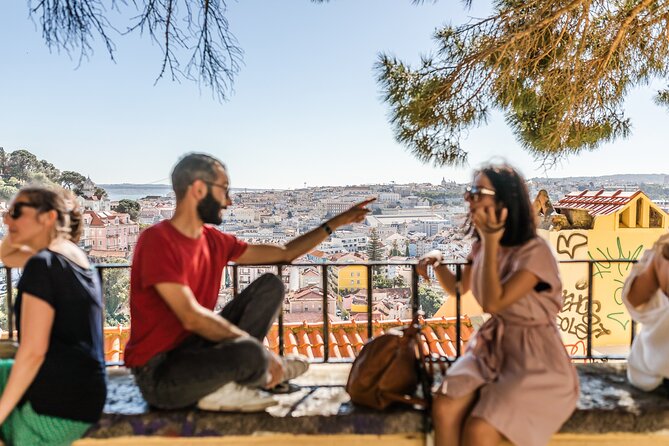
Most tasting tours end with a final bite and a direction to your next plan. This one aims to end with a payoff.
The tour’s finish at Miradouro da Senhora do Monte gives you something Lisbon does extremely well: panorama. You relax with a final tasting—often described as a selection of petiscos or a light snack—while you take in rooftops and the Tagus River.
This is the emotional end of the experience. You’ve walked through older lanes, sampled classic foods, and learned why they matter. Now the city’s scale hits you. That combination is why food tours can feel like more than eating; they feel like orientation.
It’s also a smart pacing choice. Walking uphill all day can be tiring. Ending with views gives your body a reason to slow down, sit, and recover while your brain stores the day’s impressions.
The private format: why one-on-one can change the quality
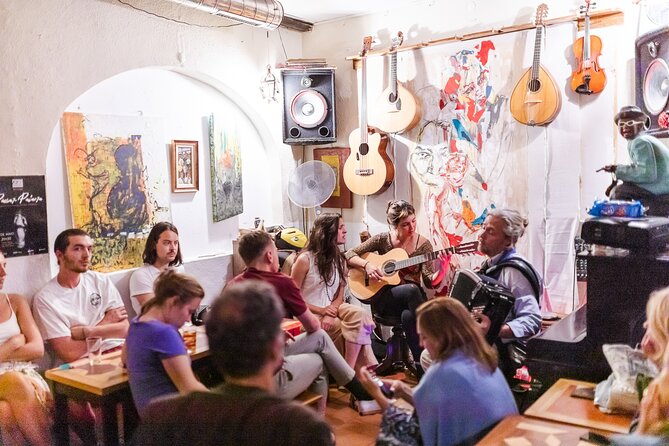
This tour is private, meaning your group gets its own local host. That sounds like a small detail, but it can make a huge difference in how useful the experience feels.
You’ll likely fill out a pre-tour questionnaire after booking, and your host uses it to tailor the route to your interests. If you love history, you’ll get more context. If you’re more focused on flavors and technique, the stop explanations should reflect that. The goal is to avoid the generic, one-size-fits-all route.
Guide quality is also very visible on this kind of tour. One host, Bernardo, was praised for Portuguese history context and for a helpful sandwich suggestion. Ricardo was praised for tailoring the tour to cultural interests, not just food. And Ann Elise stood out for making the tour a highlight early in a trip, with the guide helping match selections and variety to what the group wanted.
That said, not every day is identical. If a guide focuses less on explanations or if the stop pace doesn’t match your expectations, the tasting portion may feel more like a walk with food than a true learning experience. Your best defense is simple: ask questions and be clear about what you want to get out of it when you fill out the questionnaire.
6–8 tastings: how much food you’ll really get
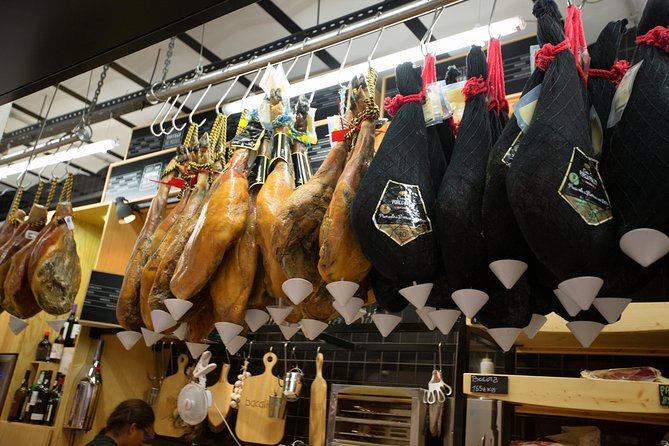
The tour includes 6–8 tastings of authentic local specialties. This usually means you’re not aiming for a full meal in each stop. Instead, you’re building a “best-of” sample plate across multiple places.
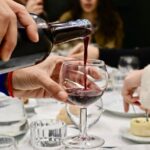
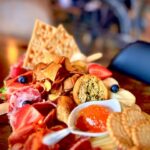
You should expect a mix of savory and sweet. The list of possible items includes things like pastel de nata, codfish cakes, local cheeses, cured meats, and drinks such as ginjinha, sangria, and port wine. The exact mix can vary depending on the day and your guide’s plan.
If you’re the type who worries about portion size, it helps to think strategically:
- You’ll likely taste enough to enjoy Lisbon’s classics.
- You probably won’t eat so much that you can skip dinner afterward.
One review concern flagged food feeling minimal and learning limited. That’s not a guarantee, but it’s a good reminder to set expectations: this is built around tasting variety, not turning into an all-you-can-snack feast.
Drinks: ginjinha, sangria, port wine, and what to watch
Portugal’s bar culture shows up in food tours, and this one explicitly includes the possibility of drinks like ginjinha, sangria, and port wine. That’s a fun way to connect palate with Lisbon’s local traditions, especially if your guide times tastings well.
Two practical tips:
- If you prefer a lighter day, ask your host to guide you toward smaller pours or fewer alcoholic tastings.
- If you’re caffeine-friendly, you may already start with bica, and coffee plus alcohol later can feel different than you expect.
Because drinks are part of the tasting plan, the best time to mention your preferences is during the questionnaire stage. That helps your guide avoid a mismatch between what you drink and what you want to learn about.
Price and Logistics: what $189.84 buys you
At $189.84 per person, you’re paying for a few key things that matter on foot: a private guide, around 4 hours of curated stops, and 6–8 tastings plus insider recommendations.
For value, I look at three parts:
- Time with a host: a private foodie guide can explain, steer, and adjust.
- Number of tastings: you’re sampling multiple categories instead of only one famous dish.
- Route design: you’re guided through Alfama and Mouraria in a way that makes the day feel coherent.
Pickup is offered, and you’ll get a mobile ticket. Transportation between sites is not included, but public transport or local taxis may be used at extra cost, which your host can discuss after booking. Since it’s primarily a walking tour, you should plan around steps and hills rather than expecting a car to do the heavy lifting.
Group discounts exist, which can help if you’re traveling with friends or family. Since it’s private, splitting the cost can make the day feel more like a “do it right” food afternoon.
Best for couples, first-timers, and food-curious Lisbon lovers
This tour fits best if you want a guided sampler across classic Lisbon flavors without spending your own time researching each stop. It’s especially good for:
- First-time visitors who want quick orientation through Alfama and Mouraria
- Food lovers who like savory-and-sweet variety across multiple neighborhoods
- Couples who want a date-day feel that includes history and views
- Anyone who values private tailoring, since the itinerary can change based on your questionnaire
If you already know exactly what you want to eat and you dislike walking in old-street terrain, you might prefer choosing a restaurant route yourself. Also, if you’re hoping for a long sit-down meal, know that the structure is tasting-based and moving.
Should you book Tapas And Tascas in Lisbon?
I think it’s a strong choice if you want Lisbon food culture explained in a way that feels practical, not academic. The route through Alfama and Mouraria, the classic tasting lineup (codfish cakes, cheeses, pastel de nata), and the viewpoint finish at Miradouro da Senhora do Monte make it easy to justify a half-day slot.
I’d especially book if you’re the type who likes to ask questions and you’ll use the questionnaire to steer the day. When guides like Bernardo, Ricardo, and Ann Elise are on point, the tour becomes a real kickoff to your Lisbon eating plan.
Skip it or consider an alternative if you’re very sensitive to walking hills or if you only want large portions and minimal movement. In that case, a more meal-focused format might suit you better.
FAQ
How long is the Tapas And Tascas tour?
It’s about 4 hours.
Where does the tour start and end?
It starts at Praça do Comércio, 1100-148, Portugal and ends back at the same meeting point.
Is this a private tour?
Yes. It’s a private experience for only your group.
How many tastings are included?
You’ll get 6–8 tastings of authentic local specialties.
What foods and drinks might I try?
The tour may include items like local cheeses, cured meats, codfish cakes (pastel de bacalhau), pastel de nata, and drinks such as ginjinha, sangria, and port wine.
Do you get pickup?
Pickup is offered, but transportation is primarily not included for the walking route. Public transport or local taxis may be used between sites at additional cost.
Is it mostly walking?
Yes. This is primarily a walking experience, and a private vehicle is not included.
Will my itinerary be tailored?
After booking, you’ll receive a short questionnaire. Your guide will reach out to shape a unique itinerary based on your interests and preferences.
Can I cancel for a full refund?
Yes. You can cancel for a full refund if you cancel at least 24 hours in advance of the experience’s start time.