REVIEW · MALAGA
Tapas Cooking Workshop & Market Visit
Book on GetYourGuide →Operated by Spain Food Sherpas · Bookable on GetYourGuide
Malaga tapas are small plates with big personality, and this workshop leans into that idea. You start with a focused Atarazanas Market visit, then move into a modern kitchen setup to cook classic Spanish tapas with a professional team. It’s a fun way to learn by doing, not just watching.
What I like most is the blend of market shopping plus cooking—ingredients make sense, then you turn them into food. I also like the way the session stays practical and participatory, with recipes included and even an apron you can take home.
One thing to consider: depending on group flow, the class may be more “learn and assist” than pure stand-at-the-stove cooking the whole time. If you want to chop and cook continuously, plan to speak up and ask for tasks early.
In This Review
- Key things to know before you go
- Malaga tapas, taught the local way (market first)
- Atarazanas Market: where you learn to pick ingredients
- Kulinera in the Soho District: the kitchen setup that makes learning easier
- The tapas lineup: what you’ll cook (and why these classics work)
- Sangría
- Fideos tostados (Crispy noodles)
- Tortilla de patatas (Spanish omelette)
- Solomillo al Pedro Ximénez sauce (Sirloin with Pedro Ximénez)
- Churros
- Drinks pairing: wine or beer
- Olive oil tasting: the ingredient lesson you’ll remember later
- How participatory is it? Get the most hands-on time
- Price and value: what $94 gets you in real terms
- Who this Malaga workshop is best for
- FAQ
- FAQ
- Where is the meeting point?
- How long is the workshop?
- What does the price include?
- Do you visit a market every day?
- Is the menu always exactly the same?
- What language is the guide?
- Should you book this Tapas Cooking Workshop in Malaga?
Key things to know before you go
- Atarazanas Food Market first: you shop ingredients tied to the local season.
- 4 traditional tapas plus a sweet finish with churros.
- Olive oil tasting and regional drinks (wine or beer) during the meal.
- A modern kitchen in the Soho District, close to the market area.
- Apron gift: you’ll take it home after the workshop.
- English live guide, with the menu able to shift for seasonality and dietary needs.
Malaga tapas, taught the local way (market first)
If you’ve ever wondered why tapas taste so different from random restaurant versions, it often comes down to two things: fresh ingredients and the rhythm of the meal. This experience connects both. You’re not just handed recipes; you see what goes into them, then you cook them in a guided setting designed for learning.
The market step matters. Tapas culture is built around sharing, snacking, and keeping things relaxed. Starting at Atarazanas sets the tone. You get your bearings with local products, and you’ll understand why certain ingredients show up in classic plates again and again.
Then you switch gears to the kitchen. The Soho District location is useful because it keeps the session efficient. The experience is about turning what you learned into dinner you can actually serve and eat—plus you leave with the recipes.
You can also read our reviews of more tours and experiences in Malaga.


Atarazanas Market: where you learn to pick ingredients
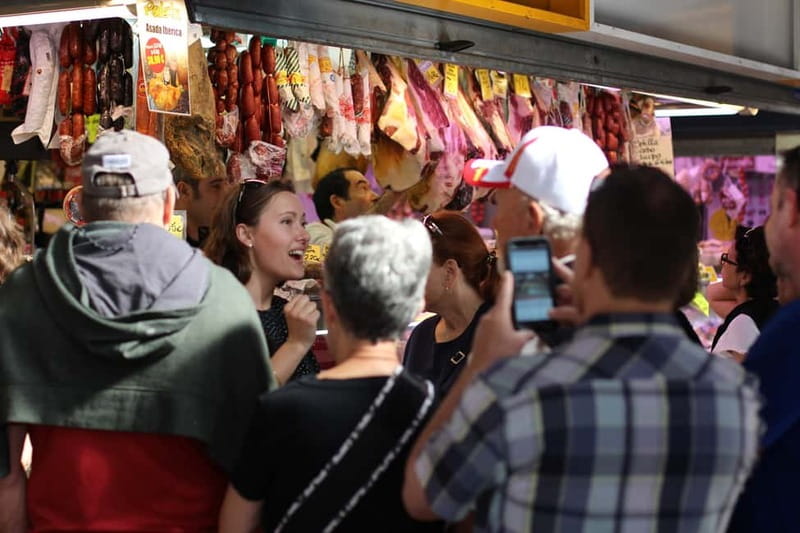
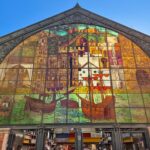
Your Malaga morning (or evening-style alternative) begins with the Atarazanas Food Market, one of the city’s best-known places to understand Spanish eating habits. On weekday and Saturday mornings, the plan is a relaxed walk to the market. You browse, learn about products, and gather ingredients you’ll later use in the cooking portion.
On Sundays and evening sessions, the market is closed. In that case, you head straight to the kitchen in the Soho District, which is near the market area. Same learning goal, different timing—so you still get the cooking without the market portion.
What’s especially worth it here is the “why.” The guide-led market time isn’t just a look-around. You’re getting explanations tied to local ingredients, and those lessons make the cooking section click. A common highlight from past participants is how strong the market guide is—clear explanations, good pacing, and products that actually show you what matters in Andalusian cooking.
Practical tip: bring a small day bag (since large luggage isn’t allowed). If you buy anything extra while you’re there, keep it manageable. You’ll want both hands free when it’s time to move from market learning to kitchen work.
Kulinera in the Soho District: the kitchen setup that makes learning easier
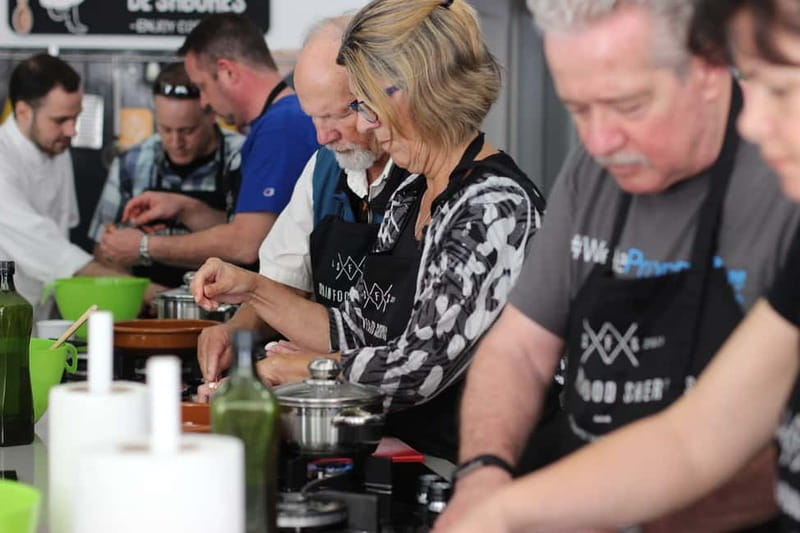
The workshop’s meeting point is Kulinera, Av Manuel Agustín Heredia 24, with underground parking called Parking de La Marina in front. Once you’re in, the vibe shifts from market browsing to a structured cooking session.
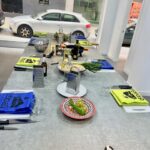
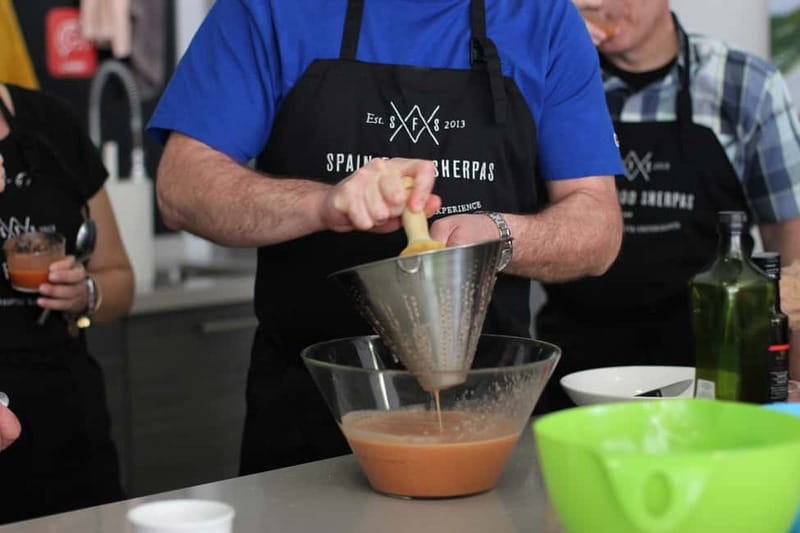
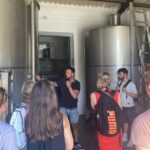
The kitchen is described as modern and spacious, and that matters more than it sounds. A comfortable workspace helps you stay engaged—less crowding, clearer stations, and enough room for chopping, mixing, and plating. It’s the kind of setup where a guide can teach step-by-step without constantly interrupting the group.
You’ll work with a professional team in a didactic, enthusiastic, participative style. Past feedback highlights that the chef and guide are friendly and organized. That combination is what you want when you’re learning Spanish classics: you need both confidence (friendly tone) and clarity (good instruction).
One more small but important point: the menu can vary to accommodate seasonal availability or dietary restrictions. That means the workshop aims to be flexible rather than rigid. You won’t feel like you’re stuck with a one-size-fits-all script.
The tapas lineup: what you’ll cook (and why these classics work)
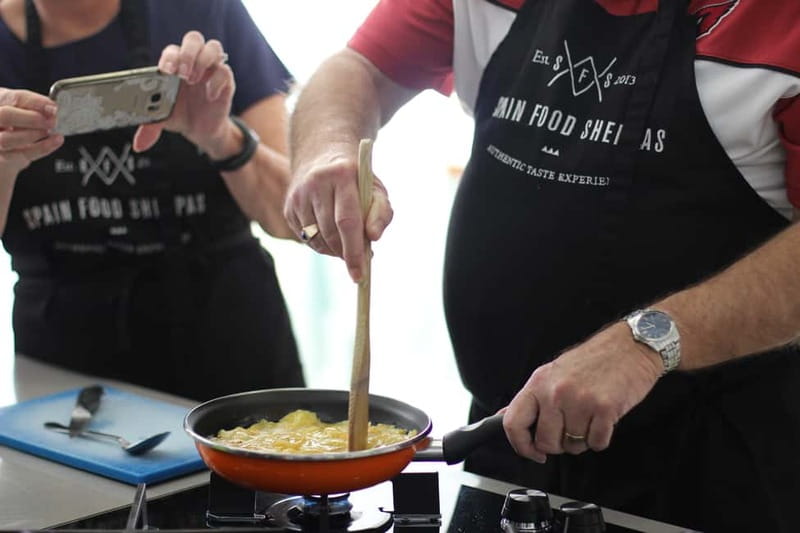
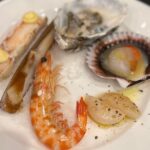
The menu is a sample and can adjust with the season, but the core experience is built around four traditional tapas plus drinks and dessert. Here’s what you can expect to learn how to make:
Sangría
You’ll start with sangría as part of the experience. This isn’t just a drink at the table. It helps set the tapas mood—slower pace, shared plates, and a regional flavor profile that belongs with Spanish meals.
Fideos tostados (Crispy noodles)
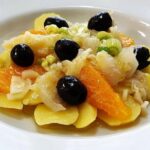
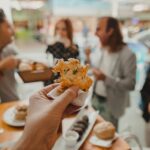
Next up: fideos tostados, crispy noodles. This matters as an early lesson because it teaches texture—crisp, not just cooked. Tapas often win or lose on texture, and crispy elements keep the meal from feeling flat.
Tortilla de patatas (Spanish omelette)
Then you get the big Spanish comfort classic: tortilla de patatas. Even if you think you know tortillas, doing it with a guide helps you focus on the parts that actually change the result—how you handle the potatoes and eggs, and how you treat the pan work.
Solomillo al Pedro Ximénez sauce (Sirloin with Pedro Ximénez)
For the more “special plate” moment, you’ll cook solomillo al pedro Ximénez—sirloin with Pedro Ximénez sauce. This is a great example of Andalusia showing up on a plate: Pedro Ximénez brings a deep, sweet depth that turns a simple protein into something that tastes like a proper tapas feast.
Churros
And yes, the session includes churros. It’s not just dessert-as-an-afterthought. It fits the tapas flow: savory bites first, then something warm and comforting to end.
Drinks pairing: wine or beer
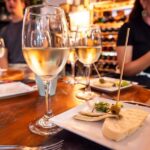
You’ll also be served a wine of the region or beer, paired with the menu. Pairing is a quiet value-add. It helps you understand how locals balance rich tapas flavors with drinks that don’t fight the food.
Olive oil tasting: the ingredient lesson you’ll remember later
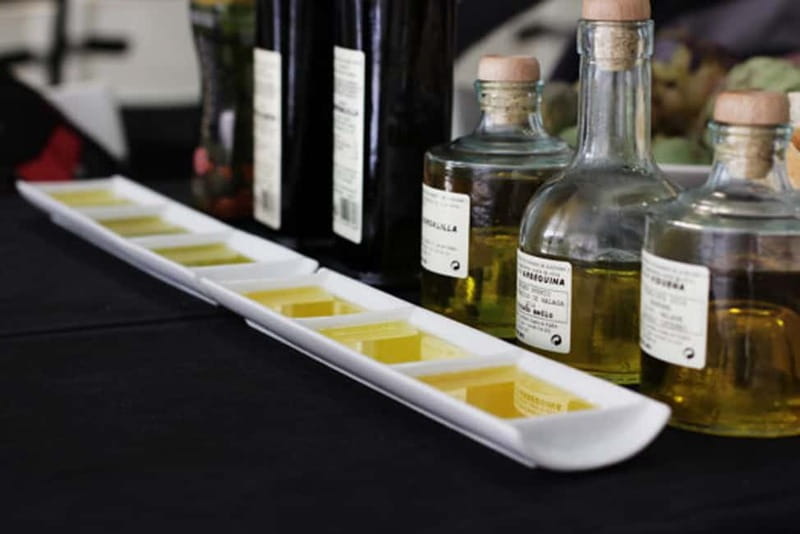
One of the included components is an olive oil tasting. This is the kind of add-on that doesn’t sound exciting until you actually pay attention to flavor.
In practice, olive oil tasting gives you a reference point. When you later taste a dish you made yourself, you can identify what’s coming from the oil versus what’s coming from the other ingredients. It’s a small educational step, but it helps turn your cooking experience into real understanding—not just a one-time meal.
How participatory is it? Get the most hands-on time
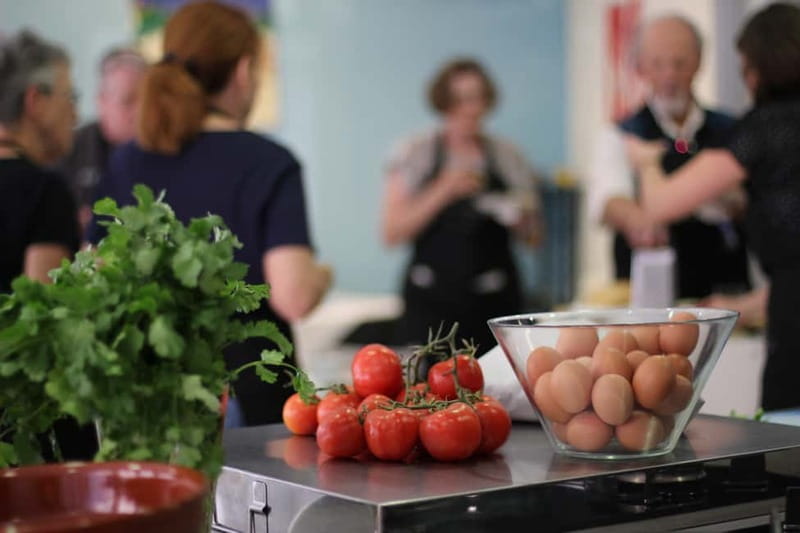
A key detail from feedback: the experience is guided and structured, but the level of active chopping/cooking can vary. One review described a session where the cooking role felt limited and more watching happened than hands-on work.
That doesn’t mean this workshop is bad—it means you should show up with the right expectations. This is a learning experience built for groups, and the pace depends on timing and how the kitchen stations are managed.
Here’s how you can maximize participation:
- Arrive ready to work: closed-toe shoes and a willingness to help.
- When you’re offered tasks, take them quickly.
- Ask directly if you can handle the next step (for example, mixing or plating), especially if your station goes quiet.
If you’re coming mainly because you love cooking and want to do every step yourself, keep that in mind and be ready to advocate politely for involvement.
Price and value: what $94 gets you in real terms
At $94 per person for 4 hours, this isn’t a bargain in the way a quick snack tour might be. But it’s priced like a real food experience: market learning, a guided kitchen session, multiple prepared components, drinks, and take-home materials.
Here’s why the value adds up:
- You get a market visit tied to the ingredients you’ll cook.
- You learn 4 different traditional tapas.
- You receive drinks (wine or beer) plus sangría.
- You get churros, so the meal feels complete.
- Recipes are included, which turns the time into something you can repeat later.
- There’s an apron gift included, which is a nice souvenir that also signals “hands-on workshop,” not just a tasting.
If you’re comparing it to buying these dishes in restaurants, you’re effectively paying for both the food and the instruction. The real win is taking home usable technique and a better sense of how Andalusian tapas come together.
Who this Malaga workshop is best for
This experience is a strong fit if you want:
- A short, satisfying activity in Malaga that feels like part of local life.
- A market-to-kitchen flow that makes ingredients feel real.
- A classic Spanish tapas menu, including both savory plates and dessert.
It can also work well for couples and solo travelers because the group format still centers on shared food and conversation.
The one group I’d think twice about is people who want maximum stove time with minimal waiting. If that’s you, go in with realistic expectations and actively request hands-on roles.
FAQ
FAQ
Where is the meeting point?
You’ll meet at Kulinera, Av Manuel Agustín Heredia 24, in Malaga. Parking de La Marina is underground in front of the meeting point.
How long is the workshop?
The experience runs for 4 hours.
What does the price include?
It includes an olive oil tasting, sangría, 4 different traditional dishes (tapas), churros, wine or beer paired with the menu, and all the recipes.
Do you visit a market every day?
On weekday mornings and Saturdays, you visit the Atarazanas Food Market first. On Sundays and during evening sessions, the market is closed, so you go straight to the kitchen.
Is the menu always exactly the same?
The menu is a sample and may vary based on seasonal availability and dietary restrictions.
What language is the guide?
The live tour guide is available in English.
Should you book this Tapas Cooking Workshop in Malaga?
Yes, if you want a Malaga food day that teaches through action, not just tasting. The biggest strengths are the market guidance, the organized kitchen teaching, and the classic tapas lineup that includes both savory plates and dessert. It’s also good value for a 4-hour session that includes drinks and recipes.
I’d pass or adjust expectations if your top priority is doing every cooking step yourself for the entire session. Participation can be station-dependent. If you’re okay with that and you’ll jump in when tasks open up, you’ll likely leave with both great food and skills you can use again at home.