REVIEW · CORDOBA
Tapas Tour in Córdoba
Book on GetYourGuide →Operated by CÓRDOBA A PIE · Bookable on GetYourGuide
Córdoba tastes different after dark. This 2-hour tapas walk turns the historical center into a living menu, with three samples tied to Roman, Muslim, and Christian eras, and an ending terrace view over the Mosque-Cathedral. What I love is how the guide makes food feel like a shortcut through the city, and how the evening atmosphere makes it easier to remember what you learn. The one thing to watch: the tapas are pre-selected, and the tour is not a good match if you have food allergies or expect to order freely.
This tour starts in Plaza del Potro, and you’ll meet your guide by looking for an orange umbrella. It’s set up as a private group with a live guide in English or Spanish, which usually means you can ask questions without feeling rushed. You do walk at night, so bring comfortable shoes and keep your phone charged for the big views.
Based on the best guides I’ve heard about from past bookings—Jose Antonio for clear history-food connections, Chema for charm and good explanations, and Barbara for a motivating, well-paced tour—this can be a very satisfying way to see Córdoba’s old streets in a small, focused time window. For the price, you’re paying for guide time + multiple tastings + drinks, not just a snack-yourself evening.
In This Review
- Key highlights worth showing up for
- Why Córdoba’s tapas walk hits hardest after dark
- The three tapas: how you taste the city’s timeline
- Mazamorra (the Roman thread)
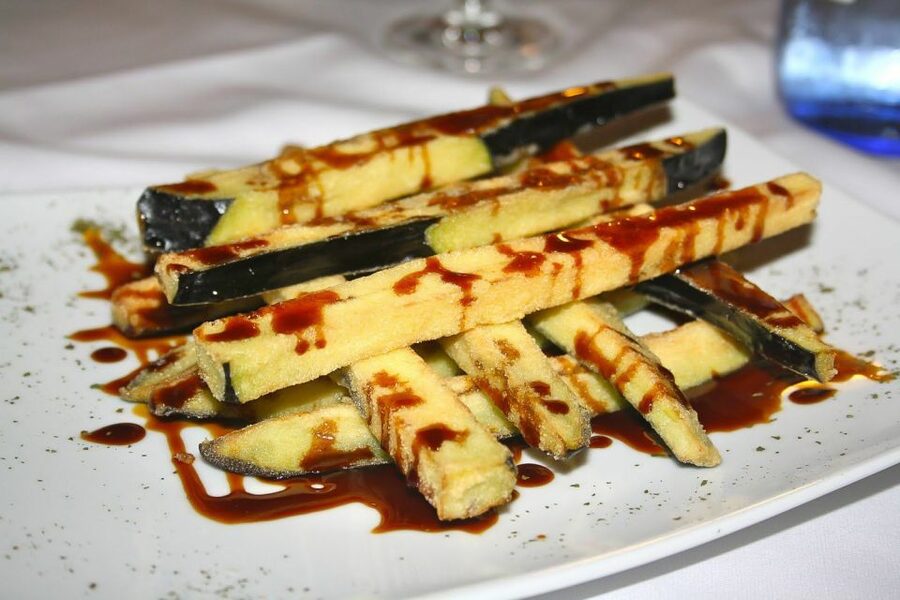
- Berenjenas califales (the Muslim thread)
- Rabo de toro (the Christian thread)
- Plaza del Potro to the Roman Bridge: your guide sets the map
- Berenjenas califales: why aubergine plus honey makes sense in Córdoba
- Rabo de toro and the Christian conquest connection
- The terrace finale by the Mosque-Cathedral (and local wine)
- Price and value: what you’re really paying for
- Who should book (and who should skip)
- Should you book this Tapas Tour in Córdoba?
- FAQ
- Where does the tour start?
- How long is the tapas tour?
- What does the tour include?
- Is hotel pickup or drop-off included?
- How many tapas will I taste?
- Can I choose what tapas I eat?
- What are the three tapas on the tour?
- What languages are the guides?
- Is the tour suitable for people with food allergies?
- What is the meeting time expectation?
- Is it refundable if plans change?
Key highlights worth showing up for
- A Roman-Moor-Christian food timeline in three structured tastings
- Plenty of night walking through the historical center, guided and explained
- Roman Bridge context tied to where you’re standing
- Berenjenas califales with honey and the Muslim-era ingredient story
- Rabo de toro that connects to the Christian conquest period
- Terrace finale near the Mosque-Cathedral, finished with local wine
Why Córdoba’s tapas walk hits hardest after dark
Córdoba at night has a different rhythm than midday sightseeing. The streets feel calmer, and the old monuments seem closer, like they’re part of the same story you’re walking through. That’s exactly what this tour uses: food as the anchor, history as the guide, and the walk as the glue.
I especially like that the tastings aren’t random. The three tapas are chosen to reflect different eras of the city, so you’re not just eating—you’re building a mental map. When your guide explains what’s behind mazamorra or why aubergine shows up in berenjenas califales, it gives you a new way to look at Córdoba’s landmarks later.
One more practical plus: it’s only 2 hours. You’re not signing up for an all-night marathon, and you won’t end up spending your whole evening waiting around for the next place. Instead, you get a tight loop of walk, story, taste, repeat—then you finish with a view that makes the effort feel worth it.
You can also read our reviews of more tours and experiences in Cordoba.



The three tapas: how you taste the city’s timeline
The tour is built around three traditional tapas served in three local restaurants in the old town. They’re not pick-your-own, and that matters for expectations.
Mazamorra (the Roman thread)
You start with mazamorra, a soup made from bread and oil that comes from Roman times. The interesting part isn’t just the flavor. Your guide uses it to set the idea that Córdoba’s food roots stretch back far earlier than most people expect. It’s the kind of starter that helps you slow down and pay attention, because you’ll likely be thinking about the bread-and-oil base while your guide connects it to Roman-era life.
Berenjenas califales (the Muslim thread)
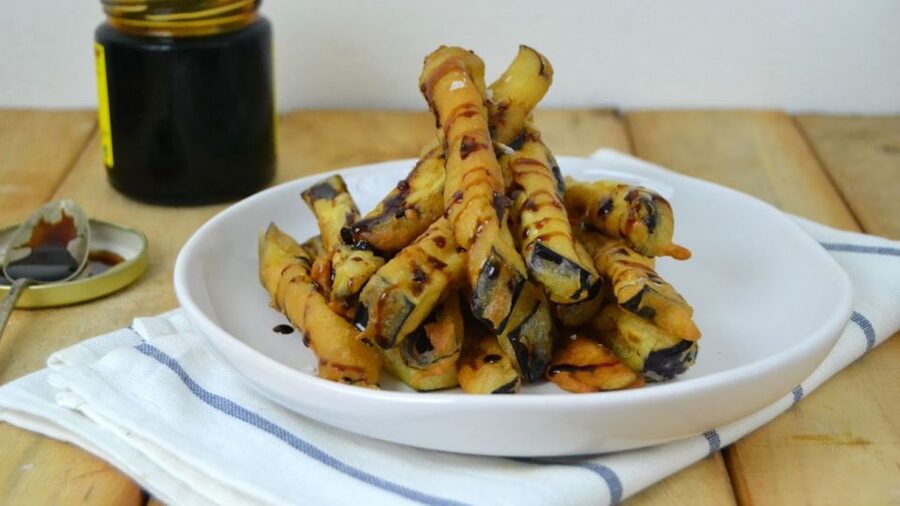
Next comes berenjenas califales, aubergine with honey. This is where the city’s cultural layers get real. Aubergine is tied to the period when Muslim culture influenced cooking across the peninsula, and the honey pairing gives you a clear sense of how flavor could shift with ingredients and techniques traveling across regions.
If you like food that tells you a story in one bite, this stop usually lands well. The key is to treat it as a cultural lesson, not just a sweet-savory snack.
Rabo de toro (the Christian thread)
The final tapa is rabo de toro, oxtail. Here your guide connects the dish to the Christian conquest period and the next stage of Córdoba’s history. Oxtail is hearty and slow-feeling, even when served in a small portion. That makes it a fitting “end note” to the timeline: you’re finishing with something that feels grounded.
As for portions and quality: most feedback is positive, but a few people felt the tastings were more limited or less impressive than the price suggested. So if you’re the type who wants a meal, this probably won’t replace dinner. It’s a tasting tour meant to teach you the city through food.

Plaza del Potro to the Roman Bridge: your guide sets the map
The starting point is Plaza del Potro, and that’s a good choice. It’s in the historical zone, easy to find if you’re looking for the orange umbrella, and it gives you a clean launch into the old-city streets.
From there, the tour moves toward the Roman Bridge. This isn’t just a photo stop. Your guide explains the bridge’s history in a way that helps you connect the landscape to the timeline you’ll be tasting. When you’re told what the bridge meant to movement and settlement, it stops being “that bridge” and becomes a piece of how Córdoba functioned.
In a short evening, that kind of context is gold. It helps your brain organize details fast. And if you’re taking the tour on your first night, the bridge explanation can give you a useful framework for the rest of your stay—especially for seeing how different eras used the same spaces.
Berenjenas califales: why aubergine plus honey makes sense in Córdoba
This is one of the tastings that can change how you understand Spanish flavors. Berenjenas califales isn’t just a dish name; it’s an ingredient story. Your guide points out that aubergine was introduced to the peninsula by the Muslims, and that one ingredient can act like a timeline marker.
The honey matters too. It nudges the flavor profile toward something sweet, aromatic, and slightly glossy—very different from the typical expectations people bring for tapas. So if you’re used to salty bites only, this one can feel like a palate reset in the best way.
Two things to keep in mind. First, the tapas are pre-selected. That means you shouldn’t plan on swapping for something else if you don’t love aubergine. Second, if you have allergy needs, this is the moment to be extra careful—contact the operator in advance, because the tour isn’t designed around custom orders.
Rabo de toro and the Christian conquest connection
By the time you reach the rabo de toro stop, the tour has already taught you how the food links to historical chapters. That’s why this part works: the oxtail isn’t floating on its own. It’s positioned as the next stage of Córdoba’s story under Christian rule.
Oxtail tends to be rich, and that richness helps you end the evening on something satisfying. Even as a tasting portion, it gives you a sense of weight and comfort, and it pairs well with an evening atmosphere that can feel cool or breezy depending on the night.
This stop is also where you should be mentally ready for the “tapas tour” format: you’re trying three different things, not loading up on one favorite. A couple of negative experiences reported that the tastings felt too minimal or too “one course per restaurant.” That doesn’t surprise me as a format, because the tour is structured around three stops total.
If your goal is learning and a few guided tastes, this works. If your goal is a full dinner, you might want to eat earlier and treat this as dessert + cultural context.
The terrace finale by the Mosque-Cathedral (and local wine)
The tour ends on a terrace with one of the best city views at night: the Mosque-Cathedral. This is the payoff, and it’s not a small one. When you look at that landmark after walking through the historic center and tasting three eras of food, it clicks into place. You can almost see how the city keeps stacking layers on top of each other.
You’ll also have a local wine to close out the evening. It’s a simple touch, but it helps the whole experience feel like a complete arc: walk → learn → taste → view → sip → done.
This is also where I like the pacing. Two hours means you’re not exhausted by the time the view happens. You can still enjoy it, still take photos, and still think about what you tasted without feeling like your brain is overheated.
Price and value: what you’re really paying for
At $112 per person for a 2-hour guided outing, you’re paying for more than food. You’re covering a guide who explains Córdoba’s historical center at walking pace, plus three scheduled tastings in different old-town restaurants, plus drinks.
If you tried to DIY this on your own, you’d have to solve several problems:
- picking three places that match your time window and interests
- navigating the old streets after dark
- finding context for what you’re eating so it sticks
This tour hands you the plan. That’s what makes the price make sense for many people: you’re buying structure and storytelling, not just calories.
That said, value is personal. A small number of negative reports mention concerns about limited options after declaring a gluten allergy, and some felt portions or perceived quality didn’t match expectations. If you’re coming in with a strong idea of what a tapas night should include—more choices, bigger servings, or lots of variety—this tour may feel tighter than you hoped.
My practical take: this is best for people who want a guided cultural walk and are happy with three tastings that match the tour theme.
Who should book (and who should skip)
I’d put this tour at the top for:
- first-timers who want an organized way to see Córdoba’s historical center in a short evening
- food lovers who like learning why a dish looks and tastes the way it does
- people who enjoy walking with a guide and finishing with a view
If you should be cautious or skip:
- food allergies: the tour is not suitable for people with allergies, and you’ll need to contact the operator in advance if you have any concerns
- picky eaters who need strict control or swaps: the tapas are not free choice
- anyone expecting a tapas “menu” experience where you freely order many small plates per restaurant
One of the best signals that the tour will work for you is your attitude. If you’re open to tasting what the guide brings, and you like the idea of history-food connections, you’ll probably enjoy it a lot.
Also, bring your curiosity. The guides mentioned in past bookings—Jose Antonio, Chema, Barbara—were praised for their explanations and energy. You’re paying for that human layer, not just for the food.
Should you book this Tapas Tour in Córdoba?
Yes, if you want a guided night walk that teaches you Córdoba through food, with three time-themed tapas and a strong ending view by the Mosque-Cathedral. It’s a smart use of two hours, especially if you’re trying to understand the city fast without turning the evening into a checklist.
No, if you need flexible ordering, have any significant allergy constraints, or expect the tour to feel like a full tapas feast with lots of choice. This is a tasting format with set selections, so your satisfaction depends on whether those choices line up with what you like.
If you book, go in with the right mindset: treat each tapa as a clue. By the time you’re on that terrace looking at the Mosque-Cathedral lights, you’ll likely feel like you’ve pieced together the city’s story in a way that a museum visit alone usually can’t.
FAQ
Where does the tour start?
The tour starts in Plaza del Potro. Meet your guide by looking for someone holding an orange umbrella.
How long is the tapas tour?
It lasts 2 hours.
What does the tour include?
It includes a tour guide, tapases (three tapas), and drinks.
Is hotel pickup or drop-off included?
No. Hotel pickup and drop-off are not included.
How many tapas will I taste?
You’ll taste three tapas, each served in a different local restaurant.
Can I choose what tapas I eat?
No. The tapas are not free choice. The local company selects the tasting in advance.
What are the three tapas on the tour?
The tour includes mazamorra, berenjenas califales, and rabo de toro.
What languages are the guides?
The live tour guide speaks Spanish and English.
Is the tour suitable for people with food allergies?
No. It is not suitable for people with food allergies. If you have allergies, you must contact the operator in advance.
What is the meeting time expectation?
Please arrive 10 minutes before the start time.
Is it refundable if plans change?
There is free cancellation up to 24 hours in advance for a full refund.