REVIEW · ISTANBUL
Turkish Tapas – Meze Cooking for Beginners in Istanbul
Book on GetYourGuide →Operated by Lokal Bond · Bookable on GetYourGuide
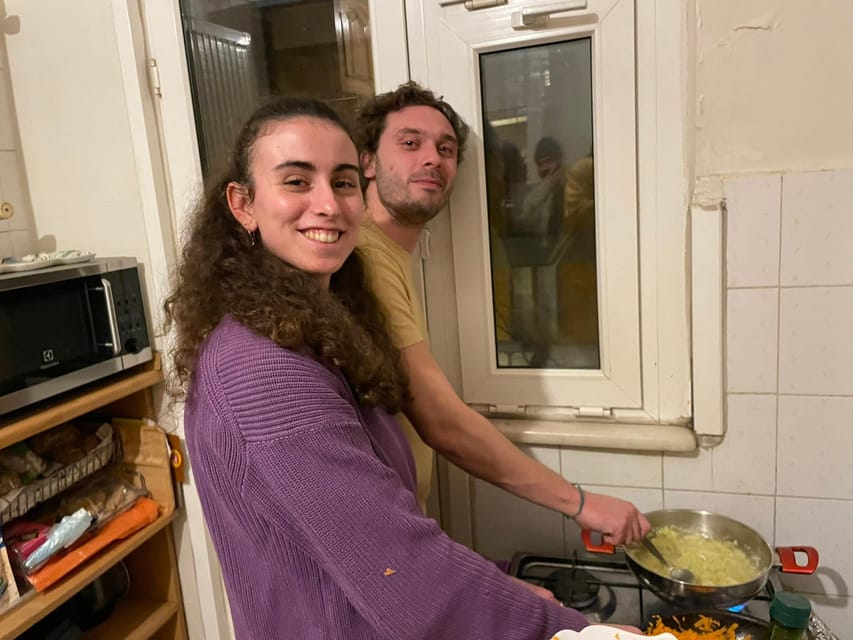
Cooking meze in a real Istanbul home feels personal. This Turkish Tapas experience is all about hands-on prep, tasting as you go, and then sitting down to a shared spread of classics made from scratch. I especially like the beginner-friendly flow, where you’re not just watching—you’re chopping, stirring, and building confidence, and the fact that you do it in Ezgi’s home kitchen in the heart of the city.
The best part is the meal at the table. You get that Turkey-style hospitality moment—warm conversation, Turkish tea or coffee, and portions that actually fill you up. One consideration: the meeting point is a bit off the main lanes, so you’ll want to use the directions and call your host if you’re unsure where Recaizade Street is leading you.
In This Review
- Key things to know before you cook
- Entering Ezgi’s Istanbul home kitchen
- The meze lineup: what you’ll actually learn
- Carrot Tarator: light, tangy, and easy to nail
- Imam Bayıldı: slow-cooked eggplant with layered flavor
- Haydari: a yogurt dip with garlic and herbs
- Zucchini Tarator: creamy, fresh, and very summer-friendly
- The real value: hands-on cooking + Turkish hospitality
- A meal at the table, not a quick snack break
- English support and a beginner-proof pace
- Price and value: does $65 make sense?
- Getting there: Recaizade Street above Lethe Cafe
- Who should book Turkish Tapas meze cooking
- Should you book this meze cooking experience?
- FAQ
- How long is the Turkish Tapas meze cooking for beginners class in Istanbul?
- Where do we meet for the class?
- What’s included in the price?
- Is the class taught in English?
- How many people are in the group?
- Which Turkish mezes will I learn to make?
- Do I get anything to take home?
Key things to know before you cook
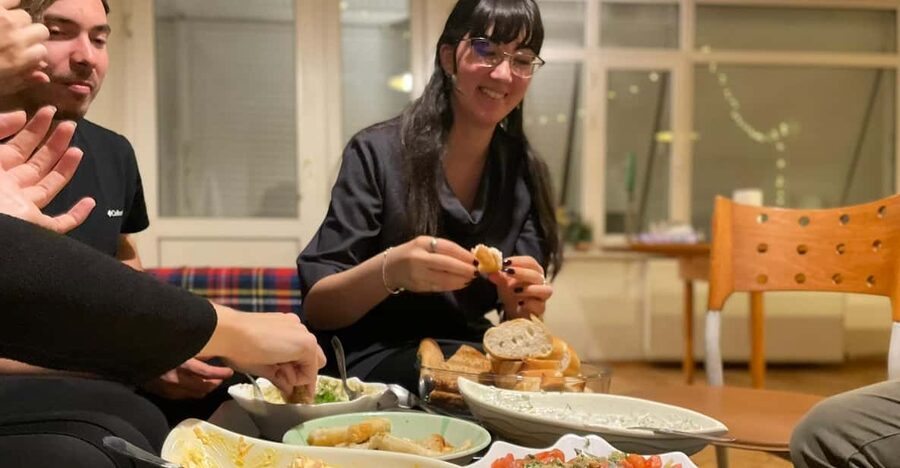
- Small group of up to 8, so you get real attention while learning meze basics
- Hands-on meze cooking (not a sit-and-watch demo), with lots of chopping and tasting
- Ezgi’s home kitchen vibe, where the food and conversation run together
- A classic meze spread including Carrot Tarator, Imam Bayıldı, Haydari, and Zucchini Tarator
- Tea or coffee included, paired naturally with the cooking-and-eating rhythm
- You’ll likely leave with recipes, since past participants mention getting recipes to take home
Entering Ezgi’s Istanbul home kitchen
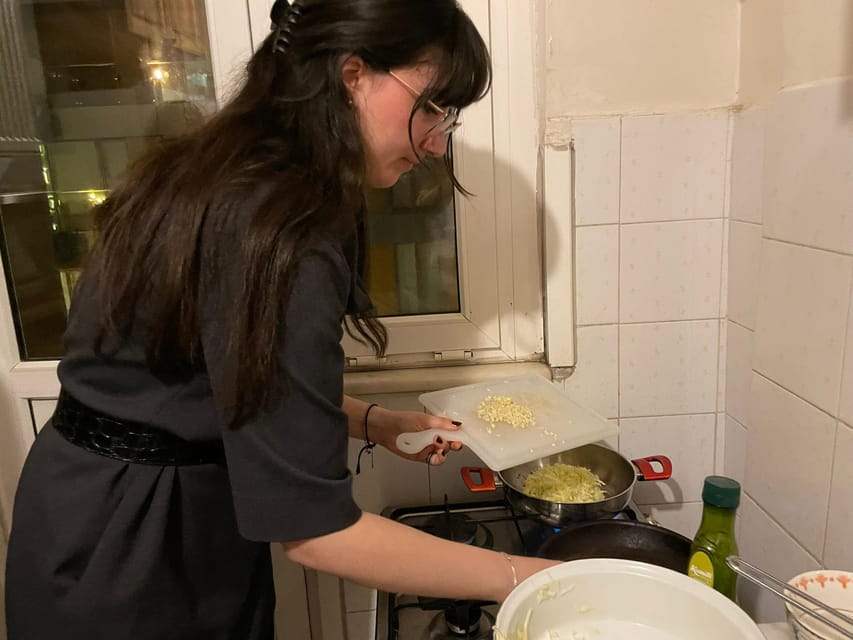
This experience starts the way good Istanbul food often does: with a home welcome. You meet in Recaizade Street, in the building above Lethe Cafe. That small detail matters because it sets expectations. This isn’t a big studio class. It’s in a lived-in space where the kitchen becomes the main event.
Once you arrive, the tone is relaxed and friendly. The kitchen smells like the ingredients you’re about to work with—garlic and olive oil show up early, because that’s where Turkish flavor starts. Then you settle into the “cook together” rhythm: you’ll be shown what to do, and you’ll do it with guidance instead of pressure.
Timing wise, you’re looking at about 2 hours. That’s a sweet spot. Long enough to make multiple dishes and have a real meal afterward, short enough that you don’t feel trapped in the kitchen from start to finish.
The meze lineup: what you’ll actually learn
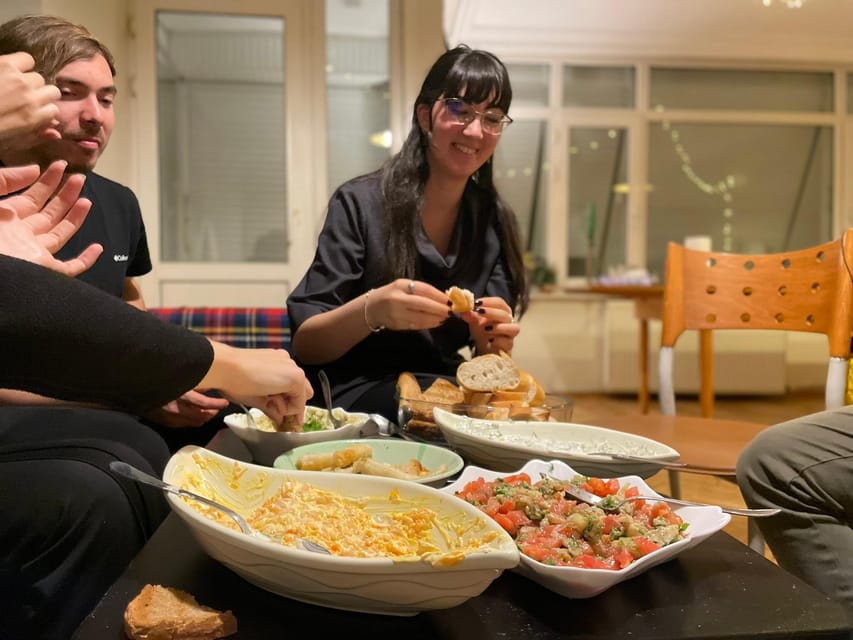
The heart of the class is learning a colorful, practical set of Turkish mezes. You’ll make them from scratch, and you’ll get a feel for the textures and flavor logic that link them.
Here’s what’s on the menu:
Carrot Tarator: light, tangy, and easy to nail
Carrot Tarator is one of those mezes that feels simple but tastes polished. You’ll learn how to get it light and tangy rather than heavy—key for meze spreads, where you want variety on the table. If you’ve never made a sauce-based dip before, this is a great first confidence builder.
Imam Bayıldı: slow-cooked eggplant with layered flavor
Imam Bayıldı is eggplant done the Turkish way: soft, aromatic, and deeply flavored. Even if you’re a beginner, the dish teaches you how to think about cooking onions, oil, and seasonings so the eggplant absorbs flavor instead of turning bland. Past participants liked this class for being approachable, and this dish is a big part of why.
Haydari: a yogurt dip with garlic and herbs
Haydari is rich and creamy, but it’s not just yogurt. You’ll taste how garlic and herbs change everything—how they add bite and smell, and how the mix becomes a dip you can spoon onto a plate without needing much else. This is the meze that often becomes your favorite because it’s comfort food with structure.
Zucchini Tarator: creamy, fresh, and very summer-friendly
Zucchini Tarator brings balance to the table. The idea is creamy but not flat—fresh flavor with a sauce that ties it together. It also shows you how Turkish “tarator-style” flavors can shift depending on the main ingredient.
A practical note: the experience is described as beginner-friendly. That doesn’t mean it’s boring. It means you’ll get guided steps for each component—so you can leave understanding how these mezes work, not just memorizing a recipe.
The real value: hands-on cooking + Turkish hospitality
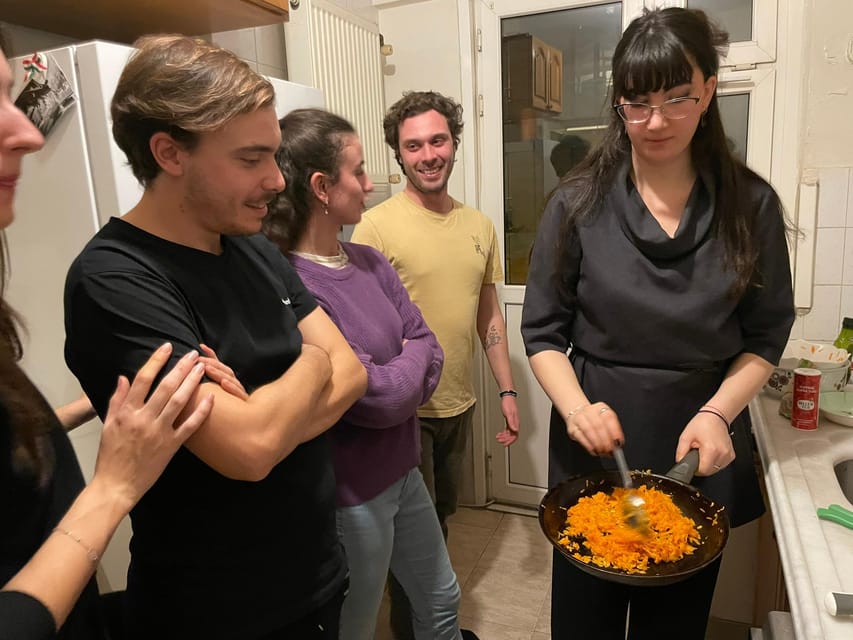
Many cooking classes teach recipes. This one teaches the culture around food. The description is clear: it’s not just about what you cook, it’s about how people cook and talk while they do it.
Because the group is limited to 8 participants, you’re not lost in the crowd. Instead, you’re actively involved—chopping, stirring, and tasting as you go. That’s where beginners benefit most. You can ask questions mid-process, not after everything is already finished.
The conversation part matters too. In a home kitchen, the talk isn’t scripted. You’ll learn Turkish food culture through food and people—exactly the kind of context that helps you recreate the vibe at home later. One past participant highlighted that the host shared real cultural insight while teaching the recipes, and that matches the tone you should expect.
If you’re traveling solo, this format can feel unusually welcoming. Strangers genuinely become dinner-table companions because you’re all working toward the same payoff: the final spread.
A meal at the table, not a quick snack break
This class ends the way a real meze night often does: you gather around the table for a slower feast. This is when the cooking effort turns into something you can feel.
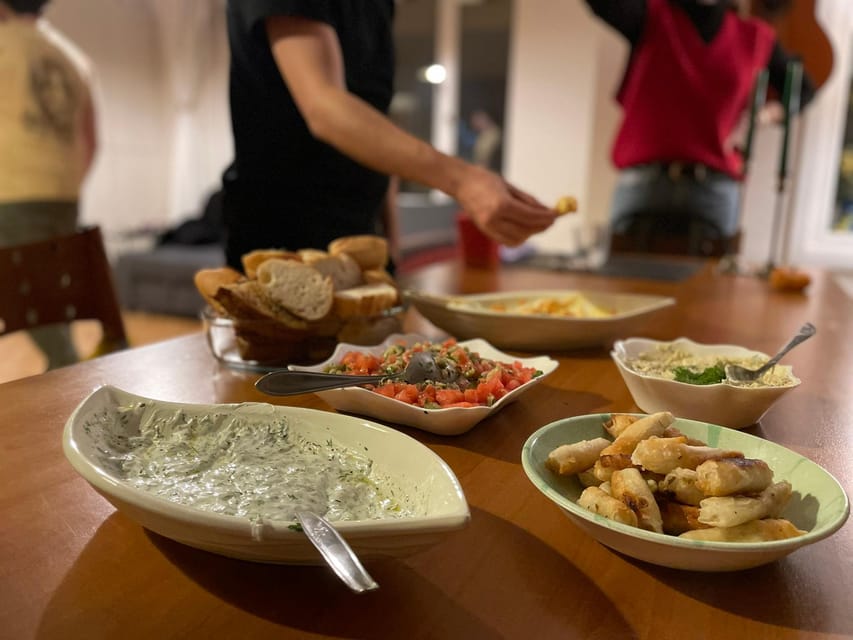
You’ll eat what you made—multiple mezes together—so you get to compare flavors in the same sitting. That’s a big learning tool. You’ll taste sweet versus tangy, creamy versus earthy, and how eggplant sits beside yogurt-based dips.
Also, portions are not treated like garnish. Some participants specifically mentioned that the host didn’t skimp on amounts and that there was even food left after getting stuffed. That’s a value signal. At $65 per person, you want to feel fed, not rationed—and this format is built for that.
You also get Turkish tea or coffee included in the price. Tea or coffee isn’t an afterthought here—it fits the rhythm of cooking and then lingering at the table.
English support and a beginner-proof pace
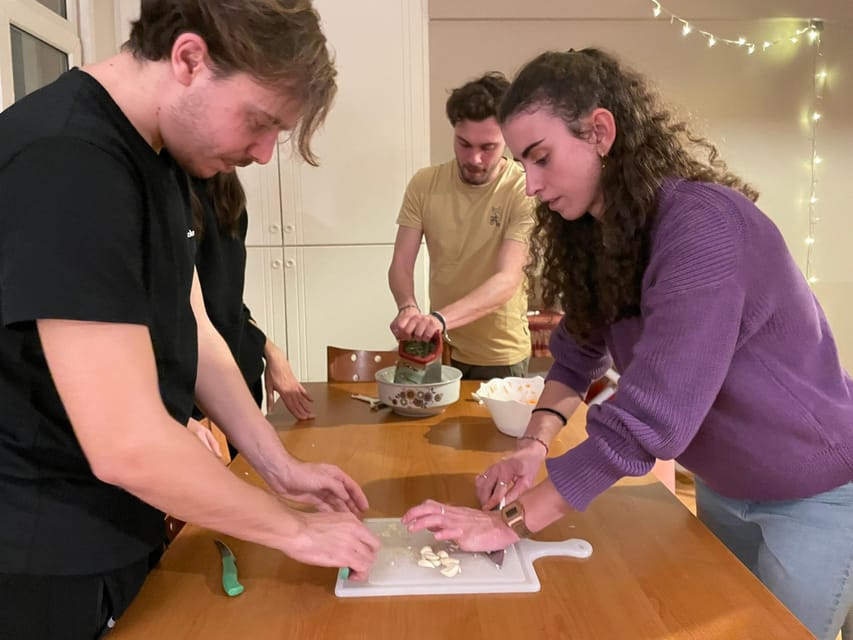
The instructor works in English and Turkish, which is a practical advantage. Even if your Turkish is minimal, you won’t be left guessing while you cook. You can follow along, ask questions, and understand what each step is trying to achieve.
The class is designed for beginners, but that doesn’t mean experienced cooks will feel bored. Beginners tend to appreciate the structure. More experienced folks can focus on the technique—like how tarator textures come together or how you build depth in eggplant.
One more thoughtful detail from participant feedback: the meze experience can be vegetarian and adapted for the session. If you eat vegetarian, this is worth noting because it suggests the menu can work for your needs within the class style.
Price and value: does $65 make sense?
At $65 per person for about 2 hours, you’re paying for three things at once:
1) guided, hands-on cooking
2) ingredients and a full meze meal
3) a home-hosted cultural experience, not a generic workshop
If you compare this to many “teach-and-send” classes, the value often depends on what’s included. Here, Turkish tea or coffee is included, and you eat the mezes you cook. The small group limit also matters. When only up to 8 people join, the instructor time is more evenly spread than in bigger classes.
Where the value can feel slightly less straightforward is location. Since the meeting point is in a less central-feeling stretch of Recaizade Street, you may spend more time getting there than you would with a class in a major tourist zone. But if you plan the day right, the experience still feels worth it because the payoff is in the meal and the home setting.
Bottom line: this is a solid deal if you want flavor learning plus real conversation. If you only want recipes with no cultural exchange, you might feel you could get something similar elsewhere. But if meze nights are your kind of travel, $65 for this setup feels fair.
Getting there: Recaizade Street above Lethe Cafe
Here’s the one practical catch: the location isn’t described as super easy to find, especially if you’re staying in areas like Sultanahmet. That doesn’t mean it’s hard in a deal-breaking way. It means you should plan for a little extra time and use the host’s instructions.
You meet in the building above Lethe Cafe on Recaizade Street. If you’re unsure, you can call your host for further direction. That’s a small effort that prevents the most common frustration: arriving hungry and stressed.
My advice is simple:
- give yourself time to find the address
- don’t wait until the last minute
- bring a translation app if you need help with directions
Once you arrive, the “remote” part stops mattering, because the experience is the point.
Who should book Turkish Tapas meze cooking
This is a good fit if you want:
- a beginner-friendly cooking session that still feels authentic
- to learn several Turkish mezes in one go
- a small group, home-based experience rather than a studio class
- food plus conversation, not just cooking technique
It’s also great for couples or friends who want a shared activity with a clear meal payoff. Solo travelers can also do well here because the format naturally creates connection at the table.
You might skip it if:
- you hate cooking hands-on (and prefer fully guided sightseeing)
- you want a strictly structured, textbook-style culinary class with no talk
- you have limited patience for figuring out a slightly harder-to-find meeting spot
Should you book this meze cooking experience?
I think you should book Turkish Tapas if you’re the kind of traveler who likes your food experiences to have a human face. This class delivers on the two things that make cooking feel worth it: you cook together, and you eat together.
If you’re nervous as a beginner, the menu is approachable and the pacing is designed for you. If you care about authenticity, the home kitchen setting and the conversation-centered experience are the main attraction. And if you’re worried about value, the included tea or coffee, the full spread of mezes, and the real meal size are strong signs you won’t leave hungry.
Book it when you want an Istanbul evening that tastes like daily life—not just a performance for visitors.
FAQ
How long is the Turkish Tapas meze cooking for beginners class in Istanbul?
The experience lasts 2 hours.
Where do we meet for the class?
You meet on Recaizade Street, in the building above Lethe Cafe. You can call your host for more instructions if needed.
What’s included in the price?
The price includes the mezes you cook and Turkish tea or coffee.
Is the class taught in English?
Yes. The instructor offers English and Turkish.
How many people are in the group?
It’s a small group, limited to 8 participants.
Which Turkish mezes will I learn to make?
You’ll make Carrot Tarator, Imam Bayıldı, Haydari, and Zucchini Tarator.
Do I get anything to take home?
Some participants mention that you get the recipes after the class.