REVIEW · SAO MIGUEL ISLAND
Azores: Volcanic Wine and Tapas Tasting Party
Book on GetYourGuide →Operated by Islanders - Immersive experiences · Bookable on GetYourGuide
Molten-earth wine tastes like a dare. This 4-hour party-style tasting brings you to an Azorean family where you sample rare volcanic wines plus typical tapas in the garden and a cozy dining room. You’re not stuck with generic pours; you’ll taste wines shaped by volcanic terroir and learn how that shows up on your palate.
I especially like two things: the way the hosts treat it like a friendly evening, and how the tasting focuses on flavors you can actually name—high acidity, salinity, and stony hints. The conversations add real context on culture, traditions, gastronomy, and history, without making it feel like a lecture. One consideration: it’s held in a home setting (garden and dining room), and it isn’t suitable for wheelchair users.
In This Review
- Key highlights you’ll feel from the start
- Why volcanic wine in the Azores is more than a gimmick
- Meeting the Azorean family: garden-party warmth, not a script
- Your tasting flight: acidity, salinity, and stony hints
- Tapas-style food: typical Azorean bites that earn their place
- How the guide helps you actually understand what you’re drinking
- Duration and pacing: what 4 hours feels like in real life
- Price and value: why $75 can be a good deal here
- Who should book this volcanic wine tapas party
- Should you book it?
- FAQ
- Where does this wine and tapas tasting take place?
- How long is the experience?
- What is the price per person?
- Is it a small group tour?
- What languages are available?
- What’s included?
- Do I need to bring identification?
- Is it accessible for wheelchair users?
- Can I cancel and get a refund?
Key highlights you’ll feel from the start
- Volcanic terroir wines with character you can taste: acidity, salinity, and stony notes
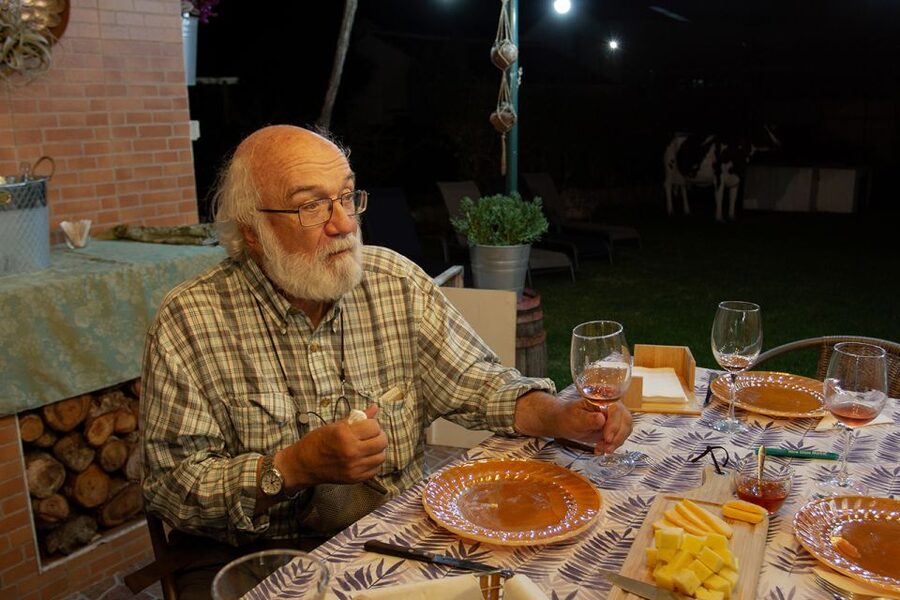
- Family-hosted atmosphere in the garden and cozy dining room, built for questions and chat
- Azores grape variety focus including 33 authorized varieties and key autochthonous grapes
- Tapas and food included paired with wine, designed for easy enjoyment
- Small group size (up to 10) so you actually talk with the guide and hosts
Why volcanic wine in the Azores is more than a gimmick
Volcanic wine can sound like a label trick. But here, the whole point is the terroir. The tasting centers on wines produced in volcanic terroir, the kind of environment that only a limited number of regions worldwide can replicate. That matters because you’re tasting how volcanic ground and ash-style conditions can affect aroma, texture, and finish.
You’ll also get a clear Azores-specific angle. The tour highlights that there are 33 grape varieties currently authorized on the islands, with just three that are autochthonous: Verdelho, Arinto dos Açores, and Terrantez do Pico. Even if you don’t know these grapes now, you will leave with at least a practical sense of how they taste and why locals care.
The wines described here aren’t built for the “easy and sweet” crowd. You’re pointed toward high acidity flavors, and the tasting helps you notice it instead of brushing past it. It’s a good match for people who like crisp, precise tastes, and for anyone curious about wine beyond the usual European suspects.
If you usually drink for comfort, this is still enjoyable. Just know that volcanic wines often demand a different kind of attention. In a good way.
You can also read our reviews of more tours and experiences in Sao Miguel Island.

Meeting the Azorean family: garden-party warmth, not a script
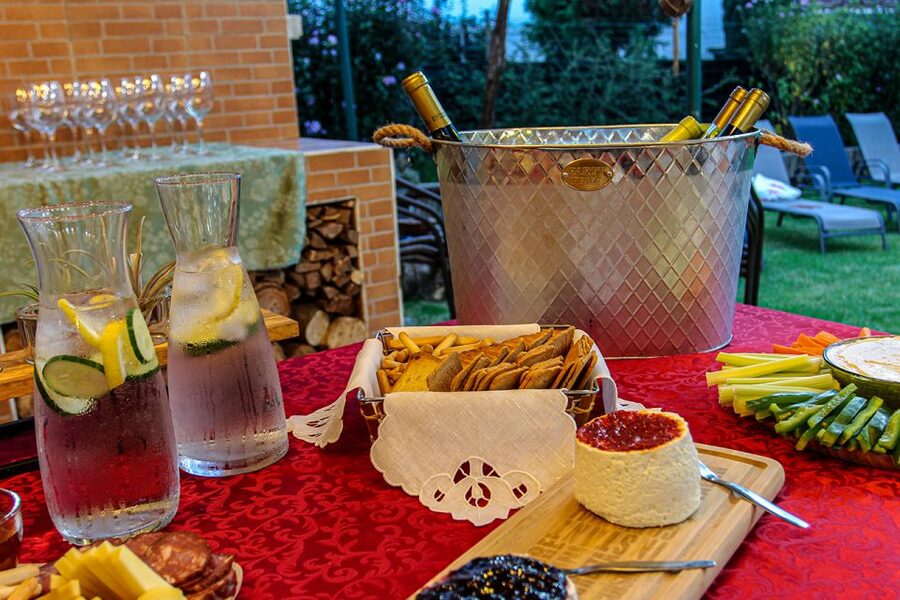
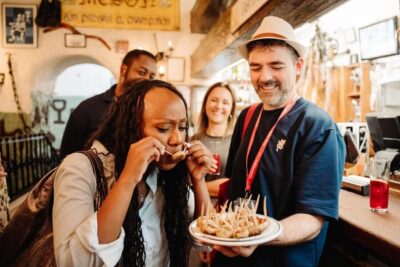
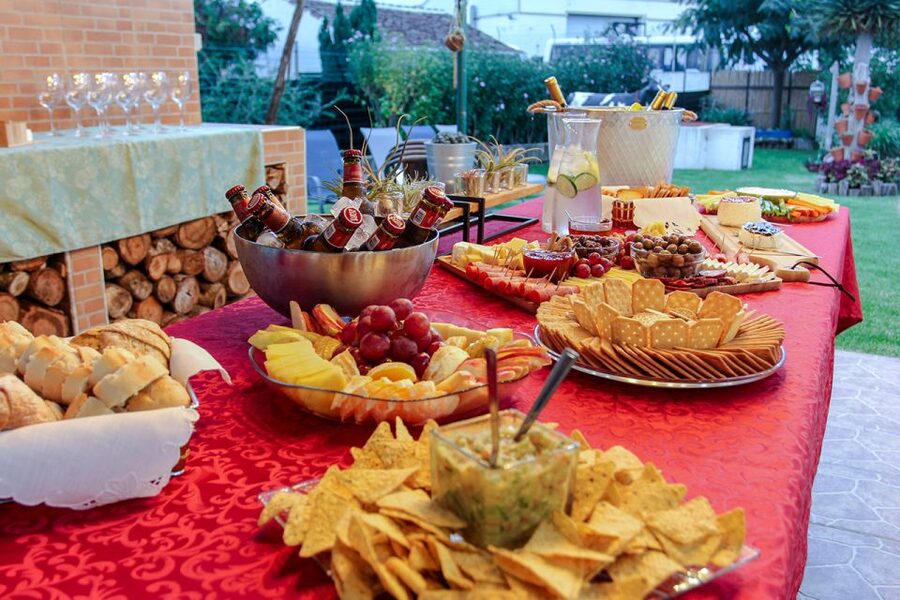
This experience is designed around one simple idea: you’ll be welcomed by an authentic Azorean family who guide your wine and food tasting in a relaxed party atmosphere. The “action” happens in their garden and in a cozy dining room, so the setting stays informal. You’re not herded through stations. You’re part of the evening.
That family-hosted approach is also why this can be memorable even if you’re not a hardcore wine person. The hosts share the lived context behind the glass—culture, traditions, gastronomy, and history—in the way people talk when they’re hosting friends. You’ll get questions answered. You’ll get little side notes that make the flavors land.
From past groups, the strongest praise has been about the hosts and the conversation. People describe a wonderful evening with great talk, learning new things, and toasting life with good wine. One group even noted that the host preparation included delicious local food snacks paired with special wines. That fits the “family table” feel: food and wine come together in a social rhythm.
One small practical thing: it’s still a tasting, so you’ll want to be mentally ready to pay attention for a few hours. If you want silent scenery or a strict pace, this might feel too human and too chatty. If you enjoy people, it’s a big plus.
Your tasting flight: acidity, salinity, and stony hints
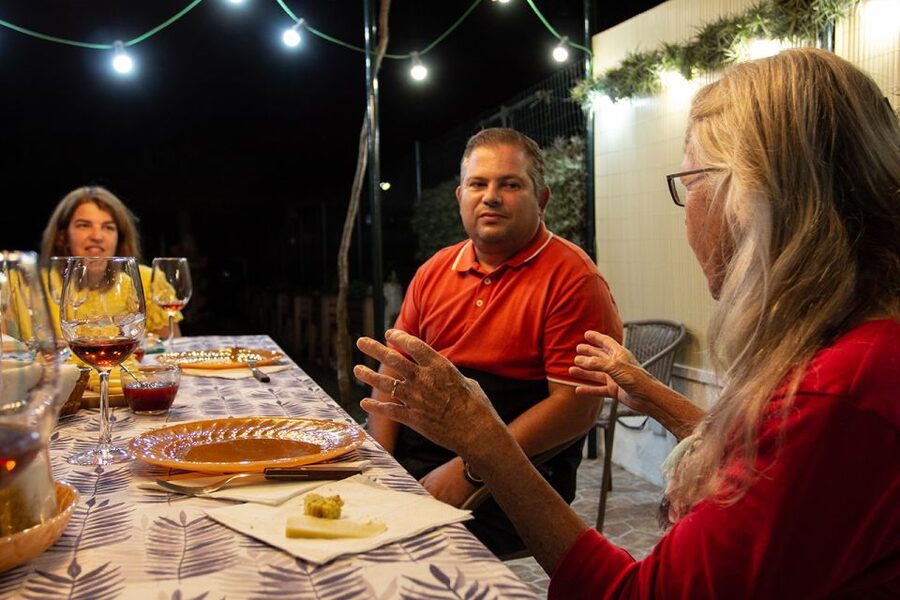
The tasting is built around how volcanic wine tastes on your tongue. Expect a focus on high acidity, and then the subtler stuff that makes the wine feel different from standard styles.
Here are the main flavor cues the tour points you toward:
- Salinity: a mineral-like impression that can make the wine feel crisp and food-friendly
- Stony hints: flavors or textures that feel like rock/mineral rather than fruit alone
- High acidity: the bright, mouth-watering edge that keeps each sip lively
You’re also guided through a range connected to Azores grapes. Since there are 33 authorized varieties across the islands, the tasting can cover more than just the famous names you might already know. And with autochthonous grapes like Verdelho, Arinto dos Açores, and Terrantez do Pico, you’ll get a taste of grapes rooted in the islands rather than imported trends.
The “volcano” part isn’t just marketing. It’s framed as a tasting journey: you’re asked to imagine drinking wine grown from molten earth and ash. That mental image helps you understand why these wines can come across as mineral-forward and sharp-edged, not rounded and soft like some warmer-climate whites.
If you’re the kind of person who’s used to tasting wine by “this is fruity” or “this is sweet,” challenge yourself a bit here. Try tasting for the acid first. Then notice what the acidity sets up—saltiness and mineral notes often show up more clearly when your palate is awake.
Tapas-style food: typical Azorean bites that earn their place
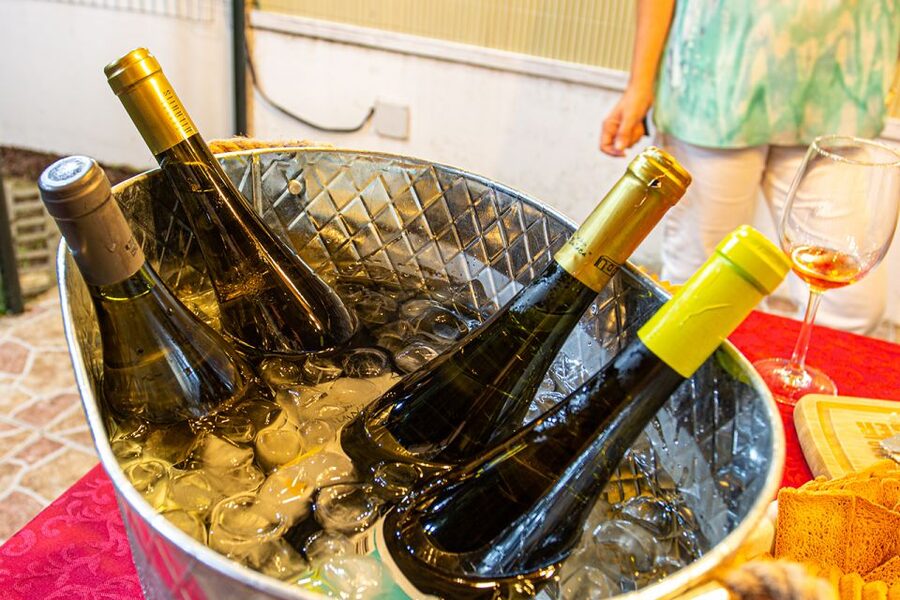
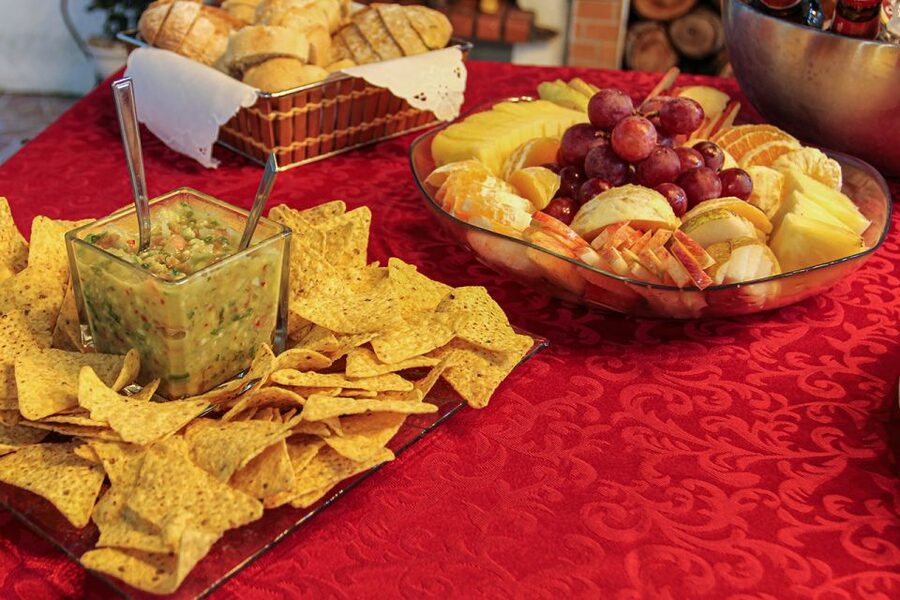
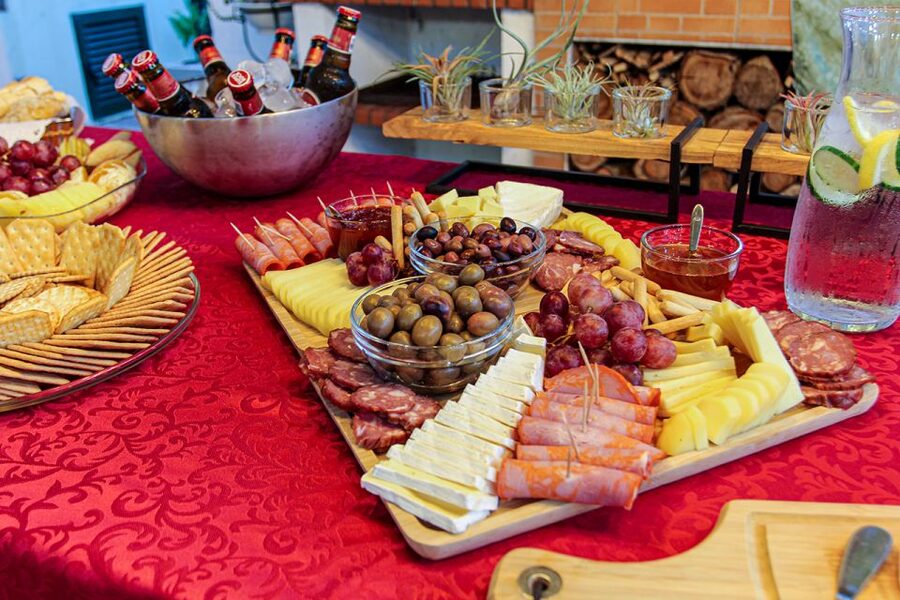
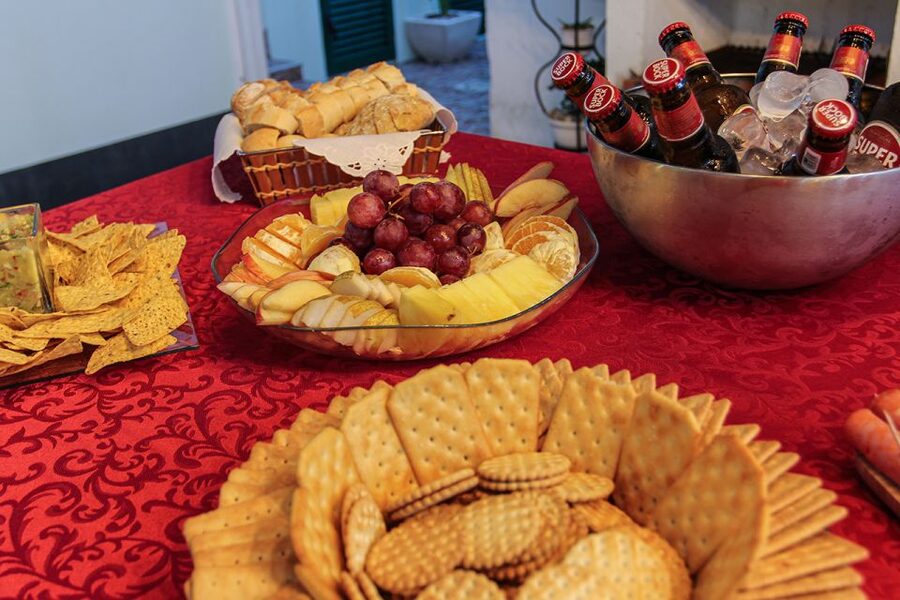
Wine tastings fail when the food is an afterthought. Here, food is included, and it’s treated as part of the experience, not filler between sips.
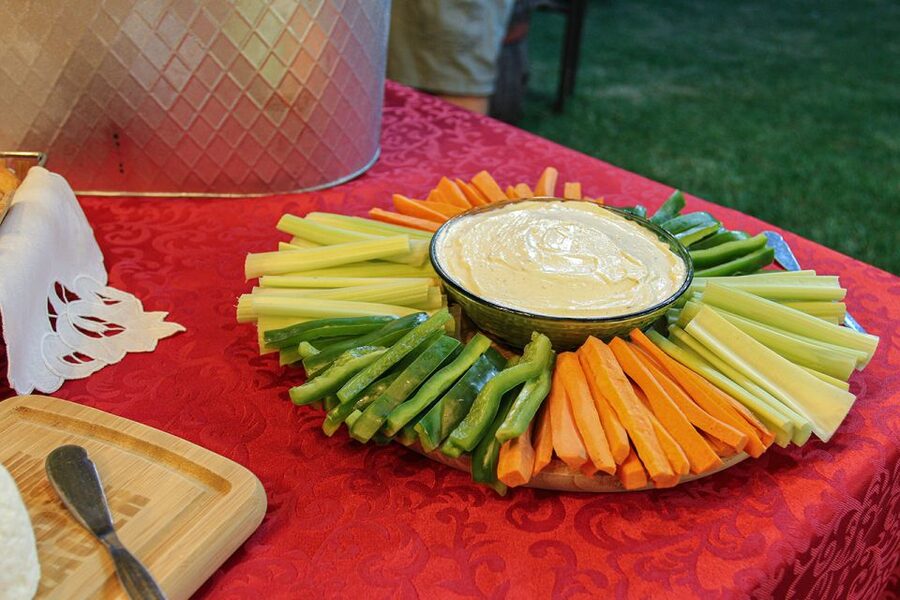
The tour describes typical food tastings alongside the volcanic wines, and the home-hosted setup matters. When food is prepared by the family hosting you, it usually reflects what they eat and how they pair flavors in real life. That’s why past groups highlight delicious local snacks and special wines together. It’s not just tasting; it’s eating like you’re at someone’s table.
Since the exact menu isn’t specified in the details you provided, focus on the pairing logic:
- Expect food that supports tasting notes like salinity and high acidity
- Expect small, practical bites that keep the evening social and easy
- Expect a relaxed tempo, since the setting is the garden or dining room
This is also where the “party” vibe earns its keep. You can talk while you eat. You can ask questions without waiting for a course schedule. And you can taste at a pace that feels comfortable instead of being rushed like a lineup.
If you’re picky about dietary restrictions, you’ll want to check directly with the operator before you go, since the only stated inclusion is food and wine, not a specific dietary list.
How the guide helps you actually understand what you’re drinking
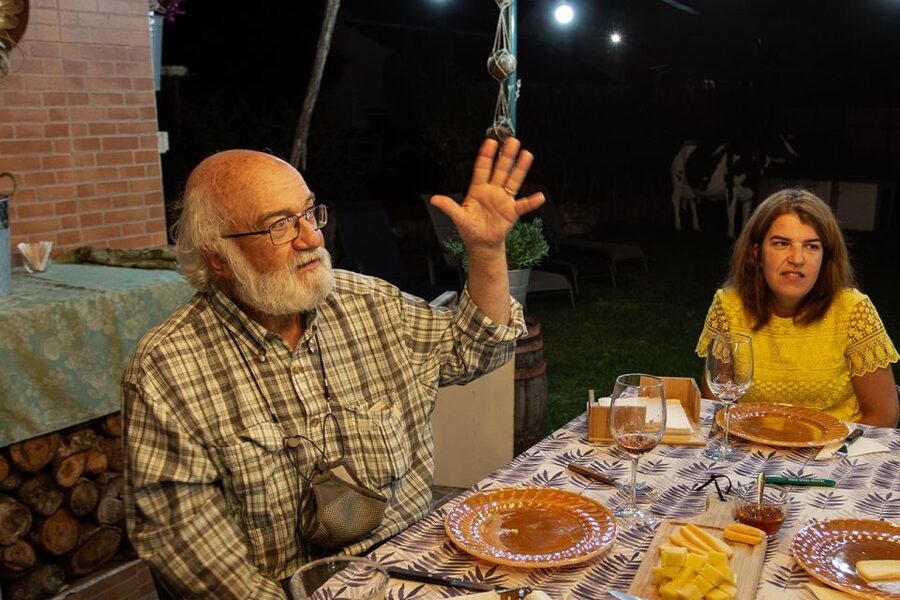
You’ll have a live tour guide, available in Portuguese and English, and that bilingual support is useful because it lets you ask real questions. Small group size also changes the quality of the evening. This is limited to 10 participants, so you’re not lost in a crowd.
A key detail for value: the guide isn’t only there to pour. The experience is framed around you learning about the wines, the grapes, and the culture behind them. Since the focus includes specifics like autochthonous varieties and the flavor cues (acidity, salinity, stony hints), the guide can help you translate what you taste into a simple story.
In one set of past experiences, a guide named Viktor picked guests up at the hotel on Terceira and provided excellent information about the island’s east coast before arriving at the family home. His hosts prepared the food snacks and paired them with special wines. That kind of added context can make the tasting feel less random and more like a coherent evening, especially if you’re new to the island.
Even without a pickup story, the best part of a small group tasting is the ability to talk. If you want to know what makes Arinto dos Açores different from Verdellho, or why Terrantez do Pico has a reputation, a group this size makes it realistic to get answers.
Duration and pacing: what 4 hours feels like in real life
This experience runs 4 hours. That’s long enough to taste more than a single round, but short enough that it doesn’t turn into a full-day event. It’s also the right length for a home-based setup where you’re eating, chatting, and tasting without feeling trapped in a formal schedule.
Because the details don’t specify an exact start time, you’ll want to check availability for the starting times. Practically, think of this as an evening anchor. In many island trips, you’ll have either half-days of driving and viewpoints, or slow afternoons and then dinner. This fits the second pattern: you can relax earlier, then spend the evening at the family table.
Also, remember you’re drinking wine. Even if it’s not a heavy pour, plan for a calmer night afterward. If your accommodations aren’t walking distance, confirm how you’ll get home—especially since this is held at a home rather than a big public venue.
Price and value: why $75 can be a good deal here
At $75 per person, this is not a bargain-basement tasting. But it can be strong value for what you get: food and wine included, a small group capped at 10, and a family-hosted setting that tends to deliver personality and local context that you don’t usually get in larger tours.
Price value often comes from three buckets:
- How much drink you get for the time
- Whether food is truly part of the experience
- Whether you get real access to hosts and guide time
Here, food and wine are included, and the tour is designed around learning and conversation, not just sipping. The “rare volcanic wines” angle adds another layer: you’re not only tasting standard supermarket picks. You’re tasting wines produced in volcanic terroir and guided through specific grape categories tied to the Azores.
The small group limit matters too. If you were in a big bus crowd, your questions would get swallowed. In a group of up to 10, you’re more likely to get personalized guidance and pairings that make sense to your palate.
So if your idea of a good evening includes good conversation, local food, and wine with real flavor clues, this price can pencil out well. If you only want the cheapest wine you can drink, you’ll likely feel underwhelmed.
Who should book this volcanic wine tapas party
Book this if you fit one of these profiles:
- You want a home-hosted Azores experience with relaxed conversation
- You’re curious about volcanic terroir and want to understand why it tastes the way it does
- You like tasting notes that point to real sensations: acidity, salinity, mineral/stony hints
- You want typical local food included, not a token snack
It also suits couples and small groups who enjoy learning while socializing. And if you’re the kind of traveler who asks questions when you don’t understand a grape name, you’ll get more out of it than someone who treats wine like background.
Skip it (or at least think hard) if you need formal, museum-style structure, or if wheelchair access is required, since it’s not suitable for wheelchair users.
Should you book it?
Yes, I’d book it if you want an Azores evening that feels human and specific. The combination of rare volcanic wines, a family host who talks you through flavors, and food built into the night makes this more than just a “wine stop.”
It’s especially worth it if volcanic flavors are your thing, or if you want your first Azores wine experience to come with context: grapes, terroir, and why acidity and mineral notes show up. If you prefer quiet, strictly scheduled tours, then you might find the party-style atmosphere too casual. But if you’re in the mood for people, local snacks, and a taste of molten-earth wine, this is a strong pick.
FAQ
Where does this wine and tapas tasting take place?
The experience takes place in an Azorean family setting, with the action in the garden and also in a cozy dining room.
How long is the experience?
It lasts 4 hours.
What is the price per person?
The price is $75 per person.
Is it a small group tour?
Yes. It’s limited to 10 participants.
What languages are available?
The live tour guide works in Portuguese and English.
What’s included?
Food and wine are included.
Do I need to bring identification?
Yes. Bring your passport or ID card.
Is it accessible for wheelchair users?
No. It is not suitable for wheelchair users.
Can I cancel and get a refund?
You can cancel up to 24 hours in advance for a full refund.