REVIEW · BARCELONA
Barcelona Street Art, Graffiti & Tapas Tour
Book on GetYourGuide →Operated by Original Europe Tours - Vienna · Bookable on GetYourGuide
Follow the paint, then stay for the tapas. This 3.5 to 4 hour street art experience turns Barcelona’s El Raval into an open-air gallery where graffiti, skater culture, and local legends connect on real neighborhood streets. You’re not just looking at walls, you’re learning how the scene got there and why people care.
Two things I love: the chance to see named works tied to Keith Haring and other famous street art references, and the way the tour folds in alternative culture around MACBA instead of treating it like a one-note mural hunt. The finish at a bar with tapás and cold drinks is a smart pacing choice after hours of walking.
One consideration: you’ll be moving around on foot for hours in a busy, alley-heavy area. If you want a quiet, museum-style pace, plan for street conditions and comfortable shoes.
In This Review
- Key things to know before you go
- Where the tour starts: Hard Rock Cafe and a quick reset
- Reading El Raval street art like a local map
- The famous stops: Botero, Keith Harring, and Xupet Negre
- MACBA and skater culture: art you can hear in motion
- Tres Xemeneies: the park stop for paint-covered urban space
- The tapas and cold drink ending: why the pause matters
- Price and value: what $23 buys in Barcelona time
- Who this tour fits best (and who might prefer something else)
- Small practical tips so you enjoy every stop
- Should you book this Barcelona Street Art, Graffiti & Tapas Tour?
- FAQ
- How long is the tour?
- Where does the tour start?
- Where does the tour end?
- How much does it cost?
- Is the tour in English?
- What’s included in the price?
- What kind of neighborhood does the tour focus on?
- Are there any famous art references included on the tour?
- Is tapas included?
- What is the cancellation policy?
Key things to know before you go
- El Raval focus: the tour centers on Barcelona’s alternative street art scene right where it lives
- MACBA + skater culture: you’ll connect murals to everyday youth culture around the museum area
- Named street art references: Botero, Keith Harring, and Xupet Negre show up in the route
- Tres Xemeneies stop: a park experience described as wall-to-wall paint and urban space
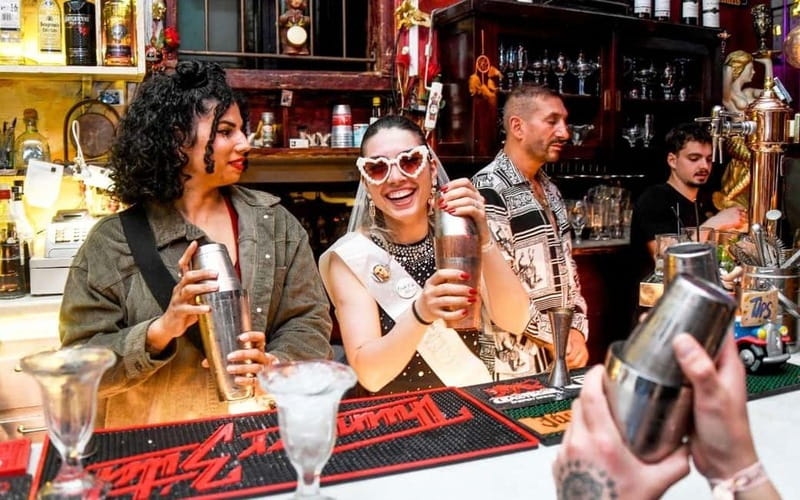
- Tapas + traditional drinks included: the tour ends with food and a cold beverage, not just a photo break
- English live guide: you’ll get on-the-ground pointers from guides who know the scene
Where the tour starts: Hard Rock Cafe and a quick reset
The tour meets at the Hard Rock Cafe area. Your guide holds an umbrella out front, which makes the start easy to spot even if you arrive a little early. This matters more than you’d think in Barcelona, because street art walks can start in slightly chaotic places, and you don’t want to waste your first 20 minutes trying to match a face to a description.
From the beginning, the vibe is social and relaxed. You’re walking with a live English guide, and the tour is built around discussion: what you’re looking at, why it’s there, and what the neighborhood has to do with the art. The guide’s job isn’t just pointing out walls, it’s giving you enough context that you can actually read the streets as you go.
You also end back at the meeting point. That’s a convenience win. It means you don’t have to reverse-track your route or wonder how to get back after tapas and drinks.
You can also read our reviews of more tours and experiences in Barcelona.



Reading El Raval street art like a local map
The core of the experience is El Raval, Barcelona’s neighborhood where alternative culture has long overlap with street art. The tour is designed around small alleyways and corners, where you can see how graffiti, murals, and urban art function in daily life—not only as decoration, but as identity, commentary, and community memory.
What you get here is a guided version of the kind of discovery you might do on your own, but with way less guesswork. The city can look chaotic if you don’t know where to look. On this tour, you’re walked through those choices: what’s worth stopping for, what’s changed over time, and what signals a piece is part of the long-running culture rather than random tagging.
One of the best parts is how the tour connects art to culture around it. You’re not only looking at images; you’re learning the “why.” The tour description also points to topics like skate scenes, squat scenes, urban legends, and myths. Even if those themes are delivered lightly, they help you see street art as part of a living subculture, not just a pretty photo backdrop.
Practical tip: because you’re in and out of alleys and along wall-lined streets, your phone camera will be busy. I’d still bring a bit of patience. Street art viewing takes time, and good guides will slow down when there’s a story worth hearing.
The famous stops: Botero, Keith Harring, and Xupet Negre
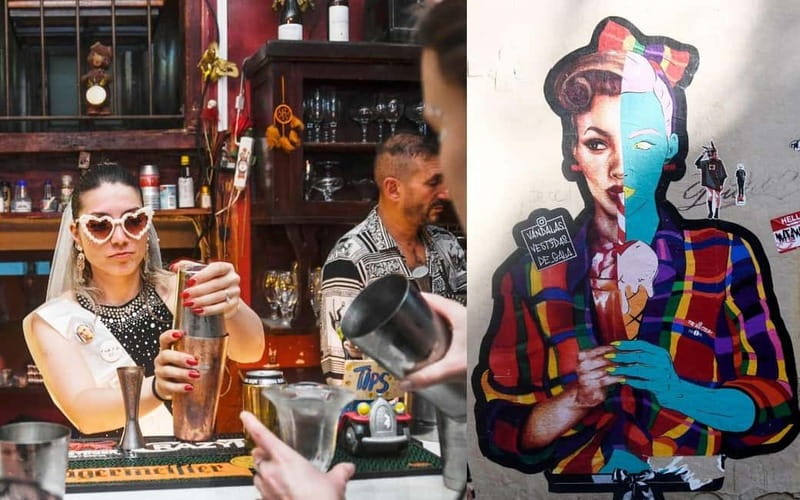
A big selling point is that the route includes well-known street-art references: Botero, Keith Harring, and Xupet Negre. That’s useful if you’re the kind of person who likes street art but wants more than vague explanations like “it’s cool” or “it’s old.”
Here’s how this helps you as a visitor: it anchors what you see. When you can connect a wall to a known name, you start noticing the details you would’ve missed before—style, symbolism, and how artists borrow from the broader world of pop art, street iconography, and local identity.
It also makes your tour more “worth it” if you’re short on time. Barcelona has plenty of ways to spend an afternoon, but a themed walk with named touchpoints gives you a clearer payoff per hour. You’re not wandering randomly; you’re building a mental checklist of what the scene considers important.
And because the tour is focused on Raval and nearby alternative culture, those references feel like they belong. They’re not stuck in a vacuum. Instead, they’re threaded into the neighborhood context that explains why street art matters here.
MACBA and skater culture: art you can hear in motion
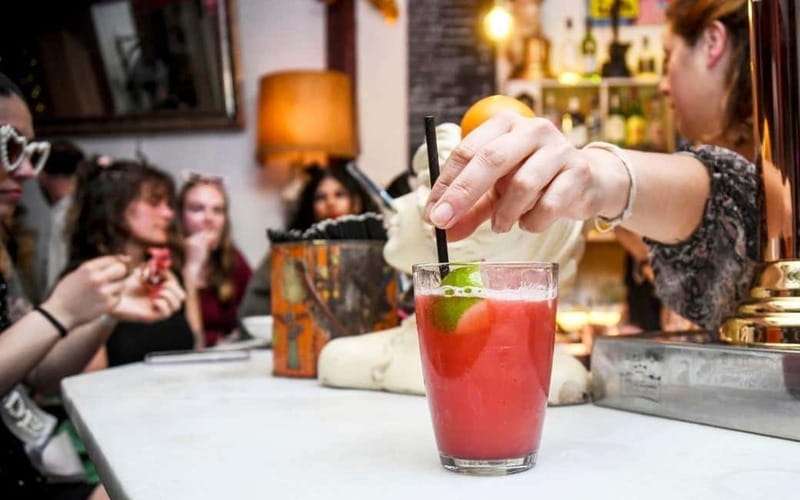
One of the standout themes is skate culture. The tour includes the area around MACBA (the museum) and uses it as a starting point for understanding the neighborhood’s alternative energy. The guide doesn’t treat skaters as a side note. They’re part of the same ecosystem as graffiti and street art.
This is where the tour feels different from a standard street art walk. Instead of only talking about aesthetics, you’re shown how different street cultures overlap—who gathers, what kinds of spaces they claim, and how art becomes something you see, not just something you read about.
In the feedback, guides are praised for pointing out skater culture around MACBA, and one guide name that comes up is Jordan. That kind of specific focus is a good sign. It suggests the tour isn’t just general commentary. It’s a guide sharing what’s happening on the street right now and how it connects to the art you’re walking past.
If you like urban scenes that feel real, this is a strong match. If you prefer quiet sightseeing only, it may feel a bit too lively. But that liveliness is part of the point: this is street art as culture, not street art as an art lesson.
Tres Xemeneies: the park stop for paint-covered urban space
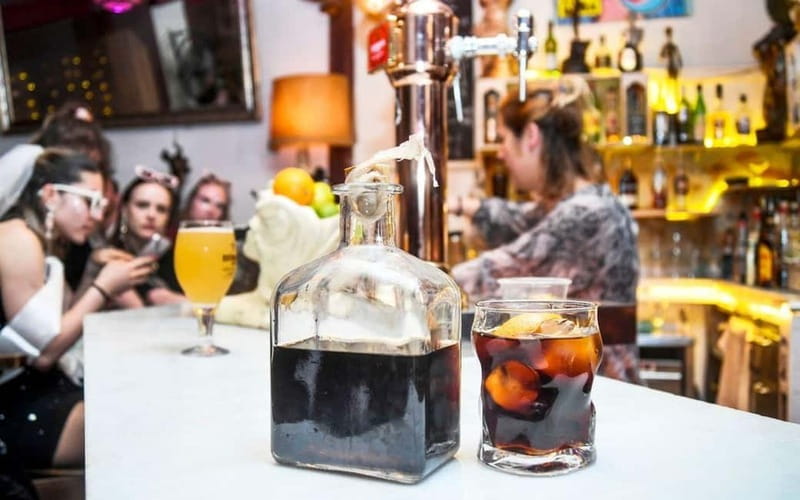
A highlight that shows up in the tour experience is Tres Xemeneies, described as a park with wall-to-wall urban space covered in paint. This kind of stop is valuable because parks are natural breathing spaces. You’re no longer stuck in narrow alleyways, but the street art remains in front of you as a constant.
Think of it as a visual reset. After walking through corridors of posters, tags, and murals, you’re given a place where the scale feels different. The art reads differently at a distance. You can see how layers build and how the area functions as an ongoing canvas.
It also works well for photos without turning the walk into a pure camera session. You can pause, look, and talk. Guides tend to use stops like this to connect what you’ve already seen to what you’ll see next, especially when a theme is as broad as graffiti and alternative culture.
Practical note: parks mean benches, wind, and changing light. Dress for it. If you run from wall to wall in the heat, your tour mood drops fast, and this stop is where you’ll feel the weather.




The tapas and cold drink ending: why the pause matters
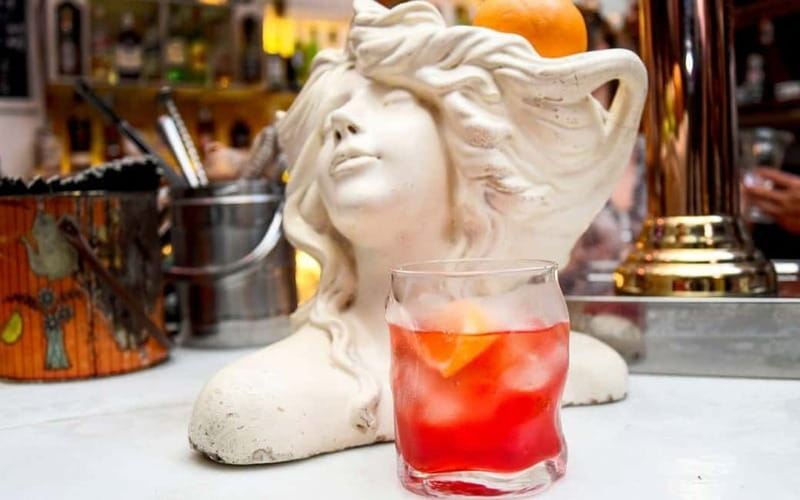
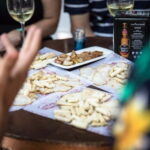
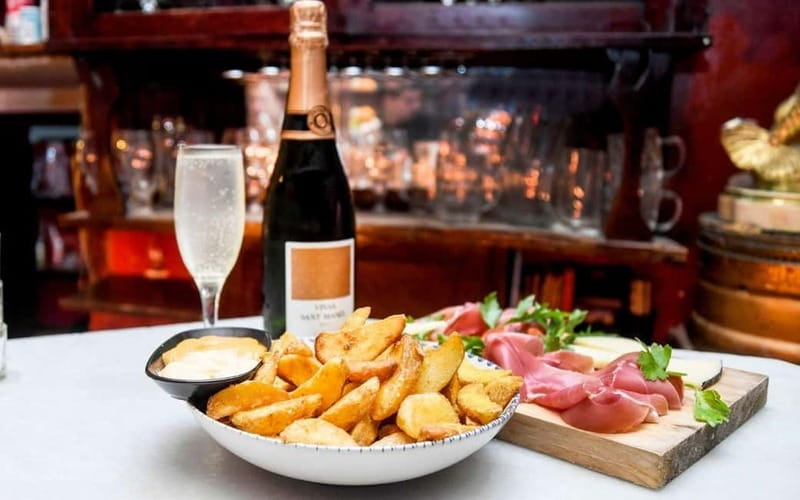
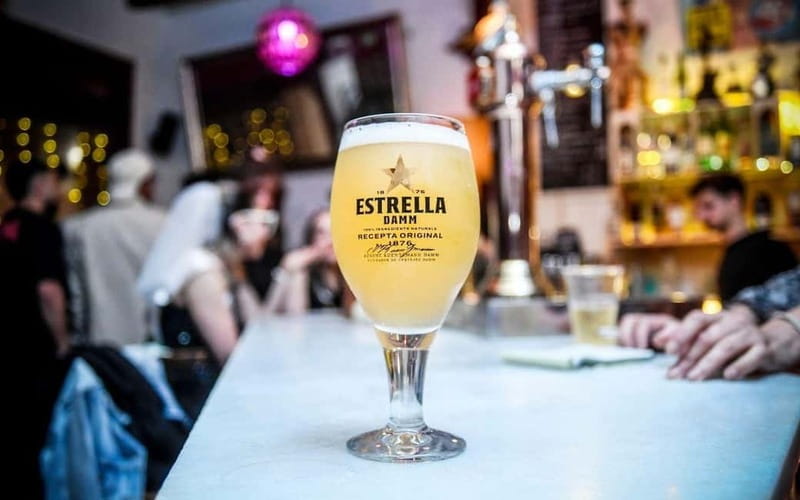
The tour ends with tapas and a cold drink at a bar. That included food break is more than a perk. It’s part of the way the tour is paced.
Street art walks can turn into a blur because you’re taking in so many images. A sit-down moment helps you digest what you just learned. You get to talk, compare notes, and ask questions about the parts you liked most. It also makes the tour feel complete. You’re leaving with a memory of a neighborhood, not just a collection of photos.
The drinks are described as a choice of traditional Spanish drinks, and the tapas are included. For $23, this matters. You’re not paying for a guided route only; you’re getting a social stop that usually costs extra when you do it on your own.
If you’re planning the rest of your evening in Barcelona, this kind of ending keeps you from sprinting to dinner right after. You can still have a late meal later, but you’re not starting from zero.
Price and value: what $23 buys in Barcelona time
At $23 per person, this tour is priced like a budget-friendly way to get insider context. Here’s the value logic that makes it feel fair:
- You’re buying context, not just movement. A good guide turns random street art into something you understand as part of local culture.
- You’re getting named references like Keith Harring and other recognizable street-art touchpoints, which boosts your return per hour.
- You’re finishing with included tapas and drinks, which you’d normally pay for separately.
Even in a city where walking tours are common, the “included refreshment” component is often what makes the math work. This is especially true when you’re comparing against solo plans like roaming Raval on your own and then paying for food and drinks after.
One more value point: the tour is English live and lasts about 3.5 to 4 hours, which is a solid chunk of time for a neighborhood-themed experience. It’s long enough to see multiple thematic layers, but not so long that you feel drained.
Who this tour fits best (and who might prefer something else)
This tour is a great fit if you like street art but you also like stories—why it exists, what subcultures it connects to, and what local people see when they look at the same walls you might pass daily. It’s also ideal if you’re curious about skater culture and alternative scenes and you want a guided route that connects them instead of treating them as separate interests.
You’ll also get a lot out of it if you’ve seen some Barcelona sights already and want something more off the usual path. Raval is often discussed in the context of alternative life, and this tour helps you see that side with structure.
Who might skip it? If you’re looking for a quiet, museum-only style experience, the street-art lens might feel a little too urban and too casual. Also, because you’re walking and stopping outdoors, it’s not the best match if you’re dealing with mobility limits or you hate being on your feet for hours. I’d choose a more indoor option in that case.
Small practical tips so you enjoy every stop
A few habits make this kind of tour go smoothly:
- Wear comfortable shoes. You’ll be moving through streets and corners for hours.
- Bring a phone charger option or a fully charged battery. Street art at street level eats battery fast.
- If you’re a first-timer in Raval, go with an open mind. The point is that the area is an active cultural zone, not a staged exhibit.
- Ask your guide questions at the bar too. The tapas moment is often when you get the best explanation of context and culture.
Should you book this Barcelona Street Art, Graffiti & Tapas Tour?
If you’re excited by graffiti, urban art, and street culture—and you want that served with tapas instead of just walking until you’re hungry—this is an easy yes. The combination of El Raval focus, MACBA skater culture, named art references, and the included food stop makes the $23 price feel practical, not inflated.
Book it if you want a route that helps you see Barcelona differently and you like guides who can explain how the neighborhood connects to the art. Consider skipping if you want a calm, quiet, indoor sightseeing format or you strongly dislike walking in dense street areas.
If you fit the first group, you’ll leave with a clearer sense of how the city’s walls tell stories—and you’ll have eaten because the tour plan actually includes time for it.
FAQ
How long is the tour?
The experience is described as about 3.5 to 4 hours, and the activity duration also shows 3 hours depending on the starting time.
Where does the tour start?
It starts in front of the Hard Rock Cafe, with your guide holding an umbrella.
Where does the tour end?
The tour ends back at the meeting point.
How much does it cost?
It’s $23 per person.
Is the tour in English?
Yes, the tour is guided in English with a live tour guide.
What’s included in the price?
A 3.5 to 4 hour guided tour covering urban art, street art and graffiti, plus history and alternative culture, and a bar stop with tapas and a choice of traditional Spanish drinks.
What kind of neighborhood does the tour focus on?
The tour focuses on Barcelona’s Raval neighborhood and includes stops tied to the MACBA area.
Are there any famous art references included on the tour?
Yes. The tour highlights works or references linked to Botero, Keith Harring, and Xupet Negre.
Is tapas included?
Yes. Tapas and a cold drink are included at the bar stop.
What is the cancellation policy?
Free cancellation is available up to 24 hours in advance for a full refund.