REVIEW · BARCELONA
Barcelona Side Streets Tapas & Wine Tour
Book on GetYourGuide →Operated by Eating Europe Food Tours · Bookable on GetYourGuide
Small alleys, big flavors. Over 3.5 hours, you’ll connect El Born and the seaside Port with tastings that reflect Roman, Moorish, and Latin roots; I especially love the Bomba de Barceloneta and the theater of porrón wine. One heads-up: this tour isn’t for vegans, and vegetarian options may be limited.
Between bites, the walk keeps turning up real Barcelona details: a 2000-year-old wall, the Gothic church Santa Maria del Mar, and a stop connected to Picasso’s home. I like that the guide keeps the food grounded in place, not just “Spanish tapas talk.”
The pace is made for wandering. Bring comfortable walking shoes and a water bottle, because you’ll be on your feet through medieval lanes and the coastal area.
In This Review
- Key highlights you’ll feel right away
- Catalan tapas that actually explain the city
- The 3.5-hour route: from El Born alleys to Barceloneta seaside
- The five tastings: what you’ll eat (and why each one matters)
- Stop 1: Bomba de Barceloneta
- Stop 2: Fideuà (Catalan paella style)
- Stop 3: Aubergine Tortilla and/or fried aubergine
- Stop 4: Catalan tomato bread
- Stop 5: Traditional regional pastry for dessert
- Vermut, cava, and wine from a porrón: the drink ritual
- Historic moments you’ll actually remember while eating
- Price and value: what $112 buys you in real terms
- Who should book this Barcelona side-streets tapas and wine tour
- Should you book it?
- FAQ
- How long is the Barcelona Side Streets tapas and wine tour?
- How many food stops and drinks are included?
- What dishes and drinks are included?
- Is the tour suitable for vegans?
- Are there vegetarian options?
- Where do I meet the guide?
Key highlights you’ll feel right away
- Catalan-first food: the stops focus on local dishes instead of generic Spanish-style plates
- Five tastings, three drinks: you get a real mini-journey without paying for separate meals
- The porrón pour: white wine arrives with a traditional serving ritual, not a casual glass
- Old Town to the sea: El Born’s alleys pair with Barceloneta’s seaside mood
- A guide who connects stories to what you taste: one recent guide named Lindsey was especially praised for fun facts
Catalan tapas that actually explain the city
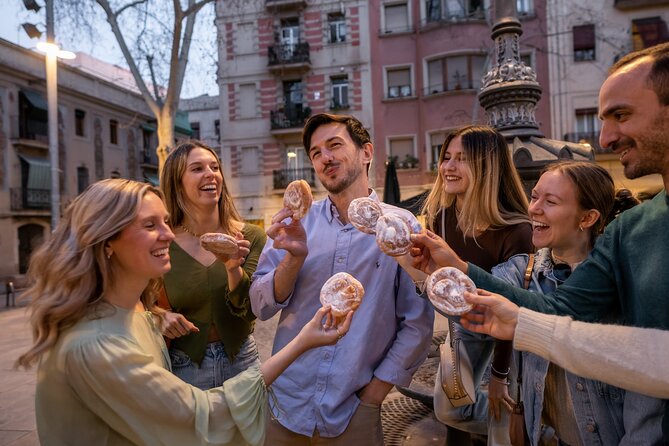
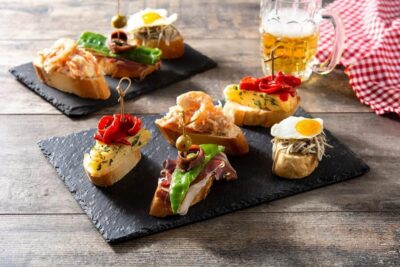
Barcelona is often sold as “modern and international,” but food here tells a longer story. This tour leans into Catalan cuisine and the influences behind it, so you’re not just eating for pleasure. You’re tasting clues—why certain ingredients show up, why the style of dishes feels the way it does, and how the city’s history shaped local habits.
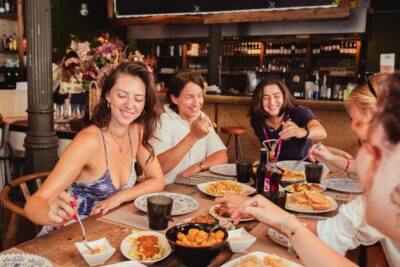
What I like most is the balance: you get history and landmarks, but the core is still food + drinks. You’ll be led through the Old Town and toward the water, then you’ll pause often enough to taste properly (not just nibble while walking). And because the route is organized around meals, you start to notice the geography: tight medieval streets in El Born, then the shift to the seaside charm of Barceloneta.
The other big plus is that the tastings aim to feel local. Reviews highlighted that the dishes lean toward Catalan specialties rather than the same tour-typical menu you might see elsewhere. If you’re trying to eat like a person from Catalonia, this approach makes a lot of sense.
You can also read our reviews of more tours and experiences in Barcelona.

The 3.5-hour route: from El Born alleys to Barceloneta seaside
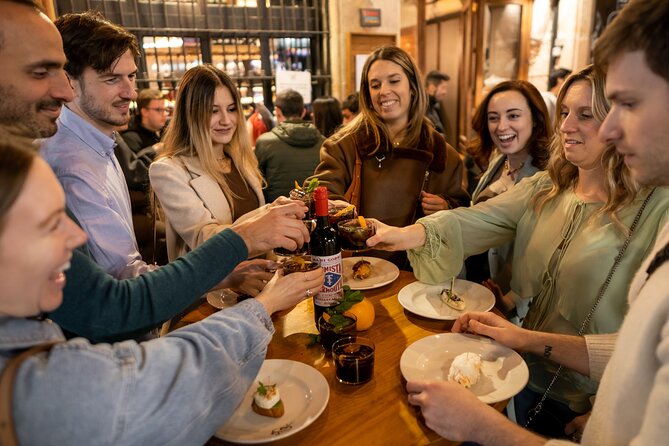
This tour is built around a walking loop that connects two moods of Barcelona. You’ll spend time in the medieval neighborhood of El Born, then move toward the coastal vibe of Barceloneta and the Port area. That change matters, because Barcelona’s flavor changes with it: inland lanes tend to steer you toward traditional dishes and lively bars, while the seaside direction naturally brings more seafood-forward Catalan cooking.
You’ll also hit several landmark-style moments while you eat:
- A 2000-year-old wall, which gives quick historical weight to the neighborhood streets
- Santa Maria del Mar, a stunning Gothic church that’s close enough to feel part of your route
- A stop connected to Picasso’s home, tying the neighborhood to a modern cultural layer
You’ll get the structure of a guided tour, but it’s still a “side streets” experience. That’s good news if you want to feel like you’re moving through real places, not only postcard stops.
The five tastings: what you’ll eat (and why each one matters)
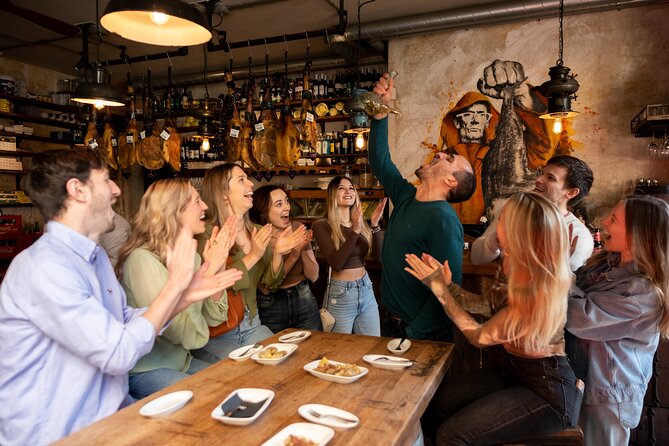
You’ll have 5 food stops, and they’re chosen to cover different sides of Catalan cooking—vegetable dishes, bread-based comfort, signature local tapas, seafood-style rice, and a final pastry finish. Here’s what to expect from the standout items listed for this tour.
Stop 1: Bomba de Barceloneta
This is the one many people come for, and for good reason. The Bomba de Barceloneta is an iconic local tapas pick associated with Barceloneta’s food culture. Expect something bold and snackable, with a “this is Barcelona” personality—small enough to taste fast, but memorable enough that it becomes your mental anchor for the day.
If you’re the kind of eater who likes contrast, this stop sets up the rest of the tour: it’s savory, energetic, and very much tied to the seaside neighborhood angle.
Stop 2: Fideuà (Catalan paella style)
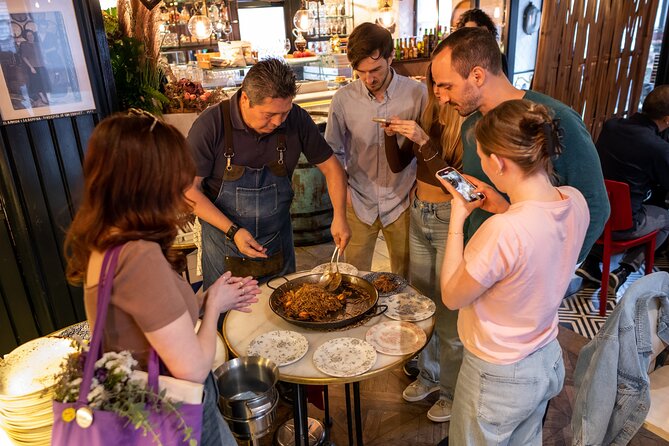
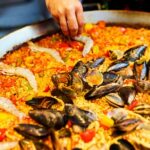
Next comes the Catalan cousin of paella: fideuà. If you’ve had paella before, you’ll recognize the concept—rice and flavor depth—but fideuà swaps in its own approach (the texture and the way it holds onto sauce are the fun part). It’s also a great choice on a walking tour because it delivers real satisfaction without requiring a full restaurant meal.
The practical upside: it keeps the tasting variety strong. You’re not repeating the same profile at every stop.



Stop 3: Aubergine Tortilla and/or fried aubergine
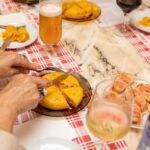
Vegetables are a big deal in Catalan home cooking, and this stop leans into that with Aubergine Tortilla and/or fried aubergine. Aubergine can be one-note in lesser versions, but well-made it turns creamy and silky inside while the outside brings crunch. Even if you don’t usually chase eggplant dishes, this is the type of stop that changes your mind.
One consideration: the tour notes that vegetarian options may be limited, and it isn’t suitable for vegans. So if you’re vegetarian and cautious, eat at a flexible mindset, and tell your guide what you can and can’t eat as early as possible.
Stop 4: Catalan tomato bread
Then you’ll taste Catalan tomato bread, a simple dish that’s easy to underestimate. The magic is in the details: the tomato gets treated like an ingredient that should shine, and the bread acts like the vehicle. This is the kind of bite that tastes like Barcelona should—fresh, garlicky if it’s your style, and built on pantry basics done well.
I like this stop because it breaks up the richer items. After savory tapas and seafood-style rice, something bread-and-tomato based gives you a cleaner reset.
Stop 5: Traditional regional pastry for dessert
The tour ends with a sweet finish: a traditional Catalan pastry. That final stop matters more than you’d think, because it rounds out the flavor arc. Savory tastings can blur together if you don’t have a clear ending, but dessert gives you the “done right” feeling that turns food stops into a complete experience.
You’ll also be walking, so it’s not just about “eating dessert.” It’s about ending the tour with something you’d actually want after a meal in the neighborhood.
Vermut, cava, and wine from a porrón: the drink ritual
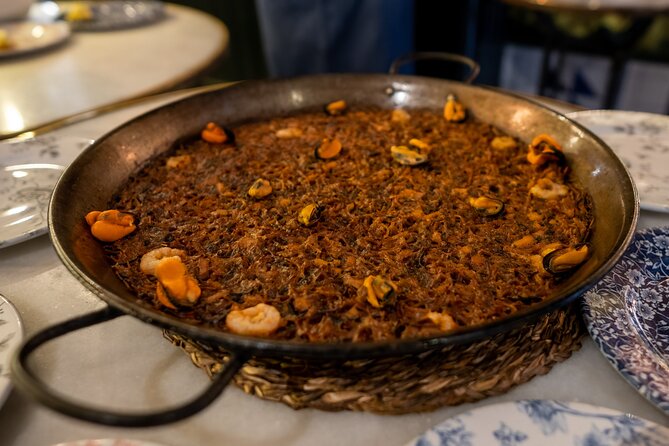
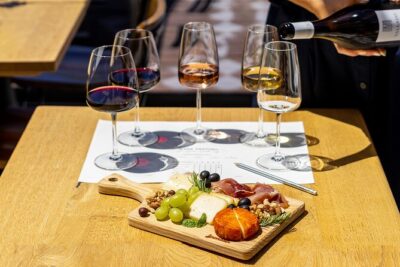
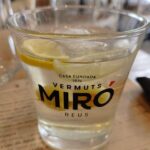
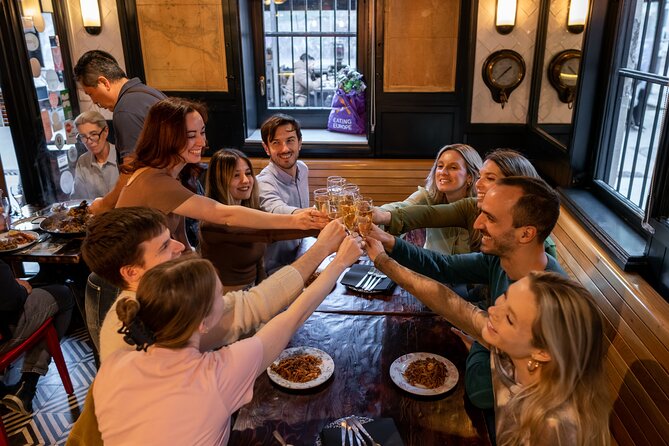
The drink portion is one of the best parts of this tour because it’s local, not random. You’ll get 3 local drinks alongside your food stops, with highlights that include:
- Vermut cocktails
- Cava
- White wine from a porrón
If you’ve never had wine from a porrón, this is your moment. It’s a traditional serving style where the wine is poured from a container in a very specific way. It turns a drink into a small event, and it pairs well with tapas because you’re still in “sharing” mode.
A tip for enjoying this: treat each drink like part of the pairing. Don’t just sip water between stops to “recover.” Let the drink move with the bite you’re eating. That’s when it starts to feel like a planned menu rather than a series of random tastings.
Historic moments you’ll actually remember while eating
This is not a “museum tour with snacks.” The landmarks are woven into the walk, so you get a sense of place while your taste buds are working overtime.
- The 2000-year-old wall is a quick time-jump. It makes you look at the city differently, like the streets you’re standing on have layers underneath.
- Santa Maria del Mar brings visual scale. Gothic architecture can feel intimidating at a distance, but on foot you can take in details without feeling rushed.
- Picasso’s home adds a modern cultural thread, reminding you that Barcelona is both old and creative right now.
And yes, there’s room for the human stuff too. The tour highlights meeting local characters—like the idea of a bar’s resident seabird. That’s the kind of detail that makes the night feel lived-in rather than staged.
Price and value: what $112 buys you in real terms
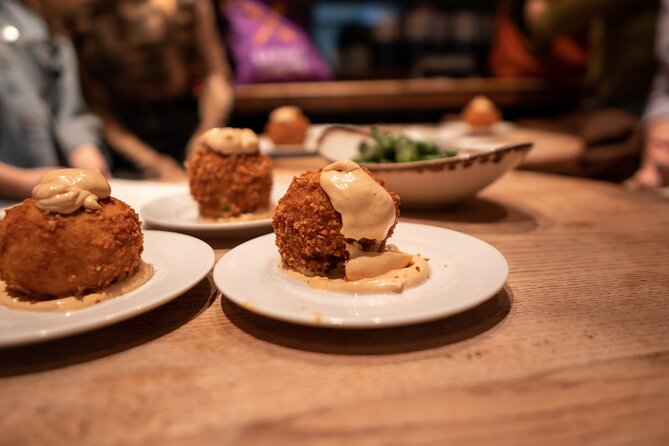
At $112 per person for about 3.5 hours, you’re paying for more than food. You’re buying:
- 5 food stops (not just one big meal)
- 3 local drinks
- an English-speaking guide
- sightseeing elements that connect El Born, the sea area, and major landmark moments
So the value question isn’t only “is tapas expensive here?” It’s “are you saving time and effort?” On your own, you’d have to pick restaurants, guess which dishes are truly Catalan, and figure out a workable route. Here, the guide handles that planning and keeps the focus on regional identity.
If you’re someone who loves food tours but hates the ones that feel repetitive—same tortilla, same bread, same sangria—this one has a better chance of feeling worth it. Reviews specifically praised the Catalan dish focus and called out the guide’s stories as a real part of the experience, not fluff.
Who should book this Barcelona side-streets tapas and wine tour
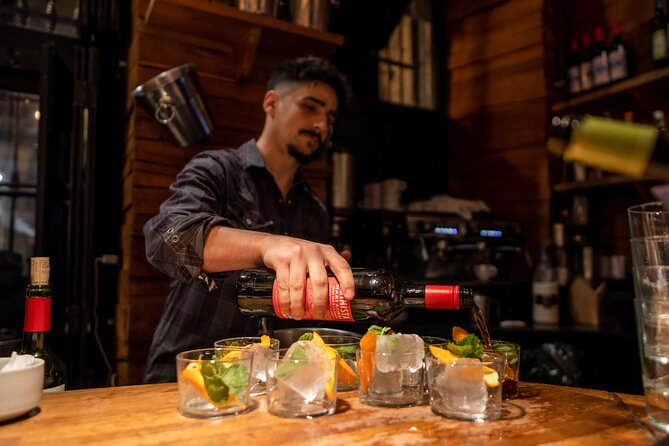
This tour is a strong fit if you:
- want Catalan specialties rather than generic tapas
- like your food tours with history and place context
- enjoy a drinks pairing, especially vermut and the porrón wine experience
- prefer a guided walking plan that keeps you moving through El Born and toward the seaside
It’s not a great fit if you:
- need a strictly vegan menu (this tour isn’t suitable for vegans)
- have tight dietary restrictions and want a guaranteed fully vegetarian set (the tour notes vegetarian options may be limited)
It also helps if you’re okay with comfort basics: comfortable shoes, some weather-ready clothing, and a camera if you like street scenes and landmark shots.
Should you book it?
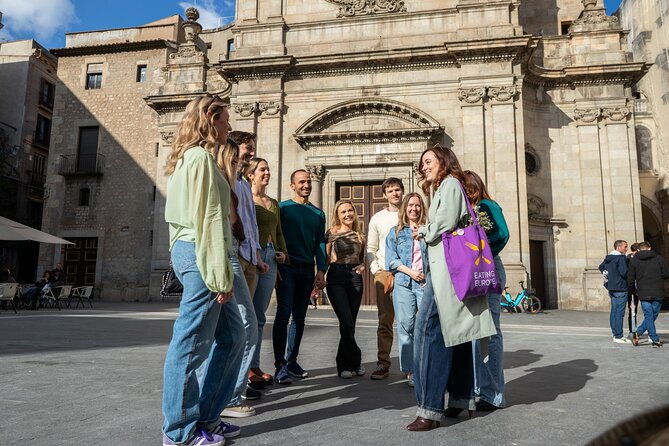
I’d book this tour if your ideal Barcelona day is food first, with just enough history to make the city feel connected. The standout is the Catalan-first menu approach, plus the drink lineup that goes beyond the usual tourist choices. Add a well-liked guide like Lindsey (from recent experiences) and you’ve got a recipe for a tour that feels personal, not canned.
Skip it only if vegan-friendly eating is non-negotiable, or if you’d rather spend your evening in one restaurant instead of sampling across multiple stops.
If you want a guided, walkable introduction to Barcelona that tastes like Catalonia, this is a smart place to start.
FAQ
How long is the Barcelona Side Streets tapas and wine tour?
It lasts 3.5 hours.
How many food stops and drinks are included?
You get 5 food stops and 3 local drinks.
What dishes and drinks are included?
You’ll taste items such as Bomba de Barceloneta, fideuà, aubergine tortilla or fried aubergine, Catalan tomato bread, and a traditional Catalan pastry. Drinks can include vermut cocktails, cava, and white wine from a porrón.
Is the tour suitable for vegans?
No, it is not suitable for vegans.
Are there vegetarian options?
Vegetarian options may be limited.
Where do I meet the guide?
Meet your guide with the Eating Europe logo in the middle of the square.