REVIEW · BARCELONA
Barcelona Paella Cooking Class with Market Visit, Tapas & Sangria
Book on Viator →Operated by Gastronomic Arts Barcelona · Bookable on Viator
Paella starts at the market. This Barcelona food class pairs a chef-guided trip to Mercat de la Boqueria with a small group capped at 12, so you actually get to talk, ask, and learn instead of just watching.
I love that the cooking portion is hands-on, not just a demo, and you leave with the paella recipe so you can recreate it later. You’ll choose a seafood, chicken, or vegetarian style, and you get real coaching while you cook.
One drawback to plan for: the Boqueria market stop is excluded on Sundays and public holidays because the market is closed.
In This Review
- Key highlights I think you’ll care about
- Why this market-to-paella class is such a smart use of time
- Getting started at GAB Lab near La Rambla
- Stop 1: Mercat de la Boqueria the way locals actually use it
- A small caution about the market stop
- La Rambla and the shift from shopping energy to kitchen work
- Tapas tasting and a hands-on sangria workshop
- Paella cooking: what you’ll actually learn at the stove
- Choose your paella style
- The teaching style that makes it work
- Dessert: Tarta de Santiago with instruction
- What you get to take home (and why it matters)
- Price and value: what $114.88 covers in real terms
- Who this class suits best
- Simple tips to make your day smoother
- Should you book this Barcelona paella and sangria class?
- FAQ
- How long is the Barcelona paella cooking class with market visit?
- Where does the tour meet?
- Is it a small group?
- What paella options are available?
- How are allergies handled?
- Is the Boqueria market stop included on Sundays or public holidays?
- What is the cancellation policy?
Key highlights I think you’ll care about
- Mercat de la Boqueria ingredient tips you can use again (including how to pick top-quality seafood)
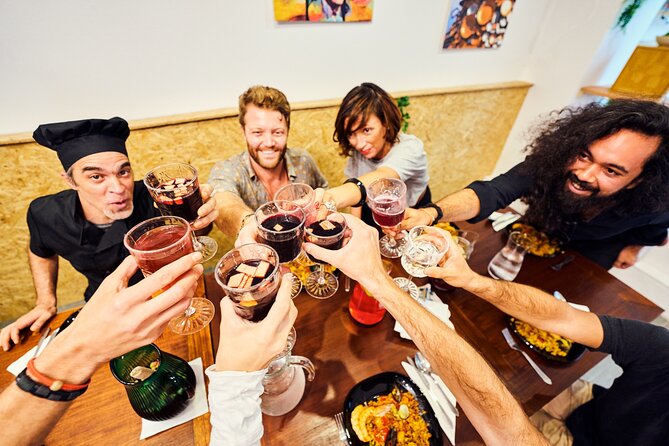
- Sangria-making workshop plus tapas tasting as a break between shopping and cooking
- Paella coaching for seafood, chicken, or vegetarian options
- Tarta de Santiago dessert instruction to finish on a sweet Catalan note
- Small-group feel that helps you actually participate at the stove
- Recipe pack included, so the class doesn’t end when you leave the kitchen
Why this market-to-paella class is such a smart use of time
If your Barcelona trip feels packed, this is the kind of experience that gives you a lot without wasting your whole day. In about three hours, you go from ingredient hunting to tasting tapas and sangria to cooking and eating paella. It’s not just food. It’s the full chain, which is how Barcelona cooking starts to make sense.
Price-wise, $114.88 per person isn’t “cheap,” but it’s also not just a meal ticket. You’re paying for a guided market stop, a professional kitchen setup, a hands-on class, and multiple food components (tapas, sangria, paella, and a guided dessert), plus recipe materials to take home. For many people, that turns out to be good value compared with piecing together separate market tours, cooking demos, and meals later.
And because the group is limited to 12, you get the benefit of being seen. You don’t get lost in the crowd.
You can also read our reviews of more tours and experiences in Barcelona.

Getting started at GAB Lab near La Rambla
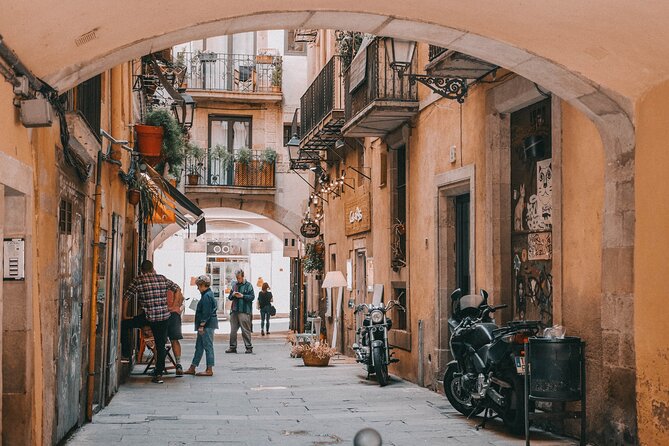
The activity meets at Gastronomic Arts Barcelona / GAB LAB, Carrer de Lancaster 10, Bajo 1a, in Ciutat Vella. It’s near public transportation, which matters in Barcelona where walking is great but not always practical when you’re hungry and on a schedule.
You’ll start at a selected time, and the day is designed to fit around that. Expect a smooth flow: market first, then tapas and sangria, then the paella cooking and meal. It’s about 3 hours total, and it’s offered in English, with a mobile ticket you’ll use on the day.
One practical note: since you’re working in a kitchen, comfortable shoes help. You don’t need to dress up for this. You need to move.
Stop 1: Mercat de la Boqueria the way locals actually use it
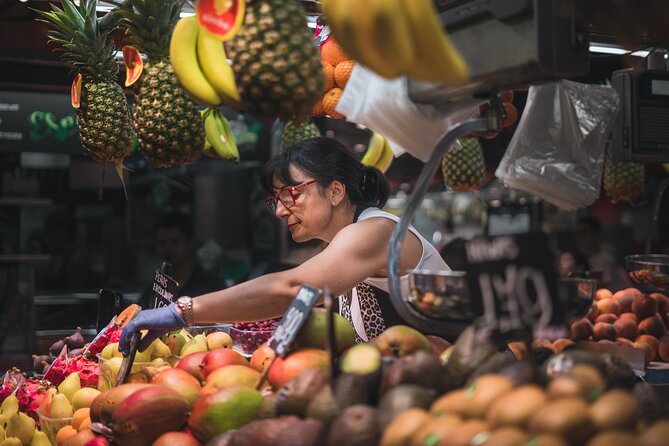
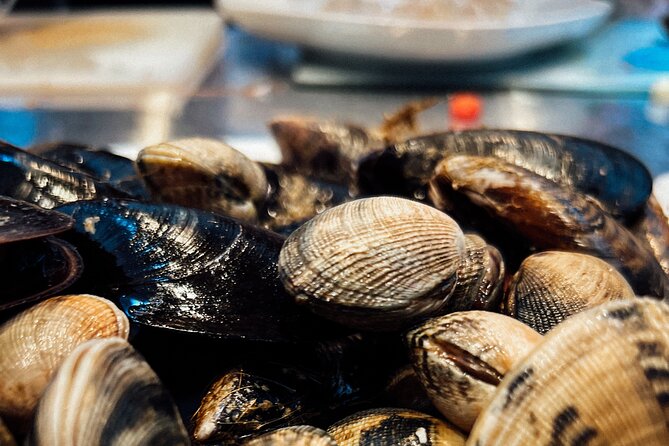
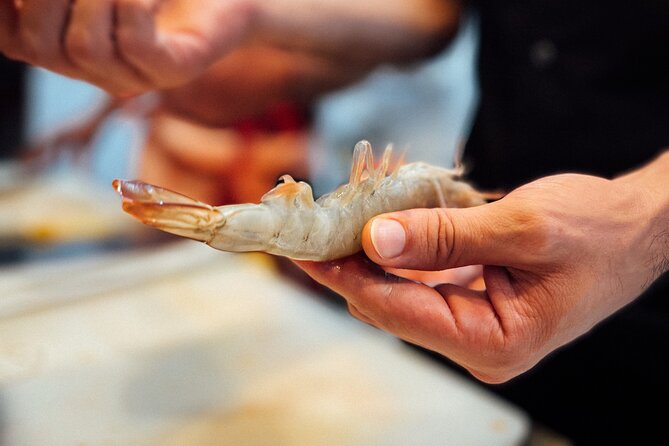
Mercat de la Boqueria is famous, but the key here is that you’re not just staring at stalls. A chef guides you through what matters: what quality seafood looks like, what ingredients are worth your attention, and how Spanish market buying connects to real cooking.
This part of the tour is often the one that makes the later paella feel more meaningful. When you understand what you’re buying (and why), it’s easier to trust the cooking steps later. In particular, the teaching often focuses on choosing fresh seafood and recognizing differences that affect flavor.
There’s also a human side to the market walk. One of the best parts of this class is that you’re seeing day-to-day food life in Barcelona, not just a photo stop. You get to talk to your guide, ask what to look for, and learn a few “do this, not that” habits you can apply the next time you shop on your own.
A small caution about the market stop
The market is busy, and depending on the group flow and where you stand, you might find it harder to hear every detail. If you’re the type who likes to catch every instruction, try to position yourself where you have a clear view of the guide during explanations.
La Rambla and the shift from shopping energy to kitchen work
After the market, the tour moves away from the stalls and toward the kitchen rhythm. You don’t have to “figure it out” between stops. The schedule is set, and you’re guided from ingredient selection into tasting and cooking mode.
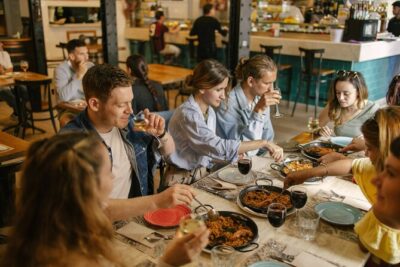
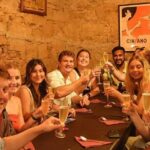
This is also where the experience becomes more social. You’re still in a small group, but the pace slows down. That’s important because paella isn’t a 10-minute dish. It needs attention, and you’re learning how to manage timing and steps as you cook.


Tapas tasting and a hands-on sangria workshop
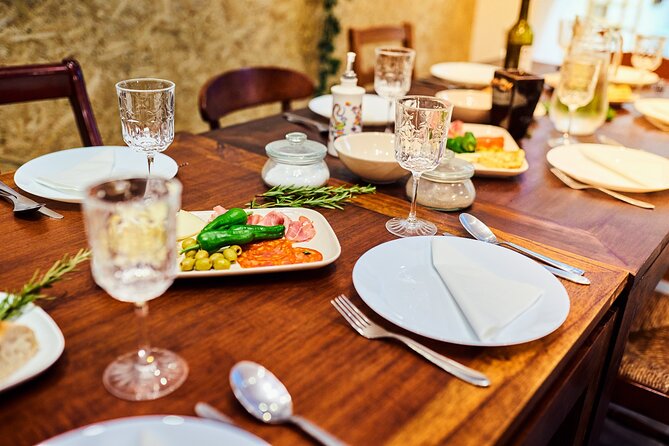
Before you touch the paella, you eat. The class builds in tapas and drinks so you’re not starting the cooking part hungry and distracted.
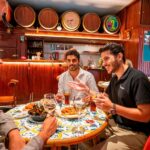
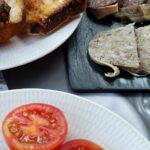
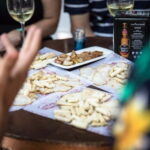
You’ll get a selection of classic Spanish tapas, often including items like cured meats, cheeses, pimientos de padrón, pan con tomate, and olives (exact picks can vary). It’s a nice way to sample the flavors that pair naturally with the rest of the meal, not just a random plate of snacks.
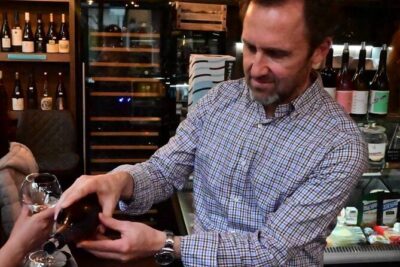
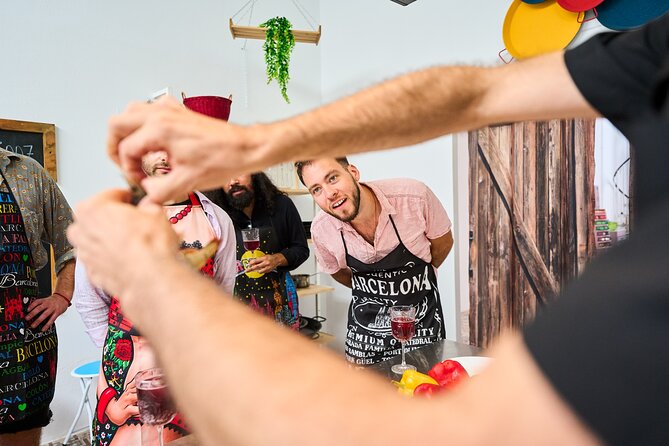
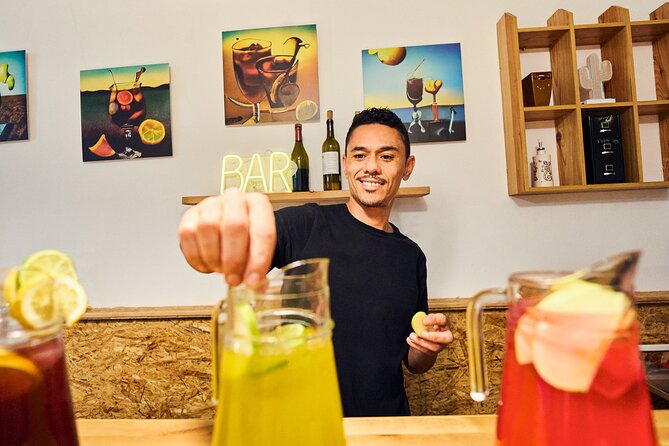
Then comes sangria. You’ll take part in a hands-on sangria-making workshop, and you’ll make your own. Alcoholic and non-alcoholic versions are part of the setup, and a non-alcoholic option is available. The tour has a minimum drinking age of 18, so this is a good moment to confirm who in your group plans to drink.
There’s also a practical advantage to making sangria yourself: it gives you an understanding of how Spanish-style fruit-and-spice flavor works in a drink, not just a sugary version served at restaurants.
Paella cooking: what you’ll actually learn at the stove
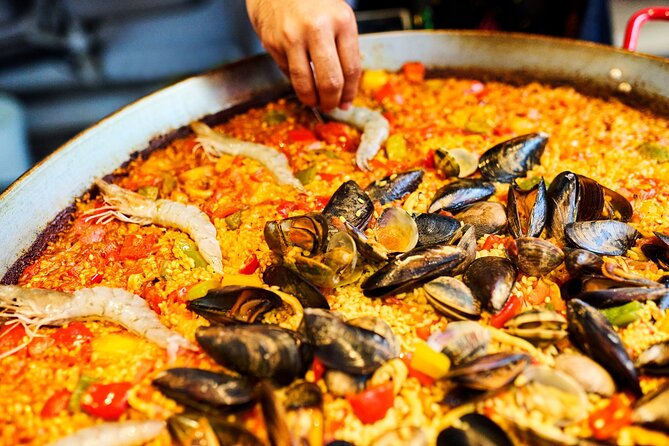
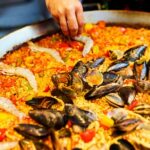
This is the heart of the experience. After you’ve tasted tapas and made sangria, you’ll roll up your sleeves and cook paella in a professional kitchen with a local chef.
Choose your paella style
You can make:
- Seafood paella
- Chicken paella
- Vegetarian-friendly paella
Food allergies and preferences are collected at the start of the class, and they confirm them during the session. In at least one case from the experience, the kitchen set up a separate workspace for a seafood allergy, so the whole family could participate safely. That’s a good sign if you need clear handling, not vague promises.
The teaching style that makes it work
What I like about this setup is that it’s not just “watch the chef do it.” You’re supported and guided step-by-step. The class is designed for participation, and the small group size makes it easier for the chef to check in with you while you cook.
You’ll also learn why ingredients matter. When you started at the market, you already did the homework. Now you get to turn that knowledge into a pan of food.
And yes, it’s fun. Many instructors bring energy, humor, and an easygoing vibe. I’d expect a relaxed, social classroom feeling rather than a stiff cooking lab, especially with instructors like Maria, Hugo, Matteo, Bibi, or others known for bringing the room to life.
Dessert: Tarta de Santiago with instruction
After paella, you finish with Tarta de Santiago, a classic almond cake from Galicia. It’s included, and you get instruction as part of the experience.
If you’re thinking this will be a quick bite and done, don’t. The dessert is treated as part of the class flow, so you end on something sweet and grounded in Spanish food traditions. In one session, the dessert was adapted for gluten-free needs, which is worth noting if you’re watching dietary restrictions. The main takeaway: the kitchen is paying attention to how to include people, not just feed them.
What you get to take home (and why it matters)
You leave with a copy of the recipes so you can recreate the meal after your vacation. That detail matters more than it sounds.
Most cooking classes teach you “what to do,” but without a usable recipe, you end up guessing months later. Here, you have materials to rely on when you’re back home and your memory has turned into vibes and smells.
It also makes the experience more practical if you’re the kind of person who cooks at home already. You don’t just eat. You learn enough to repeat.
Price and value: what $114.88 covers in real terms
Let’s break down what you’re paying for, in plain English.
For one price, you typically get:
- A guided market visit (with Boqueria stop when it’s open)
- Sangria-making workshop
- Tapas tasting
- Hands-on paella cooking with a chef
- Dessert with instruction
- Beverages included (including sangria, red wine, bottled water, and juice)
- Recipe materials to take home
So you’re not just paying for paella. You’re paying for guidance and structure across multiple food moments: shopping, tasting, mixing drinks, cooking, and finishing dessert. For many visitors, that makes the price feel more reasonable because you’d otherwise spend extra money and time to do each piece separately.
One other value factor: you’re getting an English-speaking guide and a small group. That can easily be the difference between learning real technique versus collecting a few Instagram tips.
Who this class suits best
This class fits best if you want a “learn by doing” experience. It’s especially good for:
- Couples who want something more interactive than a standard meal
- Solo travelers who want built-in conversation with a small group
- Families who want a hands-on food activity that still feels organized
- Food lovers who like to understand ingredients, not just eat dishes
It’s also a good match if you’re curious about paella beyond the tourist version. You’ll see how seafood selection and cooking method connect.
If you’re the type who hates crowds, the small-group cap helps. Still, the market is a market. You’ll be around people. If that stresses you out, go in with a plan: arrive early, keep your eyes on your guide, and treat the market as a guided learning walk rather than a free-for-all.
Simple tips to make your day smoother
A few things that help you get more enjoyment out of the class.
- Wear closed-toe shoes. You’ll be in a kitchen environment and moving around.
- If you’re sensitive about hearing at the market, choose a position where you can see and listen clearly.
- Bring allergy details with you. The class asks for allergies and preferences, then confirms them at the start, so don’t assume they’ll guess.
- Plan your day so you’re not rushing. Three hours goes fast when you’re tasting, mixing, chopping, and cooking.
- If you’re planning a seafood paella, pay attention during the market stop. The guide’s ingredient tips make the cooking steps easier to follow later.
Should you book this Barcelona paella and sangria class?
Book it if you want a structured, hands-on food experience that covers the whole arc: market ingredients, tapas, sangria, and paella in one sitting. The small group size and the fact that you get recipe materials to take home are big reasons it’s worth your time.
Skip it or re-think dates if your trip lands on a Sunday or public holiday, because the Boqueria market stop is excluded when the market is closed. Also, if you’re extremely focused on quiet and can’t handle a lively market setting, be aware that this includes a market walk where hearing can vary.
Overall, this is one of those activities that makes Barcelona feel like more than landmarks. You leave with skills, a full meal, and a story you can recreate at home.
FAQ
How long is the Barcelona paella cooking class with market visit?
It runs for about 3 hours.
Where does the tour meet?
The meeting point is Gastronomic Arts Barcelona (GAB LAB), Carrer de Lancaster, 10, Bajo 1a, Ciutat Vella, 08001 Barcelona, Spain. The tour ends back at the meeting point.
Is it a small group?
Yes. It has a maximum of 12 travelers.
What paella options are available?
You can choose seafood paella, chicken paella, or a vegetarian-friendly paella option.
How are allergies handled?
Food allergies and preferences are collected at the start of the class and confirmed during the experience. You’ll have an opportunity to share what you need before cooking.
Is the Boqueria market stop included on Sundays or public holidays?
No. The Boqueria market tour is excluded on Sundays and public holidays because the market is closed.
What is the cancellation policy?
You can cancel for a full refund up to 24 hours before the experience start time. If you cancel within 24 hours of the start time, the amount paid is not refunded.