REVIEW · BARCELONA
Barcelona Gothic Quarter Tapas & Taverns Food & Wine Tour
Book on Viator →Operated by Devour Barcelona Food Tours · Bookable on Viator
Tapas and wine in Barcelona’s medieval maze. This Gothic Quarter food-and-drink walk mixes three tasting stops (more than you’d find on your own) with visible history you’ll actually pass on foot.
I especially like the way the tour feeds you: you get enough food for a full lunch or dinner depending on the time slot, not a few token bites. I also like the guided thread through the streets, from Roman ruins to later Catalan and French influences, plus references to Columbus and the 1992 Olympics.
One possible drawback: this is an alcohol-focused tour. If you don’t drink, or you’re expecting a strictly food-centric experience with lots of non-alcohol replacements, you may feel the mismatch—especially in tiny, warm taverns where the vibe is built around wine and vermouth.
In This Review
- Key things I’d bet you’ll notice fast
- Entering Barcelona’s Gothic Quarter with tapas as your compass
- Price and value: what $131.81 is buying you in real terms
- AM vs PM: how the timing changes the feel
- Your guide matters: famous names you might hear along the walk
- Placeta del Pi: where the tour starts with charcuterie and a classic potato dish
- The walk between tastings: Roman ruins, French influence, Columbus, and 1992
- Bar La Plata since 1945: old-school tavern energy
- The finale: a sit-down meal with classic Catalan comfort food
- What you’ll drink (and why vermouth and cava show up)
- Dietary needs: good options, but not every dish can be swapped
- Walking logistics and comfort: small taverns, warm rooms, and the right shoes
- The group size and the pacing: why it feels personal
- Should you book the Barcelona Gothic Quarter Tapas & Taverns Tour?
- FAQ
- How long is the Barcelona Gothic Quarter tapas and taverns tour?
- How much does the tour cost?
- What’s included on the AM tour?
- What’s included on the PM tour?
- What language is the tour offered in?
- Is the tour suitable for people who don’t drink alcohol?
- Can the tour accommodate dietary restrictions?
- What is the group size?
- Where does the tour start and end?
Key things I’d bet you’ll notice fast
- Small group size (max 11) means quicker questions and a more relaxed pace at each stop
- 9+ to 10+ tastes and multiple drinks so you leave full, not just curious
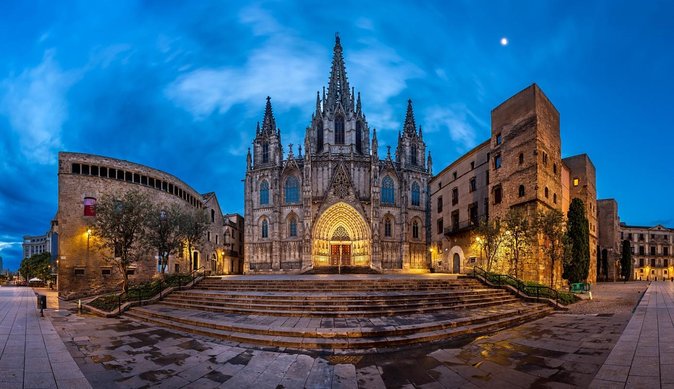
- Iconic local start at Placeta del Pi with cured meats, cheeses, and a classic potato dish
- History you can point to as you walk—Roman ruins, French influences, Columbus legacy, and 1992 Olympic references
- Bar La Plata’s long-running tavern identity (opened 1945) for truly old-school tapas culture
- Dietary flexibility with limits: vegetarian, pescatarian, gluten free (not celiac), dairy free, and non-alcoholic options are possible, but vegans aren’t recommended
Entering Barcelona’s Gothic Quarter with tapas as your compass
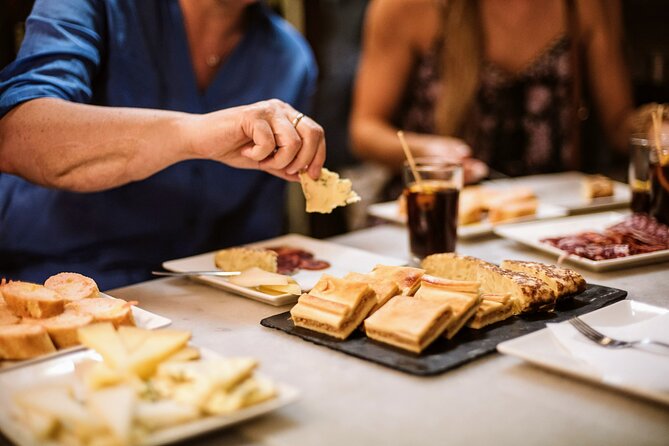
The best part of this tour is that you don’t just eat in Barcelona—you walk through the Gothic Quarter like it’s a living map. Narrow streets, stone corners, and little plazas make the city feel older than your phone photos. And because you’re stopping for tastings, you get a built-in reason to slow down and look.
What helps most is the structure. You move through the medieval lanes, then hit bars and taverns in a sequence that feels natural—like you’re being guided toward the next best thing, not rushed between checkpoints. In a place as packed as Barcelona’s old center, that’s a real quality-of-life upgrade.
You can also read our reviews of more tours and experiences in Barcelona.



Price and value: what $131.81 is buying you in real terms
At $131.81 per person for about 3 hours 30 minutes, you’re paying for two things: curated eating stops and guided pacing. Tours like this can feel pricey when the tastings are light—but this one is designed around the idea that you’ll eat enough for a full meal.
That matters in Barcelona. Tapas can be affordable, but it’s also easy to spend money and still end up hungry, especially if you’re ordering just one round and walking away. Here, the tour includes enough bites and drinks to cover the “we should probably find lunch/dinner after this” problem.
There’s also a pricing-to-experience bonus: you’re in a small group (up to 11). If you’ve ever been herded in a big group through tight bars, you know why that matters. Smaller groups mean less waiting, more conversation, and better odds your questions get answered where it counts.
AM vs PM: how the timing changes the feel
This tour runs in both an AM format and a PM format, and your experience shifts with it.
- Morning usually leans into a full lunch-style flow, with 3 tasting stops and 9+ tastes plus 4 drinks.
- Afternoon/evening is built as a full dinner, with 3 tasting stops, 10+ tastes, and 5 drinks.
If you want your night to start early with food and history, the AM option is a smart move. If your goal is to turn it into a true evening plan, the PM slot fits better—especially because cava and vermouth tend to feel more like an event once the city lights come on.
Your guide matters: famous names you might hear along the walk
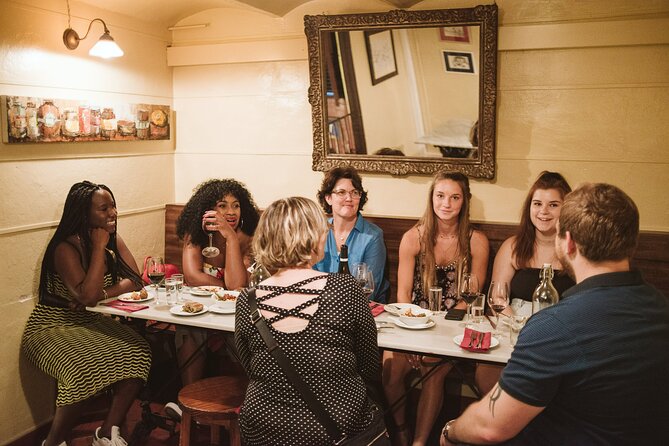
Guides on this route lean hard into storytelling, and the best ones do it without turning the whole thing into a lecture. Based on the guide names that show up for this tour, you could meet someone like Feliciano, Jordi, Alex, Alexandra, Luke, Erik, Ariana, Araina, Andrea, or Greg.
The common thread: people describe guides as fun, engaging, and good at blending city history with what you’re eating right now. One reason that works so well here is timing. You pass Roman clues and Gothic landmarks, then you sit down and taste food tied to Catalan and Spanish culture. It’s easier to remember because you’re not separating food from the place.
Also, guides often send you off with practical ideas after the tour—things worth seeing nearby—so you can keep your day rolling without guessing.
Placeta del Pi: where the tour starts with charcuterie and a classic potato dish
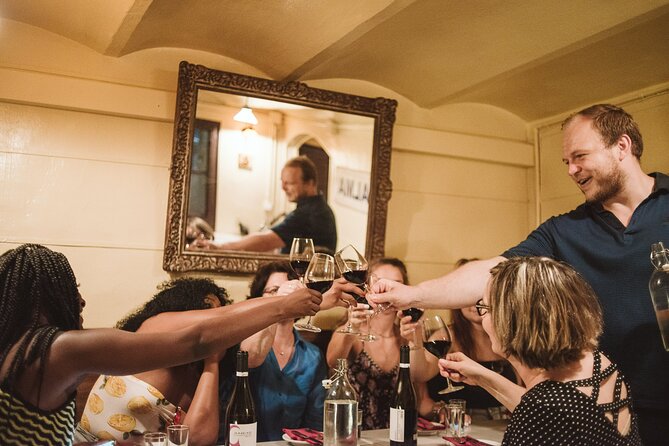
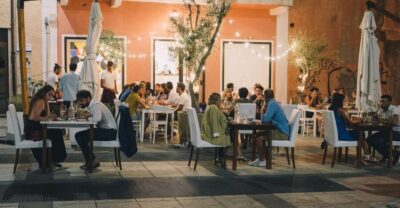
Your first stop sets expectations in the best way. You begin at Placeta del Pi, an iconic tapas bar that has served locals for decades. This is the moment where you start tasting Barcelona like a local: cured meats, cured cheeses, and pairings that can include sparkling and fortified-style wines.
You’ll also get a classic Spanish potato dish. That’s a smart choice for a first tasting because it instantly grounds you in what Spain does well: comfort food done with restraint and good ingredients. If you’re new to tapas culture, this is the fast track to understanding why the style works.
Practical note: spaces at tapas bars can be small and warm. Dress for that reality, not for Pinterest weather. If you’re sensitive to heat, plan to bring a light layer you can take off once you’re indoors.



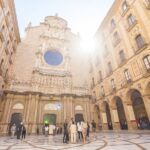
The walk between tastings: Roman ruins, French influence, Columbus, and 1992
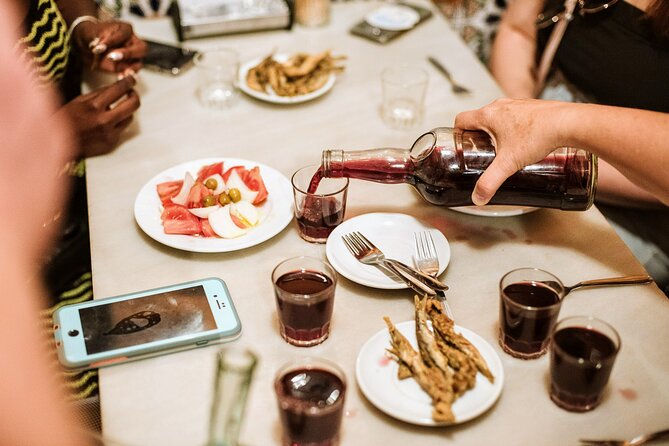
The walking portion isn’t random strolling. It’s where the guide pulls threads between centuries, and you can actually see why the stories land.
As you weave through the Gothic streets, you’ll pass:
- Roman ruins that sit inside a neighborhood people still live in
- hints of French influence that helped shape Barcelona over time
- references tied to Christopher Columbus
- and the legacy of the 1992 Olympics
This is one of the reasons the tour feels more memorable than a simple food route. You get context while your feet are moving. The result is that you’re not just eating tapas—you’re also learning how Barcelona layered cultures and eras onto the same streets.
One consideration: the walk is on old-city surfaces, and you’ll likely deal with uneven stones. It’s manageable for most people with moderate walking fitness, but it’s not “flip-flops and stroll.” Wear shoes with grip.
Bar La Plata since 1945: old-school tavern energy
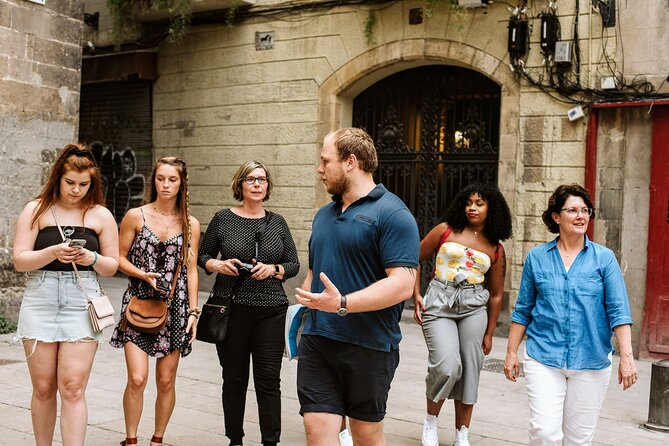
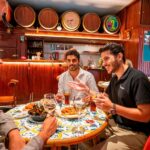
Next comes Bar La Plata, a tapas bar that opened in 1945. That’s a big deal in Barcelona, where food places often feel like they’ve always existed. The menu started with four tapas dishes and has been refined since—so you’re tasting things that grew up with regulars, not tourists.
The tour aims for simplicity and quality here: straightforward Spanish tapas made from strong ingredients. In other words, this isn’t tapas theater; it’s tapas that makes sense with a drink in hand.
In the menus you might see on this tour (depending on season), the food can include options like:
- beef cheeks braised in red wine
- fresh fish fried lightly in olive oil
- plus Catalan pairings such as Catalan wine, cava, and vermouth
That kind of variety is why this tour works even if you’ve eaten tapas before. You’re not just repeating the same two dishes; you’re tasting a broader slice of what Spanish bars actually serve.
The finale: a sit-down meal with classic Catalan comfort food
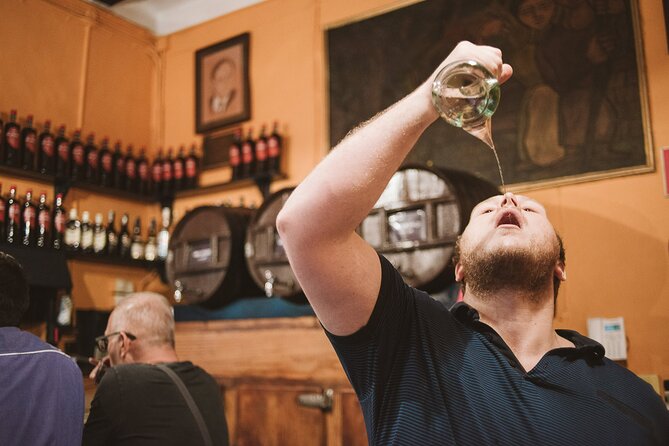
The last stop is where the experience stops feeling like a snack crawl and turns into a proper meal. You’ll have a sit-down tasting at a local spot that dates back to the early 20th century.
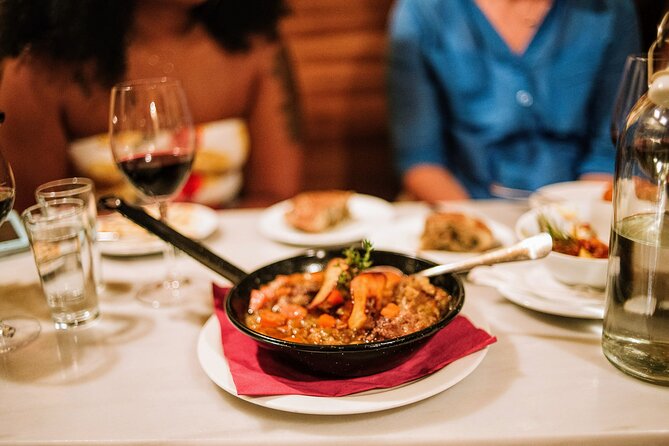
This part is built around classic Catalan dishes, and what you might taste can include:
- croquettes
- cannelloni
- and a traditional dessert to close things out
If you’ve ever done a tapas tour that leaves you wanting one more real dish, this is the fix. The earlier stops set you up, and then the final stop brings the comfort-food weight.
Also, this is where the pacing feels kindest. You’ve been walking and sampling for hours; now you sit, eat, and let the guide’s stories catch up with the food in front of you.
What you’ll drink (and why vermouth and cava show up)
This is a food-and-wine style tour with several local drink types. Depending on the slot and route, you can expect pairings such as:
- Catalan wine
- cava
- vermouth
and you may also see other fortified or sparkling options in the tasting rotation.
Because the tour includes drinks at every stop, it works best for people who enjoy tasting alcohol as part of Spanish culture—not just as a bonus. The vibe is basically: taste, talk, take another sip.
If you’re trying to minimize alcohol, the tour does note non-alcoholic options can be adapted. But the key point is still this: it’s not designed as a zero-alcohol tour. If you don’t drink, you’ll want to double-check what non-alcoholic replacements look like at each stop, because the food substitutions can be limited.
Dietary needs: good options, but not every dish can be swapped
The tour can be adapted for vegetarians, pescatarians, gluten free (not celiac), dairy free, non-alcoholic options, and pregnant women. That’s helpful, and it’s also realistic: many tapas bars aren’t set up for heavy-duty medical diets.
Two details you should keep in mind:
- there may not be a replacement food option at every stop
- vegans aren’t recommended
So if you’re vegan or strictly celiac, plan carefully. For gluten free, it’s specifically not celiac, which means you should still be clear with the operator about what you need before you go.
Walking logistics and comfort: small taverns, warm rooms, and the right shoes
This is a walking tour with moderate fitness requirements. The Gothic Quarter is old city: lots of walking, tight corners, and uneven stone underfoot.
A few comfort tips I’d use:
- wear comfortable shoes with grip
- dress for warm indoor spaces (bars can get hot and cramped)
- bring a light layer in case you’re moving between cool streets and warm taverns
Also, the meeting area is in the old pedestrian core, so it can be a little tricky to arrive right at the exact door by taxi. Build in a short walk from the nearest practical street.
The group size and the pacing: why it feels personal
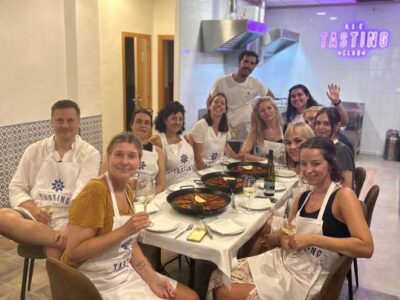
With a maximum of 11 travelers, this tour has a better chance of feeling like a conversation instead of a conveyor belt. Many stops are small, so group size affects everything: table space, how long it takes to get served, and whether you can ask the guide a question without losing the flow.
The time balance also matters. When you’re spending time at three tapas bars plus a sit-down finale, you’re not doing the “10 minutes of tasting, 20 minutes of waiting” math that can ruin tours.
Still, if you’re the type who hates walking, this one demands a decent stride. It’s not a sit-and-smile cruise. It’s a stroll with stops that actually take time.
Should you book the Barcelona Gothic Quarter Tapas & Taverns Tour?
If you want an authentic-feeling Barcelona evening built around tapas culture, local drinks, and a guided walk through the Gothic Quarter’s layered past, this tour is a strong pick. It’s especially good for couples and small groups who want a plan that ends with you full and satisfied—not still hunting for dinner after the tour.
I’d skip or rethink it if either of these applies:
- you don’t drink alcohol and you were hoping for a mostly non-alcohol version
- you have a low tolerance for walking on uneven old-city streets and warm, compact taverns
For most people, though, this hits the sweet spot: food that fills you, history you can see, and a guide-driven flow through one of Barcelona’s most atmospheric neighborhoods.
FAQ
How long is the Barcelona Gothic Quarter tapas and taverns tour?
The tour is about 3 hours 30 minutes.
How much does the tour cost?
The price listed is $131.81 per person.
What’s included on the AM tour?
The AM tour includes 3 tasting stops, 9+ tastes, and 4 drinks, and the food amount is enough for a full lunch.
What’s included on the PM tour?
The PM tour includes 3 tasting stops, 10+ tastes, and 5 drinks, and the food amount is enough for a full dinner.
What language is the tour offered in?
The tour is offered in English.
Is the tour suitable for people who don’t drink alcohol?
The tour focuses on alcoholic drinks and is not recommended for those who do not drink alcohol.
Can the tour accommodate dietary restrictions?
It’s adaptable for vegetarians, pescatarians, gluten free (not celiac), dairy free, non-alcoholic options, and pregnant women. Vegans are not recommended, and you may not have a replacement food option at every stop.
What is the group size?
The maximum group size is 11 travelers.
Where does the tour start and end?
It starts at Palau de la Balmesiana on Carrer de Duran i Bas, 11, 9, Ciutat Vella, Barcelona, and ends at Plaça de Sant Jaume (Pl. de Sant Jaume, Ciutat Vella).