REVIEW · BARCELONA
Barcelona Food Tour: Tapas, Drinks and Delights with a Local
Book on Viator →Operated by Do Eat Better Experience · Bookable on Viator
Hunger meets history in the Gothic Quarter. This small-group tapas-and-drinks walk takes you through iconic streets and side lanes where you can learn what you’re eating, why it tastes the way it does, and how locals turn a simple drink into a proper ritual, or vermuteo.
I love that you get a real sequence of stops built around Catalan classics, from croquetas to fried anchovies, instead of a random parade of bites. I also love the finish, with Crema Catalana (and, on evening departures, turrón-style ice cream) that makes the whole evening feel complete. One thing to consider: the exact tastings can shift with season and what partner bars are able to serve, so stay flexible if you’re hunting for one specific dish.
In This Review
- Key highlights to look for
- Why this Gothic Quarter tapas route feels different
- Entering the Barri Gòtic: vermuteo and an expert-guided first taste
- Carrer de la Mercè: one of the oldest tapas bars in Barcelona
- Carrer del Regomir: pan con tomate, pimientos del padron, and tortilla with cava
- Plaça de Sant Josep Oriol: pintxos in the quiet lane behind the big landmark
- Plaça de Sant Jaume: Crema Catalana and the turrón ice cream finish
- Price and what you’re really paying for
- Drinks included: vermut, wine, cava, and alcohol rules you should know
- Getting the most out of the tour without overdoing it
- Who should book this tapas walk (and who should skip)
- Should you book this Gothic Quarter tapas tour?
- FAQ
- How long is the Barcelona Food Tour?
- How much does the tour cost?
- What food and drinks are included?
- Is alcohol included, and is there an age limit?
- Are vegetarian options available?
- Can the tour accommodate dietary restrictions?
- Where do I meet and where does the tour end?
- What language is the tour in?
- Is the tour affected by weather?
Key highlights to look for
- Small group (max 12) keeps the pace easy and questions welcome.
- At least 4 food stops plus the equivalent of a full meal by the end.
- Vermuteo, local wine, and cava are paired with tapas, not just poured on the side.
- Old-school bars in the Gothic Quarter include places you’d likely miss on your own.
- Dessert lovers get the spotlight, from Crema Catalana to ice cream with local ingredients like turrón.
Why this Gothic Quarter tapas route feels different
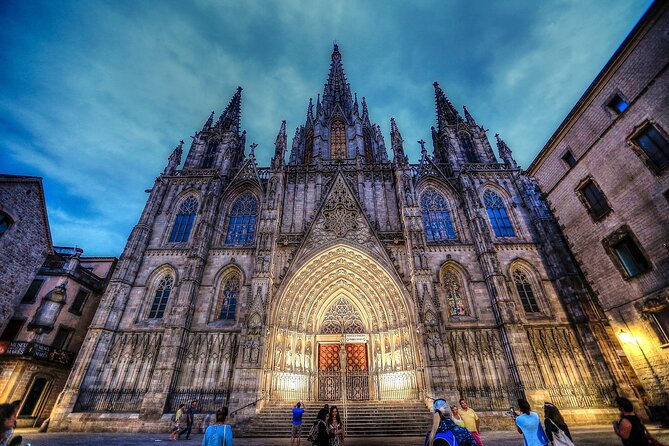
If you’ve ever landed in Barcelona and felt overwhelmed by choices, this tour is a shortcut to confidence. You start in Plaça de l’Àngel, then spend about 3 hours 30 minutes walking through the maze of the Gothic Quarter with a local food expert. It’s not just eating. It’s learning how the local rhythm works: small plates, shared drinks, and a slow stroll through history-marked streets.
The other big reason I like it is the structure. You’re not wandering for hours guessing where to go. The stops are spaced out (30 minutes, then 45, then 60, then 45, then 30), which gives you time to actually taste and talk. And since the group is kept to 12 people or fewer, you’re more likely to get back-and-forth conversation than a headset tour that feels like background noise.
Price-wise, it’s $65.33 per person with water and an alcohol selection included in a fixed amount (for ages 18+). That sounds simple until you look closer: you’re paying for multiple tastings across several venues plus guided food context. Also, the tour tends to fill up in advance (it’s commonly booked about 54 days ahead), so if you want a specific date, plan early.
You can also read our reviews of more tours and experiences in Barcelona.



Entering the Barri Gòtic: vermuteo and an expert-guided first taste
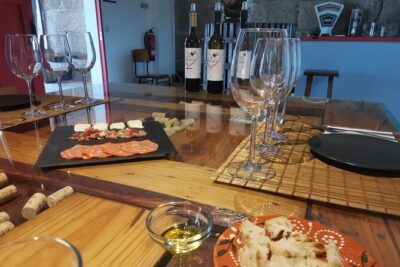
Your first stop centers on Barri Gòtic (Gothic Quarter), where the vibe is all about that slow, social pre-dinner mindset. You’ll get a taste of the local ritual called vermuteo, which is essentially drinking vermut—wine flavored with herbs—alongside classic tapas.
Why I think this works so well at the start: it sets the taste map for the rest of the walk. When you understand what vermut tastes like and how locals treat it as part of the meal, the later pairings (wine and cava) feel logical instead of random.
What you’ll eat here can change with the season and what’s available at the partner spots, but you can expect Spanish and Catalan staples. You’ll also get a dessert described as one of the earliest documented desserts. That matters because it’s not just a sweet finish. It’s a little cultural history lesson you can taste.
Practical note: this is a walking tour with moderate fitness level. Wear shoes that can handle uneven medieval stone and tight turns. You’ll appreciate it.
Carrer de la Mercè: one of the oldest tapas bars in Barcelona
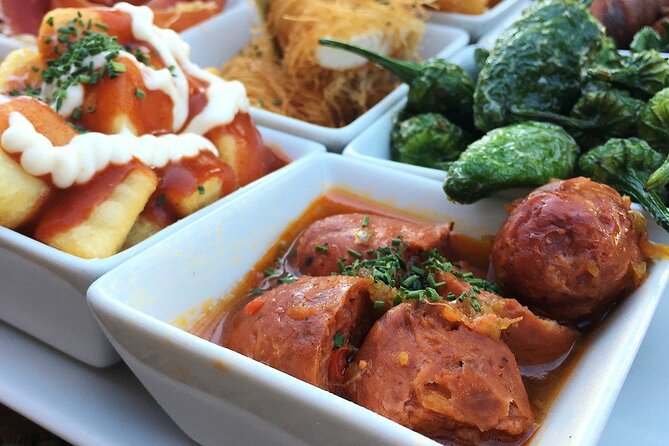
Next you head to Carrer de la Mercè, near the basilica of the same name (dating back to the 1600s). The route is designed to give you quick context as you walk—what you’re seeing and how the neighborhood developed—without making the food part feel secondary.
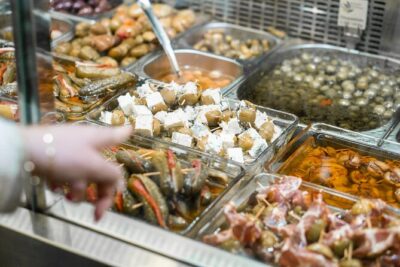
Here you visit one of the oldest tapas bars still running in Barcelona. The pairing is straightforward and classic: a glass of local wine with tapas that include items like:
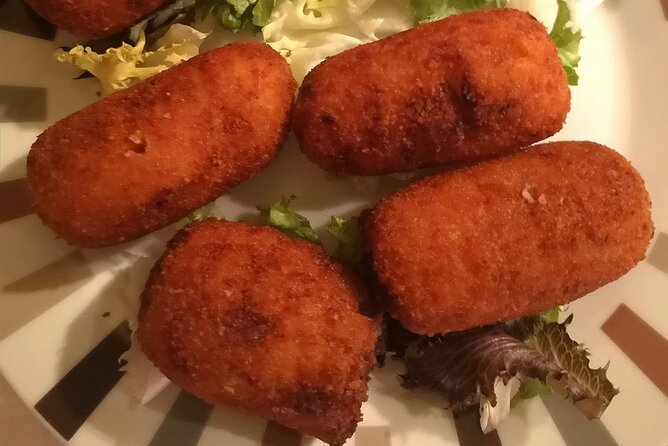
- fried anchovies
- tomato salad
- pincho de botifarra
- and pan con tomate topped with sausage (a very Catalan way to start tasting with bread-based comfort)
This stop is a good example of why a guided route beats self-guided wandering. You’re getting a proven combination—wine plus salty, briny plates—without needing to read a menu in a hurry while trying to look like you know what you’re doing.
If you don’t love fish, keep an open mind anyway. The anchovies here are typically presented as a crunchy, flavorful first introduction, not a heavy fish course.
Carrer del Regomir: pan con tomate, pimientos del padron, and tortilla with cava
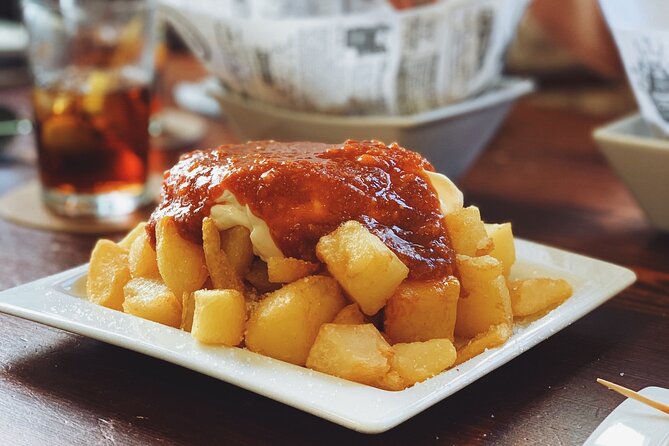
Then it’s on to Carrer del Regomir, where the tasting leans into Catalonia’s “simple but perfect” formula: bread, vegetables, and comfort food, all paired with a drink that fits the flavors.
You’ll see a repeat star here: pan con tomate—freshly baked bread with a tomato spread. It’s the kind of dish that feels everyday until you taste how good bread and tomato can be when they’re treated with respect.
Alongside that, you’ll also likely try:
- pimientos del padron (small green peppers, fried and salted with plenty of olive oil)
- potato tortilla (Spain’s potato omelet, adaptable as starter, side, or main)
And the drink pairing at this stage is cava, the Spanish sparkling wine often associated with celebrations. The cava helps cut through the richness of tortilla and frying, so your next bite doesn’t feel heavy.
One heads-up: pimientos del padron are usually a mix of mild peppers with a few surprises that can be spicy. If you’re sensitive to heat, tell your guide during the tour so they can guide your order and portion balance.
Plaça de Sant Josep Oriol: pintxos in the quiet lane behind the big landmark
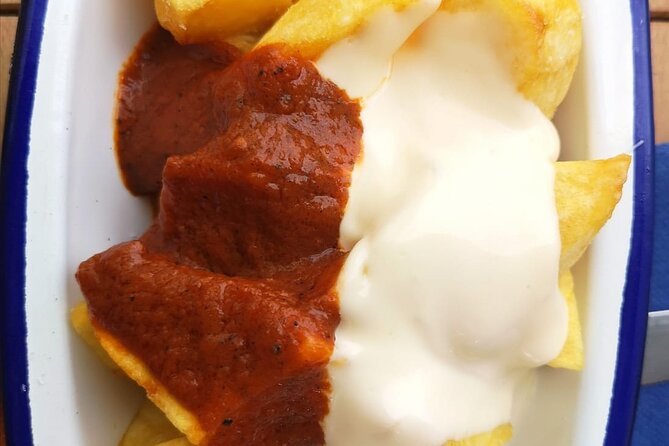
The fourth stop lands at Plaça de Sant Josep Oriol, a smaller square tucked behind the more famous Basilica de Santa Maria del Pi. That’s your clue that the tour is steering you away from only the postcard spots and toward the street-level Barcelona that most people don’t plan for.
If your departure hits the weekend, you might catch an artists’ market and, if you’re lucky, people painting en plein air. Even if you don’t, the square works as a breather—less sprinting, more looking up at stonework and taking in how the neighborhood breathes.
From there, you’ll go into a tapas bar nearby for pintxos, which are bite-size snacks often anchored by bread, skewers, or small plates. This is the “taste your way into local favorites” moment. Instead of eating the same style in every stop, this brings texture and variety.



Plaça de Sant Jaume: Crema Catalana and the turrón ice cream finish
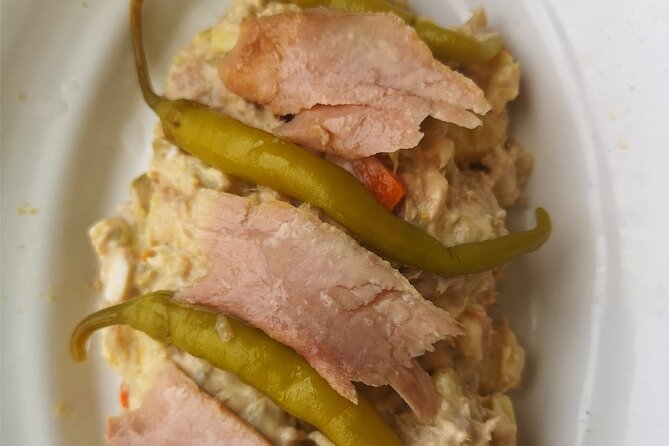
Finally, you arrive at Plaça de Sant Jaume, the administrative core of Barcelona. You’ll admire key buildings like Barcelona City Hall and headquarters of Catalan government from the outside. Then the tour turns sweet.
One of the oldest bakery shops in Barcelona is part of this stop, and you’ll taste Crema Catalana. This is listed as lunch only, so depending on your departure time, you may find the emphasis shifts toward the evening sweet.
In the evening version of the tour, you’ll enjoy handmade ice cream flavored with local ingredients, including turrón. That ending detail matters because it ties your dessert back to Catalonia instead of ending with something generic.
If dessert is the reason you book tours, this is the kind of itinerary that doesn’t treat sweets as an afterthought. You get a proper ending to balance the savory snacks and alcohol pairings.
Price and what you’re really paying for
At $65.33 for about 3 hours 30 minutes, the value comes from the number of venues and the drink-and-tasting format.
Here’s what’s included:
- At least 4 food stops around the Gothic Quarter
- an end-of-tour meal amount described as the equivalent of a full meal
- alcoholic beverages in a fixed amount for those over 18
- water
- an English-speaking local tour guide
You’re also told that tastings may change based on season and partner availability. That’s not a flaw so much as a reality check of how real food programs work in a city with constant demand.
Where this becomes a bargain in practice: if you try to copy the route yourself, you’ll still need several stops plus drinks, and you’ll spend time hunting down places that match what you like. Paying for a guide can save you both money and decision fatigue.
Drinks included: vermut, wine, cava, and alcohol rules you should know
Alcohol is part of the experience, but it’s handled with clear rules. Minimum drinking age is 18, and the tour offers non-alcoholic options. That means you can still participate if you don’t want the alcohol portion, as long as you plan for that preference in advance.
The drink lineup you should expect during the walk includes:
- vermut during the vermuteo moment
- local wine at the old tapas bar
- cava during the later food stops
Because the drinks are in a fixed amount, you’re less likely to end up paying extra everywhere. You still get the fun side of Barcelona’s drinking culture without the chaos of constantly recalculating your budget.
Getting the most out of the tour without overdoing it
This tour is built on small plates, but it adds up. By the end, you’ll have eaten the equivalent of a full meal. So I’d plan your day around it:
- Don’t schedule a heavy dinner immediately after; you’ll probably want something lighter.
- If you know you’re sensitive to fried foods, tell your guide so they can help balance your portions.
- If you’re vegetarian, there are vegetarian options, but it’s smart to flag it before booking rather than hoping day-of.
Also, the guide may speak English and Spanish during the tour. You don’t need Spanish for the experience, but it helps to know the guide might switch languages at times while answering questions.
For photos: the Gothic Quarter is great for them, but the tour pace means you’ll be moving often. Focus on capturing key stops, not every step.
Who should book this tapas walk (and who should skip)
I’d book this if you want:
- a guided path through the Gothic Quarter without spending hours deciding
- several Catalan and Spanish classics in one evening
- a drinks-and-food format where the pairings make sense
- a group size that stays personal (max 12)
I’d think twice if:
- you have severe or life-threatening food allergies. This experience can’t accommodate those.
- you hate walking. The tour is described as moderate physical fitness, so you should be comfortable with a steady stroll on uneven streets.
- you want total control over exactly what you eat. Tastings can change with season and availability, so you’ll get the tour’s best plan rather than a fixed menu you control like a restaurant reservation.
Should you book this Gothic Quarter tapas tour?
Yes, if you’re aiming to get your bearings in Barcelona while eating a smart variety of Catalan classics. The combination of multiple tastings, alcohol pairings (with non-alcoholic options), and a tight route through Barri Gòtic makes it a practical way to turn a touristy neighborhood into something you actually understand.
If you’re the type who prefers picking every stop yourself, then you might find it more structured than you like. But for most people, this hits the sweet spot: guided enough to remove guesswork, flexible enough to feel local, and tasty enough that the time on foot feels worth it.
FAQ
How long is the Barcelona Food Tour?
It runs for approximately 3 hours 30 minutes.
How much does the tour cost?
The price is $65.33 per person.
What food and drinks are included?
You’ll have at least 4 food stops around the Gothic Quarter, plus enough to equal a full meal by the end. Alcoholic beverages are included in a fixed amount for those over 18, and water is included.
Is alcohol included, and is there an age limit?
Alcoholic drinks are included for customers over 18 years old. Non-alcoholic options are available.
Are vegetarian options available?
Yes, vegetarian options are available.
Can the tour accommodate dietary restrictions?
You should inform the operator of any dietary restriction before booking. However, guests with severe or life-threatening food allergies cannot participate.
Where do I meet and where does the tour end?
The meeting point is Plaça de l’Àngel in Ciutat Vella. The tour ends on Carrer de Jaume I in Ciutat Vella, and the exact end point may change slightly depending on partner availability.
What language is the tour in?
The tour is offered in English. The guide may speak both English and Spanish during the experience.
Is the tour affected by weather?
Yes. The experience requires good weather. If it’s canceled due to poor weather, you’ll be offered a different date or a full refund.