Barcelona tastes better when you walk it. This 3-hour, small-group food tour strings together Santa Caterina Market classics, old-neighborhood history in El Born, and a proper seafood paella lunch without making you plan anything. You’ll eat your way through 7 spots run by local families, with tastings designed to land like a full meal.
I love the hands-on start at the market, where olives, cheese, and cured meats feel like the real Barcelona basics instead of tourist samples. I also love that the final paella stops at a historic eatery in the fishermen area, with seafood paella made from seasonal ingredients and paired with local wine. One thing to consider: this is a walking tour at a moderate pace, and one or two tastings can be short because the stops are real working businesses.
In This Review
- Key highlights to look for
- Why this 3-hour Barcelona food walk is such good value
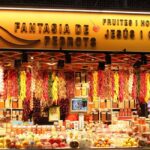
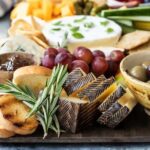
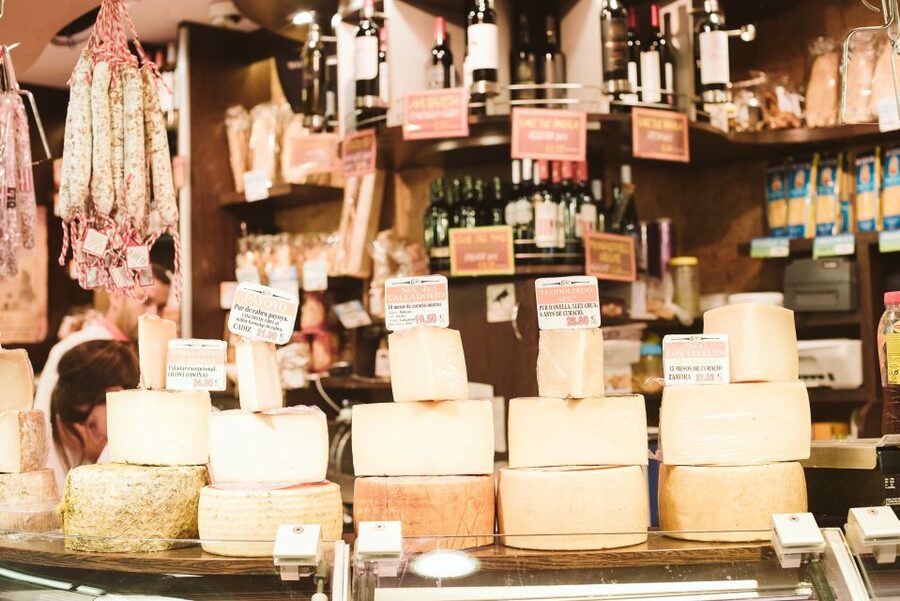
- Santa Caterina Market: olives, cheese, jamón, and family know-how
- El Born and the walking history that helps you read the city
- Brunells bakery stop: croissants you’ll actually care about
- Torrons i dolços La Campana: Catalan sweets with real personality
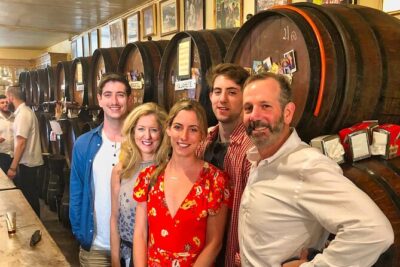
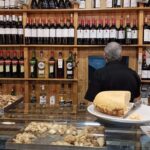
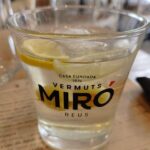
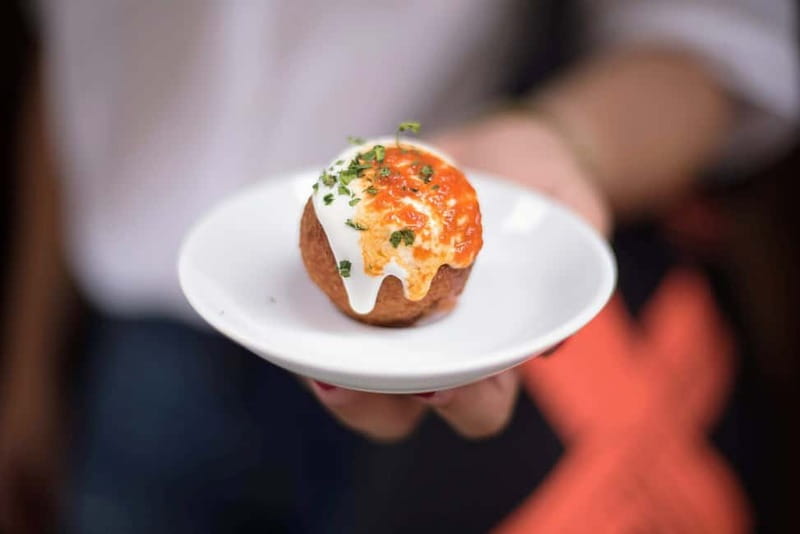
- Bodega La Peninsular and the bomba + vermouth moment
- Can Ramonet paella: seafood lunch in a former 18th-century winery
- What you actually get for $105 (and where the value shows)
- Group size, walking pace, and how to prep so you enjoy it
- Which Barcelona visitor should book this (and who should skip it)
- Should you book the Barcelona Hidden Markets, Tapas & Paella Food Tour?
- FAQ
- How long is the Barcelona food tour?
- Where does the tour start and end?
- How many people are in the group?
- What food and drink is included?
- Can the tour accommodate vegetarians, pescatarians, or gluten-free diets?
- Is the tour suitable for vegans or for celiac needs?
- Is the tour wheelchair or stroller friendly?
Key highlights to look for
- Santa Caterina Market tastings that feel local: olives, cheeses, and cured meats, including jamón ibérico
- 7 family-run stops for a full meal: 12+ samples plus 3 local drinks
- El Born + Barceloneta on foot: medieval lanes paired with practical context
- Aperitif lesson in La Barceloneta: vermouth and the bomba tapa
- Paella at Can Ramonet: seafood-centric lunch from a historic setting in the fishermen area
- Max nine people: enough space to hear the guide and keep the pace friendly
Why this 3-hour Barcelona food walk is such good value
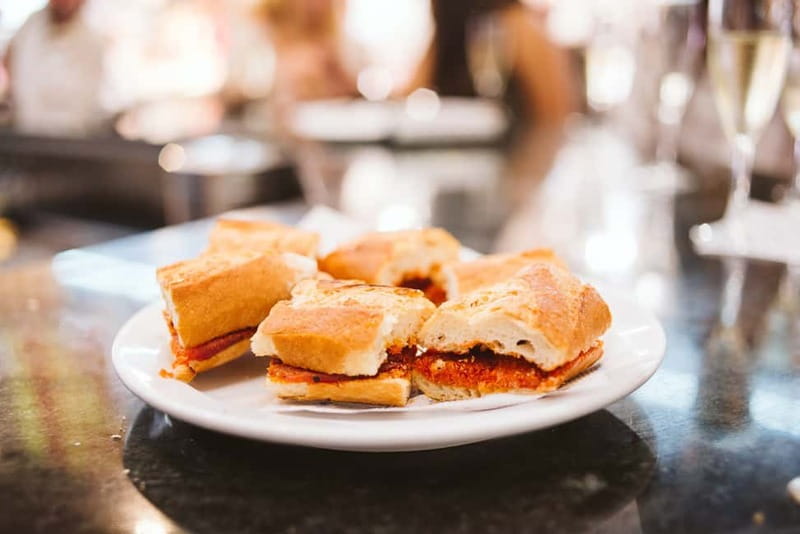
Barcelona food tours can either be light on food or heavy on marching. This one does a nice job of balancing both. You get 7 tasting stops, 12+ samples, and 3 different drinks inside a 3-hour window, and the tour covers what you’d normally think of as breakfast plus lunch.
At $105 per person, the value is in the structure. You’re paying for someone to lead you to spots that locals actually use, then translate what you’re eating and seeing. Instead of guessing what jamón to buy or how to order a Catalan-style aperitif, you’re guided through it step by step.
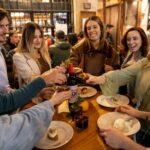
The tour also stays small (up to 9 people), which matters more than most people expect. In a crowded group, food disappears fast and stories get lost. Here, you can hear the guide, ask questions, and still eat without feeling like you’re in a race.
You can also read our reviews of more tours and experiences in Barcelona.

Santa Caterina Market: olives, cheese, jamón, and family know-how
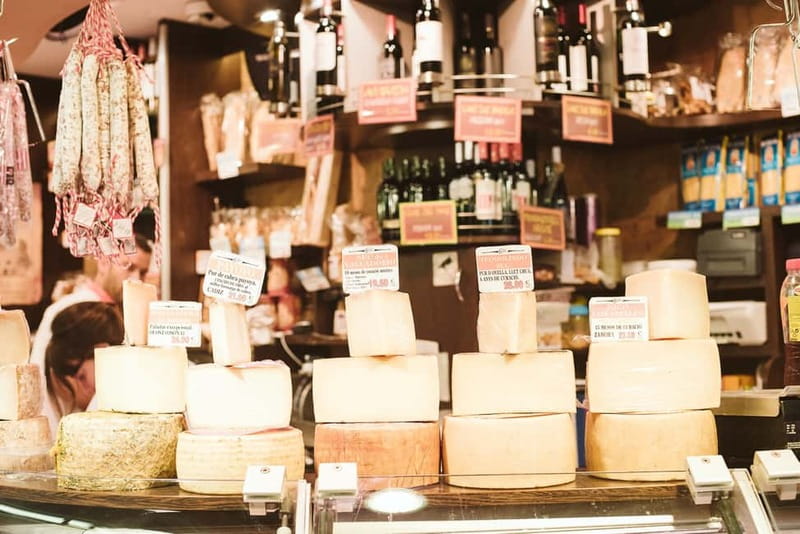
The tour starts at the main entrance of Mercado de Santa Caterina, and that choice pays off. Markets in Barcelona aren’t just pretty stalls. They’re where quality comes first, and families do business the same way for decades.
You spend about an hour here, working through tastings like:
- specialty olives
- Spanish cheeses
- cured meats, including jamón ibérico
What makes this stop special is the feel of continuity. Stalls are kept within families for generations, and the guide uses that to explain what quality looks like before you taste it. It’s a smart way to train your palate, so when you later see a similar product on a shelf, you know what you’re looking at.
Practical tip: arrive ready to eat. If you show up with a full stomach, you’ll rush through the tastings like a tourist on autopilot. Bring water and wear shoes you can keep on for a few hours.
El Born and the walking history that helps you read the city

After the market, you head into the older, story-rich parts of town on foot. El Born can look like it’s all trendy bars and design shops, but the neighborhood still shows layers of medieval Barcelona if you know what to notice.
This is where the tour earns its keep beyond food. As you move through narrow streets, your expert guide puts what you see into context—why the area looks like it does, how its character shaped everyday life, and how that history shows up in the food culture around you.
I like walking tours that don’t turn into a museum lecture. This one stays tied to what you’re eating and where you’re going next, so you end up with a sense of the city, not just a list of facts.
Brunells bakery stop: croissants you’ll actually care about
Next comes Brunells, a classic bakery stop with a lot of local reputation behind it. The bakery dates back to the mid-19th century, which means you’re not just tasting pastries—you’re tasting a tradition.
You’re in for tastings that include:
- their widely regarded croissants
- an extra look at a specialty shop that’s among the last in existence
There’s a simple reason I love stops like this on food tours: pastry is where Barcelona’s identity can feel surprisingly specific. Even if you’ve eaten croissants before, the point here isn’t novelty. It’s learning what people mean when they say theirs are the best.
Drawback to keep in mind: these bakery stops are short. The goal isn’t a leisurely coffee-and-read session. It’s taste, explain, move on.
Torrons i dolços La Campana: Catalan sweets with real personality
After pastry, the route shifts toward the candy side of Catalonia at Torrons i dolços La Campana. Expect a tasting focused on local sweets—think turrón and other Catalan-style confections in the familiar shop setting where people come back for favorites.
This is a good stop for two reasons:
- It breaks the salty rhythm from the market and meat tastings.
- It shows how local sweets aren’t random sugar. They’re tied to seasonal habits and shopping traditions.
Time-wise, it’s about 15 minutes. So, don’t treat it like a full dessert meal. Treat it like a sampler that helps you understand what to look for after the tour when you’re browsing shops on your own.



Bodega La Peninsular and the bomba + vermouth moment
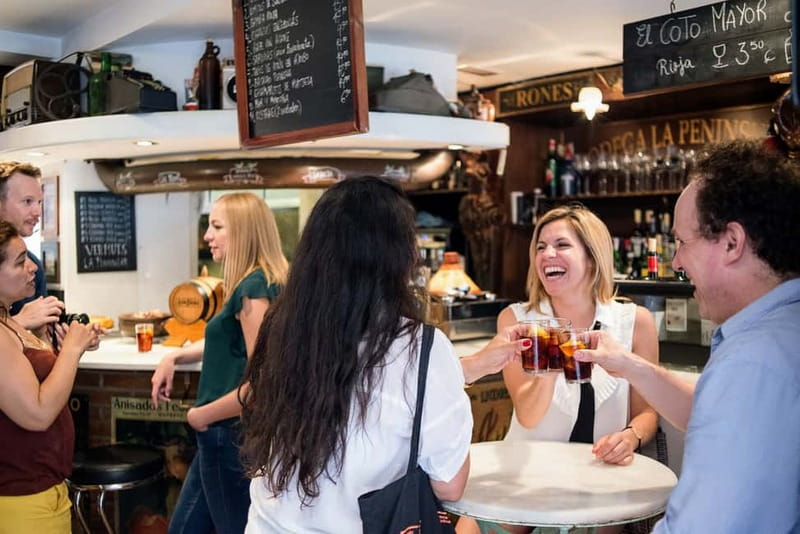
La Barceloneta is where Barcelona’s seafood energy and everyday street life meet. Your stop at Bodega La Peninsular turns the spotlight to aperitif culture—specifically vermouth and a tapa called bomba.
You’ll get:
- a glass of vermouth
- the bomba tapa tasting
The tour also frames the neighborhood’s relationship to the aperitif. And yes, Barceloneta is considered the birthplace of the bomba, so this is one of those moments where you finally taste the thing you’ve heard about in passing.
One small reality check: because these are working bodegas and restaurants, your tasting experience can be tightly timed. One of the stops has the potential to feel a little rushed near business hours, simply because the place is about to open to the public. That doesn’t ruin the tour, but it’s good to know if you like to linger.
Can Ramonet paella: seafood lunch in a former 18th-century winery
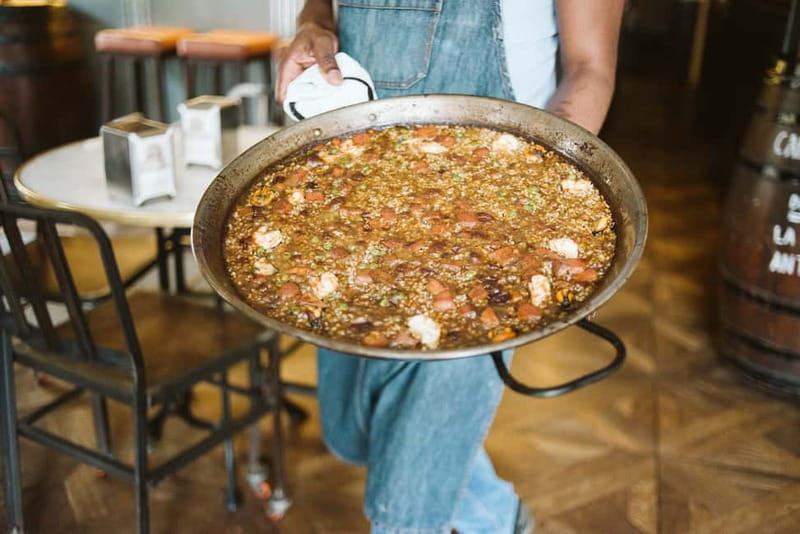
The final stop is the meal you’ve been walking toward: Restaurante Can Ramonet | Paella y Marisco en la Barceloneta. This place has an especially satisfying backstory. It’s set in a historic eatery that was formerly an 18th-century winery, and it’s located in the fishermen’s district—one of the reasons the food leans so hard into seafood.
Here’s what you can expect from the paella portion:
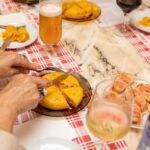
- a traditional Spanish meal focused on seafood paella
- seasonal ingredients used in the dish
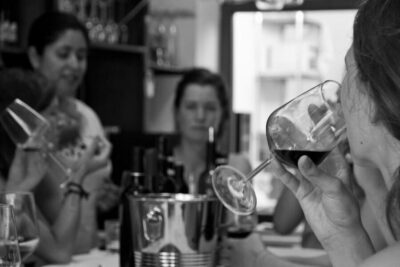
- pairing with a local wine
- about 50 minutes to eat
Why this matters: seafood paella isn’t just about having rice and seafood on the same plate. The tour’s setup makes it feel like part of a bigger Barcelona story—from market ingredients to neighborhood life to the final lunch.
If you only do one sit-down food stop during your Barcelona trip, make it this. It’s the part that feels like closure: you taste, you connect the dots, then you eat something that would be hard to replicate at home.
What you actually get for $105 (and where the value shows)
This tour doesn’t nickel-and-dime you with extra fees for each tasting. Included items are built into the experience:
- local English-speaking guide
- 7 tasting stops
- 12+ samples
- 3 different local drinks
- a Barcelona food guide
And it covers breakfast and lunch, which is a hidden value for travelers with limited time. You’re not just buying snacks. You’re getting multiple tastings plus drinks, then finishing with paella and wine.
What’s not included: entrance tickets to monuments or sites. For this tour, you’re not being asked to buy museum tickets. The focus stays on food and walkable neighborhoods.
The overall pace is also part of the value. At 3 hours, it’s long enough to feel like a real experience, but short enough to fit into a first or second day in Barcelona without dragging the rest of your plans down.
Group size, walking pace, and how to prep so you enjoy it
This is a walking tour with a moderate pace. It’s limited to a small group of max nine participants, which keeps it friendly and makes the guide’s stories easier to hear.
Wear comfortable shoes. You’ll be on your feet through markets and tight streets. Bring water, especially if you’re doing it in warmer months.
If you’re traveling with mobility constraints, plan carefully. The tour is not suitable for guests with mobility impairments or for wheelchairs or strollers. That’s not a small detail—this route includes uneven, real-world sidewalk conditions and working food spaces.
Diet changes are possible, but they’re not magic. The tour is adaptable for:
- vegetarians
- pescatarians
- gluten free (not celiac)
- non-alcoholic options
- pregnant women
What matters: you may not have a replacement food option at every stop. And if you’re vegan, it’s not recommended. If you have gluten intolerance, it’s also not recommended.
Which Barcelona visitor should book this (and who should skip it)
This tour is a smart fit if:
- you want to eat a lot without planning each stop
- you like markets, bakeries, and small neighborhood businesses
- you want history tied directly to what you’re tasting
- you’re short on time and want breakfast + lunch handled in 3 hours
You might skip it if:
- you need wheelchair or stroller access
- you’re vegan or require strict gluten-free for celiac needs
- you hate walking and prefer a fully seated experience
One more note that can help your decision: if you’re arriving in Barcelona and want a fast way to learn how food culture works—market quality, aperitif habits, and how paella is approached—this tour gives you a framework you can use after it ends.
Should you book the Barcelona Hidden Markets, Tapas & Paella Food Tour?
Yes, I’d book it if you want a high-food, small-group route that shows Barcelona through what people actually buy and eat. The market start at Santa Caterina is a strong anchor, and the paella finish at Can Ramonet gives you a true lunch payoff with a historic setting.
Just be honest about your limits. It’s built for walking and it’s built for tastings, not for long sit-down pauses at every stop. If that fits your style—and your diet needs match what they can adapt—this is the kind of tour that leaves you full, educated, and ready to order with confidence the rest of your trip.
FAQ
How long is the Barcelona food tour?
It lasts 3 hours. The tour includes tastings that cover breakfast and lunch.
Where does the tour start and end?
You meet at the main entrance of Mercado de Santa Caterina on Av. de Francesc Cambó, 16, 08003 Barcelona. The tour finishes at Mercat de la Barceloneta.
How many people are in the group?
The group is limited to a small size, with a maximum of 9 participants.
What food and drink is included?
You’ll have 7 tasting stops with 12+ samples and 3 different local drinks. The tour includes tastings at market stalls and local food businesses, plus paella and local wine at the final meal.
Can the tour accommodate vegetarians, pescatarians, or gluten-free diets?
It is adaptable for vegetarians, pescatarians, and gluten free options that are not celiac. It can also offer non-alcoholic options and accommodate pregnant women. Replacement food may not be available at every stop.
Is the tour suitable for vegans or for celiac needs?
It is not recommended for vegans. It is also not suitable for guests with gluten intolerance, and the gluten-free option is not for celiac.
Is the tour wheelchair or stroller friendly?
No. It is not suitable for guests with mobility impairments and it’s not suitable for wheelchairs or strollers. It is a walking tour at a moderate pace.