REVIEW · BARCELONA
History and culture with tapas dinner
Book on Viator →Operated by Ferran Pàmies Flack · Bookable on Viator
History tastes better with tapas. This 3.5-hour stroll in Barcelona’s old town pairs tapas dinner and drinks with stories that stretch from Roman conquests to today’s Catalan independence movement.
I also love how it mixes real landmarks with real food: you pause at three of the city’s most-loved churches, then keep moving through the Gothic Quarter with local secrets from Ferran Pàmies Flack. One possible drawback to plan around: admission for two church stops is not included, and the tour needs good weather to run smoothly.
In This Review
- Key takeaways before you go
- Why this tapas-and-history walk works so well early on
- The walk route: three beloved churches in one logical story
- Stop 1: Santa Maria del Mar and the feeling of locals building by hand
- Stop 2: Barcelona Cathedral inside-out contrast, with free entry
- Stop 3: Santa Maria del Pi, where the rose window is the clue
- Tapas dinner and drinks: included value you’ll feel
- Ferran Pàmies Flack as the engine: humor, local secrets, and the human touch
- Price and timing: what you’re paying for and what you get back
- Practical logistics: how to set yourself up for an easy afternoon
- What to consider: ticket gaps and the rare no-show concern
- Who should book this tapas dinner and history tour?
- Should you book it or skip it?
- FAQ
- How long is the tour?
- Where does the tour start and end?
- What does the tapas dinner include?
- Do I need admission tickets for the churches?
- What is the group size?
- What history topics will the guide cover?
- Is this tour good for first-time visitors to Barcelona?
- Is the tour weather dependent?
- Is there a cancellation window for a full refund?
Key takeaways before you go
- A small group (max 9) means you can ask questions and actually hear the story, not just survive the walk.
- Three church stops give you a quick architecture and history timeline in the same afternoon.
- Roman, Arab, medieval, and modern politics are all part of the narrative while you eat and drink.
- Snacks, alcoholic beverages, dinner, and bottled water are included, so you’re not doing extra budgeting mid-tour.
- You’ll get food and exploration recommendations from the guide for the rest of your Barcelona stay.
Why this tapas-and-history walk works so well early on
If your first days in Barcelona feel like blur—crowds, maps, and too many churches—this kind of tour is a reset button. You get a guided route through central, walkable areas, then you add tapas and drinks so the history doesn’t feel like homework. The best part is the pacing: you’re not stuck listening the whole time, and you’re not eating without a story either.
I like that it’s designed for understanding the city fast. The guide connects big periods—Roman conquests, Arab invasions, pacts between medieval kings, and the current Catalan independence movement—while you’re in front of buildings that still shape how people move through the streets. It’s history with a pulse, not a lecture hall.
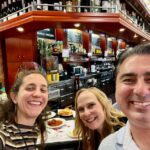
And because the group is capped at nine people, the vibe stays friendly. That matters when you want practical advice, not just facts fired at you.
You can also read our reviews of more tours and experiences in Barcelona.



The walk route: three beloved churches in one logical story
This experience is built around three stops in Barcelona’s historic core. You’ll see them in a way that helps you read the city: what came before, what changed, and why locals still care. Even if you’re not a church-architecture person, you’ll likely come away with at least a few details you can point to on your own later.
There’s also a simple benefit to the structure. Instead of bouncing between far-apart sights, you get a concentrated route. It’s easier on your feet, and it keeps the afternoon flowing so your dinner moment lands naturally—not like a random detour.
Here’s the route in plain terms:
- Start near Via Laietana at the post box landmark.
- Walk through the old city’s major church areas.
- Finish near Plaça de Sant Jaume.
Stop 1: Santa Maria del Mar and the feeling of locals building by hand
You begin at the Basilica de Santa Maria del Mar. This isn’t framed as some distant museum stop. It’s presented as a cathedral many locals love because their ancestors built it by hand during extremely difficult times. That local connection changes how you look at the building. You’re not just admiring stone; you’re seeing a place shaped by ordinary effort, not royal comfort.
Timing is tight but focused—about ten minutes. That’s good if you’re traveling with limited stamina. You’ll get enough orientation to understand why it matters, without getting stuck inside for ages.
A practical note: admission is not included for this stop. So if you want to plan with confidence, be ready that you may need to pay an entry ticket here before you fully experience the basilica.
Stop 2: Barcelona Cathedral inside-out contrast, with free entry
Next is Barcelona Cathedral. The tour calls out the outside first, because it reflects different periods of the city. That’s the key idea: older cities layer over themselves. From the exterior, you can spot the sense of change—building on building, style on style.
Then you enter to see the difference the inside brings. The tour description emphasizes the impact of the cathedral’s overwhelming facade once you’re inside. In other words, it’s not just a quick glance. It’s a contrast stop that helps you understand how the same place can feel completely different depending on where you stand.
Timing here is about twenty minutes. That’s a sweet spot: enough time to feel the space and still keep the energy up for the food portion.
The best practical part: admission is free for this stop. So from a value standpoint, it helps balance the tour’s ticketing mix overall.
Stop 3: Santa Maria del Pi, where the rose window is the clue
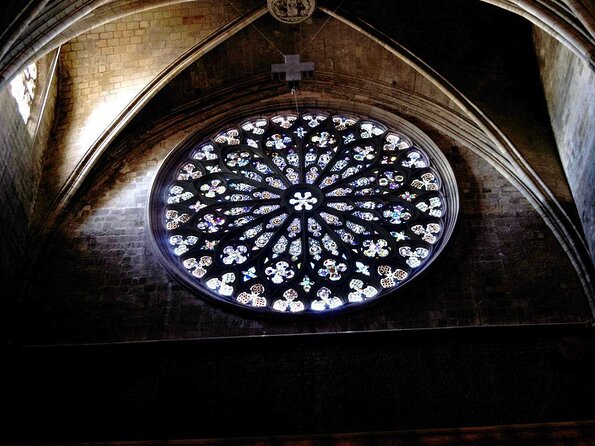
Your final church stop is Basilica de Santa Maria del Pi. This one is handled a bit differently. You mainly get the storytelling through the exterior, with the guide explaining what happened that led to the building of the church and its standout rose window, described as the largest at the time.
I like this approach because it gives you something to look for. Even if you only have a few minutes, you’ll know what question to ask while you’re standing there: what made this feature possible, and what does it tell you about the period?
Stop time is short—about five minutes—so come in ready to focus. It’s less about deep architectural inspection and more about reading the city’s timeline using visible clues.
Like Stop 1, admission is not included here. So again, be prepared for potential ticket costs depending on what’s needed on the day you go.


Tapas dinner and drinks: included value you’ll feel
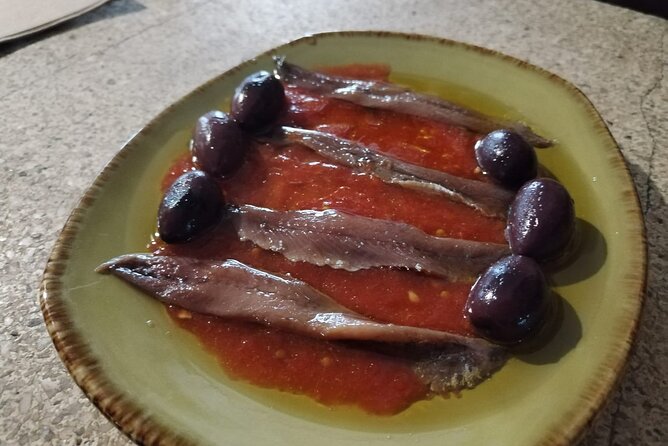
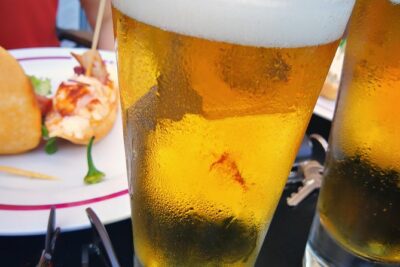
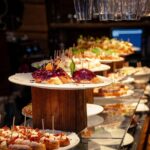
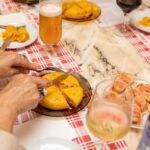
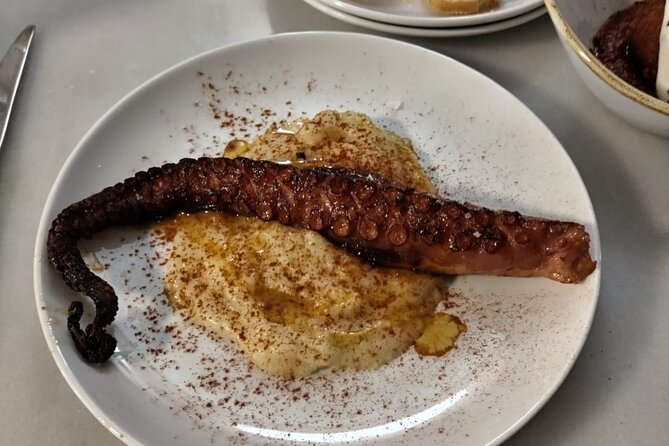
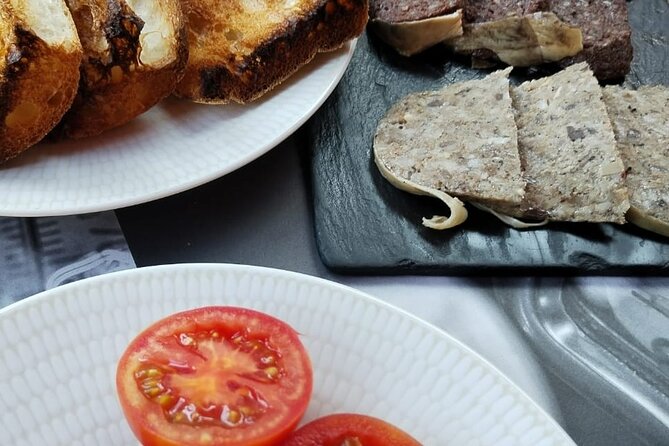
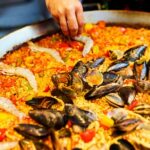
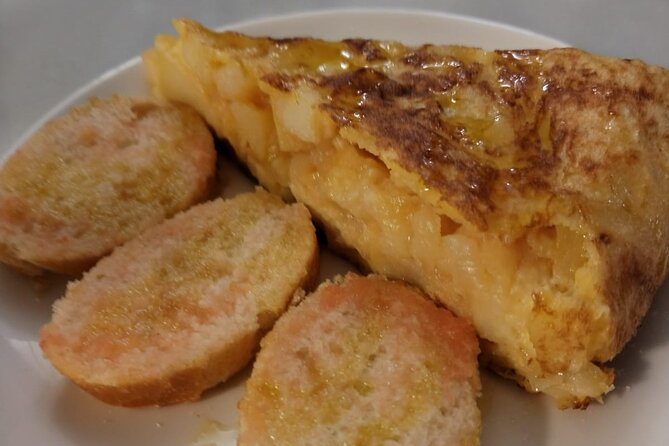
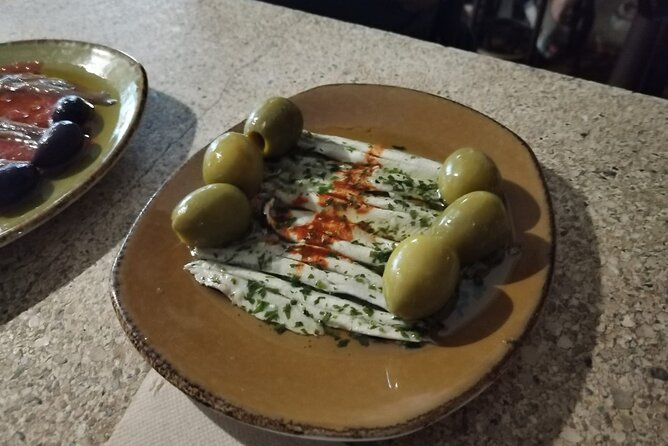
The tour is called a tapas dinner for a reason: you’re not just snacking your way through history. You’ll get snacks, alcoholic beverages, dinner, and bottled water included. That bundle matters in a city where food costs can climb fast, especially if you’re also trying to pay for transit or attractions.
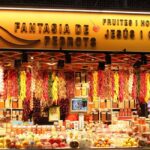
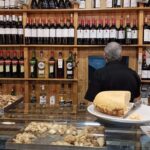
What you should expect is a true pairing of moments: the guide’s context and the meals happening alongside it. The story themes—Roman, Arab, medieval alliances and pacts, modern Catalan politics—create a sense of why Barcelona has the feel it does today. Then you eat and drink at iconic local spots the guide brings you to, so the whole afternoon stays social, not rigid.
Because alcohol is included, you’ll want to pace yourself. Don’t try to drink through the churches like it’s a pub crawl. I’d treat it as part of the dinner experience: enjoy a drink or two, save your energy, and you’ll still have the stamina to finish strong at the end point near Plaça de Sant Jaume.
Ferran Pàmies Flack as the engine: humor, local secrets, and the human touch
This is the kind of tour where the guide really shapes the day. Ferran Pàmies Flack is positioned as the local host connecting you to the city through story, not just signage. The tour highlights that he’ll talk about big historical turning points while also steering you toward the best places to eat and the right things to do next.
From the way the experience is described, I’d expect:
- Clear explanations tied to where you are standing
- A sense of humor to keep the tempo light
- Recommendations that help you keep exploring after the tour ends
That last bit is underrated. A good food-and-history tour shouldn’t just end with you full. It should give you a short list of what to try next, so you don’t spend your evening flipping through apps.
Price and timing: what you’re paying for and what you get back
At $109.97 per person, you’re paying for a packaged afternoon: guide time, multiple stops, plus actual dining with snacks, dinner, alcoholic beverages, and bottled water. Compared to paying for meals plus a separate walking guide, the bundled value can make sense—especially because you don’t have to guess how much you’ll spend on food and drinks mid-tour.
Timing is about 3 hours 30 minutes, which is ideal for first or second-day visitors. It’s long enough to feel like you learned something real, but short enough that you don’t lose your whole day.
The average booking window is 45 days in advance. That’s a clue to take it seriously as a popular experience. If your dates are fixed, you’ll likely have a better shot booking sooner rather than waiting.
Group size matters too. With a maximum of 9 travelers, you’re more likely to stay engaged and less likely to get herded.
Practical logistics: how to set yourself up for an easy afternoon
You’ll start at Buzon de correos, Via Laietana, 3 (Ciutat Vella) and finish at Ajuntament, Plaça de Sant Jaume, 1 (Ciutat Vella). That start-to-finish route is useful. It drops you near a central area at the end, so continuing on foot or grabbing transit is simpler.
You also get a mobile ticket, and the tour is near public transportation. That’s not just convenience—it reduces stress. When your day is already full, easier logistics make a bigger difference than you’d think.
One more thing: the tour requires good weather. You’ll be moving outdoors between church stops and eating at places along the way, so if you’re traveling in a rainy season, keep your schedule flexible.
What to consider: ticket gaps and the rare no-show concern
Two of the three church stops list admission not included. Barcelona can be generous with free views, but paying tickets for two locations can add to your total cost. The upside is that one stop—Barcelona Cathedral—is marked as free entry, which helps balance the ticketing situation.
The other concern is the human one. There has been at least one reported case of a guide not showing up for a scheduled tour. That doesn’t mean it’s the norm, but it’s worth a smart precaution. If you’re booking close to your travel date, I’d double-check your confirmation details and make sure you know how you’ll contact the provider through your booking channel if something goes wrong.
Who should book this tapas dinner and history tour?
Book it if you want:
- A first-days-in-Barcelona activity that teaches you how the city’s past connects to its present
- A mix of food, drinks, and landmark storytelling in one compact route
- A small-group format where you can ask questions and get recommendations for what to do next
I’d think twice if you’re the type who hates spending time on churches, even for short stops. Also, if you know you’ll be unhappy paying extra at two stops, budget for possible entry tickets before you go.
Should you book it or skip it?
I’d book this if you want a guided afternoon that makes Barcelona feel less like random sightseeing. The package is practical: you get three major church stops, a clear history thread through Roman, Arab, medieval, and modern Catalan themes, and an actual tapas dinner with drinks included.
Skip it only if you strongly prefer food without guided history, or if paying extra admission at two stops would ruin your budget. Otherwise, it’s a solid way to get your bearings fast and leave with both full stomach energy and a better sense of why the city looks the way it does.
FAQ
How long is the tour?
The tour is approximately 3 hours 30 minutes.
Where does the tour start and end?
It starts at Buzon de correos, Via Laietana, 3, Ciutat Vella and ends at Ajuntament, Plaça de Sant Jaume, 1, Ciutat Vella.
What does the tapas dinner include?
It includes snacks, alcoholic beverages, dinner, and bottled water.
Do I need admission tickets for the churches?
Admission is not included for Santa Maria del Mar and Santa Maria del Pi. Admission is free for Barcelona Cathedral.
What is the group size?
The tour has a maximum of 9 travelers.
What history topics will the guide cover?
You’ll hear about Roman conquests, Arab invasions, pacts between medieval kings, the current Catalan independence movement, and more.
Is this tour good for first-time visitors to Barcelona?
Yes. It’s described as perfect to do in your first days in Barcelona.
Is the tour weather dependent?
Yes. It requires good weather, and if it’s canceled due to poor weather, you’ll be offered a different date or a full refund.
Is there a cancellation window for a full refund?
You can cancel up to 24 hours in advance for a full refund.