REVIEW · MADRID
Private Wine & Gourmet Tapas Tour in Madrid with Sommelier
Book on Viator →Operated by Colorful Wines · Bookable on Viator
A vermouth and wine tour can feel like a party with homework. In Madrid’s Chueca area, this private evening walks you to three taverns where you taste vermouth and Spanish wines alongside classic tapas. You’ll start at Plaza de Chueca and finish back where you began, with short strolls between stops and plenty of guide-led explainers.
I especially like how the guide, Jimena, keeps it fun while still teaching you the real stuff: how vermouth is made, what you’re tasting, and how to read Spanish wine labels without getting lost. I also love that the pours tend to be generous, so it doesn’t feel like you’re paying for tiny sips. One consideration: at $245 per person, this is best value if your group genuinely wants both food and wine—and you’re happy walking for about 2.5 hours.
In This Review
- Key Highlights You’ll Care About
- Why Chueca Works So Well for a Wine-and-Tapas Night
- The Route: Three Taverns, Five Drinks, and a Pace You Can Handle
- Stop 1: Vermouth on Tap in a Classic Madrid Style
- Stop 2: Modern Vermouth Cocktails and Gordal Olives
- Stop 3: Cava Then Spanish Still Wines (and How to Taste Like You Mean It)
- What You’ll Eat: Tapas Pairings Built for the Sips
- How Jimena Turns Tasting into Real Confidence
- Price and Value: What You Get for $245
- Who This Tour Fits Best (and Who Might Skip)
- Booking Tips: Make It Better Before You Go
- Should You Book This Madrid Wine and Tapas Tour?
- FAQ
- What is the meeting point for the tour?
- How long is the tour?
- Is this tour private?
- What languages is the tour offered in?
- What food and drinks are included?
- Is there much walking?
- Does the price include tips?
Key Highlights You’ll Care About
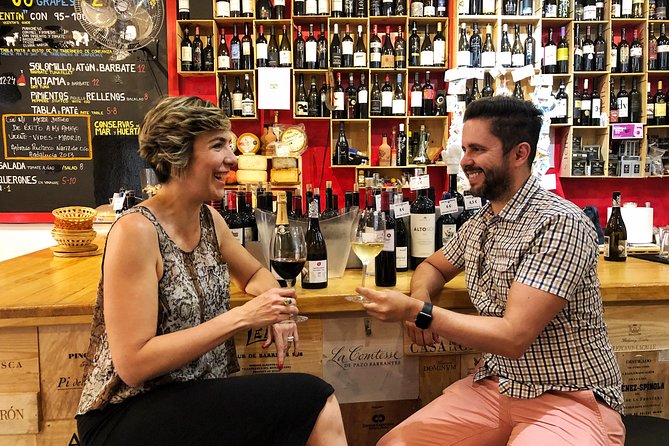
- Vermouth in two styles: traditional vermouth on tap, then a modern vermouth served like a cocktail
- Cava first, then Spanish still wines: a tasting order that helps your palate reset between flavors
- Food and wine pairing done simply: croquettes, tortilla, seafood, and other tapas matched to each pour
- Real teaching moments: tasting techniques, stages of a wine tasting, and label-reading tips
- Built around preferences: the guide can adjust what you get for specific tapas if you share what you like
- Short walking distances in central Madrid: easy to fit into an evening, even if you’re tired
Why Chueca Works So Well for a Wine-and-Tapas Night
Madrid’s Chueca is central enough that you can make this fit easily into your itinerary, yet it has that laid-back “come in, sit down” energy that suits tasting tours. You’re not hunting for remote wineries. Instead, you’re learning how Spaniards actually drink—at taverns, over food, with time to talk.
This matters because vermouth isn’t just a drink here. It’s part of the Madrid rhythm. And the tour builds that context early, so when the first pour hits the glass, you already know what makes vermouth different from wine—and from cocktails that happen to be flavored.
You can also read our reviews of more tours and experiences in Madrid.



The Route: Three Taverns, Five Drinks, and a Pace You Can Handle
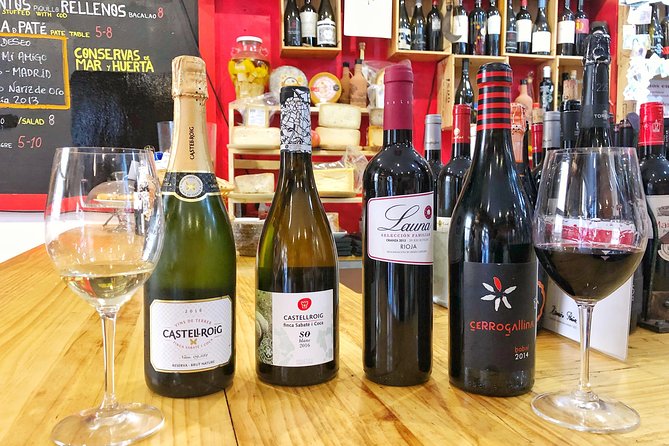
The flow is straightforward. You meet at Plaza de Chueca, then walk to three spots. The walking time is short between taverns, so you spend your energy tasting instead of doing endless city treks.
Expect each stop to follow a pattern:
1) you taste a drink type
2) your guide explains what’s in the glass (and how to notice it)
3) you eat tapas matched to that flavor
The big advantage of this pacing is that you learn by contrast. Vermouth next to cava next to still wines makes the differences clearer than tasting everything back-to-back with no structure.
And since this is private, it’s not one-size-fits-all. You can ask questions, and you’re not stuck waiting your turn while a larger crowd finishes their sips.
Stop 1: Vermouth on Tap in a Classic Madrid Style
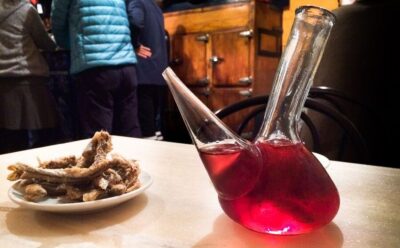
The first tavern is where the tour leans into tradition. You’ll start with vermouth in a classic approach, poured on tap. That detail sounds small, but it changes the experience. Tap service often means you’re tasting something that’s meant to be consumed quickly and casually, the way locals do after work.
You’ll get the story behind vermouth in Madrid—where it fits historically, what makes it distinct, and what vermouth actually is. The guide also explains how it’s made and the main styles, so you can tell one type from another instead of treating vermouth like one generic sweet drink.
This stop is also a good “set your palate” moment. Vermouth’s herbal, spiced character gives you a reference point. Once you taste it first, the later wines feel more defined and easier to categorize.
Stop 2: Modern Vermouth Cocktails and Gordal Olives
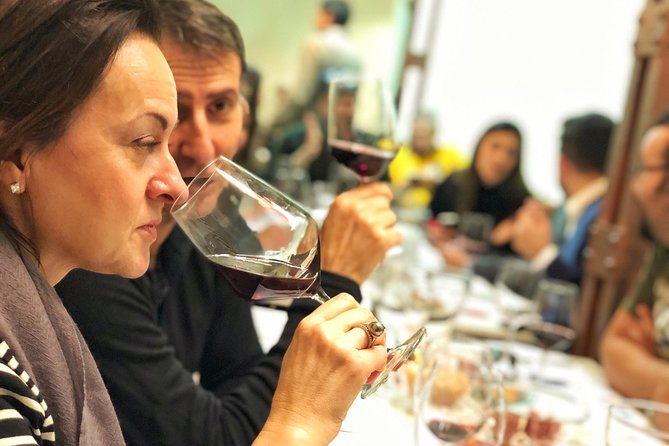
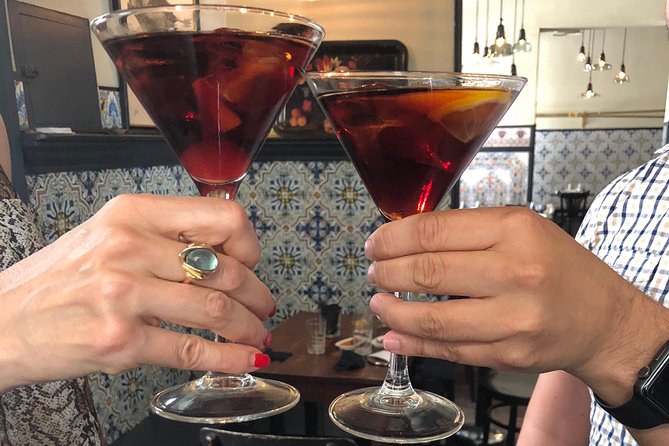
Next comes a more modern take on vermouth, served like a cocktail. You’ll also get a pairing featuring Gordal olives—the big, meaty olives from Andalusia known for their substantial bite.
This is where the tour becomes fun in a practical way. Instead of just learning facts, you taste how the same spirit-world ingredient (vermouth) can be served and perceived differently depending on how it’s mixed and what you eat with it.
The guide also connects this stop to what you’ll see later in bottles—sharing insights about bottled vermouth styles and the kinds of variations Spanish producers are making now. So when you shop later, you’re not guessing. You have a mental map of what you liked and why.
Stop 3: Cava Then Spanish Still Wines (and How to Taste Like You Mean It)
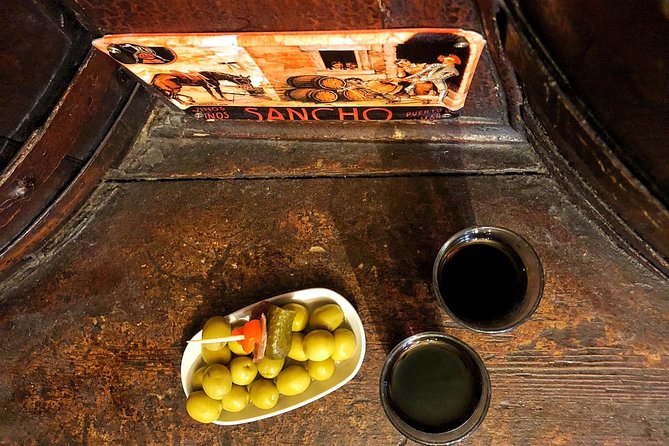
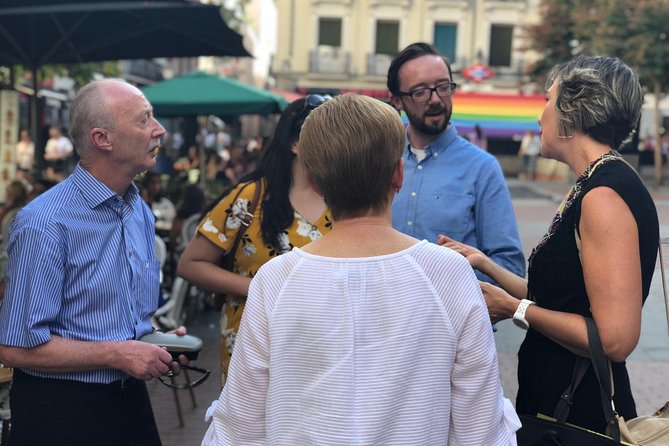
The final tavern is where Spanish wine knowledge becomes useful for real buying decisions. You’ll taste a Cava first—Spanish sparkling wine made using the traditional method. Starting with bubbles is smart. Cava’s acidity and fizz cut through the earlier vermouth flavors and prepare your palate for what comes next.
After that, you sample Spanish still wines—a mix that totals three still wines in the full tasting set. The guide walks you through tasting techniques and the stages of a wine tasting, so you learn to pay attention in a repeatable way: how it looks, how it smells, and how it tastes.
You’ll also hear winery-specific stories and how regional details matter. Expect explanations tied to Spanish designations of origin and the idea of terroir—the area where vines grow. The goal isn’t to memorize geography. It’s to understand why one wine tastes the way it does, even when you’re not holding the producer’s press release.
And if you care about labels, you’ll like this stop. You’ll get tips on how to read what’s on the bottle and how ageing systems work in Spanish wines—knowledge that helps you choose bottles back home with less trial-and-error.




What You’ll Eat: Tapas Pairings Built for the Sips
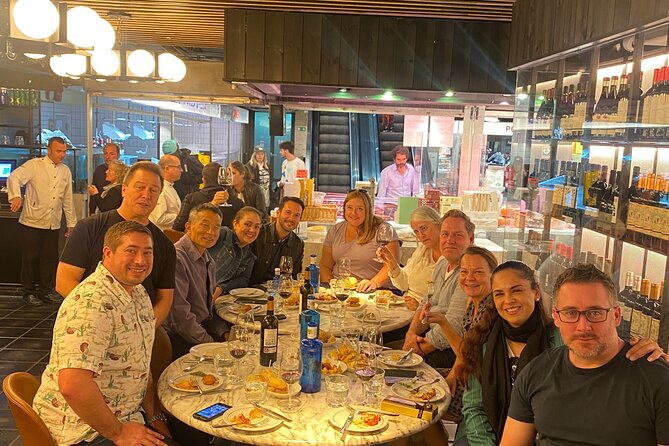
The food isn’t random snacks. It’s part of the lesson. Each tapa is meant to work with the drink in front of you, so you taste the pairing logic—not just the food.
From the spread, you might see classics like:
- Spanish croquettes
- Acorn-fed Iberian ham
- A cheese board that can include cured Manchego, plus sheep cheese with truffles and other goat cheeses from small farmers
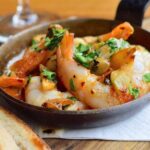
- Spanish tortilla with toppings such as grilled prawns, boquerones (sardines), and red peppers
- Seafood options like fried calamari and grilled octopus
- Potato plates such as bravas-style potatoes
One small detail I think makes this tour work: the guide seems comfortable adjusting the final tapas if you share preferences. In practical terms, that means if you’re picky about tortilla versus bravas, you’re not forced into a choice you’ll dislike while the tour keeps moving.
Also, there’s a real bonus if you like hot, fresh seafood tapas. The fried calamari is often served piping hot, which makes the pairing feel alive instead of flat.
How Jimena Turns Tasting into Real Confidence
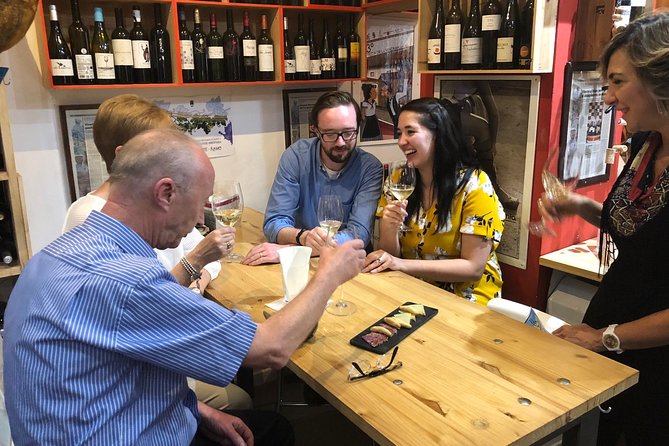
The main reason this tour earns strong word-of-mouth is that the guidance doesn’t feel like a lecture. Jimena’s approach comes across as warm and direct, with answers that help you connect what you taste to how the wine is made and where it comes from.
Here’s what you can expect to walk away with:
- how vermouth differs from wine, in both ingredients and style
- how to talk about flavors without sounding like you’re reading off a menu
- a quick understanding of Spanish wine regions and the logic behind their designations
- tips on tasting techniques you can use later at a shop or restaurant
- label-reading help, especially around ageing information
And yes, people often leave with practical purchasing confidence. If you like Spanish wines in the U.S. (or want to start), this is the kind of grounding that makes your next bottle run easier.
Price and Value: What You Get for $245
At $245 per person, this isn’t a budget “wander and sip” activity. The value comes from what’s included and how much instruction you’re getting.
You’re paying for:
- three guided tavern stops
- a tasting set that totals five drinks (one vermouth and multiple Spanish wines, including cava)
- five tapas paired to the pours
- stories and history behind each drink
- time with a certified expert guiding the tastings in English
If you normally do bar-hopping alone, you’ll likely spend something close to this on drinks and food, but you won’t get the structure. What you’re buying here is the translation layer—how to understand what’s in each glass and how to repeat the experience later.
For value, I’d recommend this most if:
- your group actually eats well during tours
- you want a clear education on Spanish wine and vermouth
- you’re staying central and want to avoid long travel days
Who This Tour Fits Best (and Who Might Skip)
This tour suits you if you like food paired with learning. If you want scenic sightseeing first and tasting second, you might find this more “tavern-focused” than “monument-focused.”
It’s also a strong match if:
- you’re curious about vermouth, especially the difference between styles
- you’d like label tips before you buy wine
- you don’t mind a guided walking evening
It’s less ideal if:
- you only want one or two drinks and don’t care about tasting methods
- you’re hoping for a long, major landmark day in Madrid
Booking Tips: Make It Better Before You Go
A tour like this runs on comfort and timing. Before you head out, do two things:
- Tell Jimena what you like or don’t like (including any strong food preferences). The guide can adjust certain tapas to fit.
- Plan your dinner afterward as something light—or build this into the main meal. With tapas and multiple tastings, you’ll be well fed.
If you’re sensitive to walking pace, this route is still manageable because the walking distances are very short. Still, you’ll be on your feet for about 2.5 hours, so wear shoes you trust.
Should You Book This Madrid Wine and Tapas Tour?
I’d book it if you want a structured night out in central Madrid where vermouth and Spanish wine finally make sense. You get more than taste—you get context, pairing logic, and label-reading help that pays off later when you’re choosing bottles.
Skip it if you’re chasing big-picture sightseeing or you’d rather drink casually without any tasting method. This is a real tasting evening. If you show up hungry and curious, you’ll leave with both a full stomach and clearer wine instincts.
FAQ
What is the meeting point for the tour?
You meet at Plaza de Chueca in Madrid (Pl. de Chueca, Centro, 28004 Madrid, Spain).
How long is the tour?
It lasts about 2 hours 30 minutes.
Is this tour private?
Yes. It’s a private tour/activity, with only your group participating.
What languages is the tour offered in?
It’s offered in English.
What food and drinks are included?
You’ll visit three taverns, tasting one vermouth and Spanish wines (including cava and still wines) paired with tapas. Five tapas are included, and the guide provides key facts about the wines and regions.
Is there much walking?
The walking distances are described as very short, and the tour is designed as a guided walking route in central Madrid.
Does the price include tips?
No. Tips for your guide are not included.