Tapas, cava, and craft beer in one afternoon. This is a small-group class in Barcelona that mixes hands-on cooking with a short walk through the historic streets, so you get both food skills and local atmosphere.
What I like most is you actually work at the stations, not just watch—especially with the white cava sangria portion where you control the flavor. I also like the pairing setup: you make food, then taste 3 local craft beers with guidance so it makes sense on your plate.
One consideration: this includes alcohol (sangria plus beer tastings). If you want a totally non-alcohol experience, this may not be the right fit.
In This Review
- Key takeaways before you go
- Barcelona Tastings in One 3-Hour Afternoon
- Starting at Rambla del Raval, Then Walking the Gothic Quarter
- The Hands-On Tapas Part: Cooking Three Classics Properly
- Tortilla de patatas: eggs, potatoes, onion—then patience
- Patatas bravas: crisp potatoes with a serious sauce mindset
- Gambas al ajillo: olive oil, garlic, chili, and bread
- Extra additions while you cook
- White Cava Sangria Workshop: Make It Crisp and Your Own
- Pairing tip you can use immediately
- Craft Beer Pairing That Explains What You’re Tasting
- Artisan Meat & Cheese Board: A Nice Reset Between Lessons
- Small Group Energy: When It’s Ten People, Everyone Matters
- What You’ll Take Home: Recipes That Actually Help
- Value and Price: Why $64.81 Can Be a Good Deal
- Timing, Location, and Getting There Without Stress
- Who This Tapas and Beer Workshop Suits Best
- Should You Book This Barcelona Tapas, Cava, and Craft Beer Class?
- FAQ
- What is the duration of the tapas and sangria workshop?
- What time does the experience start?
- How many people are in the group?
- What language is the class offered in?
- What do we cook during the class?
- What drinks are included?
- Is the meat and cheese board included?
- Will I get recipes to take home?
- Where is the meeting point?
- What is the cancellation policy?
Key takeaways before you go
- Small group of up to 10 keeps it social and lets the chefs help while you cook
- White cava sangria workshop means you learn the method, not just the drink
- Three tapas you cook: tortilla de patatas, patatas bravas, gambas al ajillo
- 3 local Spanish craft beers with pairing insights help you taste like a local
- Take-home recipes so your next tapas night at home is more than a guess
Barcelona Tastings in One 3-Hour Afternoon
If you’re trying to squeeze real Barcelona into a tight schedule, this format is hard to beat. You get a walk in the historic core, then you step into a kitchen and cook classic tapas and drinks that actually match the city’s food rhythms.
It’s also the kind of class that feels built for travelers who want to do something hands-on without feeling rushed. With a maximum of 10 people, you can ask questions, get feedback, and still enjoy the meal together instead of racing through it.
And because the class is offered in English, you won’t spend your evening translating every step. If you’re traveling with a mix of languages, the instruction style also seems flexible, based on how different guests describe the way chefs keep things moving.
You can also read our reviews of more tours and experiences in Barcelona.

Starting at Rambla del Raval, Then Walking the Gothic Quarter
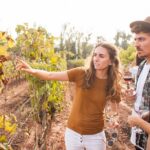
You start at Gastronomic Arts Barcelona (GAB LAB), Carrer de Lancaster 10, Bajo 1a, Ciutat Vella, and you’ll begin around 3:00 pm. The first part is a short guided walk through the Gothic Quarter vibe, with stops that help you connect the food to place.
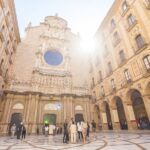
The walk includes recognizable Barcelona moments: you pass references tied to Hemingway’s favorite bar and you’ll see the plaza connection from Vicky Cristina Barcelona. That’s useful even if you’re not doing a full-on movie-tour. It helps you understand why this neighborhood looks the way it does, and why locals treat food as part of daily culture, not just a tourist activity.
Stop 1 is Rambla del Raval, which makes the start feel less like a random pickup and more like you’re actually easing into the city center. This is also a nice pacing trick: you’re not thrown straight into the kitchen while you’re still orienting.
What to keep in mind: the class ends back at the meeting point, so you’ll want to plan dinner later rather than right after. You’ll be eating plenty here.
The Hands-On Tapas Part: Cooking Three Classics Properly
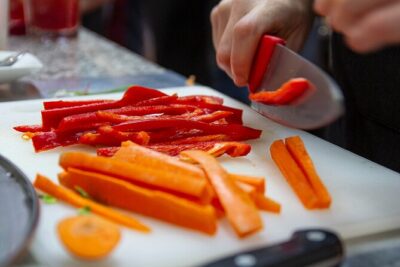
The heart of the experience is the hands-on tapas session. You’ll cook three authentic tapas: tortilla de patatas, patatas bravas, and gambas al ajillo. These aren’t trendy “fusion tapas.” They’re the kind of plates that show up again and again because they work.
Tortilla de patatas: eggs, potatoes, onion—then patience
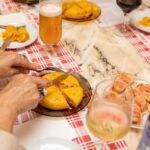
Tortilla española is basically Spain’s comfort food in skillet form. You’ll learn how eggs and potatoes turn into something creamy inside with a lightly crisped edge. That texture lesson is the real skill. If you’ve ever tried making tortilla at home and it came out rubbery or too loose, this kind of guided method is exactly where you’ll benefit.
The trick you’re learning isn’t a secret ingredient. It’s timing and heat control. Once you understand that, tortilla becomes repeatable rather than intimidating.
Patatas bravas: crisp potatoes with a serious sauce mindset
Patatas bravas is one of those tapas that looks simple until you try it. The potatoes are the main event, and the bravas sauce is where people make or break the dish.
In this class, you’ll focus on technique so you can recreate the dish later, not just memorize what it tasted like. Expect that you’ll be working with ingredients you can find back home—then seasoning and combining in the way that makes it taste right.


Gambas al ajillo: olive oil, garlic, chili, and bread
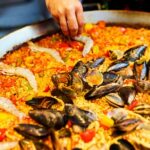
Gambas al ajillo is a garlic-forward dish. You’ll sauté shrimp in olive oil with garlic and a touch of chili, and it’s served with crusty bread so you can mop up every last bit.
I like that this one teaches you a practical cooking skill: building flavor in a pan. You learn how to let garlic and spices do their job without letting them burn. That’s the difference between garlic that tastes sweet and garlic that tastes harsh.
Extra additions while you cook
Along the way, you’ll also work with related classic elements like pan con tomate (tomato bread), and you’ll have an artisan meat and cheese board as part of the overall meal flow. This helps make the class feel like more than a quick tasting.
The practical takeaway: you’re leaving with a “tap into the basics” toolkit. These are dishes you can make for friends without needing fancy equipment or a week of prep.
White Cava Sangria Workshop: Make It Crisp and Your Own
The sangria session is built around sparkling white cava sangria—crisp, bubbly, and refreshing. This matters because cava changes the drink’s personality. Instead of heavy sweetness, you’re working with something light, fizzy, and built to cut through salty tapas.
You’ll be guided step by step, including the cultural background around sangria and how it fits into Spanish social life. The best part is that you’re not stuck with one flavor profile. The session is set up so you can mix it to meet your tastes.
That personalization is a big deal. Sangria gets marketed like it’s one-size-fits-all, but your class will help you understand what you’re adjusting—so the next time you make it, you’ll know what to tweak.
Pairing tip you can use immediately
After you’ve cooked and tasted everything, try repeating the logic at home: choose one salty, one garlicky, and one egg-based bite, then sip the cava sangria. You’ll likely notice the drink resets your palate because of the bubbles and the lighter profile.
Craft Beer Pairing That Explains What You’re Tasting
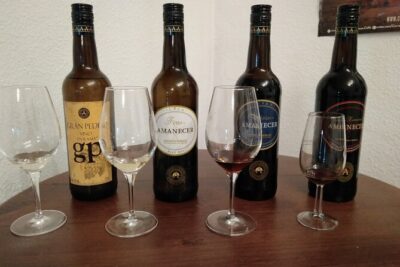
After cooking, you’ll taste 3 locally brewed craft beers from Barcelona microbreweries, with pairing insights. The useful part here is guidance. Beer pairing can feel like a guessing game when nobody explains the why.
Here, the pairing is tied directly to what you cooked: egg-based tortilla, spicy bravas-style heat, and garlic-forward shrimp. That connection helps you learn patterns instead of just ranking flavors.
Even if you’re not a beer expert, this portion can sharpen your taste. You start noticing things like how bitterness or carbonation changes your perception of salt and fat.
Also, the class moves in a way that keeps it fun instead of lecture-heavy. You’re tasting while your palate is still aligned with the food you just made.
Artisan Meat & Cheese Board: A Nice Reset Between Lessons
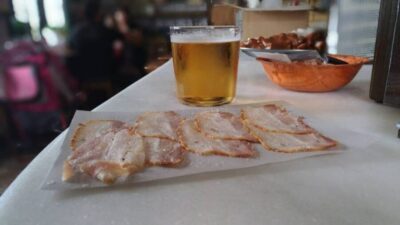
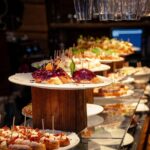
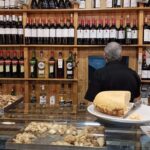
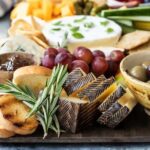
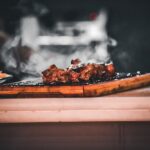
You’ll also sample an artisan meat and cheese board with bread, olives, and seasonal sides. This isn’t filler. It’s a smart pacing tool: it gives your kitchen-work brain a short break while still keeping you in tasting mode.
I like how this board helps you round out the meal. Tapas night isn’t only hot items. You need salty, cured textures and creamy cheeses to balance the hot dishes and the drink.
You can treat this part like a mini study session for flavor structure:
- salty cured meats against creamy cheese
- bread as a delivery system for everything
- olives and seasonal sides that add contrast
It also helps you feel like the workshop is a full afternoon meal, not just a cooking segment followed by a light snack.
Small Group Energy: When It’s Ten People, Everyone Matters
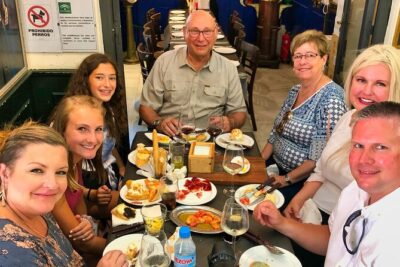
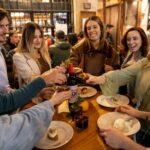
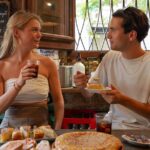
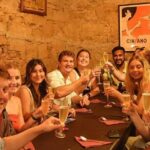
The group limit is 10 travelers, and that size changes the whole mood. You’re more likely to talk to the people next to you, ask questions, and actually connect with the chefs instead of being one face in a line.
From what I’ve seen in the way instructors are described, there’s a real emphasis on keeping the atmosphere friendly and comfortable. Names that come up include Matteo and Hugo, and guests highlight them for being entertaining, enthusiastic, and professional at the same time.
Instruction style also seems flexible. One guest notes the class can work across languages (with instruction in Spanish, Italian, and Portuguese if needed). Even if you speak English, that kind of adaptability usually means the chefs explain clearly and watch for confusion.
If you’re traveling solo, this is one of those activities where you’re not forced into awkward small talk. You’re all doing the same work, so conversation comes naturally around the food.
What You’ll Take Home: Recipes That Actually Help
A big part of the value is that you’ll take home all the recipes. That matters because many cooking classes end with a photo and a memory. Here, you’re leaving with a usable blueprint.
The recipes are the difference between:
- tasting something great once
and
- rebuilding it at home with the right proportions and steps.
You should expect enough detail to repeat tortilla, bravas, and gambas al ajillo, plus the sangria method. Even if your kitchen setup isn’t identical, the process translates well: learn the logic, then adjust for your stove and cookware.
Value and Price: Why $64.81 Can Be a Good Deal
At $64.81 per person for about 3 hours, this can be a fair value—mostly because it bundles four expensive things:
- instruction from local chefs
- hands-on cooking with ingredients provided
- alcohol included (cava sangria + craft beer tastings)
- take-home recipes
If you tried to replicate this on your own, you’d likely pay separately for cooking instruction, ingredients, and drinks. Even if you ate tapas in the neighborhood, you wouldn’t get the controlled learning component that makes your results more consistent next time.
Also, you’re not standing in a loud crowd. The small group format means more attention, and more chances to ask why a technique works.
One practical note: the class is often booked about 29 days in advance on average. If you’re traveling in peak season or on a weekend, plan to reserve earlier so you’re not gambling on availability.
Timing, Location, and Getting There Without Stress
This experience starts at 3:00 pm and runs about 3 hours. That late-afternoon timing is good in Barcelona, where dinner often stretches later. It gives you time to relax in the morning or do light sightseeing, then still have an early enough finish to continue your day.
It also ends back at the meeting point, which makes your logistics easy. You’re not trying to find a new neighborhood after you cook.
The meeting spot is in Ciutat Vella and is described as near public transportation, so it’s not a “far from everything” situation.
What you likely won’t need: you’ll be provided an apron and cooking utensils for use. That’s helpful because it means you can pack lighter and show up ready to work.
Who This Tapas and Beer Workshop Suits Best
This class is a strong match if you:
- want to learn a few classic tapas properly, not just taste them
- like social experiences but still want real instruction
- enjoy pairing drinks with food and want to understand the choices
- travel in a couple and want a shared activity that doesn’t feel like homework
It’s also a good option for groups—especially because the kitchen workflow supports teamwork and conversation.
If you’re a strict vegetarian or have major dietary needs, the provided info doesn’t clearly cover substitutions. In that case, you’ll want to double-check details before booking.
And if you’re not comfortable with alcohol, remember that sangria and beer tastings are part of the core experience.
Should You Book This Barcelona Tapas, Cava, and Craft Beer Class?
Yes, if you want a practical, hands-on afternoon that teaches you repeatable skills. The small-group size, the recipe take-home, and the fact that you cook and then pair drinks with food make it more than a snack session.
It’s especially worth it if you like structured fun: walk, cook, mix, taste, eat together, then leave with something you can actually recreate.
I’d skip or reconsider only if alcohol is a hard no for you, or if you’re expecting a long, sit-down restaurant-style meal with no cooking. This is built around cooking.
If your goal is to leave Barcelona with real food know-how, this class has a strong shot at being one of your most useful experiences from the trip.
FAQ
What is the duration of the tapas and sangria workshop?
It lasts approximately 3 hours.
What time does the experience start?
It starts at 3:00 pm.
How many people are in the group?
The activity has a maximum of 10 travelers.
What language is the class offered in?
The workshop is offered in English.
What do we cook during the class?
You will cook tapas such as tortilla de patatas, patatas bravas, and gambas al ajillo. Pan con tomate is also listed as part of the hands-on tapas class.
What drinks are included?
You’ll mix sparkling white cava sangria and also taste 3 local Spanish craft beers with pairing insights.
Is the meat and cheese board included?
Yes. The class includes an artisan meat and cheese board with bread, olives, and seasonal sides.
Will I get recipes to take home?
Yes, you take home all the recipes to recreate the flavors back home.
Where is the meeting point?
The meeting point is Gastronomic Arts Barcelona (GAB LAB), Carrer de Lancaster 10, Bajo 1a, Ciutat Vella, 08001 Barcelona, Spain.
What is the cancellation policy?
Cancellation is free up to 24 hours in advance for a full refund. If you cancel less than 24 hours before the start time, the amount paid won’t be refunded.