REVIEW · ALICANTE
Alicante Paella Cooking Class, Tapas, Drinks and Market
Book on GetYourGuide →Operated by Alicante Tasting Club · Bookable on GetYourGuide
Paella starts at the market. This Alicante paella class pairs a guided ingredient shop with a real, chef-led cooking session, plus tapas and local drinks you’ll enjoy while your pan heats up. Guides such as Cristina and Andrea bring the Alicante details to the table, and you leave with a practical skill you can repeat.
I love that you’re not just watching—you’re making paella step by step, with meat, seafood, and vegetarian/vegan options. I also like that you get recipes to take home, so the experience doesn’t vanish the moment you’re back in your hotel. One consideration: if your group is on the larger side, you’ll still have fun, but the pace can feel more “team kitchen” than quiet, one-on-one coaching.
In This Review
- Key Highlights Worth Showing Up For
- Market First: Where Alicante Paella Ingredients Start
- A Short Walk to the Kitchen: Built for Cooking, Not Languishing
- Chef-Led Paella: The Steps That Make the Rice Work
- Meat, Seafood, Vegetarian: Picking Your Arroz de Alicante Version
- Tapas and Local Drinks: A Meal Built Around Paella Time
- What You Actually Bring Home: Recipes and Repeatable Technique
- Price and Value: Is $58 Worth It?
- Who Should Book This Paella Class in Alicante?
- Should You Book Alicante Tasting Club’s Paella Class?
- FAQ
- FAQ
- How long is the Alicante paella cooking class?
- Do you visit a market during the tour?
- What type of paella will I cook?
- Are tapas included?
- What drinks are provided?
- Will I get recipes to take home?
- What languages are offered?
- Is the activity wheelchair accessible?
- Can I cancel and get a full refund?
Key Highlights Worth Showing Up For
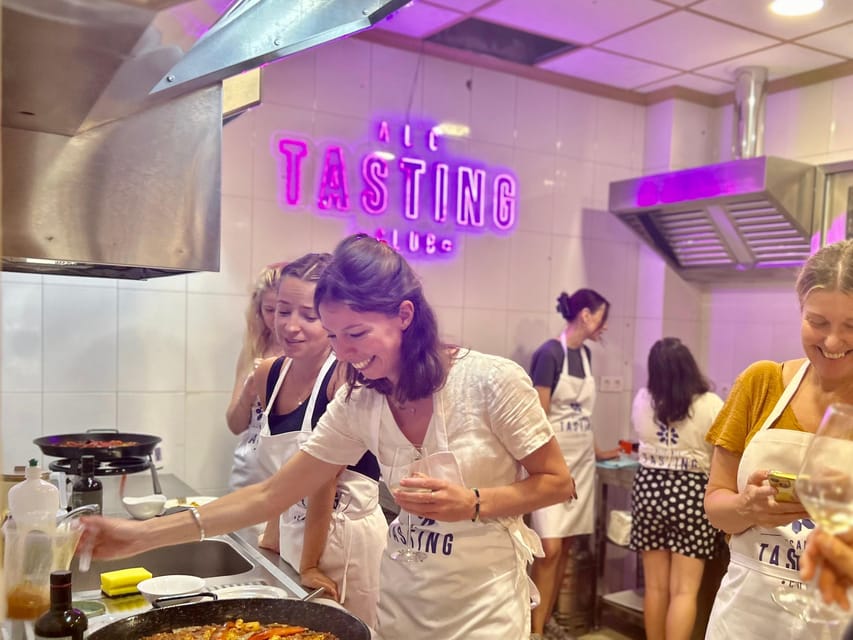
- Central Market ingredient hunt: You pick the paella essentials with a guide who explains what matters and why.
- Hands-on cooking with a local chef: You get real instruction, not just a demo.
- Multiple paella choices: Meat, seafood, and vegetarian/vegan versions so different diets fit naturally.
- Tapas plus local drinks: Traditional bites alongside local wines, sangría, and other beverages.
- Purpose-built kitchen setup: Market to kitchen is a short walk, and the format is designed for doing.
- Take-home recipes: You get written guidance you can actually use later.
Market First: Where Alicante Paella Ingredients Start
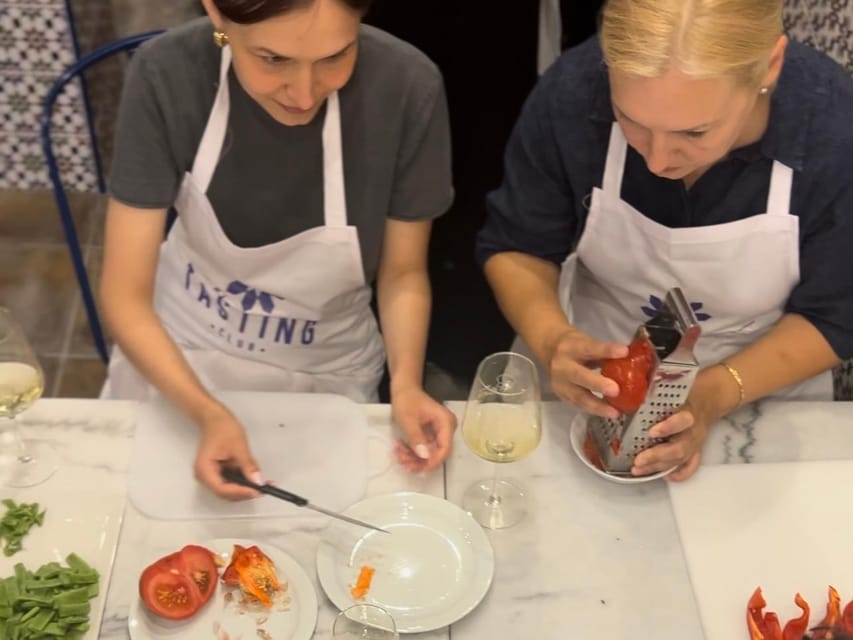
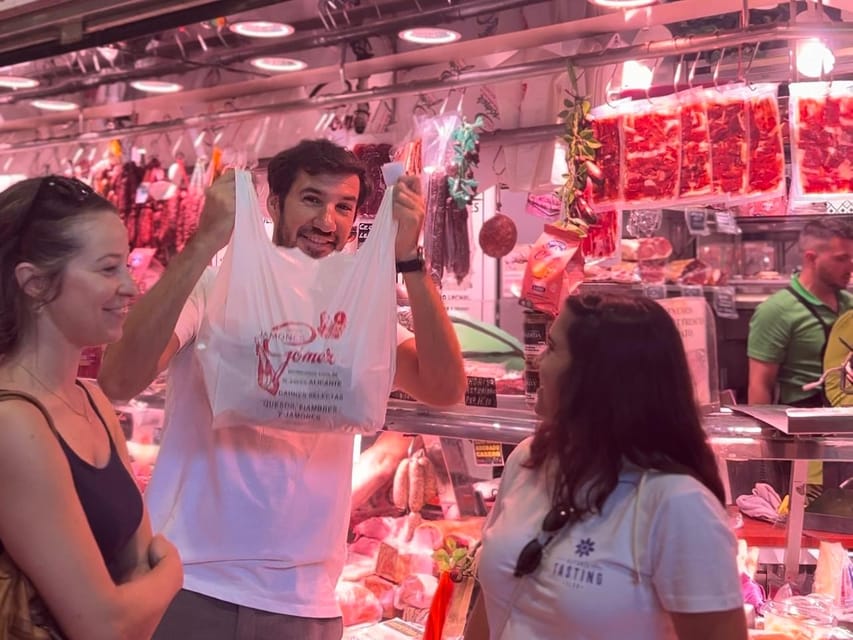
The best part of this class is that it begins with buying ingredients in the local market, not in a classroom setting. You’ll walk through the food stalls with your guide, learn what to look for, and then bring those choices straight into your cooking session. That market stop matters because paella isn’t just a recipe—it’s about ingredients, timing, and the right rice.
You’ll also get practical context as you shop. Guides like Cristina (and others such as Marina and Andrea) often share stories about Alicante and the market itself, including what different vendors are known for. It’s not the kind of history lesson that puts you to sleep. It’s the kind that helps you understand why the ingredients you’re choosing belong in the dish.
Expect to see plenty of fresh produce and seafood-related ingredients that make you understand how local cooks think. And since you’re doing the shopping, you’re more likely to remember what you bought and why.
If you’re the type who likes “learning by doing,” this market portion gives you a fast win. You feel more confident in the kitchen later because you already made key choices.
You can also read our reviews of more tours and experiences in Alicante.


A Short Walk to the Kitchen: Built for Cooking, Not Languishing
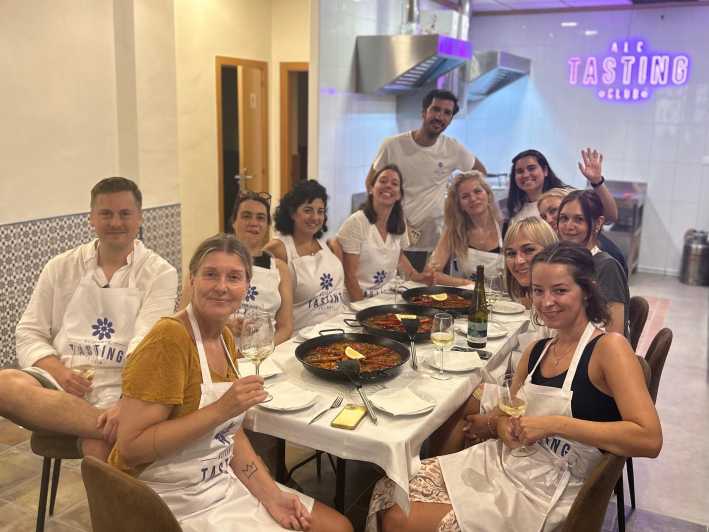
After the market, you move to a purpose-built kitchen that’s only a few minutes from where you shop. The short transfer is a big deal: you’re not losing time to logistics, and you’re not showing up to a kitchen still half-distracted by your errands.
In the kitchen, the vibe tends to stay friendly and participatory. Several people have mentioned that the guides work hard to include everyone and keep the class moving smoothly, even when the group is a little larger than expected. That tells you something important: this isn’t a rigid, one-station-only setup. It’s structured so you can take part in the cooking.
You’ll have what you need to work comfortably in a shared cooking environment. And because it’s built for the class, you’re less likely to feel like you’re in someone’s cramped kitchen where you’re fighting for space.
If you prefer a calm, quiet experience, just know that this is social by design. The payoff is that cooking doesn’t feel like homework. It feels like a shared project.
Chef-Led Paella: The Steps That Make the Rice Work
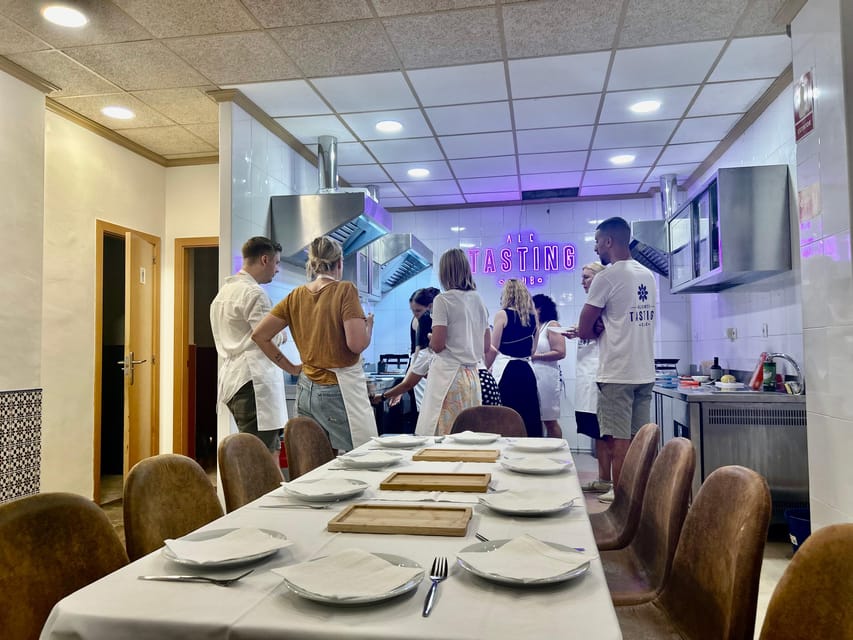
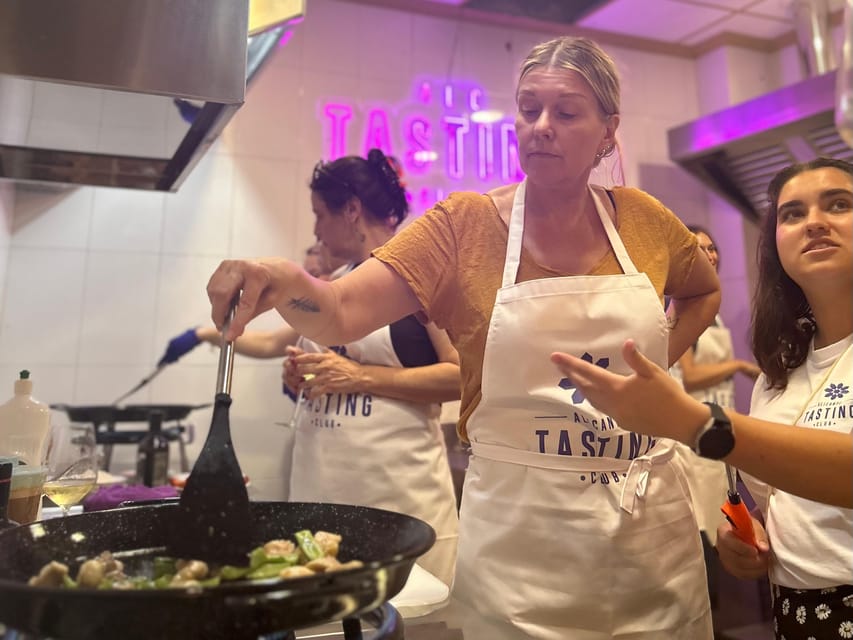
When the chef takes over, you’ll start turning ingredients into paella in a hands-on way. The class focuses on authentic Spanish paella technique, with emphasis on the practical tips that make a difference—especially for the rice.
One thing I really like about this format is that it’s interactive. You’re not stuck waiting for a final dish to appear. You’re mixing, prepping, and learning what each stage is trying to achieve.
If you’ve made paella once before and it didn’t turn out right, this kind of instruction can be the missing piece. Many people finish this class feeling confident enough to attempt paella at home, because the learning isn’t theoretical. It’s built around what you actually do in the pan.
Also, the menu flexibility helps you stay engaged. The class offers options for meat, seafood, and vegetarian/vegan. That means you can cook something aligned with your preferences instead of just picking from a side dish menu.
And yes, you’ll taste the paella you’ve helped make. That’s not just satisfying—it’s the fastest way to understand which choices were important.
Meat, Seafood, Vegetarian: Picking Your Arroz de Alicante Version
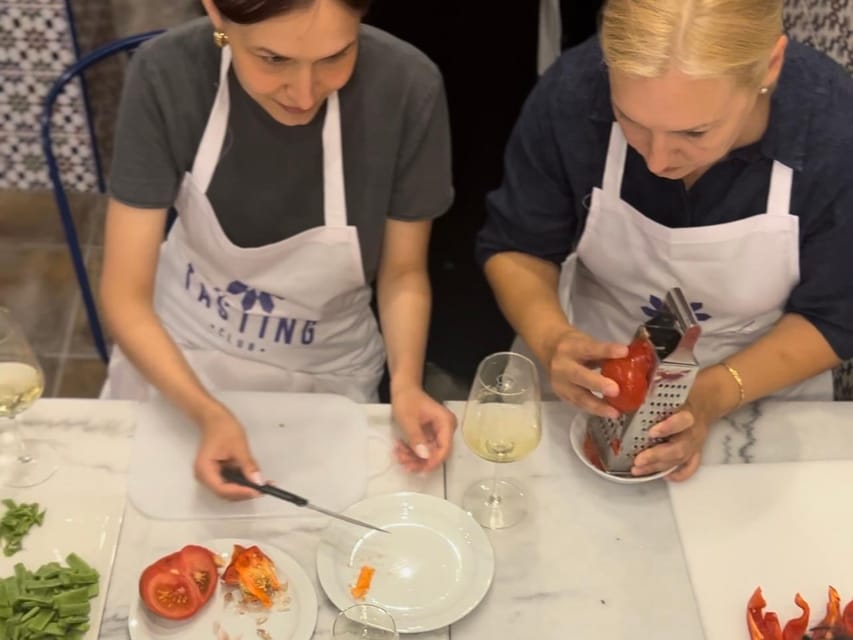
Paella is one of those dishes where small choices can swing the final flavor. Here, you’ll have multiple options, and that helps you compare results.
In past sessions, people have cooked different “arroz de Alicante” versions—sometimes three versions in a single group. Even if you’re not cooking every variation yourself, the structure supports having different plates at the end, depending on what the group is doing and what your preferences are.
If you love seafood, choose it. Some people specifically noted that the seafood paella was especially flavorful compared with other options. That tracks with what you’d expect from a market-first approach: when seafood is handled well and paired with the right technique, it shines.
For meat lovers, you’ll get a version built around classic paella flavors. And for vegetarian/vegan diets, the class is set up to include a vegetarian option rather than forcing you into “plain rice and hope.” Knowing you can cook a proper vegetarian/vegan paella is a real reason to book this over generic cooking events.
Practical tip: when you book, make sure you select your meat/seafood/vegetarian/vegan preference. The class states options are available, and you’ll have the smoothest experience if your choices are clear early.
Tapas and Local Drinks: A Meal Built Around Paella Time
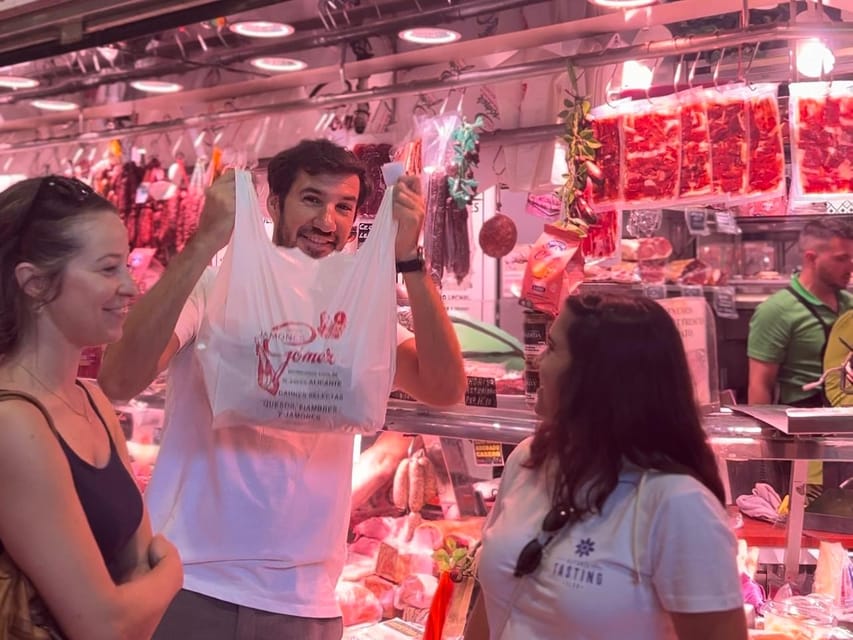
Paella classes can get formulaic: chop, stir, wait, eat. This one adds a better rhythm through tapas and local drinks.
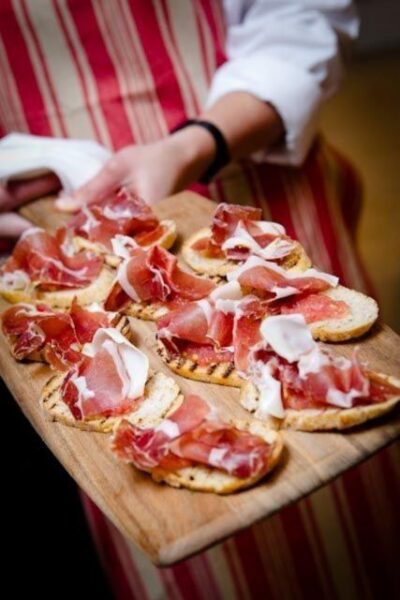
You’ll get a selection of traditional tapas, and they’re meant to be part of the experience rather than a last-minute add-on. You’ll also have local wines, sangría, and other beverages during the class, with the meal experience paced alongside your cooking.
A good sign: multiple people mention the drinks are generous and that they’re topped up during the session. And the class isn’t only about alcohol—you’ll also have water and soft drinks available, so you can drink at your comfort level.
This is also where the social value shows up. Cooking in a group with tapas in the mix feels like sharing an Alicante-style afternoon meal, not just finishing a task.
If you’re traveling solo, that’s even more helpful. You still get interaction without needing to plan extra social time around the class.





What You Actually Bring Home: Recipes and Repeatable Technique
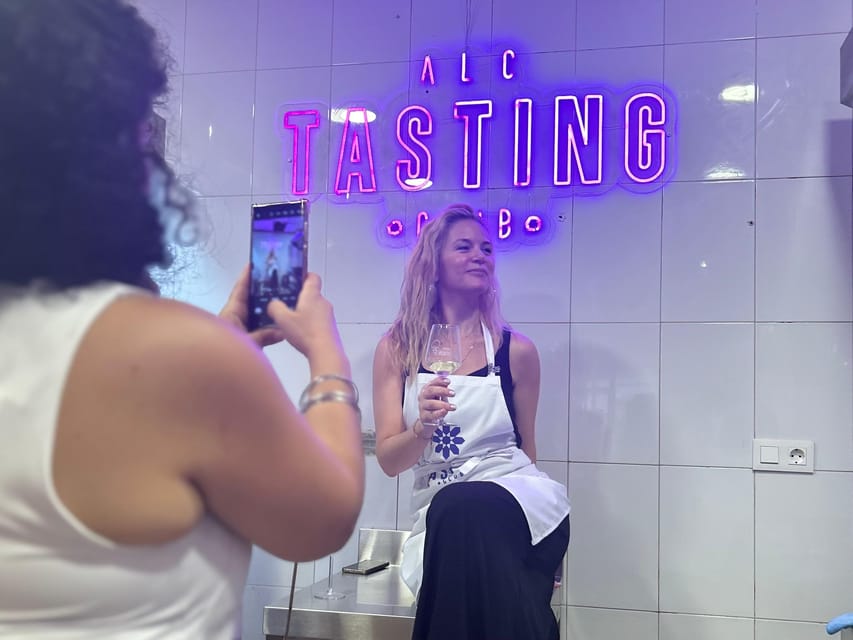
The class includes recipes to take home, and that’s where you turn a fun afternoon into a skill you can use later. Written guidance matters, especially for paella, because the “how” is often more important than the ingredients list.
Think of the recipe as a memory tool for technique. You’ll likely remember the flavors, but paella success depends on timing and process. Having the steps in front of you helps you replicate the approach.
You also learn practical habits that stick. For example, the market visit teaches you what ingredient quality looks like in Alicante, and the chef-led session teaches you how that translates into the pan.
If you’re cooking at home and wondering how your paella compared to what you ate, the recipe you get helps you figure it out. You can adjust your ingredient choices and process based on what you learned in the class kitchen.
This is one reason the value feels strong. You’re not just buying a meal ticket. You’re buying a repeatable method.
Price and Value: Is $58 Worth It?
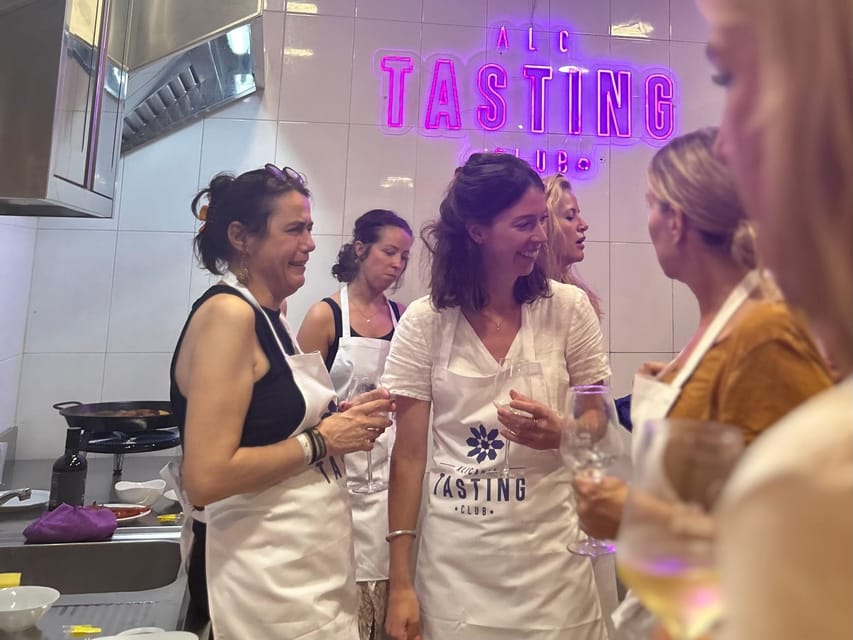
At $58 per person for about 3.5 hours, you’re paying for three things at once: instruction, ingredients-to-plate cooking, and a full food-and-drink meal experience.
If you compare it to the cost of a market meal plus a cooking workshop plus tapas and drinks separately, the pricing starts to make sense. You’re getting market time, a chef-led session, paella (including options), tapas, and local wine/sangría as part of one package.
The key value here isn’t just the food. It’s the structure: market first, kitchen second, then you eat what you made. That’s a full loop, and it’s why people rate it so highly. The class also includes recipes, which extends the benefit beyond the afternoon.
One more value point: the guides tend to keep things relaxed and inclusive. Several people mention feeling welcomed, included, and encouraged to participate. That kind of atmosphere isn’t free, and it affects how much you enjoy the instruction.
Who Should Book This Paella Class in Alicante?
I’d book this if you want a hands-on Alicante experience that combines food, culture, and a real chance to learn. It suits:
- Couples who want a shared activity that ends with a meal
- Friends or family groups who enjoy cooking together and want a social afternoon
- Solo travelers who like meeting people without turning the day into a scavenger hunt
It’s also a good option if you’re planning your schedule around food. Because it’s 3.5 hours, you can fit it in without losing an entire day. And since the class is guided in English and Spanish, it’s easier to get clarity even if you’re not fluent in Spanish.
Dietary needs are supported, too, with meat, seafood, and vegetarian/vegan options available. That’s a big practical plus.
If you hate group settings, you might still have a good time, but you should go in knowing the event is designed for interaction. The upside is that guides work to include everyone, but the energy remains social.
Should You Book Alicante Tasting Club’s Paella Class?
Yes—if you want the kind of Alicante food experience that turns into a skill. This class is strongest when you care about doing the work: picking ingredients at the market, learning paella technique, and then eating the result with tapas and local drinks.
Book it especially if:
- You want paella options that match your diet
- You like market-to-kitchen learning
- You want recipes to recreate the dish later
- You’d enjoy cooking with a friendly group rather than watching from the sidelines
Before you go, decide what paella version you want (meat, seafood, or vegetarian/vegan) and make sure your preference is clear during booking. Then show up hungry, wear comfortable clothes for a hands-on session, and plan to spend the afternoon like a local food day: buy, cook, taste, and compare flavors as you go.
FAQ
FAQ
How long is the Alicante paella cooking class?
The experience lasts 3.5 hours.
Do you visit a market during the tour?
Yes. You visit a local market to buy the ingredients needed for the cooking class.
What type of paella will I cook?
You’ll take part in a hands-on paella cooking class with a local chef, with meat, seafood, and vegetarian options available.
Are tapas included?
Yes. A selection of traditional tapas is included.
What drinks are provided?
The class includes local wines, sangría, and beverages.
Will I get recipes to take home?
Yes. Recipes are included so you can recreate what you learned later.
What languages are offered?
The live tour guide offers English and Spanish.
Is the activity wheelchair accessible?
Yes, it is wheelchair accessible.
Can I cancel and get a full refund?
Yes. Free cancellation is available up to 24 hours in advance for a full refund.