REVIEW · ALICANTE
Alicante: Paella & Sangria Class with Tapas and Market Visit
Book on GetYourGuide →Operated by Free Walking Tours Alicante · Bookable on GetYourGuide
Paella class beats dinner-as-usual in Alicante. You start at the Central Market, pick ingredients like a local, then head to a real working kitchen to learn the steps behind Alicante paella and sangria. Salmorreta (the signature Alicante sofrito) is part of the method, not just a buzzword, so you know what you’re doing and why.
What I like most: you choose your paella style (seafood, meat, or veg) and you get the recipe to take home. The other big win is the food setup: tapas while you cook and sangria you make yourself, with an option to go with or without alcohol. One possible consideration: this is a hands-on class, so you’ll want comfortable shoes for the market time and to keep your pace easy during prep and cooking.
In This Review
- Key things to know before you go
- Central Market ingredient picks: where your paella starts
- Inside the local kitchen: paella from scratch, not a show
- Salmorreta and broth: the method behind Alicante flavor
- Choosing seafood, meat, or veg paella (and getting it right)
- Sangria you make yourself: with or without alcohol
- Tapas included while you cook: what’s on the table
- The guide-host dynamic: why Fred/Federico-style hosting works
- Timing and pace: 3.5 hours that don’t feel like a lecture
- Price and value: what $58 actually buys you
- Logistics that matter: where to meet and what to bring
- Who this class is best for
- Should you book this Alicante paella & sangria class?
- FAQ
- How long is the paella and sangria class in Alicante?
- Where do we meet the guide?
- What’s included in the price?
- Can I choose what kind of paella I’ll make?
- Is sangria available with or without alcohol?
- What languages is the tour guide available in?
- Is the workshop wheelchair accessible?
- What should I bring and wear?
- Are pets allowed?
Key things to know before you go
- Central Market ingredient shopping: you’re not just watching stalls—you’re buying what matters for your paella.
- Alicante-style salmorreta: you learn the sofrito base that gives the dish its local character.
- Pick your paella flavor: seafood, meat, or vegetarian, so it fits your tastes.
- Make sangria yourself: choose alcohol or no alcohol, plus you’ll get a tasting while you work.
- Tapas included: Iberian ham, tomato salad with salted fish, cold local sausages, olives, and crisps show up as part of the meal.
Central Market ingredient picks: where your paella starts
The best paella classes don’t begin at the stove. They begin at the market, while ingredients still feel like choices instead of something pre-loaded for you.
Here, you meet your guide at the market entrance. On the ground nearby you’ll see a metal Civil War memorial, and the guide is easy to spot in a black T-shirt with white lettering that matches the workshop name. From there, you walk the stalls with the guide and focus on what will actually go into your meal: produce, pantry staples, and local products that shape the flavors of Alicante.
You’ll also get practical know-how that you can use later. The guide points out Mediterranean items and explains how locals think about freshness and timing. Even if you’re not a cook, you’ll start learning how flavors connect: what you’re pairing, what you’re replacing, and what makes a dish taste like Alicante instead of generic “Spanish food.”
A small but real tip: wear comfortable clothes and shoes. You’ll be moving through the market, and your hands will likely be busy with your shopping basket/choices, so you want your feet happy.
You can also read our reviews of more tours and experiences in Alicante.

Inside the local kitchen: paella from scratch, not a show
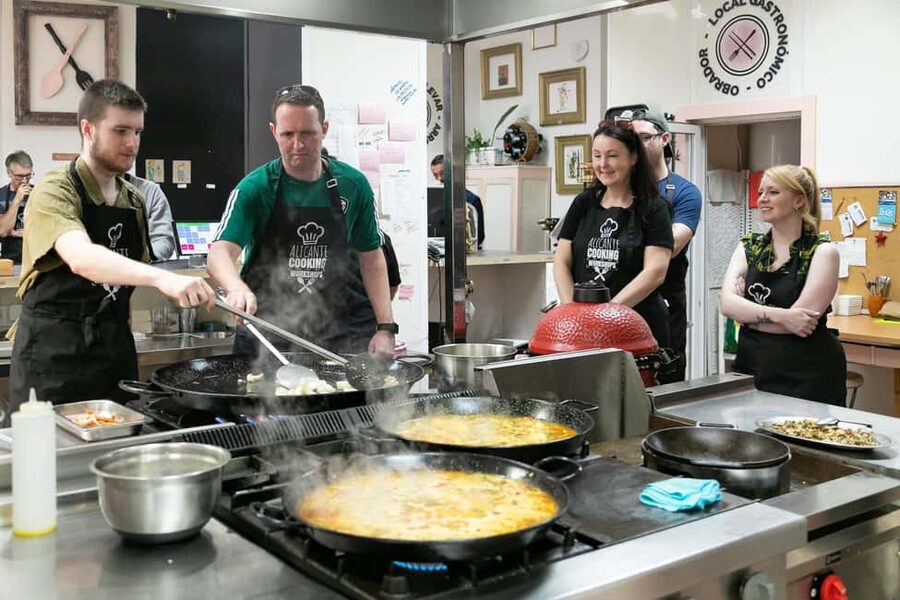
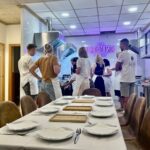
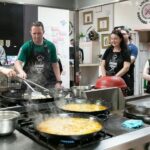
After the market, you shift to a working kitchen in a local restaurant—this matters. A lot of cooking experiences feel staged, like you’re doing a performance for the camera. This one aims to be the opposite: the class takes place in a space locals actually use, where the whole thing feels more like a shared meal process than a scripted demo.
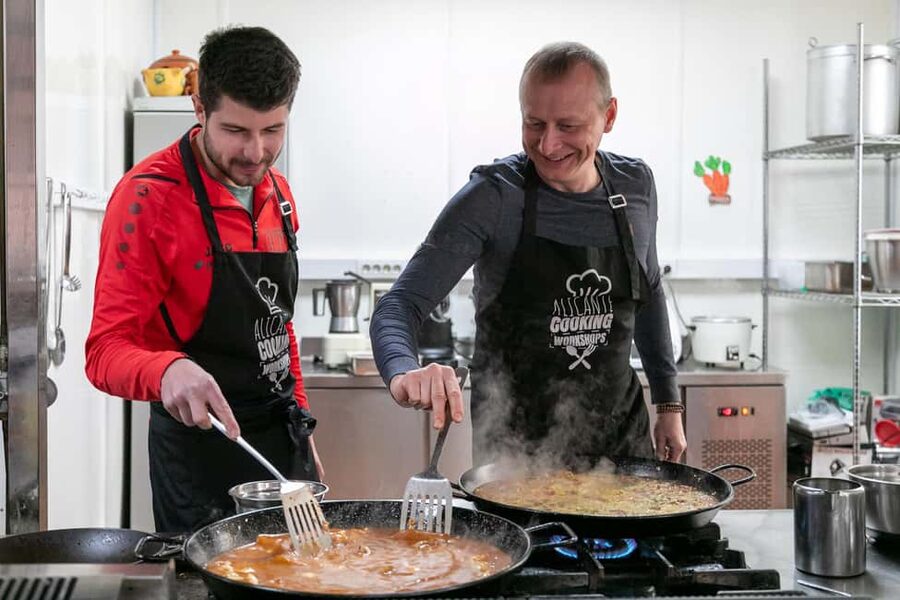
In the kitchen, a professional chef and host guide you step-by-step. You start from the beginning: broth and the Alicante salmorreta base (that sofrito-style flavor foundation). Then you build toward the part most people only ever taste: the rice that turns golden.
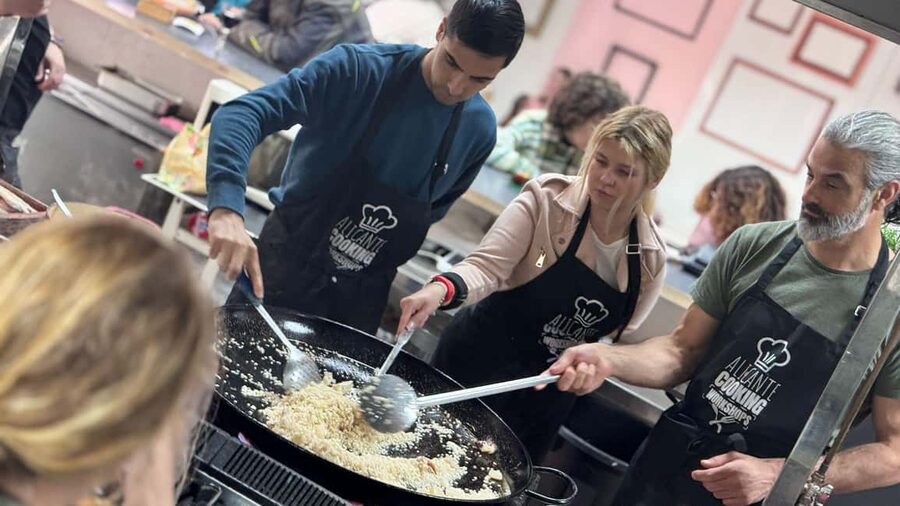
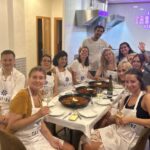
You’ll choose what kind of paella you’re making—seafood, meat, or vegetarian—so the class doesn’t force everyone into one option. The format is hands-on, and multiple guide-led sessions are described as relaxed but structured, with hosts keeping the group involved. In practice, that usually means you’ll get to help with more than one stage: prepping components, working through the recipe sequence, and doing at least a portion of the cooking tasks.
The payoff is that you’re not just eating paella. You learn the workflow:
1) base flavor (salmorreta)
2) broth and seasoning
3) rice cooking stage
4) the final finish that makes it look right and taste right
And yes—you get the recipe home, which turns your class into something you can repeat.
Salmorreta and broth: the method behind Alicante flavor
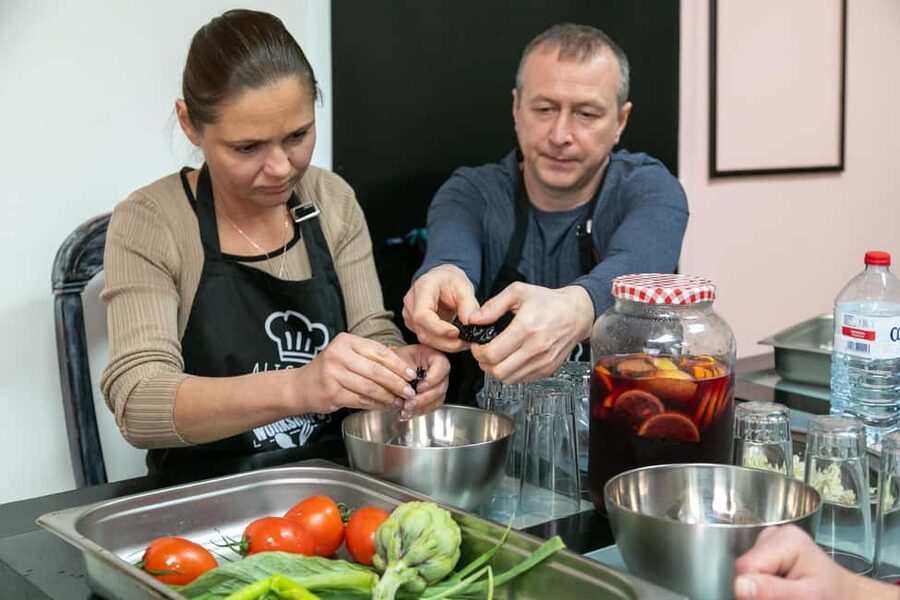
The Alicante approach to paella has a clear identity, and the class teaches you the logic behind it. You learn salmorreta as a method, not a mystery sauce. That means when you cook later, you can’t accidentally skip the key flavors because they were never really explained.
You also learn how broth fits into the equation. People often focus on the rice and ignore the liquid. In this class, broth is part of the teaching. You’re guided through how it supports the final texture and taste—so the paella doesn’t end up bland or one-note.
If you want a shortcut understanding, use this idea: salmorreta gives you the deep, savory base, and broth helps carry it into the rice. When both pieces are done well, you get that Alicante profile that tastes like Spain’s coast but still feels balanced.
Choosing seafood, meat, or veg paella (and getting it right)
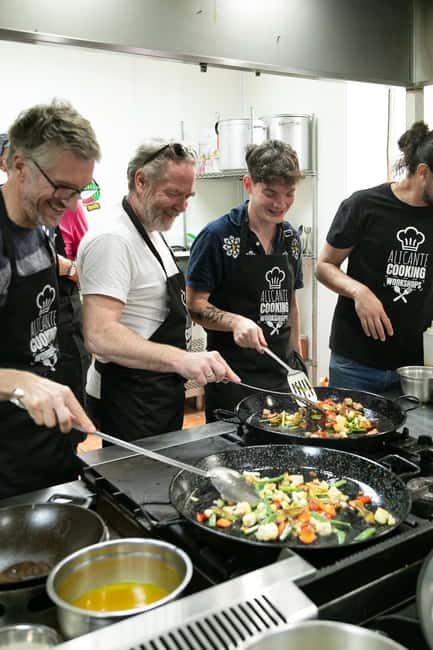
Your paella choice isn’t a tiny preference at the end—it shapes what you cook for the whole session. Seafood, meat, or vegetarian are all available, and your class route adapts to your selection.
That’s a value point for you: you don’t have to accept a dish you don’t love just because a group schedule needs it. It also makes the class more personal. You’re not learning one generic recipe; you’re learning a path that matches your preferences.
For vegetarians, it’s especially helpful that the class is explicit about vegetarian paella availability. For seafood and meat lovers, it’s similarly straightforward: you’re not stuck with a compromise version.
Practical note: be clear with your guide about what you want. If you know you’re sensitive to certain ingredients, it’s worth telling them early so your choices align with your comfort.
Sangria you make yourself: with or without alcohol
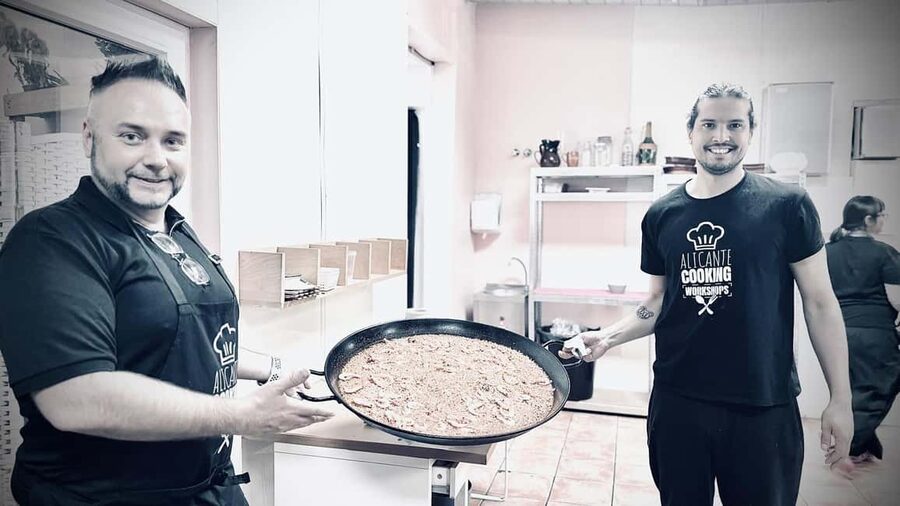
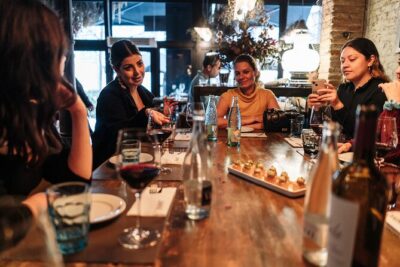
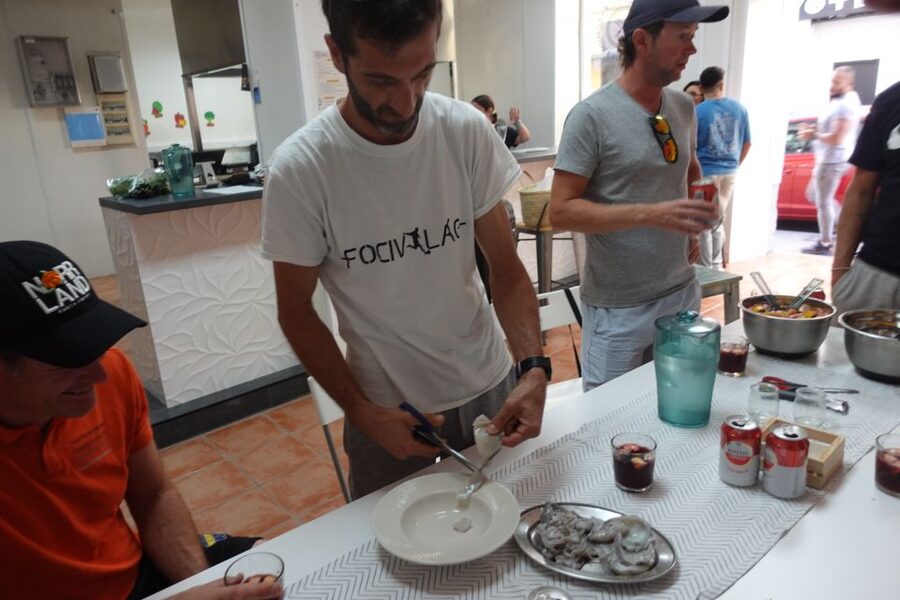
While the paella cooks, you’re not stuck waiting in silence. You get tapas and you make sangria. The sangria option is flexible: you can choose with alcohol or without alcohol, and there are also other drink options if you’d rather not do sangria.
That matters for real life. Sangria can be a fun part of Spain, but sometimes you’re driving, you’re pacing your night, or you simply don’t want alcohol. This class lets you keep the ritual without forcing the drink choice.
You’ll get to work with the ingredients and put your homemade sangria together, which is part of why the experience sticks. It’s not just sipping something tasty; it’s learning the basic flavor idea you can recreate later.


Tapas included while you cook: what’s on the table
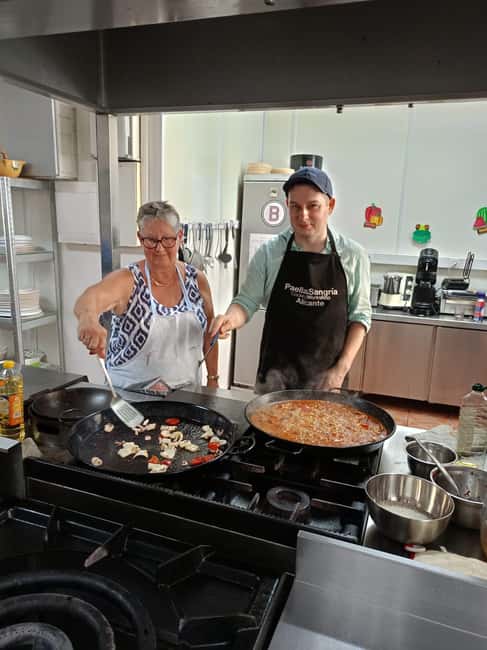
The meal doesn’t wait until the paella is finished. You’re served a selection of traditional tapas and appetizers that give you a fuller Alicante taste while you work.
Included tapas list:
- Iberian ham
- tomato salad with salted fish
- cold local sausages
- olives
- crisps
This setup is smart. You’re building your meal in layers: salty, savory, fresh, and snacky. It also helps you enjoy the class even if your paella timing is still in progress. And it keeps things sociable—people aren’t just watching while food happens off-camera.
If you like eating while doing, you’ll feel comfortable here.
The guide-host dynamic: why Fred/Federico-style hosting works
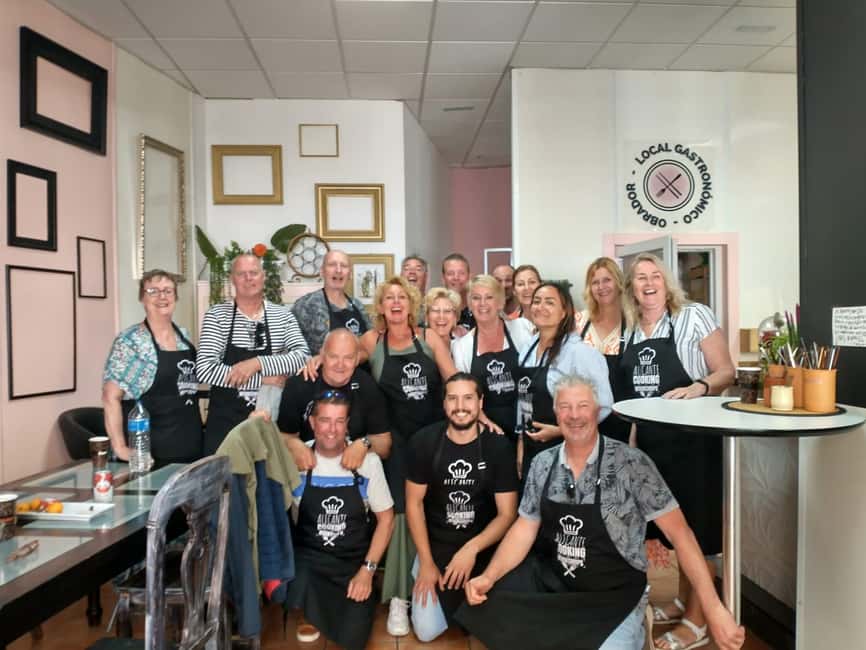
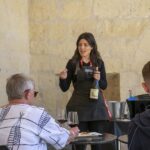
A lot of cooking classes fail at one thing: the host talks too much, or not enough. This one tends to do the opposite. Guides like Fred or Federico (names show up in many descriptions) are repeatedly highlighted for being friendly, funny, and patient, with good English and Spanish ability depending on the session.
Here’s what that means for you:
- you’ll get explanations that connect ingredients to results
- you’ll feel comfortable jumping in without feeling rushed
- you can ask questions while you cook, not only at the end
The best hosts also manage group energy. In larger groups, you still want to feel involved. The format here is built for participation, and hosts are described as getting everyone involved, even when groups are bigger.
So if you’re traveling solo and want a shared activity with real conversation, this is the kind of class that tends to work well. It’s not a quiet sit-down; it’s a communal kitchen moment.
Timing and pace: 3.5 hours that don’t feel like a lecture
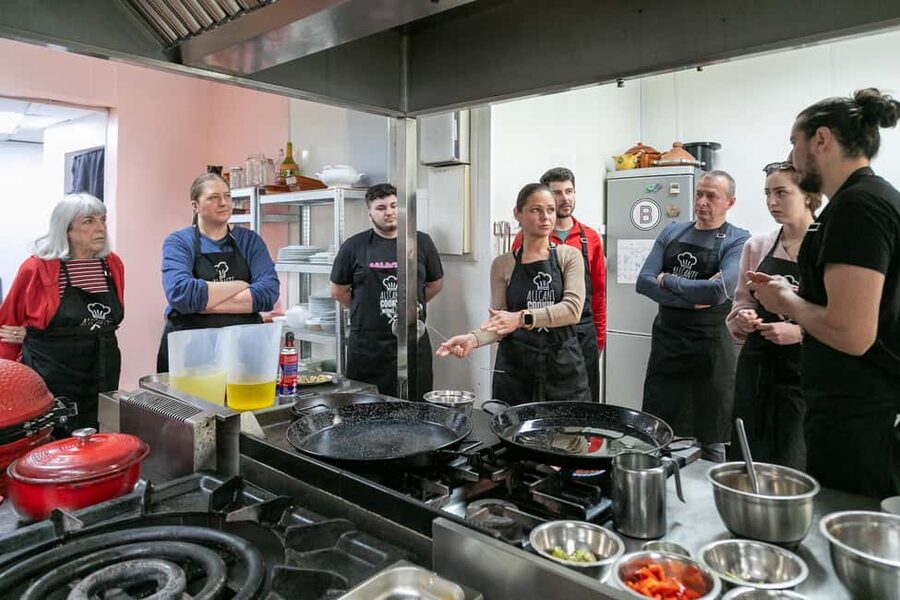
The class runs about 3.5 hours. That’s a sweet spot. Long enough to buy ingredients, cook, and sit down to eat. Not so long that you’re stuck doing kitchen tasks for half the day.
A typical flow looks like this:
- market visit where you select ingredients
- kitchen time where you prep and cook paella from scratch
- sangria-making while the rice finishes
- tapas tasting plus sharing your meal
Because the paella needs time to cook, you get a natural rhythm: work, taste, talk, then eat. It’s also a practical way to learn. You see the outcome while you’re still in the process mindset.
Bring patience, yes. But mostly bring curiosity.
Price and value: what $58 actually buys you
At $58 per person, this isn’t the cheapest food tour in Alicante. But it’s also not just a meal at a restaurant.
You’re paying for three things that usually cost extra if you do them separately:
- Central Market visit with guided ingredient picking
- Chef-led, hands-on cooking experience
- Included meal components: tapas plus sangria and drinks (beer and soft drinks)
You’re also getting practical take-home value: the paella recipe. That’s the part people don’t always think about. A good cooking class isn’t just about getting fed; it’s about leaving with something you can cook later.
So the value math feels solid if your goal is skill + local flavor, not only a nice lunch. If your main goal is a scenic half-day and you just want to eat, you might prefer a simpler tasting tour. But if you want to leave able to cook something real, this price makes sense.
Logistics that matter: where to meet and what to bring
Meet your guide at the Central Market entrance. Look for the metal Civil War memorial on the ground. The guide wears a black T-shirt with white lettering reading Paella&Sangria cooking Workshop Alicante.
For what to bring:
- comfortable shoes
- comfortable clothes
Not allowed: pets.
Good to know: the tour is English and Spanish. It’s also wheelchair accessible, which is a plus if you need it.
Who this class is best for
I think this works best if you fall into one of these groups:
- You love food and want the method, not just the final plate
- You want a social activity that still feels hands-on
- You’re the type who likes to shop first, then cook
- You want to take home a recipe you can repeat
It’s also a great choice if you want an Alicante connection that goes beyond paella as a generic souvenir dish.
If you hate cooking tasks and prefer to watch, this may not be your best fit because the class is designed for participation.
Should you book this Alicante paella & sangria class?
Book it if you want an experience that mixes local ingredient shopping with real cooking skills, and you care about eating while you learn. The market-to-kitchen flow is efficient, and the included tapas and sangria make it feel like a full meal, not a short “demo and go” event.
Skip it only if you want a purely passive outing, or if you know you won’t enjoy hands-on prep and cooking.
If you’re deciding in one sentence: this is a strong value pick for people who want Alicante flavors you can actually recreate later.
FAQ
How long is the paella and sangria class in Alicante?
The class lasts 3.5 hours.
Where do we meet the guide?
You meet at the Central Market entrance, near a metal Civil War memorial. The guide will be there, wearing a black T-shirt with white text.
What’s included in the price?
It includes the Central Market visit, the cooking workshop, sangria, tapas, bottled water, and beer and soft drinks.
Can I choose what kind of paella I’ll make?
Yes. You can choose between seafood, meat, or vegetarian paella.
Is sangria available with or without alcohol?
Yes. You can make sangria with or without alcohol, and other drink options are available if you prefer.
What languages is the tour guide available in?
The live guide offers English and Spanish.
Is the workshop wheelchair accessible?
Yes, it is listed as wheelchair accessible.
What should I bring and wear?
Wear comfortable shoes and comfortable clothes.
Are pets allowed?
No, pets are not allowed.