REVIEW · ALICANTE
Paella & Sangria Class with Tapas and Market Visit
Book on Viator →Operated by Free Walking Tours Alicante · Bookable on Viator
Paella starts at the market, not the kitchen.
This 3.5-hour Alicante class walks you through Mercado Central shopping and then into a real working restaurant kitchen to cook, eat, and share like locals. You’ll choose your paella style, prep the key flavor base, and make sangria while someone who actually cooks talks you through the why.
I love the hands-on format with a small group, and I love that you get real choice with seafood, meat, or vegetarian paella. Even the final meal feels like a full Spanish spread, not just a dish-and-go situation.
One thing to consider: this is unapologetically traditional. The sangria is made the classic way (wine mixed with soda and orange juice), and the paella’s big flavor comes from the rice and stock—not from a mountain of chunks.
In This Review
- Key highlights that matter in Alicante
- Mercado Central d’Alacant: shop like a local chef, not a tourist
- From market to working kitchen: you prep real components
- Cooking authentic paella: rice-first flavor logic (and why that’s good)
- Your paella options
- The small caution
- Sangria you mix yourself: classic recipe, not sweet drink magic
- Tapas and sides: what makes the meal feel like Alicante
- Group size, pace, and English support: you’ll actually participate
- Price and value: $59.26 for market + kitchen + meal
- Who should book this Alicante workshop (and who might not)
- Should you book? My honest call
- FAQ
- FAQ
- How long is the Paella & Sangria Class with Tapas and Market Visit?
- Where does the tour start in Alicante?
- Is this class offered in English?
- What is the group size?
- Can I choose the type of paella?
- Do you make sangria as part of the class?
- Is there an age requirement for alcohol?
- Is the ticket mobile?
- What are the cancellation terms?
- What happens if the tour doesn’t meet the minimum number of travelers?
Key highlights that matter in Alicante
- Mercado Central d’Alacant shopping with Federico: you learn what to pick and why, right at the stalls
- Working restaurant kitchen: you cook in a place where locals actually eat
- Paella choices for your group: seafood, meat, or vegetarian so you’re not stuck with one option
- Sangria that you mix yourself: wine + orange juice + soda, plus added flavor ingredients
- Small group pace (max 15–16): you’re active in prep and cooking, not just watching
- Tapas-style extras included: ham, sausage, tomato salad, olives, and more show up alongside paella
Mercado Central d’Alacant: shop like a local chef, not a tourist
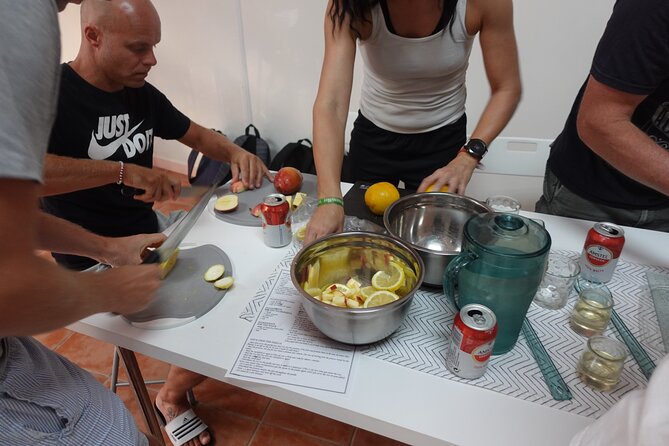
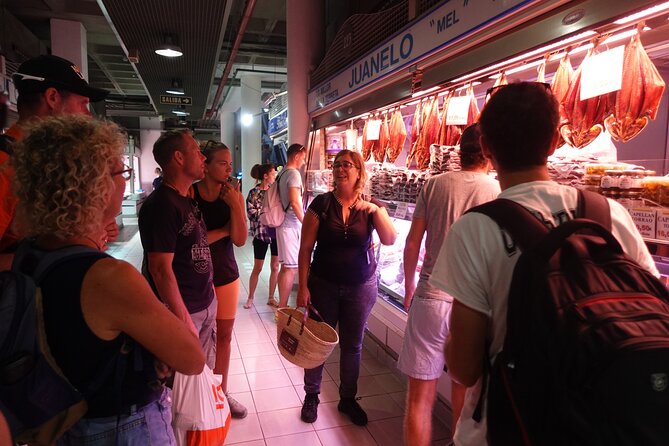
The experience starts where the food decisions happen: the Mercado Central d’Alacant. Instead of showing up after everything is bought and prepped, you follow your guide through stalls and learn how ingredients really get chosen.
A big part of the value here is the “shopping lesson” feel. You’ll hear practical talk about items that matter in Alicante cooking. Based on what you’ll pick up during the walk, you’ll get a sense for how Mediterranean produce, cured meats, and seafood show up in everyday meals.
If you end up with seafood paella, you’ll learn that the “best” ingredient isn’t always the biggest one—it’s the freshest and most appropriate for paella. One guide-led focus in this workshop is local seafood selection from the area, and you’ll see how that thinking translates into what lands in the pan.
And if you choose meat or vegetarian paella, the market still matters. This isn’t a class that treats ingredients as interchangeable. The guide helps connect what you’re seeing in the market with what you’ll be cooking later—especially olives, cured ham, and other flavor boosters that show up in the final meal.
Where it starts: you meet at Plaza 25 de Mayo (Pl. 25 de Mayo, 03004 Alicante).
You also end back at the same meeting point.
You can also read our reviews of more tours and experiences in Alicante.

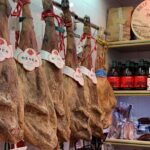
From market to working kitchen: you prep real components
After the market, you move to a restaurant kitchen where the goal is food, not performance. This matters more than it sounds. A working kitchen means you’re getting taught by process—what happens first, what gets cooked down, what needs balancing.
You’ll prep and cook paella from scratch in a step-by-step way. The class teaches the key flavor base (you’ll hear about salmorreta, which is essentially the sofrito base for the dish) and how to build a broth/stock approach that carries the taste of the seafood, meat, or vegetables.
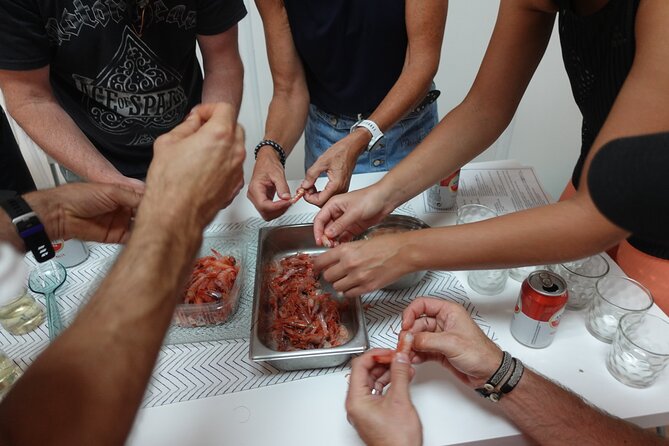
In a few of the class sessions, you also see additional prep beyond “just paella.” For example, there’s mention of tasks like prepping dried fish (the “worst job” joke shows up more than once) and chopping/assembling items for the meal so everyone has something useful to do.
What you can expect in the kitchen:
- ingredient prep in a group setting (you’ll take turns)
- building the base flavors (salmorreta + stock/broth thinking)
- cooking and managing the paella while it simmers
- making sangria during the cooking flow so you’re not waiting around
In some groups, chef Maria is mentioned alongside the guide team. You’ll feel the difference between a chef-run station and a “demo kitchen.” Here, you’re doing more than watching.
Cooking authentic paella: rice-first flavor logic (and why that’s good)
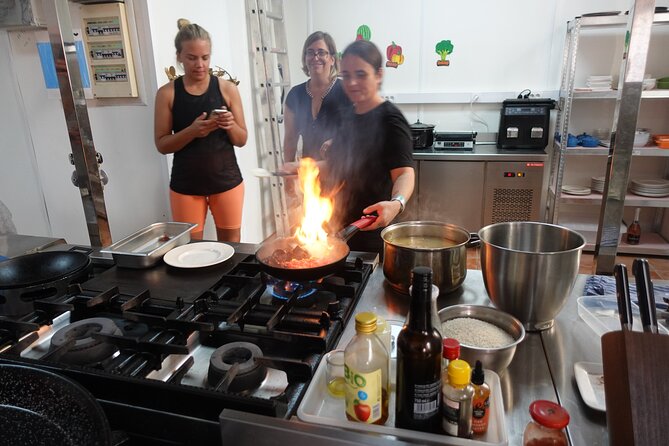
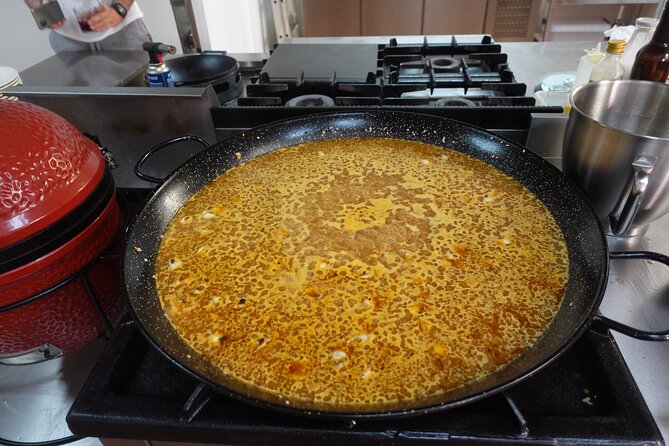
Here’s the part many people misread about paella: they think it’s a “seafood-and-meat pile.” This workshop pushes a different message—the rice is the star, and the flavor comes from stock and the way the base is built.
During the class, you’re taught that the “right” paella flavor is not just about what chunks you can pile in. It’s about:
- the stock/broth you prepare (which carries taste)
- the salmorreta base that flavors everything downstream
- balance so the rice comes out the way it should
So yes, you’ll add seafood/meat/vegetables based on your choice—but the method keeps the focus on rice and liquid flavoring. This is one reason so many people leave saying they got a real intro to how paella works, not just a plate at the end.
Your paella options
You can choose one of these before cooking:
- Seafood paella
- Meat paella
- Vegetarian paella
That choice is a practical win in small-group dining. Nobody wants to sit at a table where the meal is one-size-fits-none. With the paella choice system, you’re cooking for your preferences while still learning the core technique.
The small caution
If you expect a paella loaded with big visible seafood pieces, this class may feel different. The philosophy here is authentic: fewer, better elements and a flavor foundation that supports the rice. If that sounds like your kind of cooking, you’ll probably love it. If you’re chasing visual “heap-style” paella, temper expectations.


Sangria you mix yourself: classic recipe, not sweet drink magic
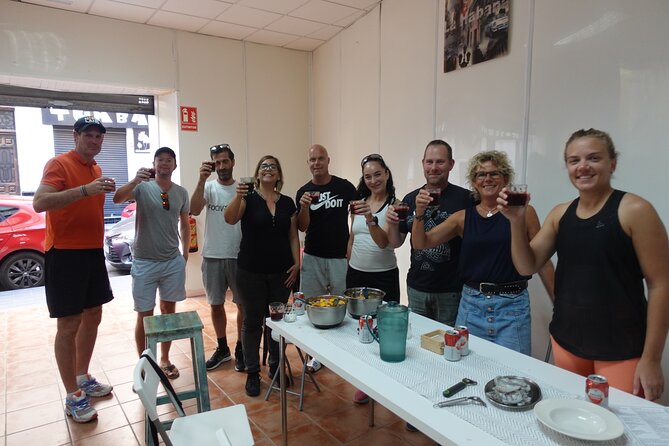
While the paella cooks, you make sangria. The point is that it’s not just poured for you. You’ll be involved in mixing and preparing it alongside the meal rhythm.
Sangria in this class follows a traditional method: wine mixed with orange juice and soda, plus extra ingredients like syrup, liquor, and fruits. That combo can taste more balanced and less like straight juice-sweetness—if you like classic sangria flavors.
Important for planning: the experience includes an alcohol consumption rule. The minimum age for alcohol consumption is 18. If you’re traveling with younger people, this is the one line you should pay attention to before you book.
Tapas and sides: what makes the meal feel like Alicante
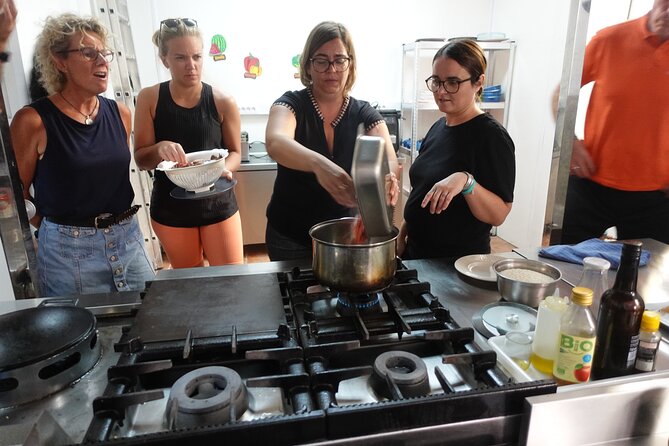
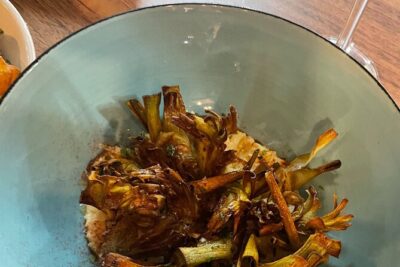
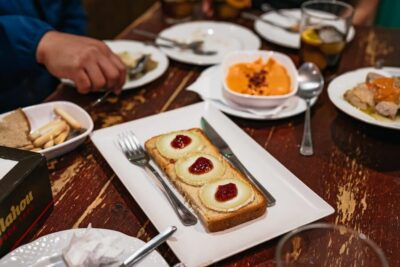
Paella is the headline, but the class meal is built like an actual Spanish lunch or dinner with multiple parts. Alongside the paella and sangria, you’ll typically get additional items that help you understand how flavors get layered in real local eating.
What shows up depends on the session, but common mentions include:
- Iberian ham
- cold sausage from the mountains
- tomato salad with salted fish
- olives and crisps
- fruit to finish
This is part of the value: you’re not only learning a technique, you’re eating a set of flavors that match how Spaniards structure a meal. It also means you’re less likely to feel like you’re paying just for one dish.
Group size, pace, and English support: you’ll actually participate
This runs about 3 hours 30 minutes. The group size is kept small—maximum 15 participants and up to 16 travelers depending on the session.
That size matters. In small groups, you’re more likely to get a real role in the kitchen: prepping, assisting, and taking turns rather than hovering at the edge.
Language is also clearly handled. It’s offered in English, and in several accounts the guide is comfortable switching smoothly between English and Spanish while explaining ingredients and technique. That makes the market walk and the kitchen steps easier to follow, especially if your Spanish is rusty.
The pace feels like a full meal arc:
- start with ingredient shopping
- move into hands-on prep and cooking
- eat what you made in a relaxed, friendly atmosphere
If you want a cooking class that includes learning and social time, this hits that sweet spot.
Price and value: $59.26 for market + kitchen + meal
At $59.26 per person, the math looks fair when you count what’s included as one package:
- guided walk in a major market setting
- ingredient selection and teaching at the stalls
- a real working kitchen experience
- paella cooking from scratch with a choice of style
- sangria you help make
- tapas-style additions alongside the main dishes
A major value factor is that you’re not just paying for food. You’re paying for the “how to” behind the food—market selection and the rice/stock method that makes paella taste right.
Some people also note the small staffing feel: the guide plus a chef presence helps keep things moving and lets everyone participate without long stretches of waiting.
At the same time, you should know what you’re buying: this isn’t a private tasting tour. It’s a class, and the menu is built around teaching the authentic method. If your ideal paella is ultra-visual and your ideal sangria is basically red wine served as-is, the traditional approach could leave you wanting something different.
Who should book this Alicante workshop (and who might not)
This paella & sangria class is a great fit if you:
- want a real cooking lesson with small group participation
- like learning through food choices at the market
- are curious about how locals approach paella and sangria
- want an easy, social “anchor activity” during a short Alicante stay
It might be less ideal if you:
- strongly dislike seafood and also expected meat-only by default (some sessions allow choices, but the class structure still revolves around what everyone cooks in group flow)
- prefer sangria that tastes like plain wine mixed with nothing but sweetness
- expect paella to be packed with obvious chunks rather than rice-and-stock technique
That said, the overwhelming majority of the experience is described as fun, friendly, and worth the money—especially for people who enjoy hands-on cooking.
Should you book? My honest call
If you want an authentic Alicante flavor lesson that goes beyond just eating, I’d book this. The market start is a big deal, and the small group kitchen time is where the learning actually sticks. You’ll leave knowing how ingredient selection affects the final paella, and you’ll understand why the rice method matters.
My main “don’t miss this” tip: be open to the traditional logic. The class is built around rice, stock, and classic sangria mixing. If you come in wanting those things, you’ll likely feel you got your money’s worth in both education and taste.
FAQ
FAQ
How long is the Paella & Sangria Class with Tapas and Market Visit?
It’s about 3 hours 30 minutes.
Where does the tour start in Alicante?
You meet at Plaza 25 de Mayo (Pl. 25 de Mayo, 03004 Alicante, Spain).
Is this class offered in English?
Yes. The experience is offered in English.
What is the group size?
It has a maximum of 16 travelers.
Can I choose the type of paella?
Yes. You can choose seafood, meat, or vegetarian paella.
Do you make sangria as part of the class?
Yes. You enjoy traditional tapas, make sangria, and then eat the homemade paella, sangria, and tapas together.
Is there an age requirement for alcohol?
Yes. The minimum age for alcohol consumption is 18.
Is the ticket mobile?
Yes. A mobile ticket is provided.
What are the cancellation terms?
You can cancel for a full refund up to 24 hours in advance of the experience start time. If you cancel less than 24 hours before, the amount paid isn’t refunded.
What happens if the tour doesn’t meet the minimum number of travelers?
If it’s canceled because the minimum isn’t met, you’ll be offered a different date/experience or a full refund.